
Coupe Car Climate Control: Perfect Luxury
Master your coupe’s climate control for ultimate comfort. This guide reveals how to optimize temperature, airflow, and luxury settings in your coupe car climate control system, ensuring a perfect cabin environment on every drive.
Driving a coupe is an experience in refined style and dynamic performance. But what truly elevates that experience from merely driving to indulging is the perfect cabin environment. Your coupe car climate control system is the unsung hero, working diligently to maintain your ideal temperature. Sometimes, understanding and optimizing this system can feel a bit like deciphering a secret code. Fret not, fellow enthusiasts! We’re here to demystify your coupe’s climate control, turning a source of potential frustration into a seamless part of your luxury driving pleasure. Get ready to transform your cabin into a personalized sanctuary, no matter the weather outside.
Understanding Coupe Car Climate Control: What’s Inside?

At its heart, your coupe car climate control system is designed to do more than just blow hot or cold air. It orchestrates a symphony of components to precisely manage the temperature, humidity, and air quality within your vehicle’s cabin. For those new to the world of luxury coupes, or even seasoned owners looking to deepen their understanding, knowing the basics of how this system works is key to enjoying its full potential. Mercedes-Benz, a marque synonymous with automotive luxury and innovation, equips its coupes with sophisticated climate control technologies that offer unparalleled comfort and customization.
The system typically consists of several key elements:
- Evaporator and Condenser: These are part of your air conditioning (AC) system, working together to cool the air. The evaporator absorbs heat from the cabin air, while the condenser releases heat from the refrigerant outside the car.
- Heater Core: This component uses hot engine coolant to warm the air passing through it, providing heat during colder months.
- Blower Motor: This fan pushes the conditioned air into the cabin. You control its speed through the climate control interface.
- Air Distribution Vents: These direct the conditioned air to different zones within the cabin (e.g., windshield, dashboard, footwells).
- Sensors: Sophisticated sensors monitor cabin temperature, outside temperature, solar radiation, and even humidity to make automatic adjustments.
- Control Module: This is the “brain” of the system, receiving data from sensors and commanding the other components to achieve the desired climate.
Modern Mercedes-Benz coupes often feature advanced systems like multi-zone climate control, which allows different temperature settings for the driver and front passenger, and sometimes even rear passengers. Some models also incorporate air purification systems, active fragrance dispensers, and ionizers for an even more luxurious and healthy cabin environment. Understanding these components is the first step to mastering your coupe car climate control.
The Evolution of Comfort: From Basic AC to Intelligent Climate Control

Gone are the days when a simple dial for “cool” and “hot” sufficed. The evolution of automotive climate control, especially in luxury vehicles like Mercedes-Benz coupes, has been remarkable. What started as basic air conditioning and heating has transformed into intelligent systems that create personalized comfort zones.
Early automotive AC systems were rudimentary. They were mechanically driven and offered limited control, often just a blast of cold air or warm air. Precision was an afterthought. As technology advanced, so did climate control:
- Manual Systems: These required constant adjustment by the driver to maintain a desired temperature.
- Automatic Climate Control: The introduction of sensors and a control module allowed the system to automatically adjust fan speed and temperature to maintain a set point. This was a significant leap forward.
- Multi-Zone Systems: These systems, common in luxury vehicles, allow for independent temperature control for different occupants or zones within the cabin. This is a cornerstone of modern coupe car climate control.
- Intelligent Climate Control: The most advanced systems not only maintain temperature but also manage humidity, air quality, and can even respond to external conditions like direct sunlight or occupant presence.
Mercedes-Benz has consistently been at the forefront of this evolution. Features like the “AIR-BALANCE” package introduce active fragrancing and ionization, turning your coupe’s interior into a sensorially pleasing environment. The goal is always to create a cabin that feels like a seamless extension of your personal space, unaffected by the world outside.
Decoding Your Coupe’s Climate Controls: A Practical Guide
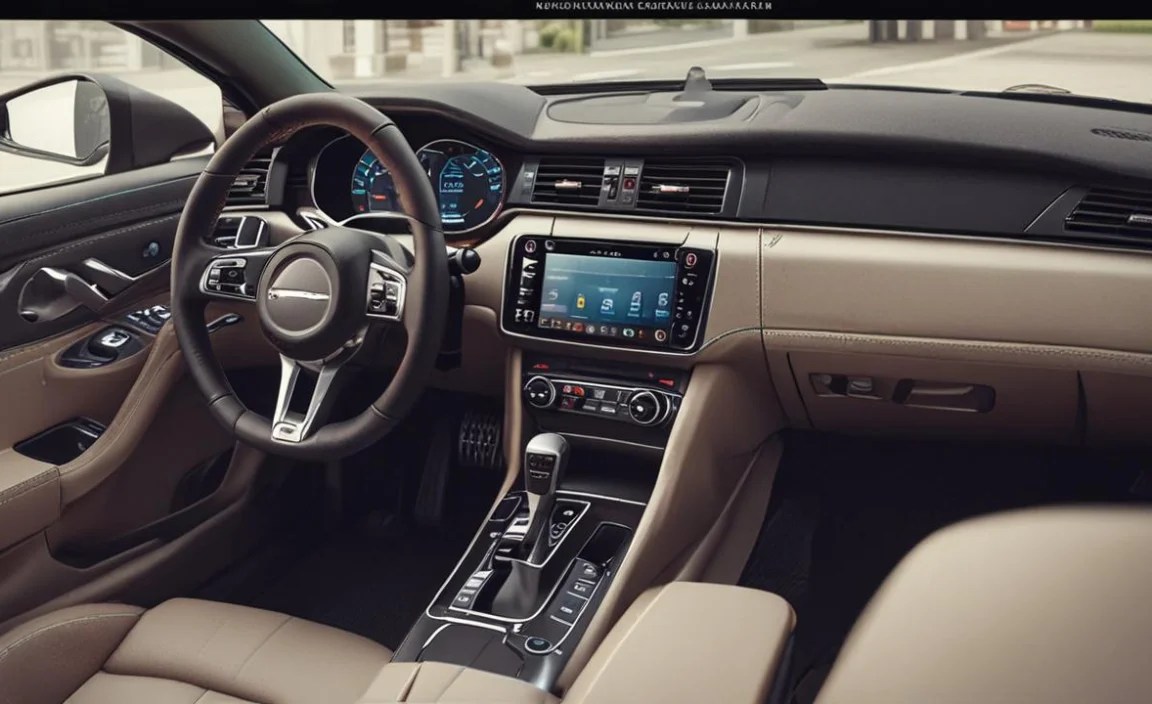
Let’s get hands-on. Understanding the buttons, dials, and digital displays of your coupe’s climate control system is crucial for unlocking its full potential. While specific layouts can vary slightly between models and model years, the core functionalities are remarkably consistent.
Most Mercedes-Benz coupes will feature a central console interface for climate control. Common elements include:
- Temperature Settings: Usually represented by a temperature readout (°C or °F) with up/down arrows or a slider to adjust.
- Fan Speed: Indicated by fan icons and adjustable via buttons or a slider.
- Airflow Direction: Icons representing air flowing to the face, feet, windshield, or a combination.
- Recirculation Mode: A button with a car and a curved arrow, which draws air from inside the cabin to prevent outside odors or pollutants from entering.
- A/C Button: Engages or disengages the air conditioning compressor for cooling.
- Defrost/Demist: Buttons for the front and rear windshields, activating maximum airflow and often heating for rapid clearing.
- AUTO Mode: The magic button! In AUTO mode, the system uses its sensors to automatically manage fan speed, airflow direction, and A/C engagement to maintain your set temperature efficiently.
- SYNC/DUAL Button: If you have multi-zone control, SYNC syncs all zones to the driver’s setting. DUAL allows independent control for the passenger.
For those with digital interfaces on their infotainment screen, you’ll find these same functions accessible through touch controls. Many systems also integrate with voice commands, allowing you to say things like, “Hey Mercedes, set the temperature to 21 degrees.”
Leveraging AUTO Mode for Effortless Comfort
AUTO mode is your best friend for hassle-free climate control in your coupe. When you select AUTO, the system takes over the complex task of maintaining your desired temperature.
Here’s why AUTO mode is so effective:
- Intelligent Adjustment: The system continuously monitors cabin temperature, outside temperature, and ambient light (to gauge solar heat gain).
- Optimized Airflow: It automatically adjusts fan speed and vent direction to reach your desired temperature quickly and then maintain it with minimal noise and effort.
- Energy Efficiency: By making gradual, informed adjustments, the system often uses less energy than manual control, which can lead to slightly better fuel efficiency or battery range.
For most daily driving scenarios, simply setting your preferred temperature and engaging AUTO mode will provide the perfect cabin environment. It’s how the engineers intend for you to experience seamless comfort.
Understanding Recirculation and Air Quality
The recirculation mode in your coupe car climate control system is a powerful tool for managing cabin air. When activated, it stops outside air from entering the cabin and instead circulates the air already inside.
When to use recirculation:
- When Following Other Vehicles: To prevent exhaust fumes from entering your clean cabin.
- Driving Through Smelly Areas: Like industrial zones or agricultural areas.
- Hot Weather: It helps the A/C system cool the cabin more quickly and efficiently because it’s cooling already partially cooled air, rather than constantly trying to cool hot outside air.
- Cold Weather: It helps the heater maintain warmth more effectively.
However, prolonged use of recirculation can lead to increased humidity and stale air. Most systems have an automatic setting that will switch out of recirculation after a set period or when the A/C or defrost functions require fresh air. Mercedes-Benz vehicles often feature advanced air filters and even ionization systems (like the AIR-BALANCE package) that work in conjunction with the recirculation settings to maintain excellent air quality. For the best of both worlds, trust the system’s automatic fresh air intake to maintain a healthy and pleasant atmosphere.
Advanced Features for Ultimate Coupe Luxury

Mercedes-Benz doesn’t stop at basic comfort. Their coupes are often equipped with technologies that redefine the luxury automotive experience. These features transform your car’s climate control from a utility into a wellness system.
The AIR-BALANCE Package: More Than Just Air
For many Mercedes-Benz coupes, the optional AIR-BALANCE package takes cabin ambiance to an entirely new level. It’s a sophisticated system designed to enhance the sensory experience, combining air freshening, ionization, and improved filtration.
Key components and benefits of AIR-BALANCE:
- Active Fragrance System: This allows you to select from a range of high-quality, subtle scents that are dispersed into the cabin via the ventilation system. The intensity can usually be adjusted, and different fragrances can be swapped out. This is a discreet and sophisticated way to personalize your car’s aroma.
- Ionization: The system releases positively and negatively charged ions into the air. This process is said to help improve air quality by binding to airborne particles like dust and pollen, and can contribute to a feeling of freshness and well-being, similar to the air after a thunderstorm.
- Enhanced Filtration: While all Mercedes-Benz vehicles have cabin air filters, models with AIR-BALANCE, or similar advanced climate packages, often feature multi-stage filters that can trap finer particles, allergens, and unpleasant odors more effectively.
This package is a testament to Mercedes-Benz’s holistic approach to luxury, where even something as fundamental as air quality is meticulously engineered for the occupant’s benefit.
Multi-Zone Climate Control Dynamics
Having the ability to set different temperatures for the driver and front passenger is a standard feature on most luxury coupes, and it’s a game-changer for shared comfort.
How multi-zone climate control works:
- Independent Controls: Usually accessed via dedicated buttons or the infotainment screen, allowing each front occupant to set their preferred temperature.
- Air Distribution Tailoring: The system can direct airflow with greater precision, often offering separate controls for head/chest area and footwell.
- Driver Focus: While passenger comfort is key, the system is often calibrated to prioritize the driver’s optimal comfort zone.
Rear climate control zones are less common in coupes due to their smaller cabin size and two-door configuration but can be found on larger models like the S-Class Coupe. For coupes, the focus is primarily on creating a perfect environment for the driver and front passenger.
Sunload Sensors and Their Role
A subtle yet vital component of intelligent climate control is the sunload sensor. This small sensor, often located on the dashboard, detects the intensity and angle of sunlight hitting your coupe.
Why it matters:
- Automatic Temperature Compensation: On a sunny day, direct sunlight can significantly heat up the side of the cabin facing the sun. The sunload sensor tells the climate control system to compensate by increasing airflow or slightly lowering the temperature on that side.
- Efficient Cooling: By proactively addressing solar heat gain, the system can prevent the cabin from becoming uncomfortably warm in the first place, leading to more consistent comfort and less demand on the A/C.
This is an example of how advanced sensors work in the background of your coupe car climate control to ensure your comfort without requiring constant manual intervention.
Troubleshooting Common Climate Control Issues

Even the most sophisticated systems can occasionally encounter hiccups. Fortunately, many common issues with your coupe car climate control are straightforward to address.
When the AC Isn’t Cooling Properly
This is a common complaint, especially as temperatures rise.
Potential causes and solutions:
- Cabin Air Filter is Clogged: A dirty filter restricts airflow. Replace it annually or as per your owner’s manual. You can often find great replacement filters from reputable online auto parts retailers.
- Low Refrigerant Levels: The AC system may have a leak. This requires professional diagnosis and repair, as refrigerant levels are critical for system function and environmental safety. Visit a qualified Mercedes-Benz service center.
- Condenser Blocked: Debris (leaves, dirt) can block the condenser located at the front of the car, hindering heat dissipation. Gently wash it with a hose.
- Blend Door Actuator Failure: This small electric motor controls the flaps that direct air. If it fails, air might not be directed correctly or mixed properly for temperature. This usually requires professional repair.
When the Heater Isn’t Working Effectively
During colder months, a lack of heat can be particularly uncomfortable.
Potential causes and solutions:
- Low Coolant Level: The heater core relies on engine coolant to generate heat. Ensure your coolant level is adequate, checking it when the engine is cool.
- Thermostat Issue: If the engine is not reaching its optimal operating temperature, the heater will also be less effective. This may indicate a faulty thermostat.
- Clogged Heater Core: Over time, the heater core can become clogged with sediment. A professional flush may be required.
- Blend Door Issues: Similar to AC problems, a faulty blend door could prevent hot air from entering the cabin.
Unusual Noises from the System
Strange sounds from your climate control can be unnerving.
Common noises and their potential causes:
- Clicking or Grinding: Often indicates an issue with a blend door actuator or the blower motor assembly.
- Hissing: Could signal a refrigerant leak or a problem with the AC compressor.
- Whining: Might be related to the blower motor bearing or a loose belt.
For any persistent or concerning noises, it’s always best to have your Mercedes-Benz inspected by a certified technician to prevent further damage.
Maintaining Your Coupe’s Climate Control System
Proactive maintenance is the key to ensuring your coupe car climate control system performs optimally for years to come and continues to provide that perfect luxury.
Regular Cabin Air Filter Replacement
This is arguably the most important DIY maintenance task for your climate control system. The cabin air filter cleans the air entering your car’s interior, trapping dust, pollen, mold spores, and other pollutants.
Why it’s crucial for comfort and health:
- Improved Air Quality: A clean filter means cleaner air to breathe, which is especially important for allergy sufferers.
- Optimal Airflow: A clogged filter severely restricts airflow, making your AC and heater work harder and less effectively.
- Prevents Odors: Old filters can become breeding grounds for bacteria and mold, leading to musty smells.
- Protects System Components: By preventing debris from entering the system, a clean filter helps protect the evaporator and heater core.
Consult your owner’s manual for the recommended replacement interval, typically every 10,000-20,000 miles or once a year. Many online resources and videos demonstrate how to replace the cabin air filter on specific Mercedes-Benz models, often making it a simple 10-30 minute job. Reputable suppliers like FCP Euro offer a wide range of quality cabin air filters for Mercedes-Benz vehicles.
Annual A/C System Check
While not strictly a DIY task for most, scheduling an annual A/C system check can save you from major headaches and expensive repairs down the line.
What a professional check typically includes:
- Refrigerant Level Check: Ensures the system has the correct amount of refrigerant for optimal cooling.
- Leak Detection: Technicians can check for leaks in hoses, seals, and the compressor.
- Service and Recharge (if needed): If levels are low, they can safely recharge the system.
- Blower Motor and Fan Inspection: Checking for proper operation and noise.
- System Operation Test: Verifying that all functions, including temperature and airflow distribution, are working correctly.
This is particularly important if you notice any dips in cooling performance or unusual noises.
Using Climate Control Wisely
How you use the system impacts its efficiency and longevity.
Best practices:
- Avoid Extreme Settings: Gradually adjust temperatures rather than jumping to the extremes.
- Use AUTO Mode: As discussed, AUTO mode is designed for efficiency and comfort.
- Minimize Recirculation: Use fresh air mode for most driving to maintain air quality unless specific situations call for recirculation.
- Ventilate Initially: On very hot days, open the doors or windows for a minute before starting the climate control to let the super-heated air escape. This reduces the initial load on the system.
Coupe Car Climate Control Settings Table
Here’s a quick reference guide to common climate control settings and their optimal usage.
| Setting | Description | When to Use | Notes |
|---|---|---|---|
| AUTO | System automatically adjusts fan speed, airflow, and compressor to maintain set temperature. | Most driving scenarios. | Recommended for optimal comfort and efficiency. |
| Manual Temperature/Fan Speed | Direct control over temperature and fan speed. | When specific, immediate adjustments are needed; learning the system. | Requires more attention to maintain comfort. |
| Recirculation (Interior Air) | Draws air from inside the cabin; prevents outside air intake. | Following heavy traffic, strong odors, initial cool-down/heat-up. | Use sparingly to avoid humidity buildup and stale air. |


