
CLE Class Leather vs Fabric Seats: Ultimate Perfect Choice
For your Mercedes-Benz CLE Class, choosing between leather and fabric seats depends entirely on your lifestyle and priorities. Leather offers a luxurious feel, enhanced durability, and easier cleaning for spills, making it ideal for a refined experience. Fabric provides superior comfort in extreme temperatures, better grip for sporty driving, and a more eco-friendly option, perfect for those prioritizing temperature regulation and natural materials.
When you’re looking at a new Mercedes-Benz CLE Class, one of the first decisions you’ll make is about the interior. Will you opt for the timeless elegance of leather or the practical comfort of fabric? It’s a question many car buyers ponder, and the “perfect” choice isn’t a one-size-fits-all answer. Both materials have their distinct advantages and might suit different drivers and needs.
At MercedesBlue, we understand that your car’s interior is where you spend most of your time. It impacts your comfort, the car’s resale value, and even your driving experience. That’s why we’re here to break down the CLE Class leather versus fabric seats comparison. We’ll guide you through the pros and cons of each, helping you make an informed decision that you’ll be happy with for years to come. Let’s dive in and discover which upholstery is your ultimate perfect choice.
Understanding Your Mercedes-Benz CLE Class Seat Options

Mercedes-Benz is renowned for its meticulous attention to detail, and the CLE Class is no exception. The choice between leather and fabric isn’t just about aesthetics; it’s about material science, comfort, durability, and even how the seats contribute to the overall cabin experience.
Leather Seats in the CLE Class
When you think of automotive luxury, leather often comes to mind first. In the CLE Class, leather upholstery signifies a premium, sophisticated cabin. Mercedes-Benz typically offers different grades of leather, from high-quality standard leather to Nappa leather, which is exceptionally soft and supple.
Pros of Leather Seats:
Luxurious Feel and Appearance: Leather provides a smooth, rich texture that instantly elevates the cabin’s ambiance. It has a distinct premium look and feel that many find aspirational.
Durability and Longevity: High-quality leather is incredibly durable. With proper care, it can last for many years without significant wear, resisting tears and cracks better than many fabrics over time.
Easy to Clean: Spills and dirt on leather can typically be wiped away with minimal effort. This makes it a practical choice for families or those who frequently eat or drink in their car.
Hypoallergenic: Leather is less likely to trap dust, allergens, and pet dander, making it a better choice for individuals with allergies or respiratory sensitivities.
Resale Value: A well-maintained leather interior often contributes positively to a vehicle’s resale value.
Cons of Leather Seats:
Temperature Sensitivity: Leather can get very hot in direct sunlight and extremely cold in winter. This can make the seats uncomfortable until the cabin climate control has thoroughly adjusted the temperature.
Higher Cost: Leather upholstery is typically an optional upgrade, meaning it adds to the overall purchase price of the CLE Class.
Requires Maintenance: To keep leather looking and feeling its best, it requires periodic cleaning and conditioning to prevent drying and cracking.
Can be Slippery: While not always an issue, some drivers find leather to be more slippery than fabric, particularly during spirited driving.
Fabric Seats in the CLE Class
Fabric seats offer a different kind of comfort and practicality. Often made from high-quality synthetic microfibers or blends, modern car fabrics are designed for durability, breathability, and sophisticated aesthetics. Mercedes-Benz might offer various fabric options for the CLE Class, often as standard on certain trims or as a no-cost alternative to leather.
Pros of Fabric Seats:
Comfort in Temperature Extremes: Fabric is generally more breathable than leather, remaining cooler in hot weather and less frigid in cold weather. This can lead to a more consistently comfortable seating experience.
Better Grip: The texture of fabric provides more grip, which can be beneficial for drivers who enjoy more dynamic driving and want to feel securely planted in their seat.
More Affordable: Fabric upholstery is often the standard or a more economical option, making it a budget-friendly choice.
Eco-Friendly Options: Some fabric materials are made from recycled or sustainable sources, offering a more environmentally conscious choice.
Softness and Comfort: High-quality fabrics can be very soft and comfortable to the touch, providing a cozy feel.
Cons of Fabric Seats:
Staining and Cleaning: Fabric is more prone to absorbing spills and stains, which can be harder to remove completely compared to leather. Professional cleaning might be necessary for deep stains.
Durability Concerns (over time): While modern fabrics are robust, they can show wear more visibly over time, such as pilling, fading, or thinning in high-use areas.
Traps Odors and Allergens: Fabric can absorb and retain odors from food, pets, or smoke, and it can also trap dust, allergens, and pet hair, which may require more frequent vacuuming and deep cleaning.
Less Luxurious Perception: While stylish, fabric generally doesn’t convey the same level of overt luxury as leather.
Key Considerations for Your CLE Class Interior

When weighing the CLE Class leather vs. fabric seats, think about your daily routine, your climate, and what you value most in a car interior.
Climate and Location
If you live in a region with extreme temperatures – very hot summers or very cold winters – the temperature regulation properties of fabric might be a significant advantage. While seat heaters and coolers can help with leather, fabric offers an inherent advantage in comfort without relying solely on climate control.
Lifestyle and Usage
Families with Young Children: For those with messy eaters or frequent spills, fabric might seem like a headache. However, modern fabric treatments can offer stain resistance, and the ease of wiping up a spill from leather might outweigh the initial fear of staining. The durability of leather can also stand up better to the wear and tear of kids.
Pet Owners: Leather is generally easier to clean hair from and less likely to trap odors. However, sharp claws can scratch leather, so protective seat covers might be a good idea regardless of material.
Sports Car Enthusiasts: Those who enjoy spirited driving might prefer the superior grip that fabric offers, feeling more secure in their seat during cornering.
Those with Allergies: If allergies or asthma are a concern, the hypoallergenic nature of leather can be a major deciding factor.
Budget and Long-Term Value
Leather upholstery undeniably increases the initial cost of a CLE Class. Consider whether this upfront investment aligns with your budget. Also, think about long-term value. While leather might cost more initially, its perceived quality and durability can significantly boost resale value. However, if you plan to keep the car for a very long time and maintain it meticulously, well-cared-for fabric can also hold up well.
Maintaining Your CLE Class Interior
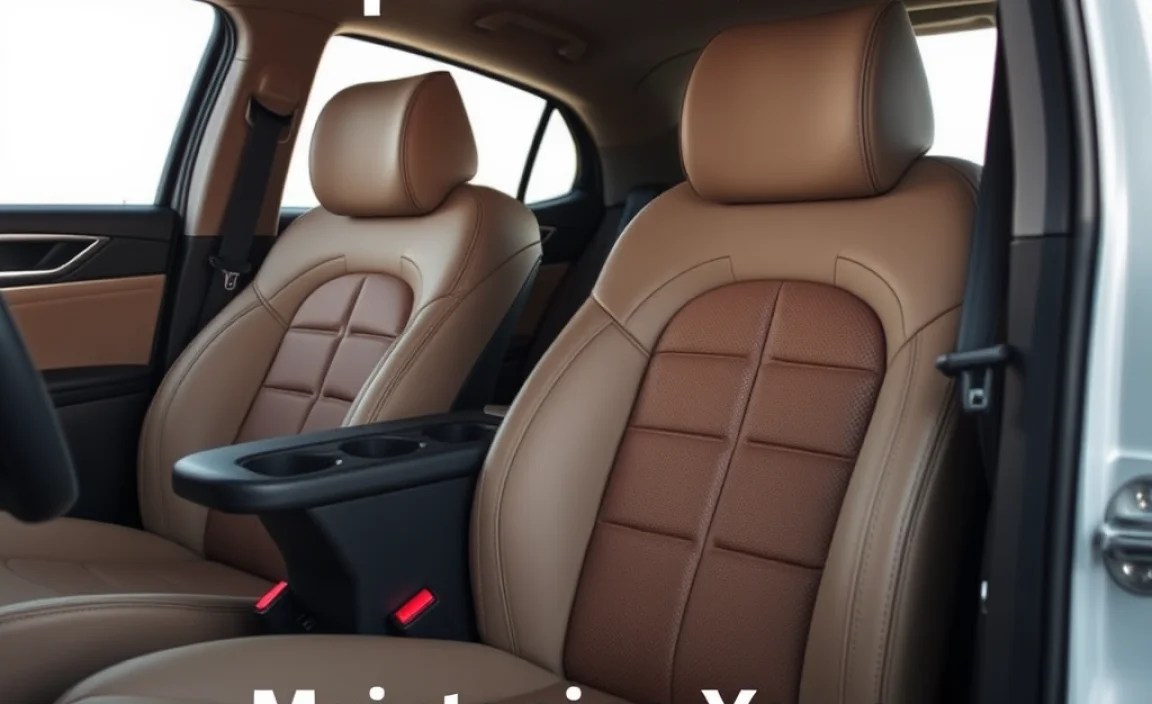
Proper care is crucial for both leather and fabric to ensure they look and feel their best throughout your ownership.
Leather Seat Care
Regularity is key for leather. A simple wipe-down after each use can prevent dirt from setting in.
1. Regular Cleaning: Use a dedicated, pH-neutral leather cleaner every few weeks or as needed. Apply the cleaner to a microfiber cloth and gently wipe the seats.
2. Conditioning: Apply a high-quality leather conditioner every 3-6 months. This replenishes natural oils, preventing the leather from drying out, cracking, and becoming brittle.
3. Protect from Sun: Use a good quality interior protectant with UV blockers to minimize fading and prevent sun damage. Park in shaded areas when possible.
4. Address Spills Immediately: Wipe up any spills as soon as they happen with a clean, damp cloth. For stubborn stains, use a specialized leather stain remover, but test it in an inconspicuous area first.
For more detailed information on automotive leather care, reputable resources like Auto Detailing Supplies’ guide on cleaning leather car seats can offer further insights and product recommendations.
Fabric Seat Care
Fabric requires a different approach to keep it looking fresh and free from stains.
1. Regular Vacuuming: Use a vacuum cleaner with an upholstery attachment to remove dust, crumbs, and debris regularly. This prevents dirt from becoming embedded in the fibers.
2. Spot Cleaning: For minor spills, blot the affected area immediately with a clean, dry cloth. Work from the outside of the stain inward to prevent spreading. Use a mild fabric cleaner or a 50/50 solution of water and white vinegar for tougher spots. Always test in a hidden area first.
3. Deep Cleaning: Periodically, or for more ingrained stains, consider a fabric upholstery cleaner or steam cleaner designed for automotive interiors. Follow product instructions carefully.
4. Odor Control: Use car-specific air fresheners or odor absorbers. Baking soda sprinkled on seats overnight and then vacuumed can also help neutralize odors.
5. Protectant Sprays: Consider applying an automotive fabric protectant spray. These can help repel liquids and make future cleaning easier. Ensure the product is safe for automotive upholstery.
Resources from organizations like the U.S. Environmental Protection Agency highlight the importance of understanding material compositions and potential off-gassing in vehicle interiors, which can inform choices for those concerned about indoor air quality.
CLE Class Leather vs. Fabric Seats: A Direct Comparison

To help visualize the differences, let’s summarize the key aspects in a table:
| Feature | Leather Seats | Fabric Seats |
|---|---|---|
| Feel & Appearance | Luxurious, smooth, premium | Comfortable, textured, practical |
| Durability | High; resists tears, long-lasting with care | Good; can show wear like pilling, fading |
| Ease of Cleaning | Easier to wipe spills, less staining | Harder to remove deep stains, absorbs spills |
| Temperature Comfort | Can be hot/cold; requires climate control | More breathable, generally more comfortable |
| Grip | Can be slippery | Better grip; more secure feel |
| Cost | Higher initial cost (option) | Often standard or more affordable |
| Allergens & Odors | Less likely to trap | Can trap odors and allergens |
| Maintenance | Requires regular cleaning & conditioning | Requires regular vacuuming & spot treating |
| Resale Value | Can enhance | Less of a premium factor |


