
Child Safety Car Tech: Ultimate Protection
Child safety car tech is all about advanced features designed to protect your little ones on the road. From intuitive seatbelt reminders and advanced airbag systems to intelligent child lock functions and integrated ISOFIX, modern vehicles offer comprehensive protection. Understanding these technologies ensures your most precious cargo travels safely and comfortably, providing peace of mind on every journey.
As parents, our children’s safety is paramount, especially when they’re in the car with us. We all strive to make sure they are buckled up correctly and everything is as secure as possible. However, modern vehicles are packed with sophisticated technology specifically designed to enhance child safety, often in ways we might not even realize. From simple reminders to complex automated systems, understanding these features is key to maximizing your vehicle’s protective capabilities.
This guide will demystify the world of child safety car tech. We’ll break down what these systems are, how they work, and why they are so important. You’ll learn about the innovations that are setting new standards in protecting your little ones, ensuring you can drive with confidence, knowing you’re utilizing the very best that automotive engineering has to offer for your most precious passengers.
Understanding the Importance of Child Safety Car Tech

The statistics around child road safety are stark. According to the National Highway Traffic Safety Administration (NHTSA), car seats, booster seats, and seat belts dramatically reduce the risk of death and serious injury in a crash. However, technology is constantly evolving to further enhance these protections. Modern car safety tech goes beyond just passive restraints; it actively works to prevent accidents, mitigate their severity, and ensure correct usage of safety equipment.
Investing in a vehicle equipped with advanced child safety features isn’t just about ticking boxes; it’s about leveraging innovation to create a safer environment for your children. These technologies are designed to address common errors, provide timely warnings, and offer superior protection in the unfortunate event of a collision. As parents, understanding and properly utilizing these systems is a crucial part of responsible car ownership.
Key Child Safety Car Technologies Explained
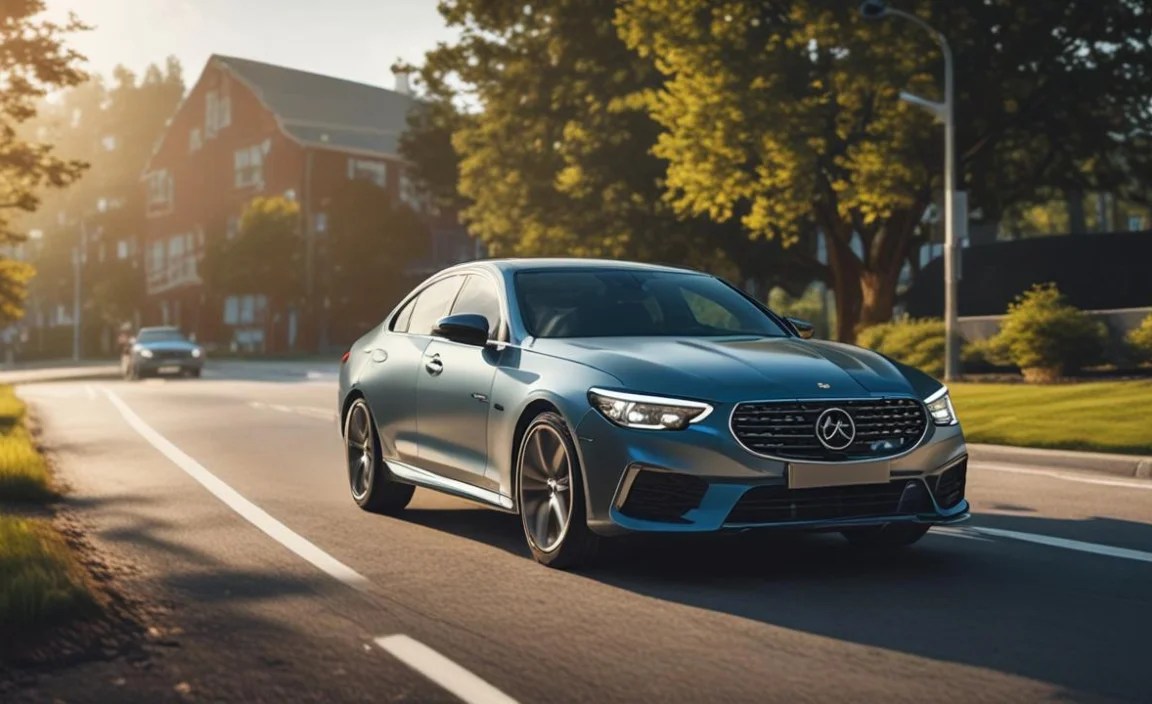
Automotive manufacturers are continually innovating to create safer vehicles for everyone, and children are a major focus. Here are some of the most prevalent and impactful child safety car technologies you’ll find:
1. ISOFIX (International Organization for Standardization Fixation) and LATCH (Lower Anchors and Tethers for Children)
These systems are essentially the same concept, standardized globally. ISOFIX is the European standard, while LATCH is the North American equivalent. They are designed to make installing child safety seats easier and more secure by providing built-in, easily accessible anchor points in the vehicle’s backseat. Instead of relying solely on seat belts, child seats attach directly to these anchors.
- How it works: Dedicated metal bars are built into the car seat’s frame, which click securely into corresponding anchors located between the vehicle seat back and base. A top tether strap also attaches to a dedicated anchor point behind the seat.
- Benefits: Reduces installation errors, provides a more rigid connection between the child seat and the vehicle than seat belts alone can, and often simplifies the installation process.
- What to look for: Most modern vehicles have at least two rear seating positions equipped with ISOFIX/LATCH anchors. Check your car’s manual for their exact locations and any weight or size limitations for their use.
2. Advanced Airbag Systems
Airbags are a cornerstone of vehicle safety, but for children, their deployment can sometimes pose a risk if not managed correctly. Modern vehicles feature advanced airbag systems that are highly intelligent.
- How it works: These systems use sensors to detect the size and position of occupants. They can automatically deactivate the front passenger airbag if a child seat is detected in the front seat, or if an occupant is too small to safely benefit from an airbag. Some systems also have multi-stage inflation, meaning the airbag deploys with less force for smaller occupants or in less severe crashes.
- Benefits: Prevents serious injury or death from an airbag’s powerful deployment force when a child is in the front seat or is too small for it.
- Crucial Rule: The safest place for children is always the rear seat.
3. Seat Belt Reminders
An often-underestimated safety feature, seat belt reminders are vital for ensuring all passengers, especially children who may forget or try to undo their belts, remain secured.
- How it works: Sensors in the seat belt buckle detect when a belt is not fastened. A visual alert on the dashboard and an audible chime will typically activate, reminding the driver and passengers to buckle up. Some advanced systems extend this to rear seats.
- Benefits: Encourages consistent seat belt use, which is critical for occupant protection in any type of collision.
- Tip: Even if your car doesn’t have a specific child seat reminder, ensure your child is securely buckled in their car seat and that the seat itself is properly installed.
4. Electronic Stability Control (ESC)
While not exclusively for child safety, ESC plays a significant role in accident prevention, which inherently protects children.
- How it works: ESC systems monitor steering input and compare it to the vehicle’s actual direction of travel. If a difference is detected (indicating a skid), the system automatically applies braking to individual wheels and may reduce engine power to help the driver regain control.
- Benefits: Significantly reduces the risk of rollovers and loss of control, especially in emergency maneuvers or slippery conditions, thus preventing potential crashes that could endanger children.
- Learn More: The NHTSA provides extensive information on the safety benefits of ESC.
5. Rear Seat Reminder Systems
Tragically, some children have been left accidentally in vehicles, leading to heatstroke. Rear seat reminder systems are designed to prevent this by alerting the driver that someone may be in the back seat.
- How it works: These systems typically activate when a rear door is opened and closed before driving. After the trip, if the system detects that the rear doors were opened, it will remind the driver to check the back seat via a notification on the dashboard or instrument cluster after the engine is turned off.
- Benefits: Acts as a crucial safeguard against accidental abandonment of children in vehicles, a leading cause of preventable deaths in hot weather.
- Usage: While helpful, these systems should not replace vigilant parental awareness.
6. Integrated Child Locks
These are a classic but essential safety feature for preventing children from accidentally opening car doors or windows while the vehicle is in motion.
- How it works: Found on rear doors and windows, these locks are usually small switches that can be manually engaged (often requiring a key or a thin object to flip). Once engaged, the rear doors can only be opened from the outside, and the rear power windows cannot be operated from the inside.
- Benefits: Prevents children from opening doors or playing with window controls, which could lead to dangerous situations.
- Location: Typically on the edge of the rear doors or within the door frame. Consult your car’s manual for specifics.
7. Intelligent Child Seat Recognition/Sensors
Some higher-end vehicles are beginning to incorporate sophisticated sensors that can recognize the presence and type of child restraint system installed.
- How it works: These sensors can detect if a car seat is correctly latched, or even if a child is present in the seat. They can integrate with the vehicle’s airbag system to optimize deployment or provide specific warnings. Some systems might also alert the driver if a child is detected as still being in the seat after the engine is turned off (linking with Rear Seat Reminder).
- Benefits: Offers a higher level of assurance regarding correct installation and occupant safety, potentially adjusting vehicle safety systems for improved protection.
- Note: This technology is less common and often found in newer, premium models.
Comparing Child Safety Features Across Vehicle Types

Not all vehicles are created equal when it comes to child safety features. While core safety systems like airbags and ESC are standard on most new cars, the integration and sophistication of specific child-focused technologies can vary significantly.
Sedans vs. SUVs vs. Minivans
Generally, vehicles designed for families tend to offer a more comprehensive suite of child safety technologies.
- Sedans: Will typically have standard ISOFIX/LATCH points, advanced airbags, ESC, seat belt reminders, and integrated child locks. Rear seat reminder systems are becoming more common.
- SUVs: Similar to sedans, but often offer more ISOFIX/LATCH points, especially in three-row configurations. The higher seating position can also provide a better view of rear passengers.
- Minivans: Are typically the gold standard for child safety tech. They often feature multiple ISOFIX/LATCH anchors across several rows, advanced rear-seat monitoring systems (cameras and alerts), and often more robust child lock setups.
Luxury vs. Standard Vehicles
Luxury brands, like Mercedes-Benz, often lead the way in integrating cutting-edge safety innovations.
- Luxury Vehicles (e.g., Mercedes-Benz): You can expect advanced features such as intelligent child seat recognition, sophisticated multi-stage airbags, enhanced rear seat reminder systems (sometimes with audible alerts before exiting the vehicle), and integrated camera systems that can help with rear seat monitoring. Features like PRE-SAFE® can also help prepare occupants during an impending collision, indirectly benefiting children.
- Standard Vehicles: Will possess the legally mandated and highly effective safety features, such as ISOFIX/LATCH, strong airbag systems, ESC, and basic seat belt reminders. The level of refinement and additional assistive technologies may be less.
| Feature | Common in Sedans/SUVs | Common in Minivans/Luxury | Key Benefit for Children |
|---|---|---|---|
| ISOFIX/LATCH Anchors | Yes (often 2 rear seats) | Yes (multiple rows, more convenient) | Secure, easier child seat installation |
| Advanced Airbags | Yes (Occupant detection) | Yes (Multi-stage, adaptive) | Tailored protection, avoids airbag injury |
| Seat Belt Reminders | Yes (Front seats standard, rear can vary) | Yes (Often all seats) | Ensures consistent restraint use |
| Rear Seat Reminder | Increasingly common | Very common (sometimes with cameras) | Prevents accidental child abandonment |
| Integrated Child Locks | Yes | Yes (often more robust) | Prevents unintended door/window opening |
Ensuring Correct Installation and Usage

Even the most advanced child safety technology is only effective if it’s used correctly. For child restraint systems, proper installation is paramount.
The Golden Rule: Rear Seat First
This cannot be stressed enough. The rear seat is unequivocally the safest place for children under the age of 13. Airbags in the front can deploy with enough force to seriously injure or kill a child.
ISOFIX/LATCH Installation Steps
- Locate Anchors: Find the LATCH/ISOFIX anchor points in your vehicle (check your car’s manual).
- Attach Seat: Connect the child seat’s LATCH/ISOFIX connectors to the vehicle anchors. If using a top tether, attach it to the designated anchor point.
- Tighten Straps: Ensure all straps are taut. You should not be able to move the child seat more than an inch in any direction (side-to-side or front-to-back) at the belt path.
- Check Manuals: Always refer to both your vehicle’s owner manual and the child seat manufacturer’s instructions for specific installation guidelines.
Children and Seat Belts
When children outgrow their car seats or booster seats (typically around age 8 or when they reach a certain height/weight), they will transition to using the vehicle’s seat belt. It’s crucial to ensure the seat belt fits them correctly:
- The shoulder belt should lie across the center of the chest and shoulder, not on the neck or slipping off the shoulder.
- The lap belt should lie flat and low across the upper thighs (not the stomach).
- The child should be able to sit with their back against the seat, knees bent comfortably at the edge of the seat, without slouching.
If the seat belt doesn’t fit properly, a booster seat should continue to be used until the belt fits correctly. Resources from organizations like Safe Kids Worldwide offer excellent guidance on proper car seat and seat belt use.
Advanced Driver-Assistance Systems (ADAS) and Child Safety

Many modern vehicles, especially luxury models, come equipped with Advanced Driver-Assistance Systems (ADAS). While these systems are primarily for driver convenience and accident prevention, they contribute significantly to the overall safety of all occupants, including children.
How ADAS Helps:
- Forward Collision Warning (FCW) & Automatic Emergency Braking (AEB): These systems can detect potential collisions with vehicles, pedestrians, or cyclists ahead and alert the driver. If the driver doesn’t react, AEB can automatically apply the brakes, potentially avoiding or mitigating a crash. This is critical for preventing impacts that could harm children.
- Lane Keeping Assist (LKA) & Lane Departure Warning (LDW): LDW alerts the driver if the vehicle begins to drift out of its lane without signaling, while LKA can provide steering assistance to keep the vehicle centered. This helps prevent dangerous swerving maneuvers.
- Blind Spot Monitoring (BSM): Alerts the driver to vehicles in their blind spots, preventing accidents during lane changes.
- Adaptive Cruise Control (ACC): Maintains a set speed and distance from the vehicle ahead, reducing driver fatigue and helping to avoid sudden braking or acceleration in traffic.
These systems act as an extra layer of vigilance, reducing the likelihood of accidents that could endanger children. However, it’s vital to remember that ADAS are assistance systems, not autonomous driving. The driver must remain attentive and in control at all times.
Mercedes-Benz Innovations in Child Safety
Mercedes-Benz has a long-standing commitment to safety, often pioneering technologies that later become industry standards. For child safety, their approach is comprehensive, focusing on intelligent protection and ease of use.
Key Mercedes-Benz Child Safety Technologies:
- ISOFIX/LATCH System: Mercedes-Benz vehicles are equipped with the standard ISOFIX/LATCH system, ensuring secure installation of child seats.
- ADAPTIVE BRAKE with HOLD function: While not specific to child safety, this system enhances braking performance and stability, contributing to overall safety.
- PRE-SAFE® System:


