
Mercedes-Benz Climate Control Technology: Ultimate Comfort
Quick Summary
Mercedes-Benz climate control technology ensures ultimate comfort with intelligent systems that precisely manage cabin temperature, humidity, and air quality. These advanced features go beyond simple A/C, offering personalized settings and air purification for a consistently refreshing driving experience, making every journey a pleasure.
Bryan Bowman here, your guide to all things Mercedes-Benz. One of the most overlooked yet incredibly impactful aspects of your Mercedes-Benz is its climate control system. Ever stepped into a car on a sweltering day or a freezing morning and wished it felt just right? Many luxury vehicles promise comfort, but Mercedes-Benz has consistently pushed the boundaries with its climate control technology, aiming for that perfect, seemingly effortless cabin environment. It’s not just about blasting cold air or pumping hot air; it’s a sophisticated symphony of engineering designed to cater to your every comfort need. If you’ve ever been frustrated by uneven temperatures or less-than-fresh air, you’re in the right place. We’re going to demystify this amazing technology, showing you how it works and how you can get the most out of it.
Understanding Mercedes-Benz Climate Control: More Than Just AC

Your Mercedes-Benz climate control system is an intricate network working tirelessly behind the scenes. Unlike basic air conditioning systems found in many cars, Mercedes-Benz technology integrates multiple components to create an environment that’s not only comfortable but also healthy. Think of it as your personal, mobile oasis.
The primary goal is to maintain your desired temperature, but it goes much further. It actively manages humidity levels, prevents the windows from fogging up, and can even filter out allergens and unpleasant odors. This sophisticated approach ensures that whether you’re driving through a desert heatwave or a snowy blizzard, your cabin remains a sanctuary of perfect air.
The Core Components of Your Climate Control System

To truly appreciate the “ultimate comfort” Mercedes-Benz promises, let’s break down the key players in its climate control ecosystem:
- Automatic Climate Control (THERMATIC / THERMOTRONIC): This is the brain of the operation. You set your desired temperature, and the system automatically adjusts the fan speed, air intake, and even which vents to direct air through to achieve and maintain that temperature.
- Air Conditioning (A/C) Compressor: The heart of the cooling process, it compresses refrigerant, enabling it to absorb heat from the cabin air and expel it outside.
- Heating System: Utilizes the engine’s coolant to generate warm air, which is then circulated into the cabin.
- Blower Motor: The fan that pushes air through the vents.
- Air Filters: These are crucial for cabin air quality. They trap dust, pollen, soot, and other airborne particles. High-end systems often feature activated charcoal filters to neutralize odors and gases.
- Temperature Sensors: Strategically placed throughout the cabin and even outside the vehicle, these sensors feed data to the control unit, ensuring accuracy.
- Blend Doors: These are electronically controlled flaps that mix hot and cold air or direct airflow to specific zones.
- Refrigerant: The working fluid that facilitates the cooling cycle.
Decoding the Different Mercedes-Benz Climate Control Systems

Mercedes-Benz offers various iterations of its climate control technology, often differentiated by names like THERMATIC and THERMOTRONIC. While the basic principle remains the same, the level of sophistication and control increases with the higher-tier systems.
THERMATIC: The Automatic Standard

The THERMATIC system is Mercedes-Benz’s standard automatic climate control. It’s a significant step up from manual systems, offering:
- Automatic Temperature Regulation: Set your desired temperature (e.g., 72°F or 22°C), and it automatically maintains it.
- Multiple Air Vents: Distributes air effectively to all occupants.
- Recirculation Mode: Helps quickly cool or heat the cabin and prevent outside odors from entering.
- Cabin Air Filter: Standard filtration to improve air quality.
This system is designed for drivers who want a set-it-and-forget-it experience, trusting the car to manage the environment efficiently. It’s common in many of the brand’s core models.
THERMOTRONIC: The Advanced Multi-Zone System

THERMOTRONIC represents the pinnacle of Mercedes-Benz climate control. It builds upon THERMATIC with enhanced features and greater precision, typically offering:
- Multi-Zone Control: Allows drivers and front passengers (and sometimes rear occupants) to set independent temperatures. This is a game-changer for couples or families with differing comfort preferences.
- Advanced Air Quality Sensors: These sensors can detect pollutants and automatically switch to recirculation mode to keep them out. Some systems even feature ionizers or advanced filtration for superior air purity.
- Residual Heat Utilization (when applicable): In some models, THERMOTRONIC can utilize residual heat from the engine after it’s been turned off to provide a brief period of warmth in the cabin, enhancing comfort during a short stop.
- Humidity Sensors: Actively manage humidity levels to prevent discomfort and window fogging.
- More sophisticated air distribution patterns: Fine-tuned airflow to ensure consistent comfort across all zones.
You’ll often find THERMOTRONIC in higher trim levels and more premium Mercedes-Benz models, offering a truly personalized climate experience.
Key Features for Ultimate Comfort

Beyond the basic temperature control, Mercedes-Benz integrates several innovative features to elevate your comfort:
Cabin Air Filtration: Breathing Easier

The quality of the air you breathe inside your car is paramount. Mercedes-Benz utilizes advanced cabin air filters that go beyond simple dust removal. These filters often incorporate:
- Particle Filters: Trap microscopic particles like dust, pollen, mold spores, and even soot. This is particularly beneficial for allergy sufferers.
- Activated Charcoal Filters: These are designed to absorb unpleasant odors and harmful gases, such as exhaust fumes.
- Ionization Systems (in some models): These systems actively neutralize airborne particles and can create a fresher, cleaner-feeling cabin.
Regular replacement of these filters is essential for maintaining optimal air quality. For more information on recommended maintenance schedules, you can consult the official Mercedes-Benz maintenance guide or a certified service center.
Humidity Control and Defogging

Fogged-up windows are more than just an annoyance; they’re a safety hazard. Mercedes-Benz climate control systems are designed to combat this:
- Automatic Defrost: Sensors detect moisture on the windshield and automatically activate the defroster.
- Humidity Sensors: In THERMOTRONIC systems, sensors monitor the moisture content in the air, adjusting A/C operation to dehumidify the incoming air and prevent fogging on all windows.
- Efficient Airflow Distribution: The system intelligently directs air to the windshield and side windows to keep them clear in varying conditions.
Seat Heating and Ventilation
While not strictly part of the air circulation system, climate control integration extends to seat comfort. Many Mercedes-Benz models offer:
- Multi-Stage Seat Heating: Provides rapid and adjustable warmth for front and sometimes rear seats.
- Multi-Stage Seat Ventilation: Uses small fans embedded in the seat cushions and backrests to pull air through perforations, providing a cooling effect during hot weather. This is a luxurious feature that significantly enhances comfort on long drives.
AIR-BALANCE Package: The Scent of Luxury

Taking cabin ambiance to another level, the optional AIR-BALANCE package, available on select models, allows you to personalize the scent of your interior. This system:
- Atomizes a fine mist of high-quality perfume: Available in various subtle fragrances.
- Ionizes the air: Helps to cleanse it.
- Filters the air: Releasing fresh, lightly scented air into the cabin.
This feature adds a unique layer of sensory luxury, making your Mercedes-Benz experience truly bespoke.
How to Operate Your Mercedes-Benz Climate Control System for Maximum Comfort

Understanding the controls is the first step to enjoying the full benefit of your Mercedes-Benz climate control. While button layouts can vary slightly between models and model years, the core functions are similar.
Using the Climate Control Panel

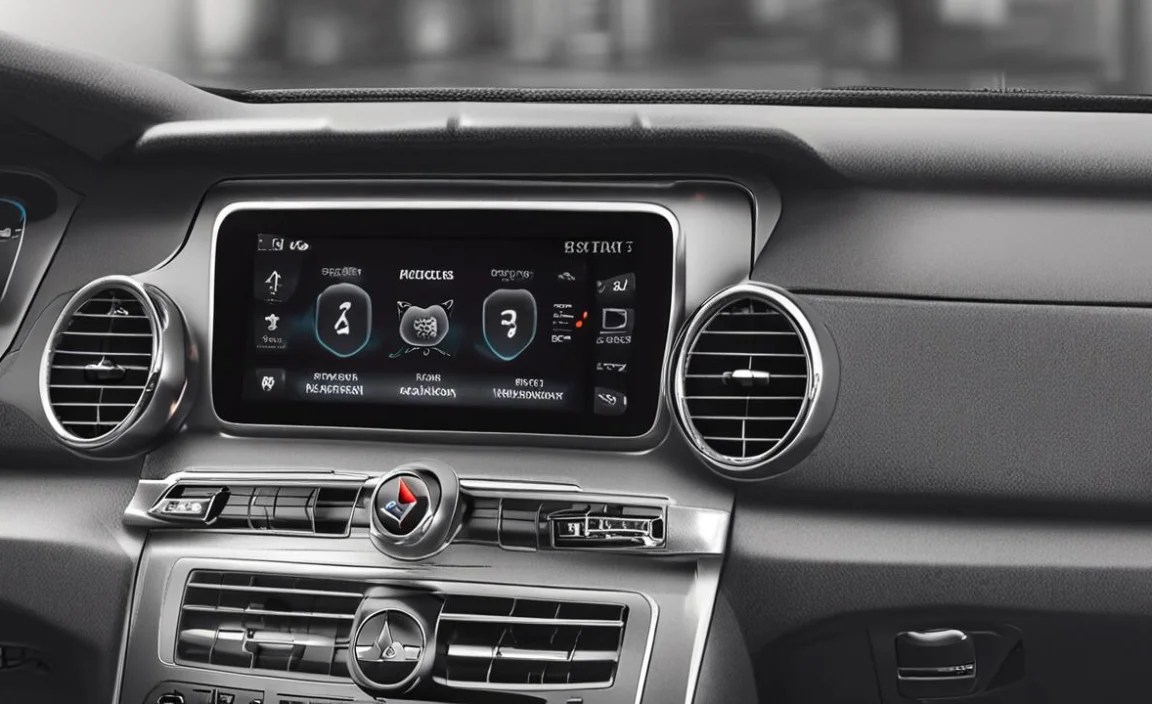
Look for a dedicated climate control panel on your dashboard, often located below the central infotainment screen. Here’s a general guide:
Key Controls You’ll Find:
- Temperature Up/Down Buttons: To set your desired temperature.
- Fan Speed Control: To manually adjust fan strength or switch to automatic.
- Auto Mode Button: Select this for the system to manage everything automatically.
- Recirculation Button: Toggles between drawing fresh outside air or recirculating cabin air.
- Airflow Distribution Buttons: Icons showing air blowing to the face, feet, windshield, or a combination.
- A/C Button: To turn the air conditioning on or off.
- Defrost Buttons: For front (windshield) and rear windows.
- SYNC Button (if applicable): In multi-zone systems, this synchronizes all zones to the driver’s settings.
- Seat Heating/Ventilation Controls: Often integrated into the climate panel or nearby.
Starting Your Journey: A Recommended Approach
- Initial Cool-Down/Warm-Up: When you first get into a very hot or cold car, it’s often best to initially set the temperature to the coolest (for hot weather) or warmest (for cold weather) setting and maximum fan speed.
- Activate A/C (for cooling): Ensure the ‘A/C’ button is illuminated if you want cooling.
- Select Recirculation: Briefly press the recirculation button to quickly bring the cabin to temperature without drawing in hot or cold outside air.
- Return to Fresh Air: After a few minutes, switch back to fresh air mode (usually indicated by arrows pointing outwards) for sustained comfort and air quality.
- Engage AUTO Mode: Once the cabin is approaching your desired temperature, switching to ‘AUTO’ mode is recommended. The system will then intelligently manage fan speed and airflow to maintain your set temperature efficiently.
- Individual Zone Settings (THERMOTRONIC): If you have a multi-zone system, fine-tune your personal temperature settings and direct airflow as needed.
Using the MBUX (Mercedes-Benz User Experience) System

Modern Mercedes-Benz vehicles integrate climate controls into the MBUX infotainment system. You can typically access these settings via:
- Dedicated Climate Menu: Look for a climate icon on the main MBUX screen.
- Touchscreen Controls: Adjust temperature, fan speed, airflow direction, and more directly on the screen.
- Voice Commands: This is where MBUX truly shines. You can simply say commands like:
- “Hey Mercedes, it’s too cold.”
- “Hey Mercedes, set the temperature to 70 degrees.”
- “Hey Mercedes, turn on the seat ventilation.”
- “Hey Mercedes, I’m feeling stuffy.” (This might trigger A/C or fresh air intake adjustments.)
Using voice commands can be safer and more convenient, allowing you to keep your hands on the wheel and your eyes on the road. For a comprehensive list of voice commands, refer to your vehicle’s owner manual or the MBUX tutorial.
Troubleshooting Common Climate Control Issues

While Mercedes-Benz systems are robust, occasional issues can arise. Here are a few common problems and their potential solutions:
| Symptom | Possible Cause | Beginner Solution / What to Check |
|---|---|---|
| Weak Airflow from Vents | Clogged cabin air filter; Blower motor issue; Blocked vents (e.g., by floor mats). |
Check and replace the cabin air filter. Ensure vents are not physically obstructed. Consult your manual for the cabin air filter replacement procedure. (See Mercedes-Benz on Cabin Air Filters for context). |
| Poor Cooling Performance | Low refrigerant levels; Leaky A/C system; Clogged condenser; Faulty A/C compressor. |
Ensure the A/C button is engaged. Check for obvious obstructions on the front condenser grille. Refrigerant issues typically require professional diagnosis and service. |
| Only Hot Air or Poor Heating | Low coolant level; Faulty thermostat; Heater core issue; Blend door actuator failure. |
Check your engine coolant level (when the engine is cool). Ensure the temperature is set high. These issues usually require a qualified technician. |
| Unpleasant Odors from Vents | Dirty cabin air filter; Mold or mildew in the evaporator core; Recirculation mode used too long. |
Replace the cabin air filter. Try running the fan on high (fresh air mode) for 10-15 minutes after driving to help dry the system. Sometimes an A/C disinfectant service can help. |
| No Airflow at All | Blown fuse for the blower motor; Faulty blower motor resistor or blower motor; Electrical issue. |
Check your vehicle’s fuse box (consult owner’s manual for location and diagram) for the HVAC/blower motor fuse. Replace if blown. If the fuse is intact, the blower motor or its resistor may be faulty, requiring professional attention. |
| Noise from the System | Debris in the blower motor fan; Worn blower motor bearings; Issues with the blend door actuators. |
Try running through different fan speeds and airflow modes to see if the noise changes. Persistent or loud noises often indicate a component requiring inspection by a mechanic. |
When to Seek Professional Help: For most issues involving refrigerant, complex electrical faults, or internal component failures (like the blower motor or heater core), it’s best to consult a certified Mercedes-Benz technician. They have the specialized diagnostic tools and knowledge to address these problems safely and effectively. You can find recommended tools and guides for general car maintenance at sites like Consumer Reports Car Maintenance, though specific Mercedes-Benz repairs often need dealer-level expertise.
Maintaining Your Climate Control System

Proactive maintenance is key to ensuring your Mercedes-Benz climate control system delivers ultimate comfort for years to come. The most crucial and accessible maintenance task for owners is filter replacement.
Cabin Air Filter Replacement

Your cabin air filters are the unsung heroes of your interior air quality. They trap particles that would otherwise end up in your lungs and recirculate through your cabin.
- Frequency: Mercedes-Benz generally recommends replacing cabin air filters every 15,000 to 25,000 miles, or at least once a year. However, this can vary based on your driving environment (e.g., dusty roads, heavy traffic). If you notice reduced airflow, musty smells, or increased dust in the cabin, it’s time for a change.
- DIY vs. Professional: Replacing cabin air filters is often a straightforward DIY task in many Mercedes-Benz models. They are typically located behind the glove compartment or under the dashboard. Refer to your owner’s manual or search online for a model-specific guide. Many resources are available, such as videos on platforms like YouTube that demonstrate the process. For example, searching for “Mercedes-Benz [Your Model Year] cabin air filter replacement” will yield helpful visual guides.
- Benefits: Regularly replacing filters ensures optimal airflow, cleaner air, and reduces the strain on your HVAC system.
System Checks

While not a DIY task for most, it’s wise to:
- Listen for unusual noises during operation.
- Observe for consistent temperature across all vents.
- Ensure clear visibility with no persistent window fogging.
- Have the system inspected during your regular scheduled maintenance at a dealership or trusted independent mechanic. They can check refrigerant levels and look for leaks.


