
Mercedes Vito Fleet Management: Effortless Power
Quick Summary:
Mercedes Vito fleet management simplifies operations, boosting efficiency and reducing costs. With smart technology and robust design, staying on top of your fleet is easier than ever, ensuring every journey is productive.
Managing a fleet of Mercedes-Benz Vito vans might seem like a complex task, but with the right approach, it can become surprisingly effortless. The Vito is renowned for its strength, reliability, and versatility, making it a top choice for businesses of all sizes. However, even the best vehicles require careful oversight when operating as a group. This guide is designed to demystify Mercedes Vito fleet management, breaking down the essentials so you can maximize your investment and keep your operations running smoothly.
We’ll explore how to leverage the Vito’s inherent capabilities with smart management strategies, ensuring your fleet not only performs at its peak but also contributes positively to your bottom line. From tracking and maintenance to driver behavior and cost optimization, we’ve got you covered. Get ready to transform your fleet management from a chore into a powerful asset.
Understanding the Power of the Mercedes-Benz Vito for Fleets

The Mercedes-Benz Vito isn’t just a van; it’s a sophisticated business tool. Its engineering excellence translates directly into tangible benefits for fleet operators. When you choose the Vito, you’re investing in German precision, durability, and a driving experience that keeps your team happy and productive. Whether it’s for last-mile delivery, passenger transport, or specialized services, the Vito offers configurations and capabilities suited to a vast array of commercial needs.
Its core strengths lie in its robust build quality, efficient powertrains, and advanced safety features. These aren’t just marketing points; they are fundamental aspects that contribute to lower running costs, reduced downtime, and enhanced driver well-being – all critical factors in effective fleet management. Understanding these inherent advantages is the first step to unlocking truly effortless fleet operations.
Key Strengths of the Mercedes-Benz Vito for Fleet Operations:
- Versatility: Available in various body styles, lengths, and with different drivetrains (front-wheel, rear-wheel, and all-wheel drive), catering to diverse business requirements.
- Durability and Reliability: Built to Mercedes-Benz’s stringent standards, ensuring long service life and minimal unexpected breakdowns.
- Efficiency: Modern engines offer a balance of performance and fuel economy, reducing operational expenditure.
- Safety: A comprehensive suite of standard and optional safety systems helps protect drivers and cargo, potentially lowering insurance premiums.
- Driver Comfort: A well-designed cabin reduces fatigue on long drives, contributing to driver satisfaction and performance.
- Technology Integration: Many models come equipped with features that can be integrated with fleet management software.
Effortless Fleet Management Strategies for Your Mercedes-Benz Vito Fleet

Effective fleet management is about more than just buying the right vans. It’s about implementing systems and strategies that ensure your Mercedes-Benz Vito fleet operates at its optimum efficiency. This involves a holistic approach, considering everything from vehicle acquisition and maintenance to driver performance and cost control. The goal is to create a seamless operation where each Vito contributes maximum value with minimum hassle.
1. Proactive Vehicle Maintenance: The Cornerstone of Fleet Reliability
One of the most significant aspects of fleet management is ensuring your vehicles are always in top condition. For Mercedes-Benz Vito vans, adhering to a strict maintenance schedule is paramount. Proactive maintenance prevents costly breakdowns, extends the lifespan of your vehicles, and ensures your drivers are operating safe, reliable machinery. This also helps maintain the prestigious image associated with the Mercedes-Benz brand.
Why Proactive Maintenance Matters for Your Vito Fleet:
- Minimizes Downtime: Unplanned repairs can halt operations. Regular servicing identifies potential issues before they become major problems.
- Reduces Repair Costs: Small, timely fixes are almost always cheaper than major overhauls resulting from neglect.
- Maximizes Vehicle Lifespan: Proper care ensures your Mercedes-Benz Vitos serve your business for their full potential duration.
- Enhances Safety: Regularly checked brakes, tires, and safety systems are crucial for protecting your drivers and cargo.
- Optimizes Fuel Efficiency: Well-maintained engines and systems perform more efficiently, saving fuel.
Mercedes-Benz vehicles are known for their longevity, but they still require dedicated attention. This includes routine oil changes, filter replacements, brake checks, tire rotations, and timely servicing as indicated by the vehicle’s onboard service computer (ASSYST). For commercial vehicles like the Vito, understanding the service intervals is key. Consult your owner’s manual or a certified Mercedes-Benz service center for the precise maintenance schedule based on your specific model and usage. Many fleet management solutions can integrate with your vehicles to remind you of upcoming service needs.
2. Leveraging Technology for Enhanced Visibility and Control
In today’s world, technology is not just a luxury; it’s a necessity for efficient fleet management. Modern telematics systems and fleet management software can transform how you monitor and control your Mercedes-Benz Vito fleet, offering unprecedented insights and automation.
Telematics and Fleet Management Software: Key Features
- Real-time GPS Tracking: Know where every Vito is at all times. This aids in dispatch, route optimization, and security.
- Vehicle Diagnostics: Many telematics systems can pull diagnostic trouble codes (DTCs) directly from the Vito’s onboard systems, alerting you to potential issues.
- Driver Behavior Monitoring: Track speeding, harsh braking, and acceleration. This data is invaluable for improving safety and fuel efficiency.
- Route Optimization: Plan the most efficient routes, reducing mileage, fuel consumption, and delivery times.
- Automated Reporting: Generate reports on mileage, fuel usage, driver performance, and maintenance needs, saving administrative time.
- Geofencing: Set virtual perimeters and receive alerts when vehicles enter or leave designated areas, enhancing security and operational oversight.
Integrating these technologies with your Vito fleet allows you to make data-driven decisions. For example, if you notice a pattern of harsh braking in a particular Vito, you can address it with driver training or investigate if there are specific routes or traffic conditions contributing to the problem. For a comprehensive overview of fleet management technologies, resources like the U.S. Department of Transportation’s insights on emissions and efficiency can provide context for how technology aids these goals.
3. Optimizing Fuel Consumption and Cost Efficiency
Fuel is often the largest variable operating cost for a fleet. Implementing strategies to monitor and reduce fuel consumption directly impacts your bottom line. The Mercedes-Benz Vito is designed with fuel efficiency in mind, but effective fleet management can enhance these savings even further.
Strategies for Fuel Cost Reduction:
- Driver Training: Educate drivers on fuel-efficient driving techniques, such as smooth acceleration and braking, maintaining steady speeds, and minimizing idling.
- Route Planning: Utilize route optimization software to minimize unnecessary mileage.
- Vehicle Maintenance: As mentioned, regular maintenance ensures engines are running at peak efficiency.
- Tire Pressure: Ensure tires are properly inflated. Underinflated tires can significantly increase fuel consumption. This is a simple check that can be part of daily walkarounds.
- Load Management: Avoid carrying unnecessary weight, as this increases fuel usage.
- Idling Reduction: Implement policies to minimize engine idling times.
Telematics data can be particularly powerful here. By monitoring fuel levels and consumption patterns, you can quickly identify vehicles or drivers who may be using excessive fuel. This could be due to driving habits, mechanical issues, or even fuel theft, which modern systems can help detect.
4. Driver Management and Performance: The Human Element
Your drivers are the frontline of your fleet operations. Their performance, safety, and efficiency directly reflect on your business. Effective driver management in a Mercedes-Benz Vito fleet focuses on support, training, and performance monitoring.
Key Pillars of Driver Management:
- Hiring and Onboarding: Ensure you recruit skilled and responsible drivers. A thorough onboarding process should cover company policies, safety protocols, and the specific features of the Mercedes-Benz Vito they will be driving.
- Training and Development: Provide ongoing training on safe driving practices, fuel efficiency, and the proper use of in-vehicle technology. This is particularly important for new models or features.
- Performance Monitoring: Use telematics data to provide constructive feedback. Focus on trends and areas for improvement rather than punitive measures, especially for a premium brand like Mercedes-Benz.
- Communication: Maintain open lines of communication with your drivers. Their feedback is invaluable for identifying operational issues or vehicle problems.
- Safety Culture: Foster a strong safety culture where safety is prioritized above all else.
A skilled and motivated driver can significantly reduce wear and tear on vehicles, improve fuel economy, and enhance customer service. For instance, properly utilizing the cruise control features on a Vito, especially on highway stretches, can lead to smoother driving and better fuel efficiency. Understanding driver fatigue is also crucial; ensuring drivers take adequate breaks and aren’t pressured into unsafe practices is a hallmark of responsible fleet management.
5. Vehicle Acquisition and Lifecycle Management
The decision of when to acquire new Mercedes-Benz Vitos and when to retire older ones is a critical financial aspect of fleet management. A well-planned lifecycle strategy ensures you’re always operating efficient, modern vehicles without unnecessary capital expenditure.
Considerations for Vehicle Lifecycle:
- Total Cost of Ownership (TCO): Look beyond the initial purchase price. Factor in depreciation, maintenance, fuel, insurance, and potential resale value. Mercedes-Benz vehicles often hold their value well, which is a significant plus.
- Usage Patterns: The mileage and type of work your Vitos perform will influence their lifespan. High-mileage urban delivery vehicles may have a shorter operational life than those used for inter-city transport.
- Technological Advancements: Newer Vito models often come with improved fuel efficiency, advanced safety features, and better connectivity options. Staying current can provide competitive advantages.
- Regular Replacement Cycles: Establish a Replacement Cycle based on mileage, age, or increasing maintenance costs. This prevents vehicles from becoming unreliable or prohibitively expensive to maintain.
- Leasing vs. Buying: Evaluate whether leasing or outright purchasing best suits your financial structure and fleet management goals.
Working with a reputable Mercedes-Benz dealer can provide valuable insights into the latest Vito models, financing options, and fleet discounts. They can also advise on the best configurations for specific business needs, ensuring you select vehicles that offer the optimal blend of performance, capacity, and efficiency for your fleet.
Choosing the Right Mercedes-Benz Vito for Your Fleet Needs

The Mercedes-Benz Vito comes in a variety of configurations, each offering unique advantages for different commercial applications. Selecting the right model is a crucial part of maximizing fleet efficiency and suitability. Understanding the core differences can save you money and ensure your fleet perfectly matches your operational demands.
Key Vito Variants and Their Applications:
| Variant | Typical Use Cases | Key Benefits |
|---|---|---|
| Vito Panel Van | Delivery services, tradespeople, logistics, general cargo transport. | Large, flexible cargo space, various lengths and heights, excellent payload capacity. |
| Vito Mixto (Crew Van) | Businesses needing to transport both personnel and cargo, such as construction teams or specialized maintenance crews. | Combines passenger seating with cargo area, offering versatility. |
| Vito Tourer (Passenger Van) | Shuttle services, executive transport, taxi services, large families. | Comfortable seating for multiple passengers, refined interior, smooth ride. |
When considering drivetrain, you’ll encounter front-wheel drive (FWD), rear-wheel drive (RWD), and all-wheel drive (AWD). FWD is generally more fuel-efficient and lighter, RWD offers better load-carrying stability and traction under heavy loads, while AWD provides superior grip in challenging weather conditions or on uneven terrain. Your fleet routes, typical loads, and operating environment will dictate the best choice.
For detailed specifications and comparisons of current Vito models, the official Mercedes-Benz Vans website is an excellent resource.
Streamlining Operations with Fleet Management Software Features
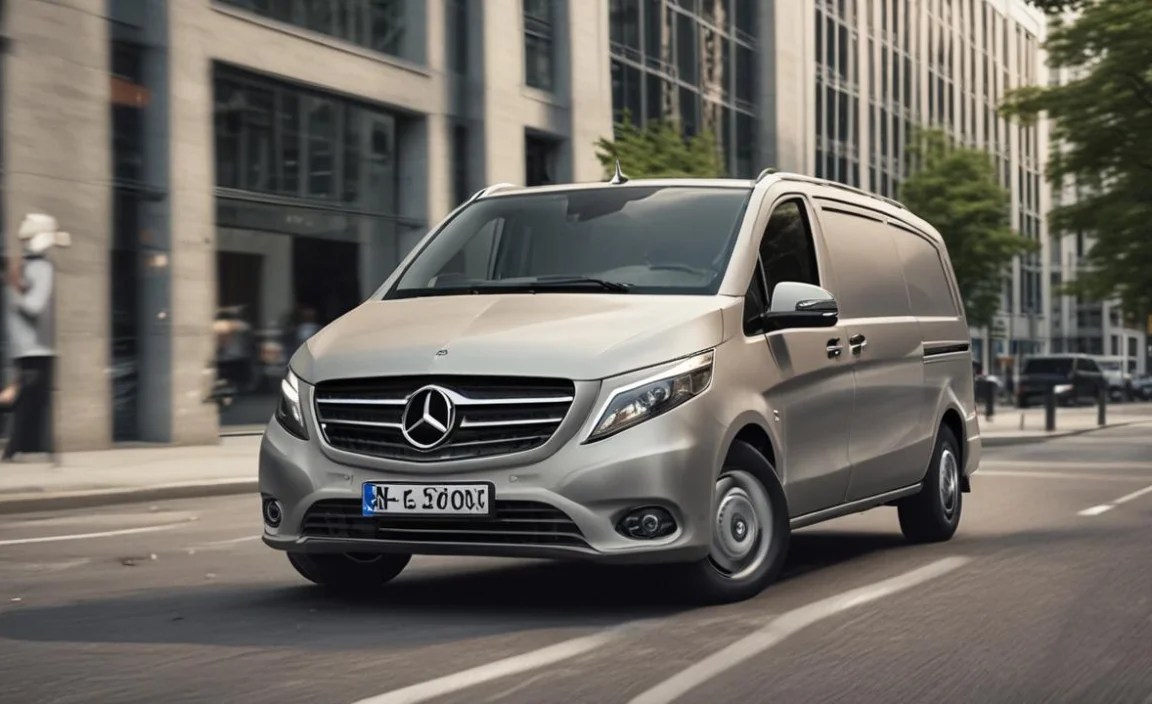
While telematics provides the raw data, fleet management software (FMS) is where you turn that data into actionable insights and automated processes. A good FMS acts as the central hub for all your fleet operations, making Mercedes-Benz Vito fleet management truly effortless.
Essential FMS Features for Your Vito Fleet:
- Vehicle & Asset Management: A central database for all Vitos, including VIN, registration details, purchase date, warranty information, and maintenance history.
- Maintenance Scheduling & Management: Automates service reminders based on mileage, time, or diagnostic alerts. Tracks repair history and costs per vehicle.
- Fuel Management: Integrates with fuel cards or telematics to monitor fuel purchases, track usage, and identify anomalies.
- Driver Management: Stores driver information, licenses, training records, and tracks performance metrics sourced from telematics.
- Reporting & Analytics: Provides dashboards and customizable reports on key performance indicators (KPIs) such as cost per mile, vehicle utilization, fuel efficiency, and safety scores.
- Compliance Management: Helps ensure your fleet adheres to regulations regarding driver hours, vehicle inspections, and emissions standards. Resources from organizations like the Federal Motor Carrier Safety Administration (FMCSA) highlight the importance of compliance.
- Mobile App Access: Allows drivers or fleet managers to access relevant information and complete tasks on the go.
Choosing an FMS that integrates seamlessly with your telematics provider is key. Many solutions are cloud-based, offering flexibility and accessibility from anywhere. When evaluating options, consider scalability – can the software grow with your fleet? Does it offer the specific reporting you need to manage your Mercedes-Benz Vito fleet effectively?
Frequently Asked Questions (FAQ) about Mercedes Vito Fleet Management
Q1: What is the most important aspect of managing a Mercedes-Benz Vito fleet?
The most important aspect is proactive maintenance. Ensuring your Vitos are regularly serviced and inspected prevents costly breakdowns, keeps them running efficiently, and maximizes their lifespan, which is crucial for controlling operational costs and maintaining uptime.
Q2: How can I reduce fuel costs for my Vito fleet?
Reduce fuel costs through driver training on efficient driving techniques, optimizing routes, ensuring proper tire inflation and vehicle maintenance, and minimizing engine idling. Telematics can help monitor and manage these factors.
Q3: Is it better to lease or buy Mercedes-Benz Vitos for a fleet?
It depends on your financial situation and business strategy. Leasing offers lower upfront costs and easier fleet upgrades, while buying provides ownership and no mileage restrictions. Analyzing the total cost of ownership for both options is recommended.
Q4: How do I track the performance of my Vito fleet drivers?
Fleet management software integrated with telematics systems allows you to monitor driver behavior such as speeding, braking, and acceleration. This data is invaluable for identifying training needs and promoting safer driving habits.
Q5: What kind of technology is essential for modern Vito fleet management?
Essential technologies include GPS tracking for real-time location, vehicle diagnostic systems for early issue detection, and route optimization software. A comprehensive fleet management software platform is also critical to consolidate and analyze data.
Q6: How often should I service my Mercedes-Benz Vito fleet vehicles?
Service intervals vary based on the specific Vito model, engine, and how it’s used. Always refer to your vehicle’s owner’s manual or the Assyst maintenance system, and consult with a certified Mercedes-Benz service partner for precise recommendations. Many telematics systems can also provide alerts for upcoming services.
By staying on top of these aspects, you ensure your Vitos are always ready for service, minimizing disruptions and maximizing productivity. Addressing driver behavior proactively also contributes to a safer working environment and can prevent potential accidents, which often carry significant costs and potential downtime.
Conclusion: Effortless Power Through Smart Management
Managing a fleet of Mercedes-Benz Vito vans doesn’t have to be a daunting task. By embracing smart strategies, leveraging advanced technology, and focusing on proactive maintenance and driver well-being, you can transform your fleet operations into a source of effortless power and efficiency. The Vito’s inherent strengths in durability, performance, and versatility, when combined with intelligent management, create a formidable business asset.
From optimizing fuel consumption and minimizing downtime to enhancing driver safety and controlling costs, every aspect of fleet management plays a vital role. Tools like telematics and fleet management software are your allies in achieving operational excellence, providing the visibility and control needed to make informed decisions. Investing in the right systems and processes for your Mercedes-Benz Vito fleet is an investment in the smooth, reliable, and profitable operation of your business. With the right approach, you can indeed achieve truly effortless power from your fleet.


