
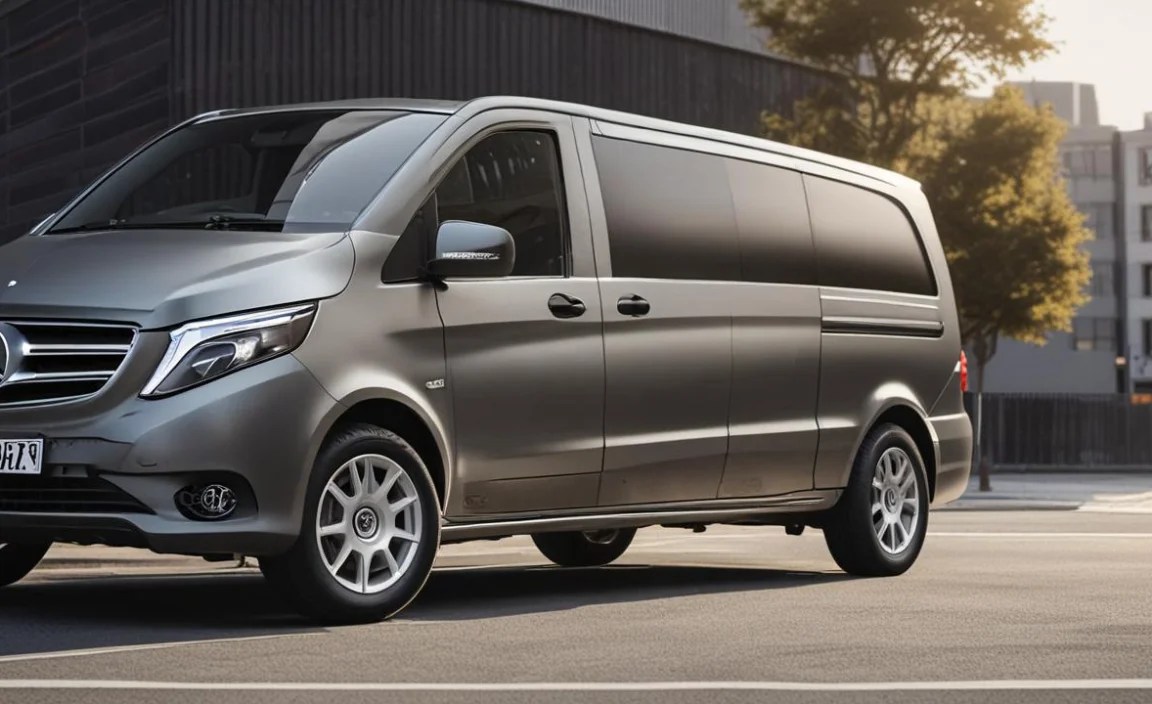
Mercedes Vito Alloy Wheels: Ultimate Style Perfected
Quick Summary:
Upgrade your Mercedes Vito’s look and performance with the right alloy wheels. This guide covers choosing, fitting, and maintaining them for ultimate style and a perfect drive.
Your Mercedes Vito is more than just a van; it’s a statement of versatility and sophistication. Want to elevate its presence even further? Alloy wheels are a fantastic way to personalize your Vito, enhancing its aesthetics and even its handling. However, navigating the options can feel overwhelming. This guide is designed to simplify the process, helping you choose and care for the perfect Mercedes Vito alloy wheels to match your style and needs.
Why Upgrade Your Mercedes Vito Alloy Wheels?

Opting for alloy wheels over standard steel wheels offers a compelling mix of benefits. They’re not merely a cosmetic upgrade; they contribute to your vehicle’s overall performance and longevity.
Enhanced Aesthetics

This is often the primary driver for upgrades. Alloy wheels come in a vast array of designs, finishes, and sizes. From sleek, minimalist spokes to aggressive multispoke patterns, you can dramatically change your Vito’s character. A polished chrome finish can add a touch of luxury, while a matte black or gunmetal grey can lend a sportier, more utilitarian vibe.
Weight Reduction
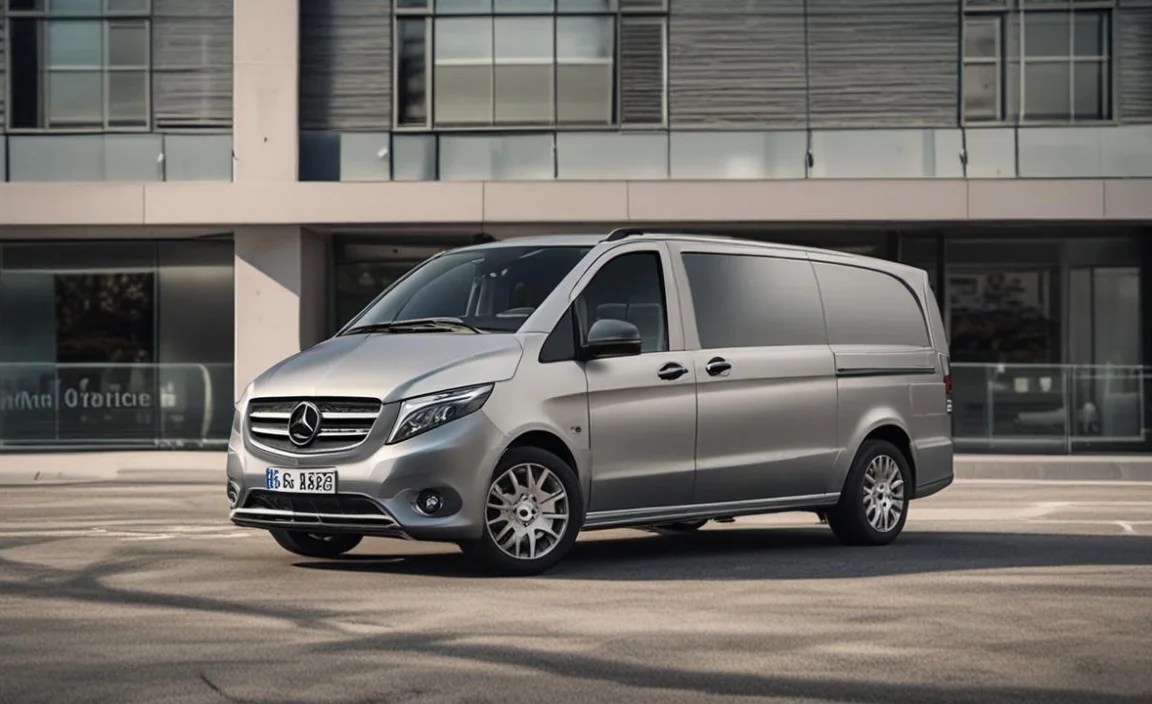
Alloys are typically lighter than steel wheels. This reduced unsprung weight can have a positive impact on your Vito’s handling and ride quality. Less weight means your suspension can react more quickly to road imperfections, leading to a smoother and more responsive drive. Think of it as giving your Vito a more nimble feel.
Improved Cooling
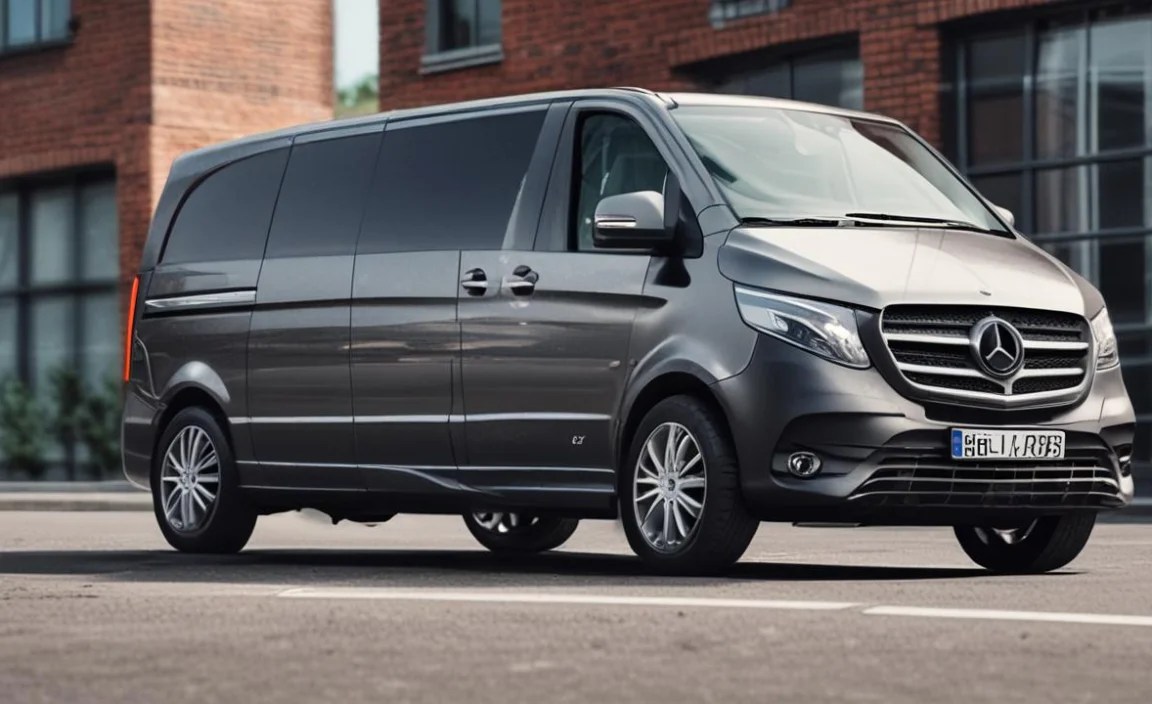
The open design of many alloy wheels allows for better airflow around the braking system. This improved ventilation helps dissipate heat generated during braking, which can contribute to disc and pad longevity and help prevent brake fade during demanding use.
Increased Durability (Under certain conditions)
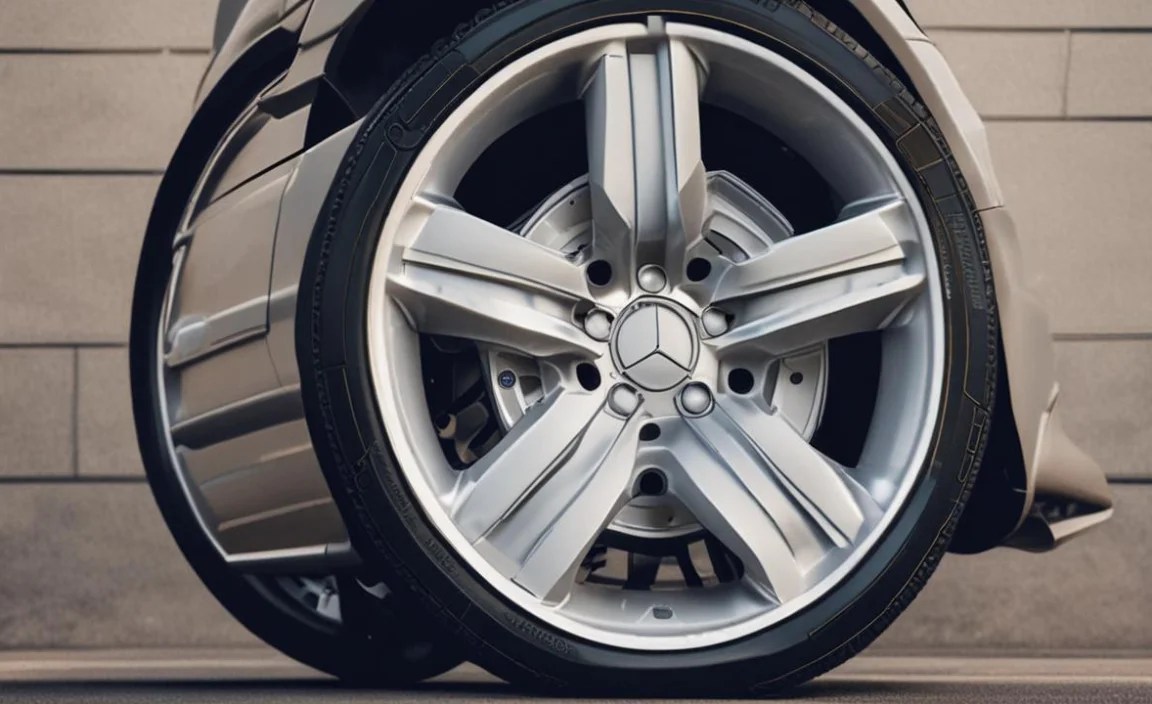
While alloys can be susceptible to damage from severe impacts, good quality alloys are generally strong and resistant to corrosion compared to painted steel wheels. They are less prone to rust and maintain their finish better over time, especially in varied weather conditions.
Choosing the Right Mercedes Vito Alloy Wheels

Selecting the perfect set of alloy wheels involves considering several key factors to ensure compatibility, performance, and style.
Size Matters: Diameter, Width, and Offset
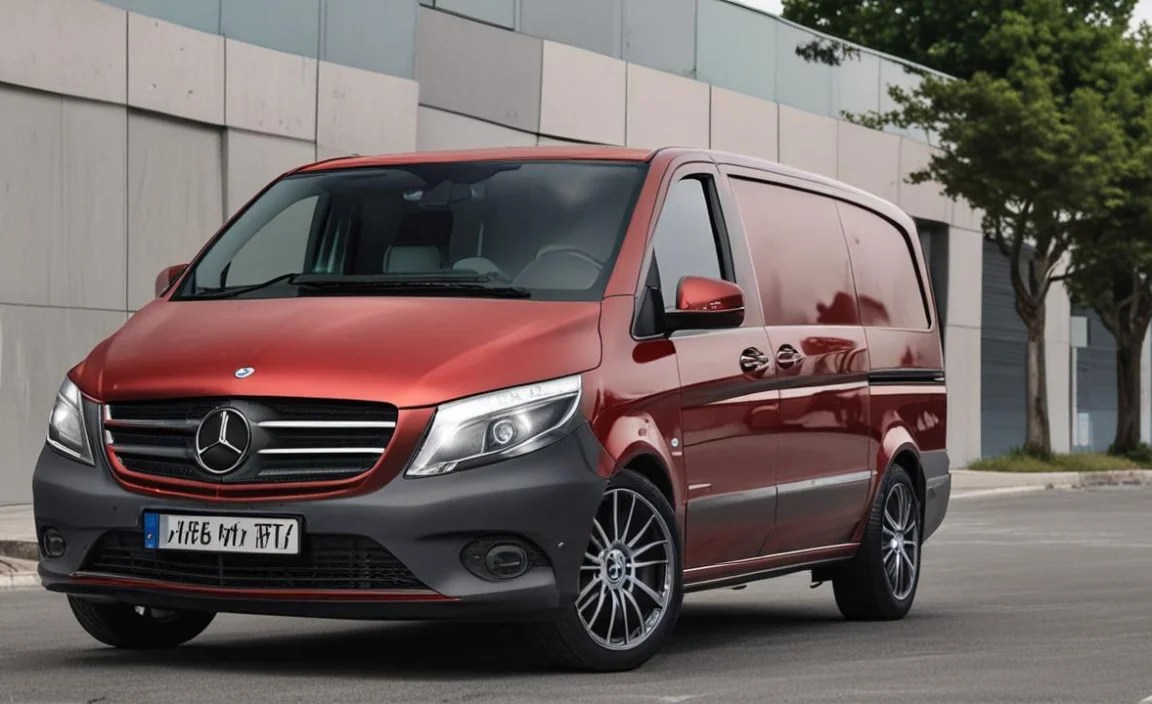
This is crucial for proper fitment. You need to consider:
- Diameter: Measured in inches (e.g., 16″, 17″, 18″). Larger diameter wheels often look more aggressive but can impact ride comfort and tyre cost. Always stick to sizes recommended by Mercedes-Benz or reputable aftermarket manufacturers for your specific Vito model.
- Width: This refers to the rim’s width, also in inches. It dictates the range of tyre widths that can be safely fitted.
- Offset (ET): This is the distance from the wheel’s mounting surface to the centerline of the wheel. A positive offset (common on vans) means the mounting surface is closer to the outside of the wheel. Incorrect offset can cause wheels to rub against suspension components or the bodywork, leading to damage and compromised handling. Always consult your vehicle’s manual or a professional for the correct offset range.
Stud Pattern (PCD)
PCD stands for Pitch Circle Diameter and refers to the diameter of the circle on which the wheel stud holes are centered. Your Vito has a specific PCD (e.g., 5x112mm for many modern Vitos). Using wheels with the wrong PCD is dangerous and impossible to fit correctly. Always ensure the PCD matches your Vito’s hub.
Load Rating
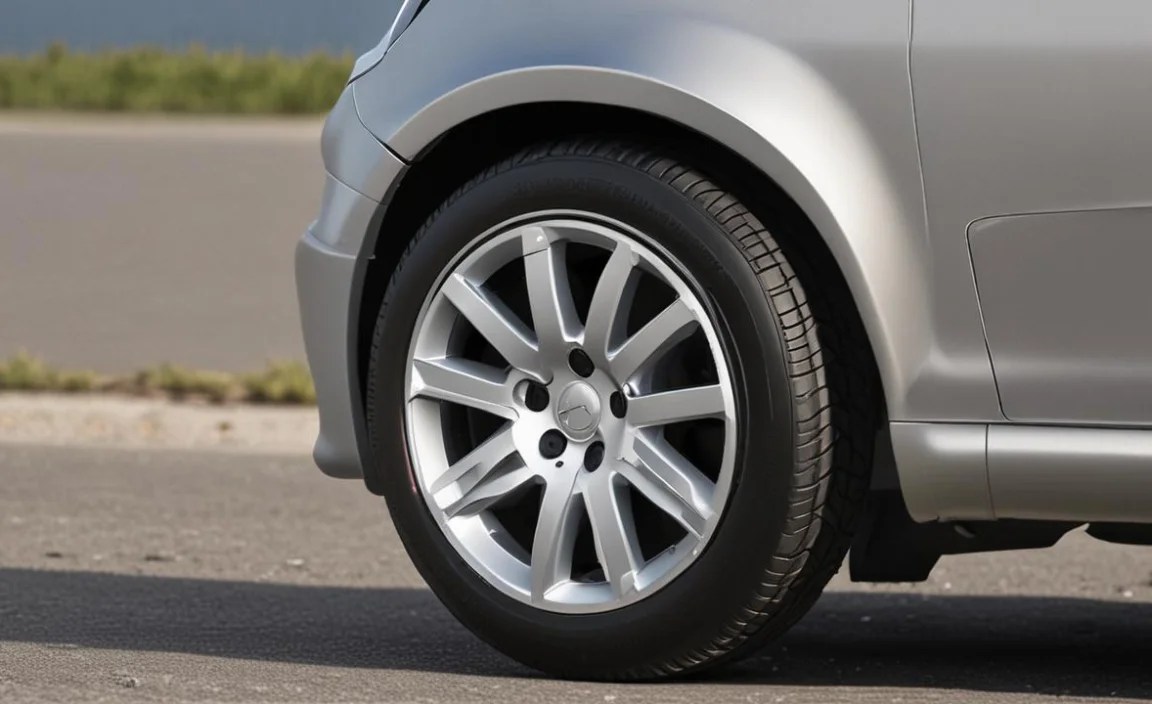
This is paramount for a vehicle like the Mercedes Vito, which is designed for carrying loads. Alloy wheels have a load rating, indicating the maximum weight they can safely support. It is essential that the load rating of your chosen alloy wheels meets or exceeds your Vito’s Gross Vehicle Weight (GVW) requirements. Undertaking this check is vital for safety and legal compliance. You can typically find load rating information on the wheel itself or in the manufacturer’s specifications.
Material and Construction
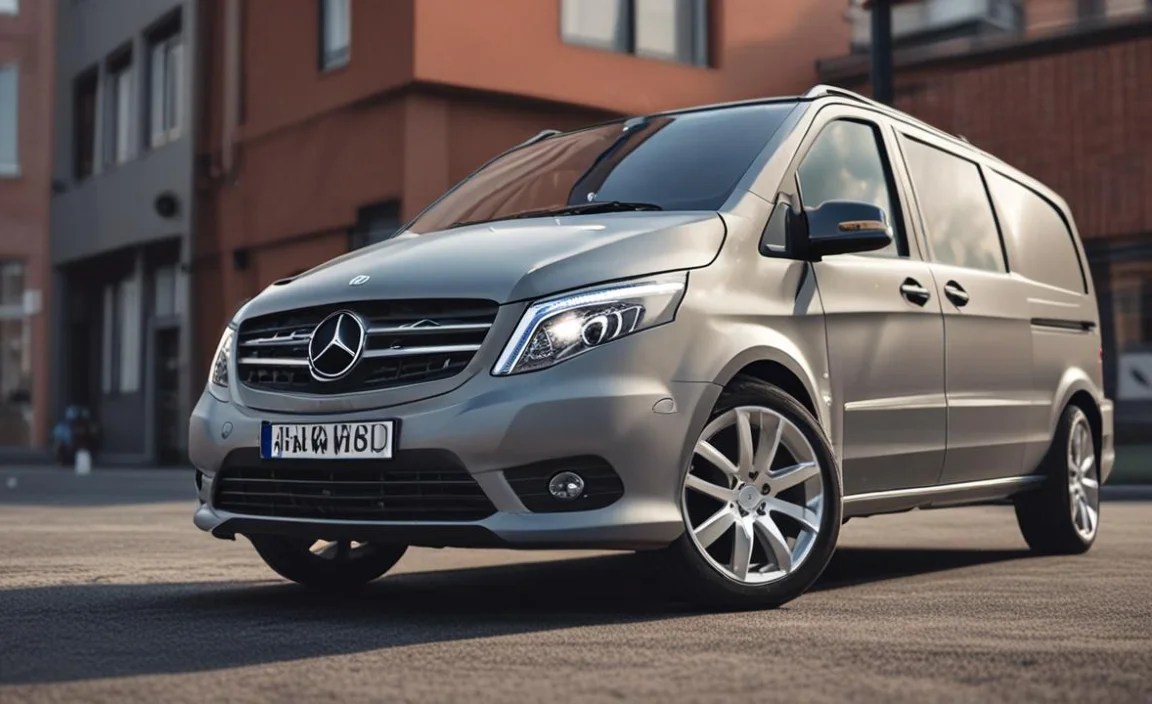
Most alloy wheels are made from aluminium alloys.:
- Cast Alloys: The most common type, formed by pouring molten alloy into a mould. They offer good designs at a reasonable price but can be heavier and less strong than forged options.
- Flow-Formed (Rotary Forged): A hybrid method that offers a stronger, lighter wheel than traditional casting.
- Forged Alloys: Made by forcing solid metal under extreme pressure. These are the strongest, lightest, and most expensive option. They offer superior performance and durability but come at a premium price.
Style and Finish

Once compatibility is confirmed, it’s time for aesthetics. Consider these common finishes:
- Silver/Machined: Classic and versatile, often with a machined face and silver or painted pockets.
- Anthracite/Gunmetal Grey: A popular, sporty, and understated choice that complements many vehicle colours.
- Gloss Black: Offers a sleek, modern, and often aggressive look.
- Chrome: Adds a high-luxury, polished appearance.
- Diamond Cut: A finish where the face of the wheel is cut to reveal a bright, metallic look, often combined with painted accents.
Types of Alloy Wheels for the Mercedes Vito

The Mercedes Vito, with its varied applications, can benefit from different wheel types depending on its primary use.
Luxury/Executive Alloys

These wheels often feature clean lines, polished or chrome finishes, and elegant spoke designs. They are perfect for Vito models used for passenger transport or executive travel, aiming to complement the vehicle’s inherent luxury and refinement.
Sporty/Performance Alloys

Characterized by more aggressive designs, often in darker finishes like matte black or gunmetal grey, and sometimes featuring larger diameters. These suit Vitos that are visually styled for performance or owners who want a dynamic look.
Rugged/All-Terrain Alloys

For Vitos used in commercial or more demanding environments, robust designs with a focus on durability and utility are key. These might be slightly smaller in diameter with thicker spokes and finishes that resist chipping.
Essential Tools and Considerations for Fitting
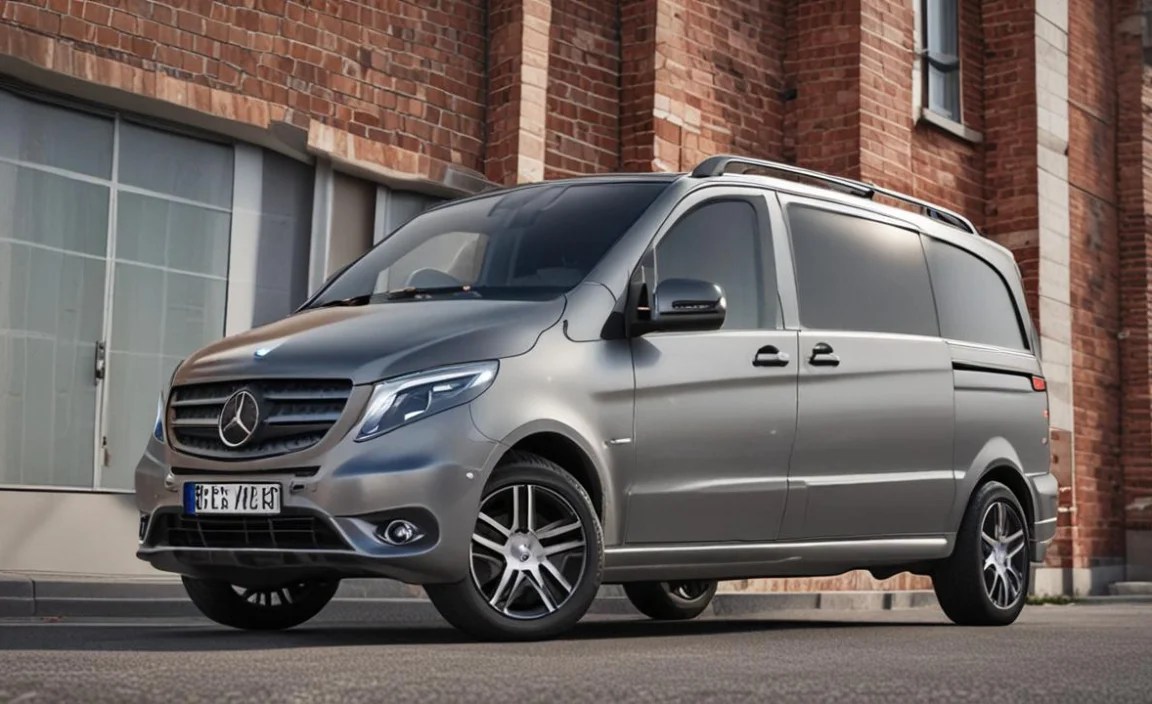
When it comes time to fit your new Mercedes Vito alloy wheels, having the right tools and knowledge is key to a safe and successful installation. If you’re doing this yourself, or even if you’re just keen to understand what the professional is doing, here’s what you’ll need.
Mandatory Tools:

- Torque Wrench: Absolutely essential. Wheel nuts must be tightened to the manufacturer’s specified torque value to prevent wheels from coming loose or damaging the hub.
- Jack and Axle Stands: For safely raising and supporting the vehicle. Never work under a vehicle supported only by a jack.
- Lug Wrench or Socket Set: To remove and install the lug nuts. Ensure you have the correct size socket for your Vito’s lug nuts.
- Wheel Chocks: To prevent the vehicle from rolling while it’s jacked up.
- Gloves and Safety Glasses: For personal protection.
Important Considerations:
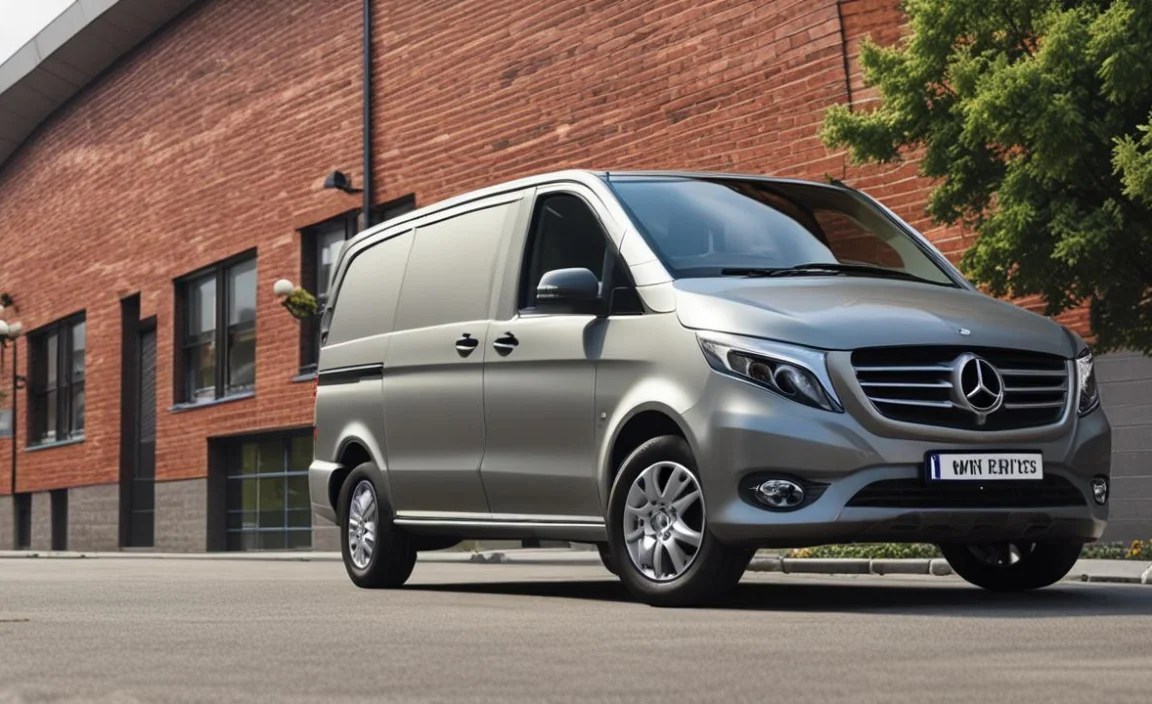
- Lug Nuts/Bolts: Ensure you have the correct type and length of lugnuts or bolts for your new alloys. Aftermarket wheels may require different hardware than your original wheels.
- Centre Hub Rings: If the hub bore of your new alloy wheels is larger than your Vito’s hub, you’ll need centre hub rings to ensure the wheel is perfectly centered on the hub, preventing vibrations and potential damage.
- Tyre Pressure Monitoring System (TPMS): If your Vito is equipped with TPMS, you’ll need to ensure your new wheels are compatible or that the sensors can be transferred. Some TPMS sensors may need to be reset or reprogrammed after fitting new wheels.
Step-by-Step Guide to Fitting Mercedes Vito Alloy Wheels

Here’s a straightforward method for replacing your Vito’s wheels:
- Prepare the Vehicle: Park your Vito on a firm, level surface. Engage the handbrake and place wheel chocks on the opposite wheel (if changing a front wheel, chock the rear; if changing a rear wheel, chock the front).
- Loosen Lug Nuts: Before jacking the vehicle, use your lug wrench to slightly loosen the lug nuts on the wheel you are replacing. Turn them counter-clockwise about half a turn to a full turn. Do not remove them yet.
- Jack Up the Vehicle: Consult your Vito’s owner’s manual for the correct jacking points. Place the jack securely and raise the vehicle until the tyre is completely off the ground.
- Support the Vehicle: Place axle stands securely under the designated support points near the jack. Lower the vehicle slowly onto the axle stands. The jack can remain in place as a secondary safety measure if desired, but it should not bear the primary weight.
- Remove Lug Nuts and Wheel: Fully unscrew the loosened lug nuts. Keep them safe. Grip the wheel firmly and pull it straight towards you. If it’s stuck, a gentle tap with a rubber mallet on the tyre might help.
- Mount the New Alloy Wheel: Ensure the hub is clean and free of debris. If using centre hub rings, fit them now. Align the new alloy wheel with the wheel studs and slide it onto the hub.
- Install Lug Nuts: Screw on the lug nuts by hand until they are snug. This helps prevent cross-threading.
- Hand-Tighten in a Star Pattern: Using your lug wrench, tighten the lug nuts gradually in a star or criss-cross pattern. This ensures the wheel seats evenly against the hub.
- Lower the Vehicle: Raise the vehicle slightly with the jack to remove the axle stands. Then, carefully lower the vehicle completely to the ground.
- Torque the Lug Nuts: This is the critical step. Using your torque wrench set to the manufacturer’s specified torque (check your Vito’s manual – it’s often around 140-160 Nm, but always verify!), tighten each lug nut in the star pattern again. Go around the pattern at least twice to ensure even tension.
- Repeat for Remaining Wheels: Follow the same procedure for the other wheels.
- Final Check: After driving a short distance (around 50-100 miles), re-torque the lug nuts to ensure they haven’t loosened.
Maintaining Your Mercedes Vito Alloy Wheels

Keeping your alloys looking pristine and performing optimally requires consistent care.
Regular Cleaning

Wash your Vito regularly, paying special attention to the wheels. Use a pH-neutral wheel cleaner and a soft brush or mitt to avoid scratching the finish. Rinse thoroughly and dry with a microfibre towel.
Avoid Harsh Chemicals
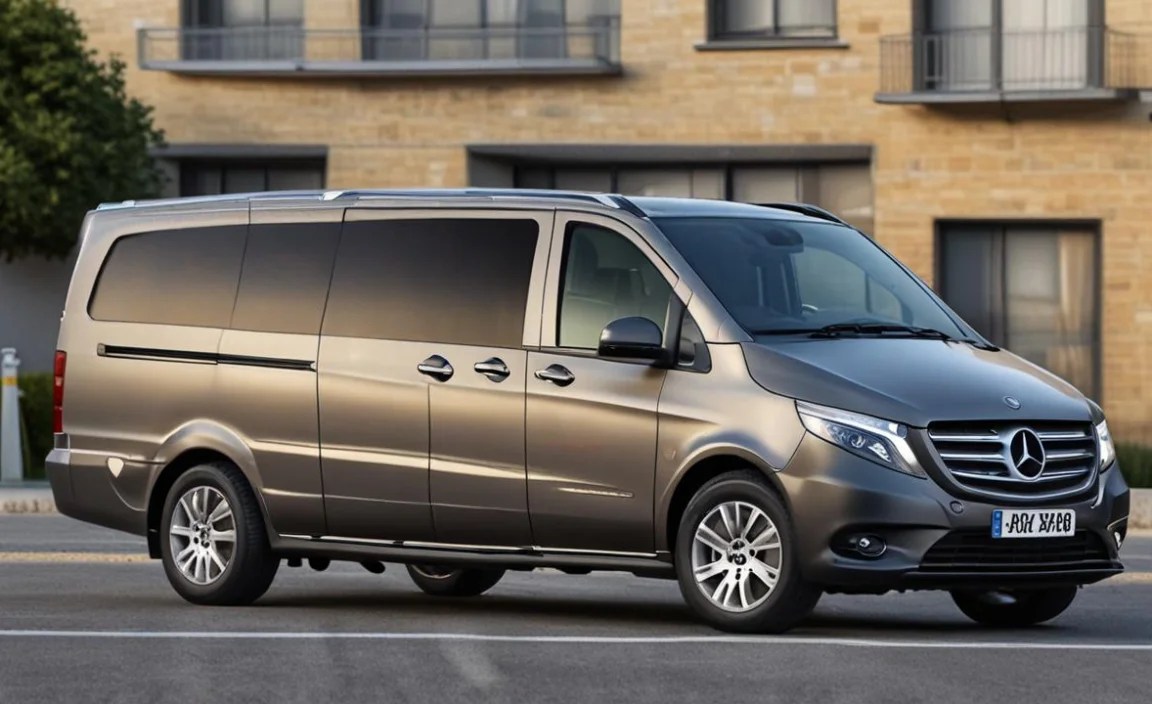
Steer clear of abrasive cleaners, wire brushes, and harsh degreasers, as these can damage the lacquer or finish of your alloy wheels. Never use brake cleaner directly on painted or polished finishes unless specified by the wheel manufacturer for that specific finish.
Protect the Finish

After cleaning and drying, consider applying a wheel sealant or wax. This creates a protective barrier that repels brake dust, dirt, and road grime, making future cleaning easier. For more information on automotive detailing, resources like Meguiar’s offer excellent detailing tips.
Inspect for Damage
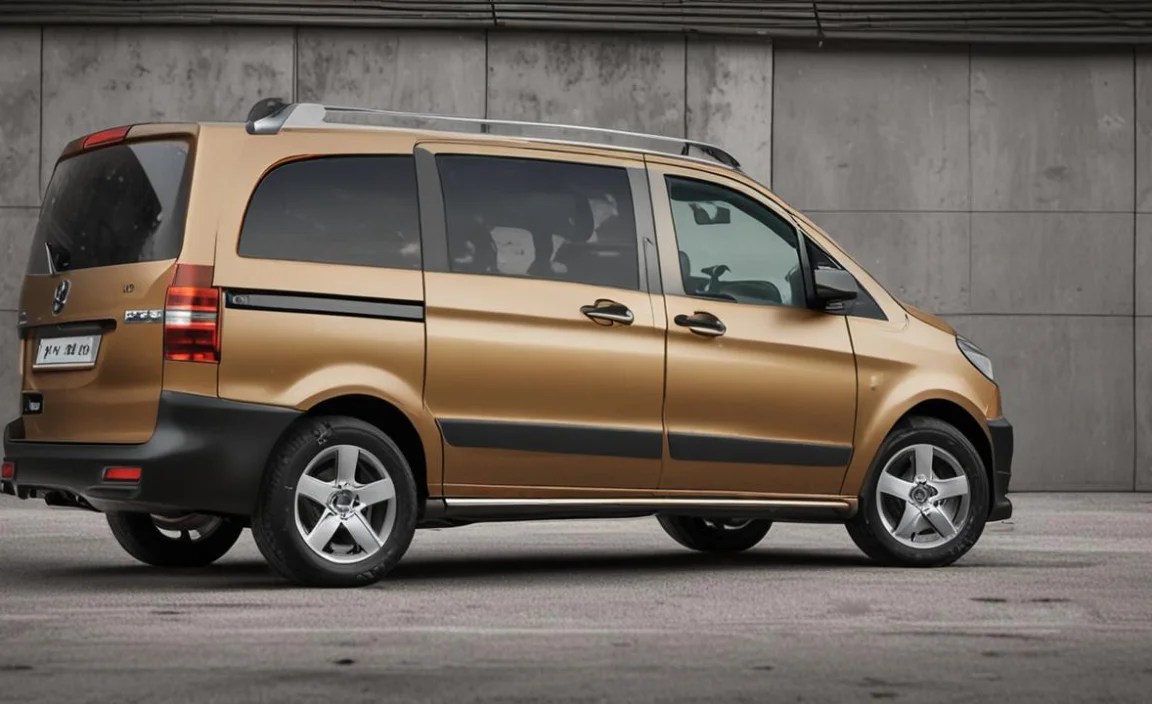
Periodically check your wheels for any signs of damage, such as cracks, bends, or significant corrosion. Damage can compromise the wheel’s structural integrity and safety. Minor curb rash can sometimes be repaired by specialist wheel repair companies.
Tyre Pressure
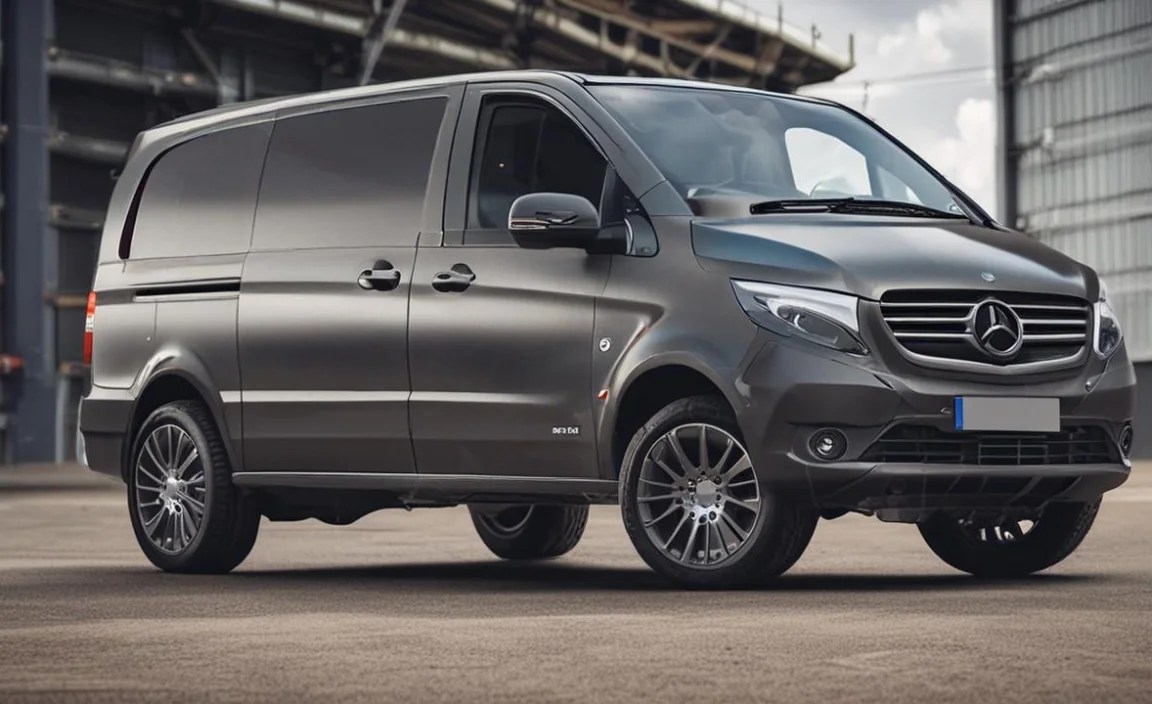
Always maintain the correct tyre pressure as specified for your Vito. Properly inflated tyres not only improve fuel efficiency and handling but also reduce the strain on your wheels and suspension.
Common Problems and Solutions
Even with care, issues can arise. Here are some common ones:
- Corrosion: Especially common on the salt-laden roads of winter or if harsh cleaners have been used. Solution: Deep clean and apply a quality sealant. For severe corrosion, professional refurbishment might be needed.
- Curb Rash: Scratches and scuffs from hitting kerbs. Solution: Minor damage can be polished out by yourself with careful sanding and touch-up paint/lacquer. More significant damage requires professional wheel repair.
- Pitting: Small holes in the surface, often due to brake dust and moisture trapped under the protective coating. Solution: Often leads to further corrosion. Prevention is key with regular cleaning and sealing.
- Loose Wheels: Almost always due to improperly torqued lug nuts. Solution: Immediately stop driving and re-torque all lug nuts. If they continue to loosen, consult a professional as there may be issues with the studs or threads.
Mercedes Vito Alloy Wheel Specifications Table

Here’s a general overview of common specifications. Always verify for your specific Vito model and year.
| Parameter | Typical Range for Mercedes Vito | Importance |
|---|---|---|
| PCD (Stud Pattern) | 5x112mm | Crucial for wheel fitment. Must match vehicle hub precisely. |
| Centre Bore | 66.6mm | The hole in the center of the wheel. Must fit the vehicle’s hub snugly, or use correct hub rings. |
| Common Rim Diameters | 16″, 17″, 18″ | Affects tyre choice, ride, and aesthetics. |
| Common Rim Widths | 6.0J to 7.5J | Determines the range of tyre widths that can be fitted. |
| Common Offset (ET) | ET35 to ET50 (Positive) | Critical for ensuring wheels don’t rub on suspension or bodywork. Always verify. |
| Minimum Load Index | Refer to vehicle’s GVW/tyre placard (Often 1000kg+ per wheel) | Essential for safety and legal compliance, especially for commercial use. |
Note: These are general guidelines. Always confirm exact specifications for your Mercedes Vito model year with your vehicle’s manual or by consulting a reputable dealer/specialist before purchasing wheels.
FAQ: Mercedes Vito Alloy Wheels
What is the most common PCD for a Mercedes Vito?

The most common PCD for modern Mercedes Vito models is 5x112mm. This refers to five stud holes arranged on a 112mm diameter circle. It’s vital to confirm this for your specific model year.
Can I fit larger alloy wheels to my Mercedes Vito?

Yes, you can often fit larger diameter alloy wheels, but you must ensure they have the correct offset, PCD, and load rating. You also need to consider if the larger wheels will fit without rubbing against suspension components or the wheel arches, especially when the suspension is compressed or turning. You may also need to switch to lower profile tyres, which can affect ride comfort.
Are alloy wheels safe for a commercial Vito?

Yes, provided they have the correct load rating that meets or exceeds your Vito’s Gross Vehicle Weight (GVW) requirements and are fitted correctly. Always check the wheel’s load capacity against your vehicle’s needs.
How do I clean my Mercedes Vito alloy wheels without damaging them?
Use a pH-neutral wheel cleaner, plenty of water, a soft brush or mitt, and a microfibre drying towel. Avoid abrasive cleaners, harsh chemicals, and wire brushes. For a detailed guide, resources from organizations like Autoglym offer practical advice.
What is the difference between cast and forged alloy wheels?
Cast alloy wheels are made by pouring molten metal into a mould, making them more accessible in terms of cost and design variety. Forged alloy wheels are made by compressing solid metal under extreme pressure, resulting in a much stronger, lighter, and more durable wheel, but at a higher price point.
Do I need special lug nuts for aftermarket alloy wheels?
Often, yes. Aftermarket wheels may have different seat types (e.g., conical vs. spherical) or require longer bolts than original equipment wheels. Always check with the wheel manufacturer or supplier to ensure you have the correct, compatible hardware.
What happens if I fit alloy wheels with the wrong offset?
Fitting wheels with the incorrect offset can lead to serious problems. Too low an offset can cause the wheels to rub against suspension components, while too high an offset can cause them to rub against the bodywork or fenders. This can damage both the wheel and the vehicle, compromise steering, and affect safety.
Conclusion
Choosing and fitting the right Mercedes Vito alloy wheels is a rewarding process that can significantly enhance your vehicle’s appeal


