
Mercedes Vito Radiator: Ultimate Performance Essential
For optimal Mercedes Vito performance and to prevent overheating, ensuring your radiator is in top condition is crucial. A healthy radiator keeps engine temperatures stable, safeguarding vital components and prolonging engine life. Regular checks and timely replacement are key to maintaining your Vito’s reliability and power.
The Mercedes Vito is a workhorse, a reliable companion for businesses and adventurers alike. But like any sophisticated machine, it needs proper care to perform at its best. One component that plays a silent, yet absolutely vital role in keeping your Vito running smoothly is the radiator. If your Vito’s engine temperature gauge is acting up, or if you’re simply looking to maintain peak performance, understanding your radiator is your first step. This guide will demystify the Mercedes Vito radiator, explaining its function, common issues, and how to ensure it’s always performing at its absolute best. Don’t worry if you’re new to car maintenance; we’ll break it down so you can feel confident in caring for your Mercedes. Get ready to learn how this often-overlooked part is truly an ultimate performance essential for your Vito.
Why Your Mercedes Vito Radiator Matters

At its core, your Mercedes Vito’s radiator is part of the engine’s cooling system. Think of it as the engine’s personal air conditioner. The engine generates a tremendous amount of heat during operation, and if this heat isn’t managed, it can lead to serious damage. The cooling system circulates a mixture of antifreeze and water (coolant) through the engine. As the coolant flows through hot engine parts, it absorbs that heat. This heated coolant then journeys to the radiator, which is typically located at the front of your vehicle, behind the grille.
Here, the radiator’s network of thin tubes and fins comes into play. Air flows through these fins, either from the vehicle’s movement or from a dedicated cooling fan. This airflow effectively transfers the heat from the coolant to the outside air, cooling the coolant down. The cooled coolant then circulates back into the engine to repeat this cycle, keeping your engine within its optimal operating temperature range. Without a properly functioning radiator, this heat exchange process breaks down, leading to overheating – a potentially catastrophic event for any engine.
Understanding Radiator Functionality
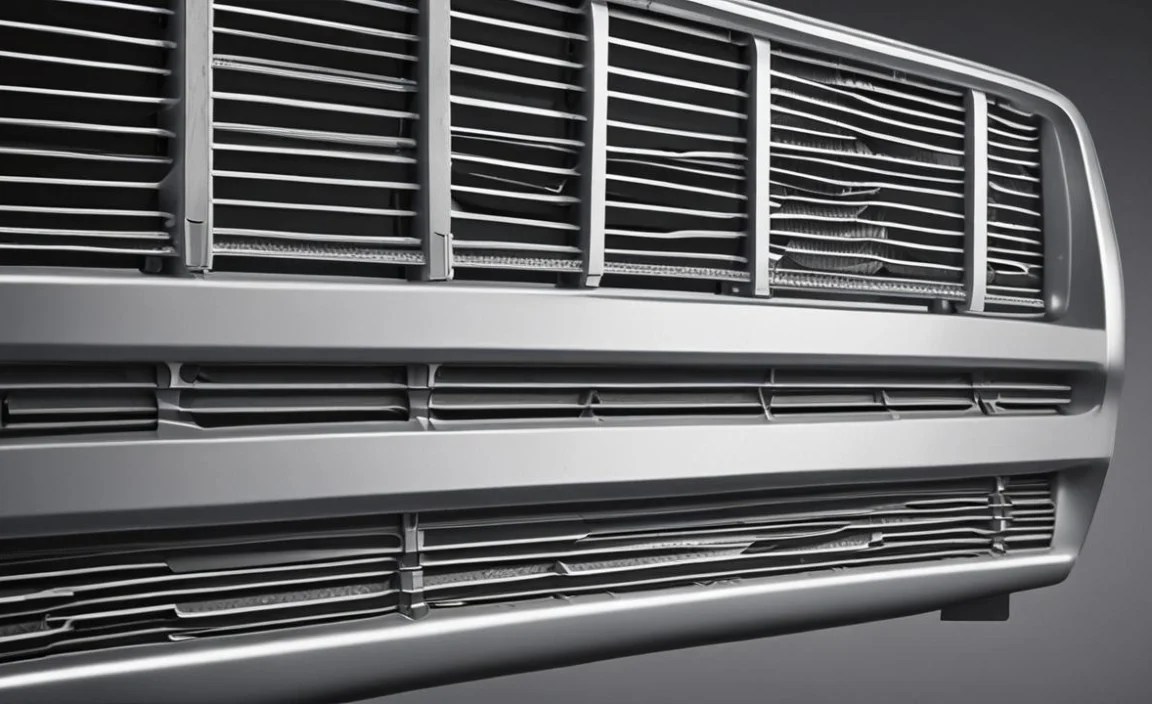
The radiator’s design is a masterpiece of thermal engineering. Its large surface area, achieved through numerous narrow tubes and thin metal fins, maximizes contact with the cooling air. This design allows for efficient heat dissipation, ensuring the coolant temperature remains stable even under demanding conditions.
The process can be broken down into these key stages:
- Coolant Absorption: Hot coolant leaves the engine block and enters the radiator.
- Heat Exchange: The coolant flows through the radiator’s tubes. Heat transfers from the coolant to the metal tubes and fins.
- Airflow Cooling: Ambient air passes over the fins, drawing heat away from them and the coolant.
- Coolant Return: The now-cooled coolant flows back to the engine to pick up more heat.
This continuous cycle is vital. The coolant type also matters. Using the correct Mercedes-Benz approved coolant (often a specific color like blue or pink, depending on the Vito’s model year) ensures proper corrosion protection and optimal boiling/freezing points. For more on coolant types and their importance, the Environmental Protection Agency (EPA) provides valuable insights into automotive fluid maintenance.
Common Mercedes Vito Radiator Problems

Even the most robust components can develop issues over time. For a Mercedes Vito radiator, several common problems can arise, all impacting its ability to keep your engine cool. Recognizing these signs early is key to preventing minor inconveniences from becoming major repairs.
Leaks
Radiator leaks are perhaps the most common issue. These can occur due to:
- Corrosion: Over time, internal components can corrode, leading to pinhole leaks.
- Damage: Debris from the road can puncture the radiator fins or tubes.
- Age: Rubber hoses connecting to the radiator can degrade and crack.
- Manufacturing Defects: Though rare, faulty seals or welds can fail.
Signs of a coolant leak include:
- Visible puddles of coolant (often green, orange, or pink) under your Vito.
- A sweet, syrupy smell when the engine is running.
- A persistently low coolant level.
- White or colored residue around the radiator or hoses.
Clogging
Over time, sediment, rust particles, and degraded coolant can build up inside the radiator’s tubes. This buildup restricts coolant flow, reducing the radiator’s efficiency. A clogged radiator means less heat can be removed from the engine, leading to overheating.
Symptoms of a clogged radiator include:
- The engine temperature gauge rising higher than normal, especially at idle or in traffic.
- Uneven cooling – parts of the radiator may feel much hotter than others.
- Overheating warning lights on the dashboard.
Fan Malfunction
The cooling fan, whether electric or engine-driven, is essential for drawing air through the radiator, particularly when the vehicle is stationary or moving at low speeds. If the fan motor fails, a fuse blows, or the fan clutch (in older mechanical systems) seizes, airflow through the radiator will be insufficient, leading to overheating.
You can often tell if the fan isn’t working by:
- Listening for the fan to engage when the engine reaches a certain temperature.
- Observing the temperature gauge climbing rapidly when you stop the vehicle after it’s been running.
Damaged Fins
The thin fins on the radiator are delicate. Bent or damaged fins reduce the radiator’s surface area exposed to airflow, hindering its cooling capacity. This can happen from impacts with road debris or even during improper washing techniques. While not as critical as leaks or clogs, severely damaged fins can contribute to reduced cooling efficiency.
DIY Checks and Maintenance for Your Vito Radiator

Maintaining your Mercedes Vito’s radiator doesn’t always require a trip to the mechanic. Many checks can be performed by you, the owner, with a little know-how and a few basic tools. Regular DIY maintenance can save you money and help prevent potential breakdowns.
Coolant Level Check
This is the simplest and most frequent check you can perform. Always check the coolant level when the engine is cold to avoid burns.
- Locate the coolant reservoir. It’s usually a translucent plastic tank with “MIN” and “MAX” markings.
- Visually inspect the coolant level. It should be between the MIN and MAX lines.
- If low, carefully open the reservoir cap (ensure the engine is cold!) and add the correct type of Mercedes-Benz approved coolant, mixed with distilled water if necessary, according to the coolant manufacturer’s instructions. Never use plain tap water, as its mineral content can cause corrosion.
Visual Inspection for Leaks and Damage
This should be part of your routine checks.
- With the engine cold, inspect the radiator itself, the connecting hoses, and the reservoir for any signs of moisture, discoloration, or crusty residue.
- Check the ground beneath your parked Vito for any coolant puddles.
- Gently squeeze the radiator hoses. They should feel firm but slightly pliable. If they are hard, brittle, cracked, or mushy, they need replacement.
Cooling Fan Operation
To check if your cooling fan is working:
- Start the engine and let it idle. Turn on the air conditioning, as this often triggers the cooling fan.
- Listen for the fan to engage. You should hear it spin up.
- You can also let the engine reach its normal operating temperature without the A/C on. The fan should engage periodically to maintain the temperature.
Radiator Flush (Advanced DIY)
A radiator flush involves draining the old coolant and flushing the system with a cleaning solution, then refilling with fresh coolant. This helps remove built-up sediment that can cause clogs. This is a more involved DIY task and requires proper disposal of old coolant as it is hazardous waste.
Tools you might need for a radiator flush:
- Drain pan
- Garden hose
- Radiator flush solution
- Distilled water
- Correct type of Mercedes-Benz approved coolant
- Funnel
- Pliers (for hose clamps)
- Gloves and eye protection
Important Note: Always refer to your Mercedes Vito owner’s manual for specific instructions regarding coolant type, capacity, and maintenance schedules. Improper flushing or coolant can cause damage.
When to Replace Your Mercedes Vito Radiator

Sometimes, maintenance and simple repairs aren’t enough. If your radiator has suffered significant damage or is showing signs of widespread failure, replacement might be the only viable option. Here are the key indicators that it’s time for a new radiator:
Persistent Overheating
If you’ve checked your coolant levels, hoses, and fan, and your Vito still overheats regularly, especially under load or in warm weather, your radiator’s heat exchange efficiency might be compromised due to internal clogs or damaged cooling fins.
Obvious and Significant Leaks
While small leaks can sometimes be patched (though temporary), large or multiple leaks, especially at the radiator seams or core, indicate that the radiator is failing and needs replacement. It’s often more economical and reliable to replace the unit than to attempt repairs on a compromised radiator.
Internal Corrosion or Clogging
Sometimes, you can’t see the problem. If coolant looks rusty or has a sludgy consistency in the reservoir, it’s a sign of internal corrosion. You might also notice that even after a flush, the cooling system doesn’t perform optimally. This suggests internal passages are blocked beyond what cleaning can resolve.
Physical Damage
A direct impact, like hitting road debris or a minor collision, can cause irreparable damage to the radiator. If the core is visibly crushed, bent, or punctured, replacement is necessary for safety and performance.
The lifespan of a radiator can vary, but generally, they are designed to last many years. However, factors like harsh driving conditions, infrequent coolant changes, or exposure to corrosive substances can shorten this lifespan.
Choosing the Right Replacement Radiator
When it’s time for a replacement, quality matters. Opting for a reputable brand or an Original Equipment Manufacturer (OEM) Mercedes-Benz part ensures that the radiator is designed to meet your Vito’s specific cooling demands.
When selecting a replacement radiator, consider:
- OEM vs. Aftermarket: OEM parts are made by or for Mercedes-Benz and offer guaranteed fit and performance. High-quality aftermarket radiators can be a cost-effective alternative, but research the manufacturer’s reputation and warranty.
- Material: Most radiators are made of aluminum or copper. Aluminum is lighter and more common in modern vehicles, while copper offers excellent heat conductivity but is heavier and more expensive.
- Fitment: Ensure the radiator is specifically designed for your Mercedes Vito model and year, including engine size and transmission type.
For accurate part numbers and compatibility, consult your owner’s manual, a Mercedes-Benz dealership, or a trusted online parts supplier that provides VIN-specific searches.
Professional Replacement Guide
While some DIY enthusiasts might tackle radiator replacement, it is a complex job that involves coolant, potentially high-pressure systems, and careful reassembly. For most owners, professional replacement by a qualified Mercedes-Benz technician is recommended to ensure it’s done correctly and safely.
A professional replacement typically involves these steps:
- Draining the Coolant: Safely draining the old coolant into an approved container.
- Disconnecting Hoses and Lines: Carefully removing the upper and lower radiator hoses, transmission cooler lines (if applicable), and any fan shroud components.
- Removing the Old Radiator: Unbolting the radiator from its mounts and carefully lifting it out.
- Preparing the New Radiator: Transferring any necessary brackets or sensors from the old radiator to the new one.
- Installing the New Radiator: Securing the new radiator in place.
- Reconnecting Hoses and Lines: Attaching all hoses and lines to the new radiator, ensuring secure clamps.
- Filling the System: Refilling the cooling system with the correct type and mixture of coolant.
- Bleeding the System: Removing any air pockets from the cooling system to ensure proper circulation. This is a critical step.
- Testing: Running the engine and checking for leaks, ensuring the cooling fan operates correctly, and monitoring the temperature gauge for normal operation.
A professional will also ensure proper disposal of the old coolant, which is environmentally regulated. For professional service, consider using a dealership or a specialist Mercedes-Benz workshop. For general guidance on automotive cooling system maintenance, the Car Care Council offers excellent resources.
Performance Enhancements and Considerations
For those who push their Mercedes Vito harder – perhaps using it for towing, off-roading, or in high-temperature climates – the standard radiator might eventually become a bottleneck for performance. In such cases, owners might consider aftermarket “heavy-duty” or “performance” radiators.
These radiators often feature:
- Thicker Cores: More rows of tubes and greater coolant capacity for improved heat dissipation.
- Higher Fin Density: More fins per inch to increase surface area for cooling.
- More Robust Construction: Made from stronger materials for increased durability under stress.
When considering performance upgrades, it’s important to weigh the pros and cons:
| Benefit | Consideration |
|---|---|
| Improved cooling capacity under extreme loads | May require modifications for fitment |
| Reduced risk of overheating during hard use | Can be significantly more expensive than stock radiators |
| Potentially longer component life due to lower operating temperatures | May add slight weight to the front of the vehicle |
Always ensure that any performance radiator complies with your local emissions and vehicle modification regulations. Consulting with a specialist tuner or performance parts supplier familiar with Mercedes Vito applications is highly recommended before investing in such upgrades.
Frequently Asked Questions (FAQ)
What is the typical lifespan of a Mercedes Vito radiator?
A well-maintained Mercedes Vito radiator can last anywhere from 5 to 10 years, or roughly 80,000 to 150,000 miles. However, this can vary greatly depending on driving conditions, climate, maintenance frequency, and the quality of the coolant used.
Can I use a universal radiator for my Mercedes Vito?
It is strongly advised against using a universal radiator. Mercedes-Benz vehicles are engineered with specific cooling requirements. A universal radiator may not have the correct dimensions, mounting points, hose connections, or cooling capacity, potentially leading to performance issues or damage.
How often should I check my coolant level?
You should check your coolant level at least once a month and before any long journey. It’s also a good practice to check it whenever you check your engine oil, and always ensure it’s done when the engine is cold.
What happens if I ignore a leaky radiator?
Ignoring a leaky radiator will lead to progressively low coolant levels. This can cause the engine to overheat, potentially leading to severe internal engine damage such as a warped cylinder head, blown head gasket, or even a seized engine – repairs that are significantly more costly than replacing a radiator.
Is it normal for my Vito’s temperature gauge to fluctuate slightly?
Some slight fluctuation in the temperature gauge is normal as the thermostat opens and closes. However, if the gauge consistently climbs into the red zone, stays at the high end for extended periods, or drops significantly after being normal, it indicates a potential cooling system issue that needs immediate attention.
What is the difference between coolant and antifreeze?
Antifreeze is a concentrated chemical that lowers the freezing point and raises the boiling point of water. Coolant is typically a mixture of antifreeze and distilled water. For Mercedes-Benz vehicles, it is crucial to use the manufacturer-specified coolant blend to ensure optimal protection against freezing, boiling, and corrosion.
How do I dispose of old coolant?
Old coolant is toxic and must be disposed of properly. Never pour it down drains or onto the ground. Collect it in sealed containers and take it to a local hazardous waste recycling center, auto parts store that accepts used fluids, or a mechanic’s shop that offers disposal services. Regulations vary by location.
Conclusion
The radiator in your Mercedes Vito is an unsung hero, silently working to keep your engine at its optimal operating temperature. By understanding its crucial role, recognizing common issues like leaks and clogs, and performing regular, simple checks, you can play a significant part in keeping your Vito running reliably. Whether you’re a DIY enthusiast comfortable with basic maintenance or prefer to entrust your cherished Mercedes to professionals, knowledge is your greatest tool.
Don’t underestimate the impact of a well-functioning cooling system –


