
Mercedes V-Class Engine Specs: Ultimate Power
Quick Summary:
The Mercedes-Benz V-Class offers robust engine options designed for smooth, powerful, and efficient performance, balancing luxury transport with capable hauling. Expect advanced diesel technology delivering impressive torque and fuel economy, making it an ideal choice for families and businesses prioritizing comfort and reliability.
Welcome to MercedesBlue! As a fellow Mercedes-Benz enthusiast, I know the thrill of exploring what makes these vehicles exceptional. Today, we’re diving deep into the heart of the Mercedes-Benz V-Class: its engine specifications. Many owners and prospective buyers wonder about the power and performance under the hood. It’s not just about moving people; it’s about doing it with Mercedes-Benz refinement and strength. Whether you’re hauling your family on a road trip or transporting important clients, understanding your V-Class’s engine is key to appreciating its capabilities.
We’ll break down the engine options available, explain what those technical terms mean, and help you understand how they translate into real-world driving. Get ready to discover the ultimate power and efficiency packed into your V-Class. Let’s demystify those engine specs!
Mercedes V-Class Engine Specs: Understanding Ultimate Power
As Bryan Bowman from MercedesBlue, I’m here to guide you through the impressive engineering that powers the Mercedes-Benz V-Class. This versatile multi-purpose vehicle (MPV) perfectly blends luxury, comfort, and practicality, and at its core is a powertrain engineered for seamless performance. For those who appreciate the finer details of automotive engineering or simply want to know what makes their V-Class tick, understanding the engine specifications is crucial. It unlocks a deeper appreciation for its capabilities, whether you’re navigating city streets or embarking on extended journeys.
Our focus today is on the “Ultimate Power” of the V-Class engines. But “power” in a V-Class context means more than just raw horsepower. It encompasses torque for effortless acceleration, efficiency for cruising, and the smooth, quiet delivery that defines the Mercedes-Benz experience. We’ll dissect the available engine options, clarify the numbers, and explain what they mean for your driving experience. Let’s begin by looking at the typical engine families you’ll encounter.
The Power Behind the V-Class: Engine Families and Technologies

Mercedes-Benz is renowned for its sophisticated engine development, and the V-Class is no exception. Primarily, you’ll find powerful and efficient turbodiesel engines that are the workhorses of this segment. These engines are designed to provide ample torque for moving a full load of passengers and luggage, while also offering impressive fuel economy and durability. Mercedes-Benz has consistently refined its diesel technology to meet stringent emissions standards and deliver a refined driving experience, minimizing noise and vibration.
The underlying principle is modern turbocharging and direct injection. Turbochargers force more air into the engine’s cylinders, allowing for more fuel to be burned and thus generating more power from a given engine displacement. Direct injection precisely meters fuel directly into the combustion chamber, leading to better combustion efficiency, more power, and reduced emissions. These technologies work in harmony to give the V-Class its characteristic blend of strength and economy.
Key Engine Technologies Explained
- Turbocharging: A small turbine driven by exhaust gases spins an impeller that forces more air into the engine’s intake. More air means more oxygen, which allows the engine to provide more power without needing a larger, heavier engine block.
- Common Rail Direct Injection (CDI): This is a sophisticated fuel injection system where fuel is delivered at extremely high pressure to a common rail before being injected directly into the engine cylinders. This precise control allows for better fuel atomization, more efficient combustion, and reduced exhaust emissions.
- Variable Turbine Geometry (VTG): Many V-Class engines benefit from VTG turbochargers. These have adjustable vanes within the turbocharger that can alter the flow of exhaust gases hitting the turbine. This optimizes turbocharger response across the entire rev range, reducing turbo lag and improving performance from a standstill and at higher speeds.
- Emissions Control Systems: Modern diesels, including those in the V-Class, incorporate advanced systems like Diesel Particulate Filters (DPF) and Selective Catalytic Reduction (SCR) with AdBlue injection. These systems are crucial for meeting emissions standards like Euro 6 and ensuring cleaner operation. You can learn more about these stringent European emissions standards at the European Commission’s environmental legislation portal.
Current Mercedes-Benz V-Class Engine Options: Power Meets Efficiency

The V-Class has seen various engine iterations over its production run, often designated by model numbers that hint at their performance. While specific engines can vary slightly by market and model year, the core philosophy remains consistent: robust diesel power for demanding applications. Typically, you’ll find engines in the 2.0-liter and 2.2-liter displacement range, offering a compelling balance.
Mercedes-Benz focuses on delivering strong torque figures, which are essential for an MPV. High torque means the vehicle can accelerate strongly even when loaded with passengers and cargo, and it makes overtaking maneuvers safer and more effortless. Furthermore, their diesel engines are engineered for remarkable fuel efficiency, making them economical for daily use and long-distance travel.
Common V-Class Engine Variants and their Strengths
Let’s look at some typical specifications you might find in a V-Class, focusing on the diesel variants which are the most prevalent in many markets. These numbers provide a glimpse into the “ultimate power” delivered:
V 220 d Engine
The V 220 d often represents the entry point into the V-Class’s powerful diesel offerings. It’s designed to provide a smooth, capable, and economical driving experience suitable for most daily needs.
Engine Type: Typically a 2.0-liter 4-cylinder turbodiesel engine.
Power Output: Around 163 horsepower (approx. 120 kW).
Torque: Approximately 380 Nm (Newton-meters) of torque.
Key Characteristics: Known for its efficiency and refinement, offering good driveability for everyday use. It provides a solid foundation of power for a vehicle of this size.
V 250 d Engine
Stepping up, the V 250 d offers a more potent version of the 2.0-liter diesel. This engine is for those who want a bit more urgency and capability, especially when the V-Class is fully occupied.
Engine Type: Similar 2.0-liter 4-cylinder turbodiesel engine as the V 220 d, but often tuned for higher performance.
Power Output: Around 190 horsepower (approx. 140 kW).
Torque: Approximately 440 Nm of torque.
Key Characteristics: Delivers a noticeable increase in acceleration and pulling power. It strikes an excellent balance between performance, fuel economy, and the signature Mercedes-Benz smooth ride.
V 300 d Engine
The V 300 d represents the pinnacle of the V-Class’s diesel engine performance. This variant offers the most robust power and torque, making it ideal for those who demand exceptional performance from their MPV, whether for business or pleasure.
Engine Type: A more powerful iteration of the 2.0-liter 4-cylinder turbodiesel, often with enhancements for greater output.
Power Output: Around 239 horsepower (approx. 175 kW).
Torque: Approximately 500 Nm of torque.
Key Characteristics: Offers significantly stronger acceleration and improved overtaking capability. It provides a luxurious and effortless driving experience, even with a full complement of passengers and luggage, while still maintaining respectable efficiency.
Transmission and Drivetrain
The majority of V-Class models are equipped with Mercedes-Benz’s highly regarded 9G-TRONIC 9-speed automatic transmission. This gearbox is engineered to provide smooth, rapid gear changes, optimizing both performance and fuel efficiency. It intelligently selects gears to keep the engine in its most efficient operating range or to provide rapid acceleration when needed. While most V-Class vehicles are rear-wheel drive, all-wheel drive (4MATIC) is also an option on some higher-performance models, further enhancing traction and stability in various conditions. You can find more details on Mercedes-Benz drivetrain technologies on their official site.
Engine Performance and Driving Dynamics

Understanding the numbers is one thing, but how do these Mercedes V-Class engine specs translate to the driving experience? The key is the emphasis on torque, especially in the diesel engines. High torque figures mean that the vehicle doesn’t need to rev its engine excessively to generate power.
This results in:
- Effortless Acceleration: Pulling away from a standstill or accelerating to merge into traffic feels smooth and unhurried, even with a full cabin.
- Confident Overtaking: The reserve of power allows for swift and safe overtakes on highways.
- Smooth Cruising: The engine operates at lower RPMs during steady cruising, which contributes to a quieter cabin and better fuel economy.
- Towing Capability: The substantial torque also makes the V-Class highly capable for towing trailers or caravans.
The 9G-TRONIC transmission further enhances this by ensuring that the engine operates within its optimal power band. It seamlessly shifts gears, often so smoothly that you might not even notice them, contributing to the overall refined and luxurious feel of driving a V-Class.
Fuel Efficiency: Power Without the Premium Price Tag

One of the most significant advantages of the turbodiesel engines in the V-Class is their impressive fuel efficiency. Despite their size and power, Mercedes-Benz has honed its diesel technology to be remarkably frugal. This is achieved through:
- Efficient Combustion: Direct injection and precise fuel delivery ensure every drop of fuel is used effectively.
- Advanced Turbocharging: Optimizes power output for the engine’s size, reducing the need to burn more fuel for performance.
- 9-Speed Automatic Transmission: By having more gears, the transmission can keep the engine running at lower, more efficient RPMs for longer.
- Aerodynamics: The V-Class’s design is optimized for a relatively low drag coefficient for an MPV, reducing the energy needed to cut through the air.
While exact MPG figures vary based on engine, driving conditions, and specific model, V-Class diesel derivatives consistently offer excellent mileage for a vehicle of its class, making them a practical choice for businesses and families who need to cover many miles. This dedication to efficiency means you can enjoy the “ultimate power” without compromising your budget.
Technical Specifications at a Glance
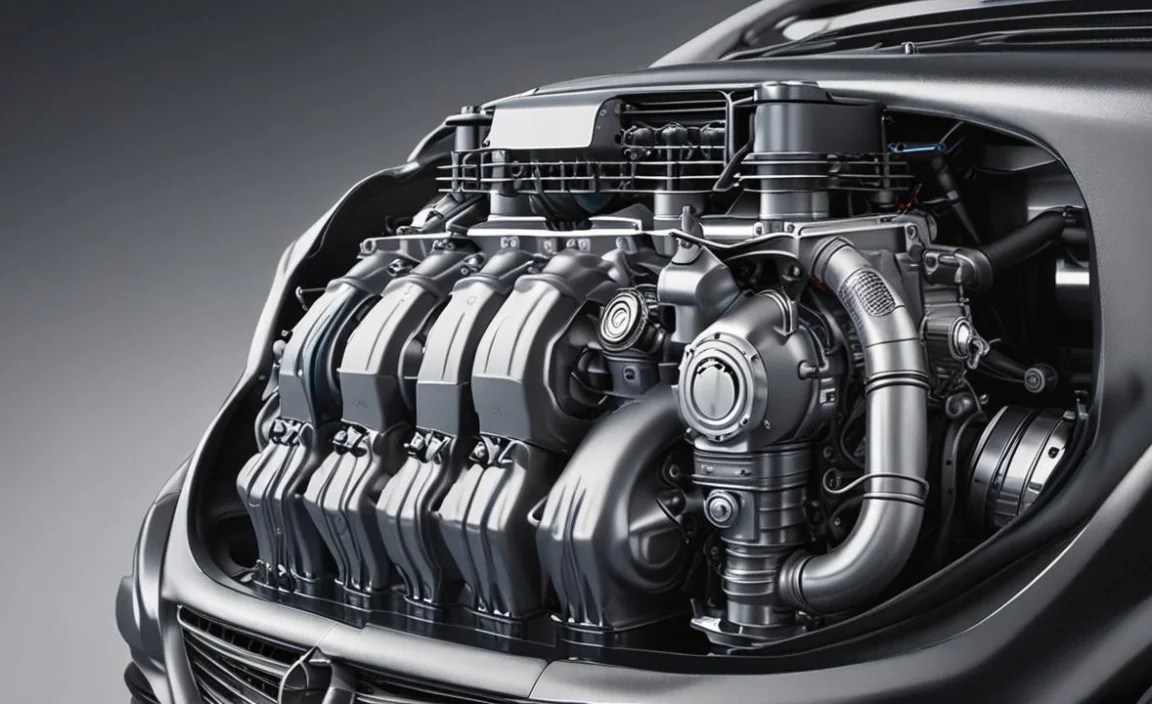
To provide a clear comparison, here’s a table summarizing the typical specifications of the V-Class diesel engines. Remember that exact figures can vary by model year, market, and specific trim level.
| Specification | V 220 d | V 250 d | V 300 d |
|---|---|---|---|
| Engine Type | 2.0L 4-Cyl Turbo Diesel | 2.0L 4-Cyl Turbo Diesel | 2.0L 4-Cyl Turbo Diesel |
| Horsepower (approx.) | 163 hp (120 kW) | 190 hp (140 kW) | 239 hp (175 kW) |
| Torque (approx.) | 380 Nm | 440 Nm | 500 Nm |
| Transmission | 9G-TRONIC Automatic | 9G-TRONIC Automatic | 9G-TRONIC Automatic |
| Drivetrain Options | RWD (Optional 4MATIC) | RWD (Optional 4MATIC) | RWD (Optional 4MATIC) |
| Key Strength | Efficiency, Refinement | Balanced Performance | Maximum Power & Torque |
This table clearly illustrates the progression of power and torque across the V-Class engine range. Even the entry-level V 220 d offers substantial torque, highlighting Mercedes-Benz’s focus on usable power.
Beyond Diesel: Exploring Other Engine Possibilities (Past and Future)
While diesel engines have been the dominant powertrain for the V-Class, especially in Europe, it’s worth noting that Mercedes-Benz is constantly evolving its offerings. In some markets or for specific models, you might encounter gasoline (petrol) engines, though these are less common for the V-Class’s typical use case of long-distance travel and high occupancy where diesel torque is highly advantageous.
Looking ahead, the automotive landscape is shifting rapidly towards electrification. Mercedes-Benz has already introduced the EQV, which is the all-electric version of the V-Class. This signifies Mercedes-Benz’s commitment to sustainable mobility, offering zero-emission transport without compromising on the luxury and practicality that the V-Class is known for. The EQV features electric drivetrains that deliver instant torque and a quiet, smooth ride, representing a different kind of “ultimate power” focused on sustainability and advanced technology.
Maintaining Your V-Class Engine for Longevity
To ensure your V-Class engine continues to deliver its “ultimate power” and reliability for years to come, regular and proper maintenance is essential. Following the manufacturer’s recommended service schedule is paramount. This typically includes:
Key Maintenance Tasks:
- Oil Changes: Regularly changing the engine oil and oil filter is crucial for lubrication and cooling. Follow your owner’s manual for the recommended oil type and service interval. For precise guidance, consult your V-Class owner’s manual or a certified Mercedes-Benz service center.
- Air Filter Replacement: A clean air filter ensures the engine receives adequate airflow for efficient combustion. Dirty filters can reduce performance and fuel economy.
- Fuel Filter Service: Especially important for diesel engines, a clean fuel filter prevents contaminants from reaching the injection system, protecting sensitive components.
- AdBlue Top-Ups (for Diesel SCR systems): If your V-Class uses an SCR system with AdBlue, ensure the AdBlue tank is kept topped up. The vehicle will typically provide warnings when the level is low, and low levels can prevent the engine from starting once depleted.
- Coolant and System Checks: Ensure the cooling system is functioning correctly to prevent overheating, which can cause severe engine damage.
- Belt Inspection: Serpentine belts and timing belts (if applicable to your specific engine) need regular inspection for wear and tear.
Performing these tasks diligently will not only maintain engine performance but also help prevent costly repairs down the line, ensuring your V-Class remains a dependable companion.
Frequently Asked Questions (FAQs) about V-Class Engines
To further clarify any lingering questions, here are some common queries:
What is the most powerful engine available in the Mercedes-Benz V-Class?
The most powerful engine typically found in the diesel V-Class range is the V 300 d, offering around 239 horsepower and 500 Nm of torque. In the electric realm, the upcoming EQV models will offer different power outputs, but all electric Mercedes-Benz vehicles deliver impressive instant torque.
Are V-Class engines reliable?
Yes, Mercedes-Benz engines, particularly their diesel offerings in the V-Class, are known for their reliability and durability when properly maintained. They are engineered to high standards for longevity.
What type of fuel does the V-Class engine use?
The vast majority of V-Class models are equipped with turbodiesel engines and therefore use diesel fuel. Some specific models or markets may offer gasoline (petrol) engines, and the EQV is fully electric.
Is the V-Class engine noisy?
Mercedes-Benz has made significant advancements in noise, vibration, and harshness (NVH) reduction. While diesel engines naturally have a different sound profile than gasoline engines, the V-Class engines are very well-insulated, offering a remarkably quiet and refined cabin experience.
What does “torque” mean for the V-Class?
Torque is a measure of rotational force. For the V-Class, high torque means it has strong pulling power and can accelerate with ease, especially when carrying heavy loads or towing. It’s often more indicative of an MPV’s practical performance than horsepower alone.
Can I use different fuel than recommended for my V-Class engine?
It is strongly advised to always use the fuel type recommended in your owner’s manual. Using the wrong fuel, especially in a diesel engine, can cause significant and


