
Mercedes SUV Tuning Guide: Ultimate Performance
Optimize your Mercedes SUV for exhilarating performance with expert tuning tips, from ECU remapping to suspension upgrades, enhancing power, handling, and driving pleasure.
Driving a Mercedes-Benz SUV is already a statement of luxury and capability. But what if you crave a bit more? Perhaps you envision sharper handling on your favorite winding roads or a noticeable boost in acceleration for those highway merging moments. You’re not alone. Many Mercedes SUV owners wonder how to unlock their vehicle’s full potential. This guide is designed to demystify the process. We’ll walk you through the key areas of performance tuning, making it accessible and understandable, even if you’re new to automotive modifications. Get ready to transform your refined ride into an even more exhilarating machine.
Understanding Your Mercedes SUV’s Performance Potential

Mercedes-Benz vehicles are engineered with precision, offering a harmonious blend of comfort, luxury, and performance. Even their SUV range, designed for versatility and capability, houses significant untapped potential. Factory settings often prioritize a balance of fuel efficiency, emissions compliance, and broad appeal. This means there’s often room for improvement in areas like horsepower, torque, throttle response, and cornering dynamics.
Tuning isn’t about turning your luxury SUV into a track weapon overnight. Instead, it’s about enhancing specific aspects of its performance to better suit your driving style and desires. Whether you own a sporty GLC, a commanding GLS, or a capable GLE, the principles of performance enhancement remain consistent. Our goal is to provide a clear path to understanding how these enhancements work and what you can expect.
Key Areas of Mercedes SUV Tuning

Performance tuning for your Mercedes SUV can be broken down into several key areas. Each plays a vital role in how your vehicle feels and performs. We’ll cover the most impactful modifications, focusing on what beginners need to know.&3>
1. ECU (Engine Control Unit) Tuning: The Heart of Performance
The ECU is essentially the brain of your engine. It manages everything from fuel injection and ignition timing to turbocharger boost pressure. Tuning the ECU involves reprogramming or replacing its software to optimize these parameters for increased power and improved throttle response.
What is ECU Tuning?
Also known as chip tuning or remapping, ECU tuning modifies the factory software to alter engine performance. This can lead to gains in horsepower and torque. Modern Mercedes-Benz vehicles utilize sophisticated ECUs, making professional tuning essential to avoid damage.
Types of ECU Tuning
- Remapping (Software Tuning): This involves altering the existing software within the ECU. It’s the most common and often most cost-effective method.
- Piggyback Modules (Hardware Tuning): These devices intercept signals sent to the ECU, modifying them to trick the engine into producing more power. They are generally less sophisticated than a full remapping.
- ECU Replacement: In some high-performance applications, the entire ECU might be swapped for a performance-oriented unit, though this is less common for typical SUV tuning.
Benefits of ECU Tuning
- Increased horsepower and torque
- Improved throttle response for a more dynamic feel
- Potentially better fuel efficiency (if optimized for economy alongside performance, though gains are often marginal when prioritizing power)
- Enhanced overall driving experience
What to Consider
It’s crucial to choose a reputable tuning company that specializes in Mercedes-Benz vehicles. They will have the knowledge and tools to safely optimize your ECU without compromising engine longevity. Improper tuning can lead to engine damage, void your warranty, and negatively affect emissions.
For a deeper understanding of how engine control units work, resources like those from the Society of Automotive Engineers (SAE) offer in-depth technical information, though these are advanced.
2. Exhaust System Upgrades: Letting Your Engine Breathe
The exhaust system’s primary job is to expel burnt gases from the engine. A factory exhaust is often designed with noise reduction and emissions in mind, which can restrict exhaust flow. Upgrading your exhaust can improve performance by reducing backpressure.
How an Exhaust Upgrade Helps
- Reduced Backpressure: A less restrictive exhaust allows spent gases to exit the engine more freely, enabling it to work more efficiently.
- Improved Sound: Performance exhaust systems often produce a deeper, more aggressive tone, enhancing the auditory experience of your drive.
- Weight Reduction: Some performance exhausts use lighter materials than stock, contributing to a slightly lower overall vehicle weight.
- Minor Performance Gains: While not as significant as ECU tuning alone, a freer-flowing exhaust can complement other modifications and contribute to small horsepower and torque increases.
Types of Exhaust Upgrades
- Cat-Back Systems: These replace the exhaust components from the catalytic converter back to the tailpipe. They are a popular choice for balancing performance and preserving emissions equipment.
- Axle-Back Systems: These are the most basic upgrade, typically replacing only the muffler and tips for a sound enhancement.
- Headers/Exhaust Manifolds: Replacing the exhaust manifold can offer significant performance gains but is a more involved and costly modification, often requiring additional tuning.
What to Consider
Ensure any exhaust upgrade complies with local noise and emissions regulations. Look for systems made from high-quality materials like stainless steel for durability. While many aftermarket systems are designed for a direct fit, professional installation is recommended for optimal performance and leak-free operation.
3. Air Intake Systems: More Air, More Power
Similar to the exhaust, the engine needs air to combust fuel. A performance air intake system aims to improve the flow of cooler, denser air into the engine, which can lead to a noticeable power increase.
How Upgraded Intakes Work
- Increased Airflow: Performance intakes typically feature larger diameter piping and high-flow air filters that allow more air to enter the engine compared to restrictive factory airboxes.
- Colder Air Intake: Some systems are designed to draw cooler ambient air from outside the engine bay, which is denser and contains more oxygen, leading to more efficient combustion.
- Engine Sound: You might notice a more pronounced intake noise (a sporty “whoosh” sound) under acceleration, which many enthusiasts enjoy.
Types of Air Intakes
- Cold Air Intakes (CAI): These are designed to draw air from a cooler location, often outside the engine bay.
- Short Ram Intakes: These are simpler systems that replace the stock airbox and filter, often resulting in less dramatic performance gains than a true CAI.
- Panel Filters: These are direct replacements for your stock air filter, offering a slight improvement in airflow without altering the entire intake system.
What to Consider
Ensure the intake is designed specifically for your Mercedes SUV model for proper fitment and optimal airflow. Some intake systems may benefit from ECU remapping to take full advantage of the increased airflow. Protect your engine by ensuring the filter is properly sealed and doesn’t allow contaminants into the intake.
4. Suspension and Handling Upgrades: Sharpening the Drive
While enhancing engine power is exciting, your SUV’s handling is equally important for a confident and sporty driving experience. Suspension upgrades can drastically improve cornering, stability, and overall road feel.
Key Suspension Components
Upgrading these components can make a significant difference:
- Performance Springs: Lowering springs can reduce body roll and lower the center of gravity. They are often stiffer than stock springs.
- Performance Shocks/Struts (Dampers): These work with the springs to control the suspension’s movement. Performance shocks offer better damping control for a firmer, more responsive ride.
- Sway Bars (Anti-Roll Bars): These connect opposite wheels to resist body lean during cornering, significantly reducing body roll.
- Coilovers: These combine springs and adjustable dampers into a single unit, offering adjustable ride height and damping for fine-tuning.
Benefits of Suspension Tuning
- Reduced body roll during cornering
- Improved steering response and feedback
- Enhanced stability at higher speeds and during sudden maneuvers
- A sportier, more connected driving feel
What to Consider
The goal is to improve handling without sacrificing too much ride comfort. A good balance is key for a luxury SUV. Consider adjustable suspension components if you plan to fine-tune your setup. Always ensure that any suspension modifications are compatible with your SUV’s all-wheel-drive system (if applicable).
5. Tire and Wheel Upgrades: The Foundation of Grip
Your tires and wheels are the only points of contact between your SUV and the road. Upgrading them can have a profound impact on performance.
Tire Considerations
- Performance Tires: Switching to high-performance summer tires can offer significantly more grip, better braking distances, and sharper handling.
- Wider Tires: Wider tires can increase the contact patch with the road, improving traction and cornering stability.
Wheel Considerations
- Lighter Wheels: Lightweight alloy wheels reduce unsprung mass (the weight of components not supported by the suspension). This improves ride quality, acceleration, and handling.
- Larger Diameter Wheels: While often chosen for aesthetics, larger wheels can sometimes accommodate larger brakes and allow for lower-profile performance tires, though they can also increase weight and potentially compromise ride comfort.
What to Consider
Always ensure that new wheels have the correct bolt pattern and offset for your Mercedes SUV to avoid fitment issues and potential stress on suspension components. Tire load ratings and speed ratings must be appropriate for your vehicle’s weight and intended use. Consult resources like Tire Rack’s guide to wheel and tire fitment for detailed information.
6. Braking System Enhancements: Stopping Power
More power means you need more reliable stopping power. Upgrading your brakes is a crucial safety and performance enhancement.
Brake Upgrade Options
- Performance Brake Pads: A relatively inexpensive upgrade that can significantly improve initial bite and fade resistance.
- Performance Brake Rotors: Slotted or drilled rotors can help dissipate heat and improve braking performance, especially under heavy use.
- Brake Lines: Stainless steel braided brake lines replace softer rubber lines, providing a firmer pedal feel and more consistent braking.
- Big Brake Kits (BBK): These comprehensive kits include larger rotors, multi-piston calipers, and often new master cylinders for the ultimate upgrade in stopping power and heat management.
What to Consider
Ensure any brake upgrades are compatible with your existing wheel size. For big brake kits, professional installation is highly recommended. Always prioritize safety and choose reputable brands known for quality and reliability.
Performance Packages for Mercedes SUVs

Many manufacturers, including Mercedes-Benz, offer performance-focused trims or optional packages that provide a factory-tuned experience. These are excellent starting points for understanding what’s possible and can offer a balanced approach to increased performance.
AMG Models and Packages
Mercedes-AMG models are factory-tuned performance variants. If you’re looking for a significant performance leap straight from the showroom, an AMG SUV (like the GLC 63, GLE 63, or GLS 63) is the ultimate expression. These vehicles feature:”
- More powerful engines (often hand-built)
- Upgraded brakes and suspension systems&
- More powerful engines (often hand-built)
- Upgraded brakes and suspension systems
- Enhanced aerodynamics and styling
- Sport-tuned exhaust systems
- Advanced performance technologies
AMG models are engineered to deliver high performance without compromising the luxury experience that Mercedes-Benz is known for.
Cost of Tuning a Mercedes SUV

Performance tuning costs can vary significantly depending on the level of modification.
- ECU tuning: Moderate cost, high impact
- Exhaust upgrades: Moderate to high cost depending on system type
- Intake systems: Relatively affordable entry-level upgrade
- Suspension upgrades: Moderate to high cost depending on components
- Brake upgrades: Essential investment for safety
It’s important to plan your upgrades based on budget and performance goals rather than modifying everything at once.
Maintenance After Performance Upgrades
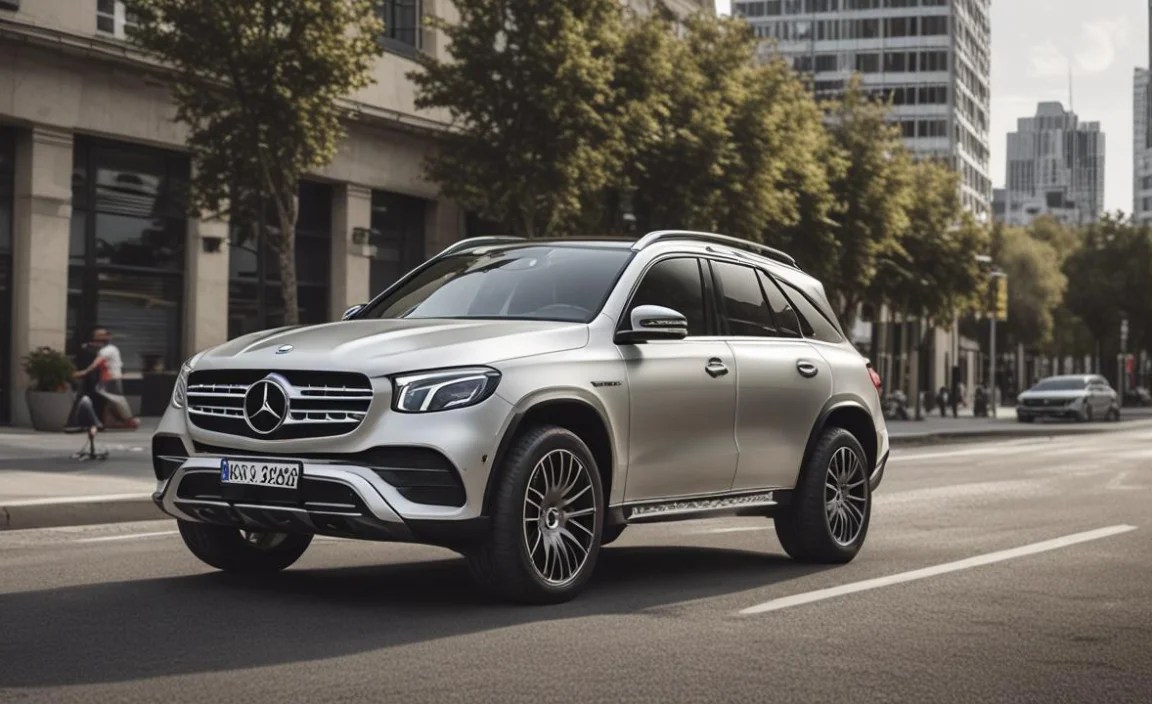
After upgrading your Mercedes SUV, proper maintenance becomes even more critical.
- Use high-quality engine oil and fluids
- Monitor engine performance regularly
- Inspect upgraded components periodically
- Follow shorter service intervals if needed
- Keep ECU software optimized
Well-maintained upgrades ensure long-term performance and reliability.
Common Mistakes to Avoid
Many beginners make avoidable mistakes when tuning their SUV.
- Choosing low-quality aftermarket parts
- Skipping professional tuning for ECU upgrades
- Ignoring braking system upgrades
- Over-modifying without understanding balance
- Not considering warranty and legal implications
Smart tuning is about balance—not just adding power.
Conclusion
Tuning your Mercedes SUV is one of the most effective ways to enhance both performance and driving enjoyment. From ECU remapping and improved airflow to suspension tuning and braking upgrades, each modification plays a role in transforming your vehicle into a more responsive and capable machine.
However, true performance lies in balance. Increasing power without improving handling or braking can lead to an uneven and less safe driving experience. By focusing on high-quality upgrades, proper installation, and ongoing maintenance, you can unlock your SUV’s full potential while preserving its reliability and luxury feel.
Ultimately, the best tuning approach is a thoughtful one—tailored to your driving style, budget, and expectations. When done correctly, your Mercedes SUV becomes not just faster, but smarter, sharper, and far more rewarding to drive.
Frequently Asked Questions (FAQs)
Q1: Is ECU tuning safe for Mercedes SUVs?
Yes, ECU tuning is safe when performed by reputable professionals using reliable software. Poor tuning, however, can lead to engine damage.
Q2: How much horsepower can I gain from tuning?
Depending on the model and engine, ECU tuning alone can increase horsepower by 10% to 30%. Additional upgrades can further enhance performance.
Q3: Will tuning void my Mercedes warranty?
Some modifications, especially ECU tuning, may void parts of your warranty. It’s important to check with your dealer before making changes.
Q4: What is the best first upgrade for beginners?
ECU tuning or a performance air intake is often the best starting point, offering noticeable gains without complex installation.
Q5: Do I need to upgrade brakes after increasing power?
Yes, upgrading brakes is highly recommended to ensure safety and maintain control with increased performance.
Q6: Can I tune my Mercedes SUV for better fuel efficiency?
Yes, some ECU tuning options focus on optimizing fuel efficiency, though performance tuning typically prioritizes power over economy.
Q7: Are performance upgrades legal everywhere?
Not always. Some modifications may not comply with emissions or noise regulations, depending on your location. Always check local laws.


