
Mercedes SUV Grille Design: Stunning & Powerful
Mercedes SUV grille design is a key element of its luxury status, blending striking aesthetics with aerodynamic function. The iconic star and intricate patterns convey power and sophistication, setting Mercedes-Benz SUVs apart with a distinctive, commanding presence.
The grille of your Mercedes-Benz SUV is more than just a front-end feature; it’s a statement. For many, it’s the first visual cue that signals the power, luxury, and engineering excellence synonymous with the brand. Understanding the design philosophy behind these grilles can deepen your appreciation for your vehicle and even help you spot subtle differences between models. Let’s explore how Mercedes-Benz creates a grille that is both stunning and powerfully iconic.
From the muscular stance of the GLS to the sleek profile of the GLC, the grille plays a pivotal role in defining the SUV’s character. It’s a canvas where design meets function, influencing everything from airflow to brand recognition. We’ll break down the evolution, core elements, and variations of Mercedes SUV grille design, making it easy for you to appreciate these automotive masterpieces.
Evolution of the Mercedes SUV Grille

The Mercedes-Benz grille has a rich history, evolving to reflect changing design trends and technological advancements while consistently retaining its core identity. Early Mercedes models, even those that predated the SUV era as we know it, established a strong vertical grille as a hallmark. As the company ventured into SUVs, this foundational element was adapted to suit the more robust and commanding stance required of these vehicles.
The introduction of the M-Class (now GLE) in the late 1990s marked a significant step for Mercedes in the SUV segment. Its grille was designed to be substantial, projecting a sense of security and capability. Over the years, the design language has refined, incorporating sleeker lines, more intricate patterns, and integrated LED lighting, all while maintaining the prominent Mercedes-Benz star that sits proudly at the center.
Today, the grille is a dynamic element, often featuring active shutters for improved aerodynamics and engine cooling. This evolution showcases Mercedes-Benz’s commitment to blending timeless elegance with cutting-edge innovation. The core idea remains: to create a front fascia that is instantly recognizable, exuding confidence and prestige.
The Signature Elements of Mercedes SUV Grille Design

Several key elements consistently define the distinctive look of a Mercedes-Benz SUV grille. These are the building blocks that designers use to create that unmistakable Mercedes presence.
The Mercedes-Benz Star
Undeniably the most iconic element, the three-pointed star is the focal point of nearly every Mercedes-Benz grille. Whether subtly integrated or proudly standing proud, its presence signifies brand heritage and luxury. In SUVs, the star often appears larger and more dominant, reinforcing the vehicle’s commanding stature.
Grille Patterns and Layouts
Mercedes-Benz employs a variety of grille patterns, each conveying a slightly different message:
- Single-Slatted Grille: Often found on more performance-oriented models like AMG variants, this design features a prominent horizontal bar (or “blade”) that spans the grille, with the star mounted centrally. It conveys sportiness and dynamism.
- Two-Slatted Grille: A more common design, this offers a balanced look between luxury and sportiness. The two horizontal slats provide a structured appearance, complementing the overall sophisticated aesthetic.
- Panamericana Grille: Exclusive to certain AMG models, this aggressive vertical-slat design is directly inspired by racing heritage, giving the SUV a distinctly track-ready appearance.
- Diamond Grille: This design features a multitude of small, diamond-shaped elements that create a textured, sparkling effect. It adds a layer of intricate detail and modern luxury.
Chromework and Finishes
The use of chrome accents is a hallmark of Mercedes-Benz design, enhancing the grille’s visual appeal and perceived quality. Depending on the model and trim level, you’ll find varying amounts of chrome:
- Full Chrome: Offers a classic, luxurious statement.
- Silver or Iridium Silver: A slightly more subdued, elegant finish.
- High-Gloss Black: Often used on AMG Line or performance models, this finish adds a sporty, assertive touch.
Shape and Integration
The shape of the grille itself is crucial. Mercedes SUV grilles are typically broad and often trapezoidal or shield-shaped, designed to fill the space between the headlights and connect with the lower bumper. They are seamlessly integrated into the overall front fascia design, contributing to a cohesive and powerful look.
Understanding Different Mercedes SUV Grille Types

Mercedes-Benz strategically uses variations in grille design to differentiate its SUV lineup and cater to specific model identities. While the core principles remain, the execution varies significantly.
Standard vs. AMG Line vs. AMG Models
The distinction between standard, AMG Line, and full AMG models is often most evident in their grille designs.
| Model Type | Typical Grille Design | Visual Emphasis |
|---|---|---|
| Standard Models (e.g., GLC, GLE, GLS) | Often features a two-slatted design with a broader appearance. The grille is typically framed with chrome. | Elegant, luxurious, and sophisticated. |
| AMG Line (Optional package on standard models) | Adopts sportier styling cues, often with a more aggressive single-slat or diamond-block pattern. May feature blacked-out elements alongside chrome. | Sporty, dynamic, and assertive. |
| Full AMG Models (e.g., GLC 63 AMG, GLE 63 AMG) | Features the most aggressive designs, such as the Panamericana grille with vertical slats or a dominant single-slatted design. Often uses darker finishes. | High-performance, race-inspired, and powerful. |
Specific Model Variations
Different SUV classes have unique takes on the grille:
- Compact SUVs (GLA, GLB): These tend to have grilles that are proportional to their smaller size, often featuring prominent slats and a central star that projects outward.
- Mid-Size SUVs (GLC, GLE): Grilles here are more substantial, showcasing a balance of luxury and sportiness. The two-slatted design is common, emphasizing width and presence.
- Full-Size SUVs (GLS): The GLS boasts one of the most imposing grilles, designed to match its flagship status. It’s often wider and taller, with bold slats that convey ultimate luxury and authority.
- Electric SUVs (EQA, EQB, EQC, EQE SUV, EQS SUV): Electric models often reimagine the grille entirely. Many feature a closed-off front panel, sometimes referred to as a “Black Panel” grille, with integrated lighting or subtle patterns, signifying their advanced, futuristic nature. Some still incorporate a central star emblem.
The Functionality Behind the Design
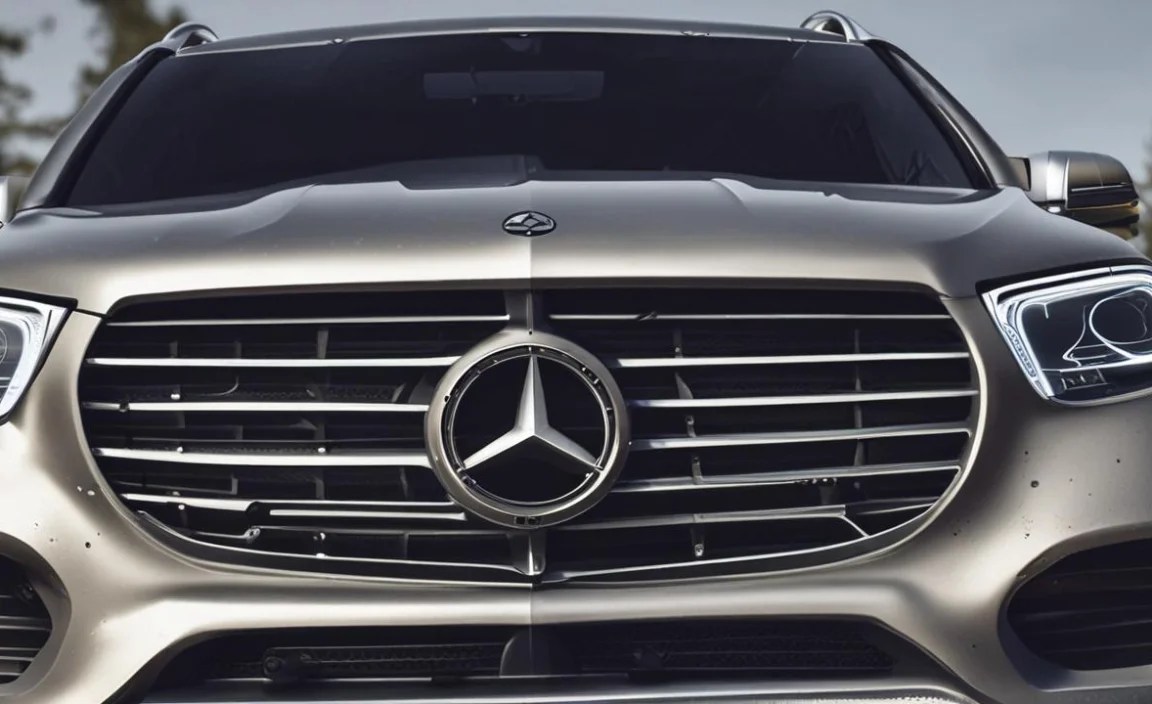
While stunning looks are paramount, Mercedes-Benz SUV grilles are engineered with significant functional considerations. These aren’t just decorative elements; they contribute to the vehicle’s performance, efficiency, and safety.
Aerodynamics and Airflow
The shape, size, and even the specific patterns within the grille are meticulously designed to manage airflow. Smooth airflow over the vehicle’s front reduces drag, which is crucial for fuel efficiency and high-speed stability. The grille directs air to the engine’s cooling system and other vital components, ensuring optimal operating temperatures without creating unnecessary turbulence. Research from organizations like the National Aeronautics and Space Administration (NASA) highlights the critical role of aerodynamic shaping in vehicle performance.
Cooling and Thermal Management
The primary functional role of the grille is to allow air to enter and cool the radiator and intercoolers. The size of the grille openings, the spacing of the slats, and the overall grille volume are engineered to provide sufficient cooling under various driving conditions – from stop-and-go city traffic to sustained high-speed highway cruising. In some performance models, you’ll even find additional air intakes integrated around or below the main grille to provide extra cooling for brakes and the engine during demanding situations.
Active Grille Shutters (AGS)
Many modern Mercedes-Benz SUVs are equipped with Active Grille Shutters (AGS). These are electronically controlled flaps within the grille that can open or close the airflow path.:
- When Closed: They improve aerodynamics by creating a smoother, more slippery front end, reducing drag and enhancing fuel economy or electric range. This is particularly effective during highway driving when cooling demands are lower. AGS can also help the engine warm up faster in cold weather.
- When Open: They allow maximum airflow to the engine’s cooling system when the vehicle requires more cooling, such as during intense driving, towing, or in very hot conditions.
The decision to open or close the shutters is made by the vehicle’s sophisticated engine control unit based on a multitude of sensor inputs. This technology optimizes efficiency and performance without compromising the driver’s experience.
Sensor Integration
Modern Mercedes-Benz grilles must also accommodate various sensors for driver-assistance systems, such as adaptive cruise control (Distronic Plus) and parking assist. These sensors, like radar and cameras, are often subtly integrated behind the grille slats or within the grille itself, requiring careful design to maintain both aesthetics and functionality. The Mercedes-Benz user manual or official vehicle documentation provides detailed information on the placement and care of these integrated sensors.
Design Inspiration and Philosophy

Mercedes-Benz designers draw inspiration from a deep heritage, combining it with forward-thinking concepts to create grilles that resonate with luxury and power.
Heritage and Tradition
The enduring three-pointed star is grounded in over a century of automotive history. Early radiator grilles were functional necessities, but they quickly became a signature element. Mercedes-Benz designers respect this legacy, ensuring the grille remains a prominent feature that speaks to the brand’s long-established reputation for quality and engineering. The vertical lines and structured appearance of many Mercedes grilles are directly linked to the early days of automobiles.
Modern Luxe and Sportiness
Beyond tradition, Mercedes-Benz aims to project a modern image. This is achieved through:
- Clean Lines: Grilles are often designed with a sharp, precise aesthetic, reflecting German engineering precision.
- Material Quality: The use of high-quality chrome, gloss black, or even carbon fiber accents elevates the perceived value and luxurious feel.
- Dynamic Silhouettes: The overall shape of the grille, often wider and more horizontal on SUVs, contributes to a planted, athletic stance.
- AMG Influence: The pursuit of performance is evident even in non-AMG models through AMG Line styling packages, bringing sportier grille designs, like the Panamericana or aggressive single-slat approaches, to a wider audience.
The Future of Grille Design: Electric SUVs
With the advent of electric vehicles, traditional grille designs are being re-examined. EVs, with less need for conventional radiator cooling, allow for greater design freedom. Mercedes-Benz’s EQ range often features a “Black Panel” front fascia. This is not a traditional grille but a smooth, often gloss-black panel that can incorporate the star, lighting elements, and sensors. This futuristic approach signifies the shift in automotive technology while still retaining brand identity. This innovation is explored by many automotive design bodies discussing future trends in vehicle aesthetics.
How to Care for Your Mercedes SUV Grille
Maintaining the pristine look of your Mercedes SUV’s grille is straightforward with the right approach. It’s a prominent part of your vehicle’s aesthetic, so keeping it clean and protected will enhance its overall appearance.
Regular Cleaning Techniques
The best way to maintain your grille is through regular, gentle cleaning:
- Materials Needed:
- Two buckets (one for soapy water, one for rinse water)
- pH-neutral car wash soap
- Soft microfiber wash mitt
- Soft microfiber drying towels
- Gentle detailing brushes for tight spots
- Wheel cleaner (ensure it’s safe for grille finishes if applicable)
- Washing Process:
- Rinse: Start by rinsing the grille thoroughly with water to remove loose dirt and debris. This prevents scratching during the washing phase.
- Wash: Dip your microfiber wash mitt into your soapy water bucket and gently wash the grille, working from top to bottom. Avoid abrasive scrubbing.
- Rinse Mitt: Rinse your mitt thoroughly in the clean water bucket before going back to the soap bucket. This two-bucket method is crucial for preventing swirl marks.
- Detailing Brushes: Use a soft detailing brush (like a boar’s hair brush) to clean around the star emblem, between slats, and in any crevices where the wash mitt can’t reach.
- Final Rinse: Rinse the entire grille again with clean water.
- Dry: Immediately dry the grille with a clean, soft microfiber towel to prevent water spots.
Dealing with Bugs and Grime
Insect splatters and road grime can be tough. For these:
- Use a dedicated bug and tar remover specifically designed for automotive use.
- Spray the affected area and let the product dwell for the recommended time (follow product instructions).
- Gently wipe away with a microfiber towel.
- Rinse the area thoroughly afterward.
Protecting Chrome and Finishes
To maintain the shine and protect the finishes:
- Chrome Polish: Occasionally, polish chrome elements with a quality chrome polish. This removes minor oxidation and restores a brilliant shine.
- Paint Protection: If your grille has painted sections, consider applying a paint sealant or ceramic coating. These products provide a protective layer that repels dirt, makes cleaning easier, and enhances gloss. Reputable detailing product manufacturers offer excellent options for this.
- Avoid Harsh Chemicals: Never use abrasive cleaners, steel wool, or harsh degreasers on your grille, as they can permanently damage the finish.
Prevention Tips
- Consider applying a ceramic spray coating during routine washes. This makes it harder for dirt and bugs to adhere.
- If parking in areas prone to debris, consider a temporary car cover.
FAQs about Mercedes SUV Grille Design
What makes the Mercedes-Benz SUV grille so recognizable?
The Mercedes-Benz SUV grille is recognizable due to the prominent three-pointed star emblem, the consistent use of quality materials like chrome, distinct slat designs (often two horizontal slats or single aggressive slats on AMG models), and its integration into a powerful, confident front-end design that conveys luxury and performance.
Is the grille on all Mercedes-Benz SUVs the same?
No, the grille design varies across different Mercedes-Benz SUV models and trim levels. Compact SUVs have proportionally smaller grilles, while full-size SUVs have larger, more imposing ones. AMG models feature sportier and more aggressive grille designs compared to standard models. Electric EQ SUV models often have unique “Black Panel” designs.
What is the Panamericana grille?
The Panamericana grille is an aggressive design characterized by vertical slats. It is inspired by Mercedes-Benz’s racing heritage, particularly from the 300 SL racing car. This grille is typically found on high-performance AMG SUV models, giving them a track-inspired, very


