
Mercedes GLS Maintenance Cost: Effortless Luxury Awaits
The Mercedes-Benz GLS maintenance cost is manageable for a luxury SUV, typically ranging from $800 to $1,500 annually for routine services. While specialized repairs can be higher, proactive owner upkeep and choosing the right service provider significantly impact the overall expense, ensuring your GLS remains a symbol of effortless luxury.
Owning a Mercedes-Benz GLS is an aspiration for many, embodying a blend of commanding presence, opulent comfort, and cutting-edge technology. The sheer size and premium features naturally lead to questions about its upkeep. Many potential owners wonder, “What is the Mercedes GLS maintenance cost?” It’s a valid concern, as luxury vehicles can sometimes come with intimidating service bills. However, with the right knowledge and approach, maintaining this magnificent machine can be surprisingly straightforward and less daunting than you might imagine. This guide aims to demystify the ongoing costs associated with your GLS, helping you budget effectively and maintain its peak performance and pristine condition. We’ll break down what contributes to the costs, what to expect at different service intervals, and how to keep your ownership experience as luxurious as the drive itself.
Understanding Your Mercedes GLS Maintenance Investment

When we talk about “maintenance cost,” it’s helpful to categorize it into routine services and potential repair expenditures. Routine maintenance is predictable and essential for keeping your GLS running smoothly and reliably. These are the scheduled services recommended by Mercedes-Benz to preserve the vehicle’s integrity and optimize its performance. Think of them as regular check-ups for your health, ensuring everything is in its optimal state. On the other hand, repairs are less predictable and can arise from wear and tear, unexpected issues, or incidents. While we can’t always foresee repairs, understanding common areas of attention and adopting preventative measures can significantly mitigate these costs.
The Pillars of GLS Maintenance: What’s Included?

At its core, Mercedes-Benz GLS maintenance revolves around a few key areas designed to keep this large, sophisticated SUV performing at its best. These fundamental aspects are crucial for longevity and owner satisfaction:
- Fluid Checks and Changes: Engine oil, transmission fluid, brake fluid, coolant, and power steering fluid all need regular inspection and replacement. These vital fluids keep components lubricated, cool, and functioning correctly.
- Filter Replacements: Air filters (engine and cabin) and oil filters are critical for clean air intake and oil purity. Clogged filters can reduce performance and fuel efficiency.
- Brake System Inspection: Thorough checks of brake pads, rotors, and fluid are paramount for safety.
- Tire Rotation and Wear: Regular rotation ensures even tire wear, extending their life and maintaining balanced handling.
- System Diagnostics: Modern Mercedes-Benz vehicles utilize advanced computer systems. Regular diagnostics ensure all electronic components are communicating properly and identify potential issues early.
- General Inspection: This includes checking belts, hoses, suspension components, lights, wipers, and exhaust systems for any signs of wear or damage.
Predicting Your Mercedes GLS Maintenance Costs

The exact cost of maintaining a Mercedes-Benz GLS can vary based on several factors, including the specific model year, engine configuration (e.g., GLS 450, GLS 580, AMG GLS 63), geographic location, and whether you opt for dealership services or an independent specialist. However, for a general overview, we can look at typical intervals and associated expenses.
Mercedes-Benz generally adheres to a flexible service system, indicated by “Service A” and “Service B” (or similar depending on model year). These service types alternate and are determined by the vehicle’s onboard service monitor. Service A usually involves an oil change and filter replacement, along with a multi-point inspection. Service B is typically more comprehensive, including an oil change, filter replacement, cabin air filter replacement, brake fluid flush, and a more in-depth inspection.
It’s important to note that these are estimates, and actual costs can fluctuate. For the most accurate figures, consult your owner’s manual or a trusted Mercedes-Benz service advisor.
Typical Service Intervals and Estimated Costs

Here’s a look at common service intervals and what you might expect. These are based on general guidelines for newer models and can serve as a helpful budget reference.
| Service Type | Approximate Mileage Interval | Typical Services Included | Estimated Cost Range (USD) |
|---|---|---|---|
| Service A | ~10,000 – 15,000 miles | Synthetic oil and filter change, tire pressure check, fluid level top-offs, multi-point inspection. | $250 – $450 |
| Service B | ~20,000 – 30,000 miles (follows Service A) | Includes Service A items plus cabin air filter replacement, brake fluid change, and more extensive checks (e.g., suspension, drive shafts). | $600 – $1,000 |
| Major Service (e.g., 30k, 60k miles) | ~30,000 or 60,000 miles | May include spark plug replacement, transmission fluid service, differential fluid service (depending on model/year), and other component checks. | $800 – $2,000+ |
| Brake Fluid Flush | Every 2 years (regardless of mileage) | Replacement of old brake fluid with new, ensuring optimal braking performance and preventing corrosion. | $100 – $200 |
| Tire Rotation | Every oil change or ~7,500 miles | Moving tires to different positions to promote even wear. | $0 – $50 (often included in Service A/B) |
These figures represent services performed at an authorized Mercedes-Benz dealership. Prices at independent European car specialists may be lower.
Factors Influencing Your GLS Maintenance Expenses

While the above table provides a baseline, several factors can cause your Mercedes GLS maintenance cost to be higher or lower:
- Model Year and Technology: Newer models with more advanced technology might have more complex diagnostics, potentially increasing labor costs. Older GLS models might require specific parts that are harder to source.
- Engine Type: The more powerful engines, especially those found in the AMG GLS 63 variants, often have more demanding performance needs and may use specialized fluids or components, leading to higher service costs.
- Driving Habits: Aggressive driving, frequent towing, or consistently driving in severe conditions (e.g., extreme heat, stop-and-go traffic, dusty environments) can accelerate wear on components like brakes, tires, and fluids, necessitating more frequent or robust maintenance.
- Geographic Location: Labor rates can vary significantly by region. Areas with a higher cost of living typically have higher automotive service prices.
- Service Provider: As mentioned, authorized Mercedes-Benz dealerships generally charge more than independent European auto repair shops. However, dealerships offer specialized expertise and genuine OEM parts, which can be crucial for complex repairs.
- Tire and Brake Wear: These are consumables. The lifespan of your tires and brake pads/rotors will depend heavily on your driving style and conditions. High-performance tires and larger brake systems on some GLS models can also be more expensive to replace.
Beyond Routine: Common Wear-and-Tear Items

Beyond the scheduled services, certain components are expected to wear out over time and will require replacement. Understanding these can help you budget for larger, less frequent expenses:
Tires
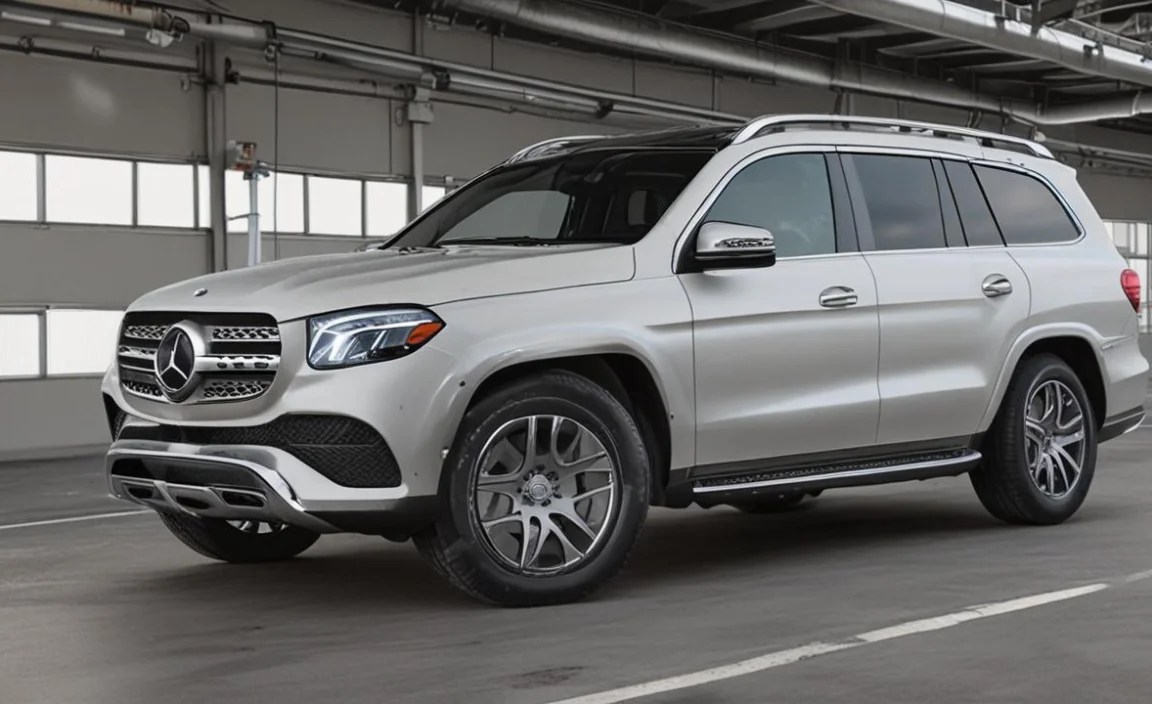
The GLS is a hefty vehicle, and its tires play a crucial role in ride comfort and handling. Expect to replace tires every 30,000 to 50,000 miles, depending on the brand, model, and your driving habits. High-performance or run-flat tires, often fitted to luxury SUVs, can be more expensive, potentially costing anywhere from $250 to $500 per tire.
Brakes

Brake pads and rotors are critical safety components. Depending on driving style, you might need front brake pads every 30,000-40,000 miles and rear pads a bit more frequently. Rotors typically last longer, perhaps two sets of pads. A set of brake pads for a GLS can cost between $300 and $800, while rotor replacement could add another $400-$1000 depending on the vehicle’s braking system.
Battery
A luxury vehicle like the GLS often uses advanced battery systems. Replacement can range from $300 to $700, depending on the type and warranty.
Spark Plugs
Often replaced during a major service interval (e.g., around 60,000 miles), spark plugs ensure efficient combustion. The cost can range from $400 to $800 for a set, including labor.
The Importance of Genuine Parts and Expert Technicians

When it comes to maintaining a Mercedes-Benz GLS, using genuine Mercedes-Benz parts is highly recommended. These parts are engineered specifically for your vehicle, ensuring optimal fit, performance, and durability. While aftermarket parts might seem cheaper, they may not meet the same stringent quality and safety standards, potentially leading to premature failure or reduced performance.
Similarly, having your GLS serviced by certified technicians who specialize in Mercedes-Benz vehicles is invaluable. They possess the specific knowledge, diagnostic tools, and experience to correctly identify and resolve issues. Mercedes-Benz provides extensive training and certification for its technicians, ensuring they are up-to-date with the latest technologies and recommended service procedures.
For more information on maintaining your vehicle according to manufacturer standards, the U.S. Department of Transportation offers general guidance on vehicle care and maintenance that applies to all car owners.
Cost-Saving Strategies for GLS Owners

While maintaining a GLS is an investment, there are smart ways to manage the costs:
- Adhere to the Maintenance Schedule: Following Mercedes-Benz’s recommended service intervals is the best way to prevent minor issues from becoming costly problems. Regular maintenance helps ensure longevity and avoids unexpected repairs.
- Compare Service Providers: Get quotes from multiple authorized dealerships and reputable independent Mercedes-Benz specialists. While dealerships offer OEM parts and specialized expertise, independent shops can sometimes offer competitive pricing.
- Consider a Pre-Paid Maintenance Plan: Mercedes-Benz often offers pre-paid maintenance packages when you purchase a new or certified pre-owned vehicle. These can lock in current prices and offer a discount compared to paying for services individually over several years.
- Drive Wisely: Gentle acceleration and braking, proper tire inflation, and avoiding excessive idling can reduce wear and tear on various components, saving you money on consumables and potential repairs.
- Look for Deals and Promotions: Dealerships and specialists sometimes offer service specials or discounts. Keep an eye out for these opportunities.
- DIY Simple Tasks: While major services are best left to professionals, you can often handle simple tasks like checking and topping off fluid levels or inspecting wiper blades yourself to ensure they are in good condition between services.
Mercedes GLS Maintenance Cost vs. Value

When considering the Mercedes GLS maintenance cost, it’s essential to weigh it against the vehicle’s inherent value. This isn’t just about transportation; it’s about owning a piece of automotive excellence. The GLS offers unparalleled comfort, advanced safety features, robust performance, and the prestige associated with the Mercedes-Benz brand.
The engineering that goes into a vehicle like the GLS contributes to its longevity and its ability to retain value over time. Regular, expert maintenance is the key to unlocking this full potential and ensuring that your investment continues to provide enjoyment and reliability for years to come. The “effortless luxury” you experience with every drive is a direct result of this meticulous engineering and the commitment to its upkeep.
Frequently Asked Questions (FAQ)
What is the average annual maintenance cost for a Mercedes GLS?

The average annual maintenance cost for a Mercedes-Benz GLS typically falls between $800 and $1,500 for routine services. This figure can increase significantly if major repairs or non-scheduled maintenance items are required.
Is the Mercedes GLS expensive to repair out of warranty?

Yes, repairs for a Mercedes-Benz GLS can be expensive once the warranty expires, especially for complex systems or specialized components. Parts and labor for luxury vehicles are generally higher than for mainstream brands.
Are older Mercedes GLS models more affordable to maintain?

While older models might have fewer complex electronic systems, they can also present challenges with parts availability and may require more frequent repairs due to age. However, the overall cost can sometimes be lower if common wear-and-tear items are addressed proactively.
What is the most common expensive repair for a Mercedes GLS?

Among the more expensive potential repairs could be transmission issues, complex electronic control unit (ECU) failures, or significant engine component replacements. However, these are not guaranteed and depend heavily on the vehicle’s history and care.
Does Mercedes-Benz offer maintenance plans for the GLS?

Yes, Mercedes-Benz offers pre-paid maintenance packages that can cover scheduled services for a set period or mileage. These plans can help manage costs and budget for your GLS’s upkeep.
How often does a Mercedes GLS need an oil change?

Your Mercedes-Benz GLS typically requires an oil change every 10,000 to 15,000 miles, or as indicated by the vehicle’s onboard service reminder system (Service A/B). It’s crucial to use the recommended synthetic oil specifications.
Can I save money by using an independent mechanic instead of a dealership for GLS maintenance?

Often, yes. Reputable independent mechanics specializing in European cars, particularly Mercedes-Benz, can perform maintenance and repairs at a lower labor rate than dealerships. However, ensure they use quality parts and have the correct diagnostic equipment.
Conclusion: Embracing Luxury with Confidence
Owning a Mercedes-Benz GLS is an experience defined by unparalleled luxury, advanced engineering, and sophisticated design. The maintenance cost, while a consideration for any luxury vehicle, is a manageable aspect of ownership when approached with knowledge and a proactive mindset. By understanding the routine service schedules, potential wear-and-tear items, and implementing smart cost-saving strategies, you can ensure your GLS remains in pristine condition without undue financial strain.
Prioritizing genuine parts, expert technicians, and consistent adherence to the maintenance plan are the cornerstones of preserving your GLS’s performance, safety, and residual value. The investment in its upkeep is an investment in continued enjoyment, reliability, and the effortless luxury that defines the Mercedes-Benz GLS experience. With this guide, you are now better equipped to navigate the maintenance landscape, making informed decisions and keeping your magnificent SUV performing at its peak for years to come.


