
Mercedes GLK Discontinued Model: The Ultimate Legend
The Mercedes-Benz GLK, despite being discontinued, remains a legendary compact luxury SUV, celebrated for its rugged styling, solid build, and a driving experience that balanced comfort with capability. If you’re curious about this iconic model, understand its place in Mercedes-Benz history, and why it continues to be a sought-after vehicle.
It’s common to wonder about the fate of beloved car models, and for many Mercedes-Benz enthusiasts, the GLK occupies a special place. You might be researching a potential purchase or simply reminiscing about this distinctively styled SUV. The departure of the GLK from Mercedes-Benz’s lineup left a void, but its legacy as a capable and stylish compact luxury SUV is undeniable. This guide will delve into what made the GLK so special, its production years, and why it continues to be a legend among its peers. We’ll explore its key features, its evolution, and what makes it a smart choice even today.
The Mercedes-Benz GLK: A Legend in Compact Luxury

When the Mercedes-Benz GLK first arrived on the scene, it brought a fresh, boxy aesthetic to the burgeoning segment of compact luxury SUVs. Eschewing the sleeker, more car-like designs of some competitors, the GLK embraced a more muscular and utilitarian appearance, reminiscent of its larger G-Class sibling. This bold design choice, coupled with Mercedes-Benz’s renowned engineering and luxury, quickly carved out a niche for the GLK. It offered a premium driving experience, robust functionality, and the prestige of the three-pointed star, all in a more digestible package.
Launched for the 2009 model year in Europe and arriving in North America for 2010, the GLK (standing for “Geländewagen Luxus Kompaktklasse” – roughly translated as “Off-road Luxury Compact Class”) was Mercedes-Benz’s answer to a growing demand for smaller, more agile luxury SUVs. It was built on a platform shared with other compact Mercedes and compact cars of the era, but it was clearly engineered to stand apart. Its relatively upright stance, short overhangs, and pronounced wheel arches gave it an adventurous and capable look, suggesting it was ready for more than just city streets.
Key Characteristics Define the GLK’s Legend

What made the GLK a legend? It wasn’t just its unique styling; it was the sum of its parts. Mercedes-Benz packed a significant amount of engineering prowess and luxury into this compact frame. Here are some of the defining features that contributed to its legendary status:
- Distinctive Exterior Design: Unlike many of its competitors that favored rounded, aerodynamic shapes, the GLK adopted a more angular, rugged look. This appealed to buyers who wanted a vehicle that looked substantial and capable.
- Premium Interior: Inside, the GLK offered the expected Mercedes-Benz quality and comfort. High-quality materials, thoughtful design, and a user-friendly layout made it a pleasant place to spend time.
- Comfort-Oriented Ride: While capable of spirited driving, the GLK prioritized a comfortable and composed ride, typical of the Mercedes-Benz brand.
- Advanced Technology: Even in its earlier models, the GLK featured a suite of advanced safety and convenience technologies that were ahead of many rivals.
- Performance Options: Mercedes-Benz offered a range of capable engines, from efficient four-cylinders to powerful V6 options, ensuring there was a GLK to suit different driving needs.
- Optional 4MATIC All-Wheel Drive: The availability of Mercedes-Benz’s sophisticated 4MATIC all-wheel-drive system enhanced its all-weather capability and provided added confidence on varied surfaces.
The GLK’s Production Run: A Tale of Two Generations

While the GLK was a relatively short-lived model by automotive standards, it saw significant evolution during its time. It was primarily produced across two distinct generations (though some might consider the facelifted version a major update rather than a distinct second generation, it functionally served as such), each refining the formula and bringing new technologies.
First Generation (X204): 2009-2015

The original GLK launched with a focus on its unique design and solid Mercedes-Benz engineering. It was available with a range of four-cylinder and V6 gasoline and diesel engines. Early models were lauded for their sturdy construction and comfortable suspension, making them excellent daily drivers with a touch of ruggedness. The interior, while luxurious, was perhaps a bit more functional than overtly plush compared to some Mercedes models, reflecting its slightly more utilitarian design ethos.
Key features of the first generation included:
- Available engines: GLK250 BlueTEC (diesel), GLK300, GLK350 (gasoline).
- Standard rear-wheel drive, with 4MATIC all-wheel drive optional.
- A choice of manual and automatic transmissions depending on the market and engine.
- Advanced safety systems like Attention Assist, optional Distronic Plus, and Lane Keeping Assist.
Facelifted Model / Evolutionary Step (X204): 2013-2015 (North America)

Around the 2013 model year, the GLK received a significant facelift, bringing it more in line with Mercedes-Benz’s contemporary design language and updating its interior and technology. This refreshed model is often seen as bridging the gap to the second generation. The exterior received more refined styling, particularly at the front and rear, with updated headlights and taillights. The interior saw a substantial upgrade, with a redesigned dashboard, more contemporary materials, and the integration of Mercedes-Benz’s COMAND infotainment system, which was a notable improvement over the previous generation’s system.
This updated GLK continued to offer efficient yet potent powertrains, with the GLK350 being a popular choice. The focus remained on delivering a comfortable, refined, and safe driving experience, with Mercedes-Benz adding even more driver assistance systems. The 4MATIC all-wheel-drive system became even more sophisticated and widely available.
The Transition to the GLC

The GLK’s production run concluded with the 2015 model year. It was replaced by the Mercedes-Benz GLC (X253), a model that adopted a more aerodynamic and car-like design, aligning with the prevailing trends in the compact luxury SUV market. While the GLC is a competent and popular vehicle, many enthusiasts still hold a special affection for the GLK’s decidedly unique, more rugged persona.
Why the GLK Remains a Legendary Choice for Used Car Buyers

The discontinuation of a model doesn’t mean its appeal fades. In fact, for many discerning buyers, models like the Mercedes-Benz GLK become even more desirable on the used market. Here’s why this compact SUV continues to be a legend:
1. Timeless and Unique Styling

The GLK’s sharp, angular design language set it apart from the softer, curvier SUVs that dominated the market. This aesthetic continues to stand out, offering a more robust and less predictable look than many of its contemporaries. For those who appreciate a design that leans towards ruggedness and utility, the GLK remains an attractive proposition.
2. Uncompromised Mercedes-Benz Quality

Even as a compact SUV, the GLK was built to Mercedes-Benz’s exacting standards. This means durable materials, solid construction, and a generally reliable mechanical foundation. When properly maintained, a used GLK can offer years of dependable luxury service.
3. Engaging Driving Dynamics
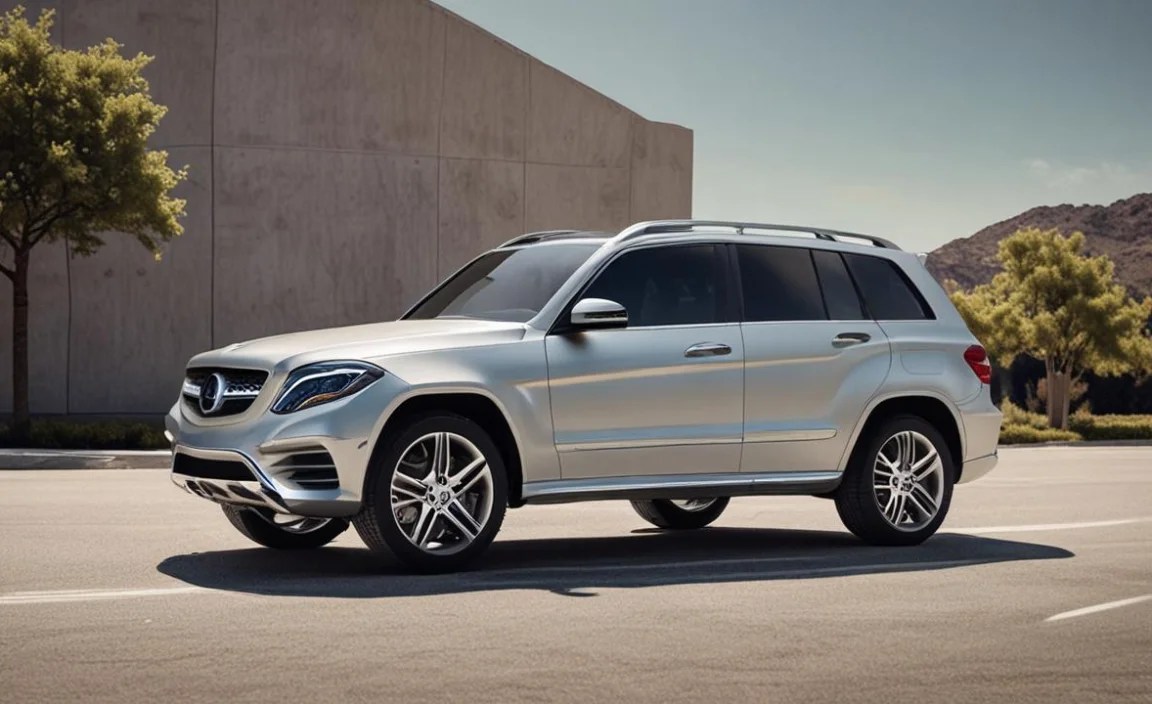
The GLK offered a balanced driving experience. It was comfortable enough for long journeys, with a sophisticated suspension that absorbed road imperfections well. Yet, it also possessed a degree of agility and responsiveness that made it enjoyable to drive on winding roads. The optional 4MATIC system further enhanced its sure-footedness and capability in adverse weather conditions.
4. Value Proposition on the Used Market

As a discontinued model, the GLK can represent excellent value on the pre-owned market. You can often find a well-equipped GLK at a price point significantly lower than its original MSRP, offering access to Mercedes-Benz luxury and engineering without the premium of a brand-new vehicle. This makes it an accessible entry into the Mercedes-Benz family for many.
5. Advanced Safety Features

Mercedes-Benz has always been a leader in automotive safety, and the GLK benefitted from this focus. Features like standard airbags, ABS, and electronic stability control, along with optional driver-assistance systems like adaptive cruise control and lane-keeping assist, contribute to a secure driving environment.
Engine and Drivetrain Options: A Look Under the Hood

During its lifespan, the GLK was equipped with a range of engines designed to offer a blend of performance and efficiency. The availability varied by market and model year.
Here’s a general overview of common engine options for the GLK:
| Model | Engine Type | Horsepower (Approx.) | Torque (Approx.) | Drivetrain |
|---|---|---|---|---|
| GLK250 BlueTEC | 2.1L Turbocharged Diesel I4 | 200 hp | 369 lb-ft | 4MATIC (Standard in some markets) |
| GLK300 | 3.0L V6 | 228 hp | 221 lb-ft | RWD/4MATIC |
| GLK350 | 3.5L V6 | 268 hp (early models) / 302 hp (later models) | 258 lb-ft (early models) / 273 lb-ft (later models) | RWD/4MATIC |
Note: Specifications can vary by model year, market, and specific configurations. It’s always best to verify specs for a particular vehicle.
Understanding 4MATIC All-Wheel Drive

The availability of Mercedes-Benz’s 4MATIC all-wheel-drive system was a significant feature for the GLK, especially for those living in areas with challenging weather conditions. 4MATIC is an intelligent system that continuously monitors driving conditions and distributes torque between the front and rear axles to optimize traction and stability. Unlike some simpler AWD systems, 4MATIC’s sophisticated electronic control can react instantaneously to changes in road surface, ensuring confident handling and improved safety in rain, snow, or ice.
For more information on the principles of all-wheel drive systems, resources like the National Highway Traffic Safety Administration (NHTSA) provide valuable insights into how these systems enhance vehicle safety and performance.
Interior Features and Technology
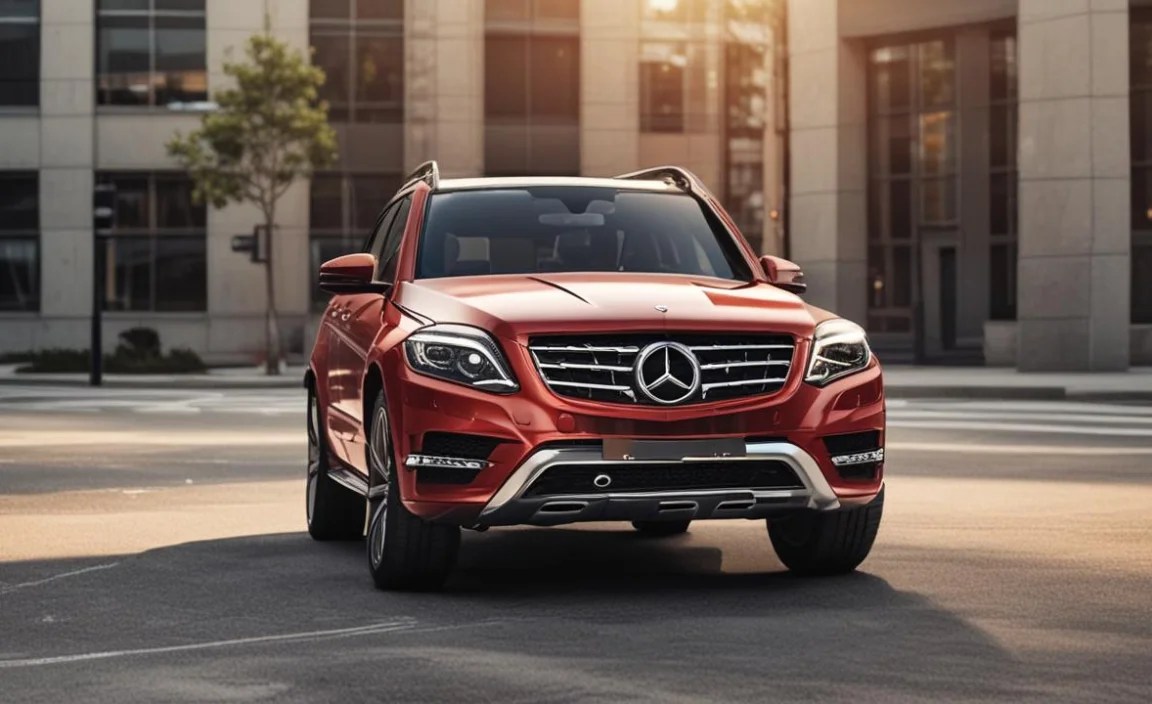
The GLK’s interior aimed to blend luxury, comfort, and practicality. Even entry-level models came well-equipped, and higher trims offered even more premium amenities.
- Comfortable Seating: Supportive front seats, often with power adjustments and heating, provided excellent comfort for daily commutes and long drives.
- High-Quality Materials: Expect to find soft-touch plastics, leather upholstery (depending on trim), and tasteful wood or metallic accents throughout the cabin.
- User-Friendly Controls: Mercedes-Benz’s COMAND infotainment system, especially in the facelifted models, offered intuitive control of audio, navigation, and climate functions.
- Practical Cargo Space: The GLK provided a versatile cargo area, suitable for shopping trips, sports equipment, or vacation luggage. The rear seats could be folded down to further expand capacity.
- Advanced Safety Suites: As mentioned, safety was a priority. Features like the optional Driver Assistance Package Plus (which could include DISTRONIC PLUS adaptive cruise control, PRE-SAFE® brake, BAS PLUS with Cross-Traffic Assist, active Lane Keeping Assist, and active Blind Spot Assist) showcased Mercedes-Benz’s commitment to passenger protection.
Common Questions About the Mercedes-Benz GLK

What years was the Mercedes GLK made?

The Mercedes-Benz GLK was produced from the 2009 model year (debuting in Europe) until the 2015 model year. In North America, it was available for the 2010 through 2015 model years.
What replaced the Mercedes GLK?

The Mercedes-Benz GLK was replaced by the Mercedes-Benz GLC (X253) starting with the 2016 model year. The GLC adopted a more contemporary, sleeker design.
Is the Mercedes GLK a reliable car?

When properly maintained, the Mercedes-Benz GLK is generally considered a reliable vehicle. Like any car, it requires regular scheduled maintenance, and some specific components may require attention as the vehicle ages. Owners should follow the manufacturer’s recommended service schedule.
What are the pros and cons of buying a used Mercedes GLK?

Pros: Unique rugged styling, premium Mercedes-Benz build quality, comfortable ride, advanced safety features, and good value on the used market.
Cons: Potentially higher maintenance and repair costs compared to non-luxury brands, infotainment system might feel dated in pre-facelift models, and fuel economy can be average depending on the engine.
Is the GLK good in the snow?

Yes, the Mercedes-Benz GLK equipped with the optional 4MATIC all-wheel-drive system is very capable in snowy conditions. 4MATIC provides excellent traction and stability, making it a confident choice for winter driving.
What kind of fuel does a Mercedes GLK take?

Most gasoline GLK models (like the GLK300 and GLK350) are designed to run on premium unleaded gasoline (91 octane or higher). Diesel models (like the GLK250 BlueTEC) use diesel fuel. Always check your vehicle’s owner’s manual for the specific fuel requirements.
What is the average lifespan of a Mercedes GLK?

With consistent maintenance and care, a Mercedes-Benz GLK can last well over 150,000 miles and often much more. The robust engineering typical of Mercedes-Benz vehicles contributes to their longevity.
Maintaining Your Legendary GLK

To keep your GLK running smoothly and maintain its legendary status, adhering to a diligent maintenance schedule is crucial. Mercedes-Benz vehicles are engineered for longevity, but they require specific care. Regular servicing not only ensures optimal performance but also helps prevent more costly repairs down the line.
Essential Maintenance for the GLK

- Oil Changes: Follow the manufacturer’s recommended intervals for oil and filter changes. Using the correct type of synthetic oil is vital for engine longevity and performance.
- Fluid Checks: Regularly check and top up essential fluids, including coolant, brake fluid, power steering fluid, and windshield washer fluid.
- Tire Rotation and Alignment: Rotating your tires regularly helps ensure even wear, extending their lifespan. Proper wheel alignment is also key to preventing premature tire wear and maintaining handling.
- Brake System Inspection: Brakes are a critical safety component. Have your brake pads, rotors, and fluid inspected at recommended intervals.
- Filters: Replace the engine air filter and cabin air filter according to the service schedule to ensure good engine performance and clean interior air.
- Spark Plugs and Ignition System: Periodically inspect and replace spark plugs as recommended by the service manual to ensure efficient combustion.
- Battery Check: Ensure your battery terminals are clean and the battery is tested regularly, especially before winter.
For detailed maintenance schedules specific to your GLK model year and engine, consult your owner’s manual or the official Mercedes-Benz maintenance guides. Resources like Mercedes-Benz USA’s service section can also offer valuable information.
Common GLK Issues and How to Address Them

While generally robust, some common areas to be aware of with older GLK models include:
- Oil Leaks: Valve cover gaskets and oil cooler seals can sometimes develop leaks over time.
- Transmission Shifting Issues: While the 7-speed automatic transmission is generally reliable, occasional concerns about shifting smoothness can arise. Regular fluid changes are key.
- Suspension Components: Like any vehicle, suspension components such as control arm bushings and shock absorbers can wear out over time, leading to noises or a less refined ride.
- MERCEDES-BENZ GLKC300 4MATIC DIESEL 2013 Review: Some owners have reported issues with Diesel Particulate Filters (DPFs) if the vehicle isn’t driven in a way that allows for proper regeneration cycles.
Addressing these potential issues promptly with qualified technicians will help maintain your GLK’s performance and longevity.
The GLK Legacy: A Legend That Continues

The Mercedes-Benz GLK may no longer be in production, but its impact on the compact luxury SUV segment and its enduring appeal among Mercedes-Benz enthusiasts is undeniable. It dared to be different with its unapologetically rugged design, while still delivering the premium experience synonymous with the brand.


