
Mercedes GLC Drivetrain Options: Perfect Power
Quick Summary:
The Mercedes-Benz GLC offers a selection of sophisticated drivetrain options, primarily focused on its intelligent 4MATIC® all-wheel-drive system. While rear-wheel drive is standard on some lower trims globally, the U.S. market predominantly features 4MATIC® for enhanced traction and performance. Understanding these options ensures you choose the perfect power delivery for your driving needs.
Choosing the right Mercedes-Benz GLC can feel like navigating a sophisticated landscape of luxury and performance. One area that often sparks questions is the drivetrain – how the engine’s power gets to the road. For the GLC, this typically boils down to understanding the nuances of its all-wheel-drive system. Getting this right means you’re not just driving a car; you’re experiencing the pinnacle of Mercedes-Benz engineering tailored to your lifestyle.
Many drivers wonder if they need all-wheel drive or if a different setup might be better. This can be especially confusing when looking at different model years or international specifications. But don’t worry, we’re going to demystify the Mercedes GLC drivetrain options, breaking down exactly what each system offers, how it benefits your driving, and what to consider when making your choice. Let’s unlock the perfect power for your GLC.
Understanding Mercedes-Benz Drivetrain Basics

Before we dive into the specifics of the GLC, it’s helpful to grasp the fundamental concepts of vehicle drivetrains. In simple terms, the drivetrain is the system that transmits power from the engine to the wheels. This involves several key components working in harmony: the transmission, driveshaft, differential, and axles.
There are three primary drivetrain configurations:
- Rear-Wheel Drive (RWD): Power is sent exclusively to the rear wheels. This is a classic setup often favored for its sporty feel and handling dynamics, as the front wheels are solely responsible for steering.
- Front-Wheel Drive (FWD): Power is sent only to the front wheels. This is a common setup in many vehicles, offering good traction in various conditions and generally being more fuel-efficient and cost-effective to produce.
- All-Wheel Drive (AWD) / Four-Wheel Drive (4WD): Power is distributed to all four wheels. This system provides superior traction and stability, especially in slippery conditions like rain, snow, or ice. AWD systems are typically designed for on-road performance and everyday driving, while 4WD systems often include more robust features for off-road capability.
Mercedes-Benz often uses the term “4MATIC®” for its advanced all-wheel-drive system, which is engineered to optimize grip, stability, and agility. Understanding these basics sets the stage for appreciating the sophisticated engineering behind the GLC’s available configurations.
Mercedes GLC Drivetrain Options Explained

The Mercedes-Benz GLC is primarily known for its advanced 4MATIC® all-wheel-drive system, which has become the hallmark of its performance and capability in most markets, particularly in North America. While historically some very base models or specific regional variants might have offered rear-wheel drive, the vast majority of GLC vehicles you’ll encounter, especially in the United States, come equipped with 4MATIC®.
The Dominance of 4MATIC® All-Wheel Drive

4MATIC® is more than just a standard AWD system; it’s a highly intelligent and dynamically responsive setup that continuously monitors driving conditions to distribute torque optimally between the front and rear axles. This means that if one wheel loses traction, power is instantaneously redirected to the wheels that can maintain grip.
Key Benefits of 4MATIC®:

- Enhanced Traction: Provides superior grip in challenging weather conditions such as rain, snow, and ice, significantly improving safety and control.
- Improved Stability: Offers a more planted feel, especially during cornering and at higher speeds, contributing to a confident driving experience.
- Dynamic Performance: Allows for more aggressive acceleration and a sportier feel through bends by optimizing the distribution of power for optimal drive.
- Agility: The system’s rapid response times help the vehicle feel more agile and responsive to driver inputs.
Mercedes-Benz engineers the 4MATIC® system to be seamlessly integrated with the vehicle’s other dynamic control systems, such as ESP® (Electronic Stability Program) and ABS (Anti-lock Braking System). This integrated approach ensures that the AWD system works in concert with braking and stability aids for maximum safety and performance.
Was There Ever a Rear-Wheel Drive GLC?

In certain global markets and for some earlier or entry-level model years, Mercedes-Benz did offer specific GLC variants with rear-wheel drive. This was often done to offer a more accessible price point or to cater to regions where AWD is less of a necessity. However, for the United States market, the focus has strongly shifted towards 4MATIC® as standard or a highly desirable option across most trims. If you are looking at a pre-owned GLC, it’s always best to check the specific Vehicle Identification Number (VIN) or the vehicle’s build sheet to confirm its exact drivetrain configuration.
For consumers in the US, the question is rarely “RWD or AWD?” but rather “Which GLC with 4MATIC® best suits me?” This simplifies the decision-making process by focusing on the inherent advantages of all-wheel drive that Mercedes-Benz provides.
Understanding the GLC Engine and Transmission Synergy

The drivetrain in the Mercedes-Benz GLC is a culmination of powerful engines and sophisticated transmissions, all working together with the 4MATIC® system to deliver the brand’s renowned performance and refinement. The synergy between these components is crucial to the driving experience.
Engine Options and Their Power Delivery

The GLC lineup typically features a range of turbocharged 4-cylinder engines. While specific engine outputs and designations can vary by model year and trim, the common thread is potent yet efficient performance. For instance, the GLC 300 is a popular model, historically powered by a 2.0-liter inline-4 turbo engine. This engine is designed to provide ample horsepower and torque for both urban commuting and highway cruising.
- GLC 300 (examples from recent model years): These models often feature a 2.0L inline-4 turbo engine, producing around 255 horsepower and 273 lb-ft of torque. This power is readily available, and the engine’s responsiveness is enhanced by its turbocharging.
- AMG Variants (e.g., GLC 43, GLC 63): For those seeking elevated performance, AMG models boast more powerful engines. The GLC 43 might feature a 3.0L V6 biturbo engine, while the GLC 63 could house a hand-built AMG 4.0L V8 biturbo engine. These engines deliver significantly more horsepower and torque, transforming the GLC into a high-performance machine.
The choice of engine directly impacts the character of the GLC. The standard engines offer a balanced blend of efficiency and power, perfect for everyday luxury driving. AMG engines, on the other hand, provide exhilarating acceleration and a more visceral driving sensation, coupled with performance-tuned 4MATIC® systems.
The Role of the Transmission

Paired with these engines is typically Mercedes-Benz’s advanced automatic transmission. The most common transmission found in recent GLC models is the 9G-TRONIC® 9-speed automatic. This transmission is engineered for smooth shifts, quick downshifts, and optimized fuel economy.
The 9G-TRONIC® transmission offers several advantages:
- Multiple Driving Modes: It works in conjunction with the DYNAMIC SELECT® system, allowing drivers to choose between modes like ECO, Comfort, Sport, Sport+, and Individual. These modes alter throttle response, shift points, and suspension settings (if equipped with optional suspension), tailoring the driving experience to the driver’s preference.
- Smooth Power Delivery: With nine speeds, the transmission can keep the engine operating within its most efficient and powerful RPM range more of the time, leading to smoother acceleration and reduced fuel consumption.
- Quick and Decisive Shifts: In Sport or Sport+ modes, the 9G-TRONIC® can execute rapid shifts, providing the responsiveness needed for spirited driving.
The intelligent calibration of the 9G-TRONIC® transmission ensures that power is always delivered precisely when and how you need it, seamlessly complementing the capabilities of the 4MATIC® all-wheel-drive system.
Comparing Drivetrain Performance and Feel
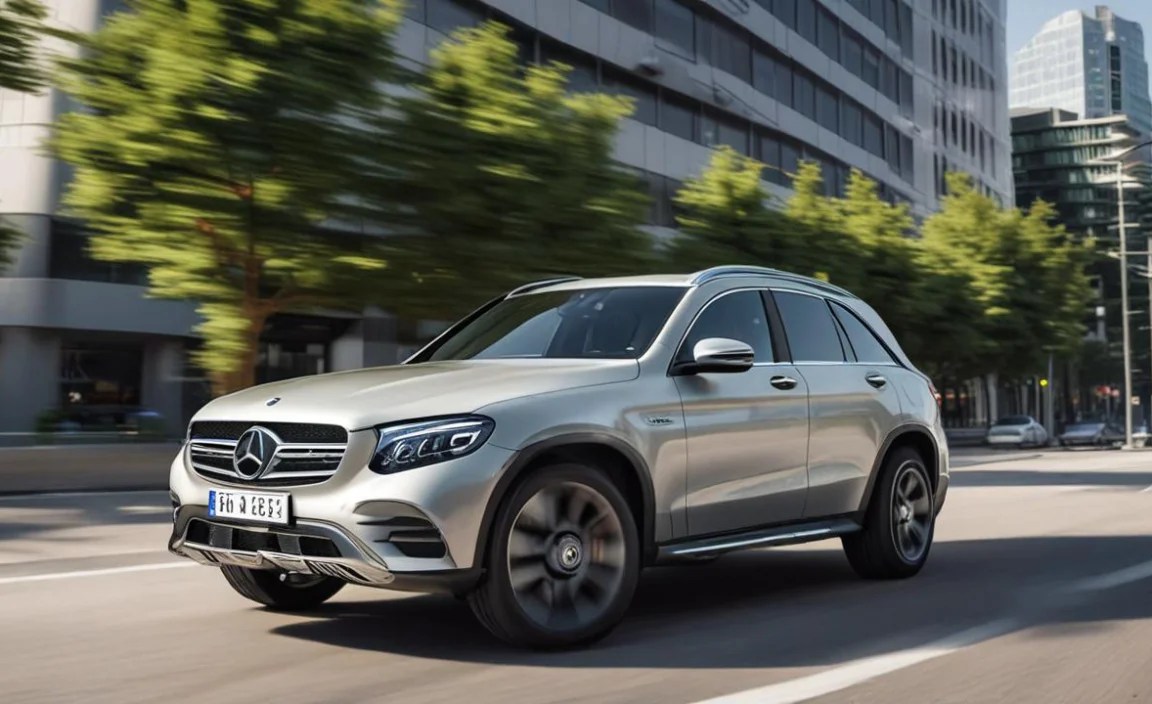
When considering a Mercedes-Benz GLC, the drivetrain plays a pivotal role in how the vehicle performs and how it feels to drive. While the choice is predominantly between 4MATIC® and the rarity of RWD in some markets, even within the 4MATIC® umbrella, the performance characteristics can be tailored.
4MATIC® vs. Rear-Wheel Drive (in specific markets)

For markets where rear-wheel drive was an option, the difference is significant. A rear-wheel-drive GLC would offer a more traditional RWD driving dynamic. This means:
- Handling: Likely a more engaging feel when turning in, with the rear end potentially feeling more responsive.
- Traction Limits: Under acceleration, especially from a standstill or in wet conditions, the rear wheels might be more prone to slipping.
- Fuel Efficiency: RWD systems are often slightly lighter and can be marginally more fuel-efficient due to less drivetrain drag.
However, the 4MATIC® system universally enhances stability and confidence. Its ability to proactively manage traction means:
- All-Weather Capability: Unmatched performance in rain, snow, and ice.
- Confident Acceleration: Power is effectively put down to the road, reducing wheelspin.
- Enhanced Cornering Stability: The system helps prevent oversteer and understeer, making the vehicle feel more planted.
For most modern GLC buyers, especially in regions with variable weather, the 4MATIC® system provides a superior combination of safety, performance, and all-season usability. It’s a clear differentiator that elevates the GLC’s overall driving experience.
Performance Variants: AMG’s Drivetrain Tuning

AMG models take the GLC’s drivetrain to a performance-oriented level, often featuring a sportier calibration of the 4MATIC® system. For example, AMG versions of 4MATIC® might:
- Favor Rear Bias: Some AMG 4MATIC® systems are tuned to send a larger percentage of power to the rear wheels under normal driving conditions. This contributes to a more agile, rear-driven feel while still providing all-wheel-drive grip when needed.
- Quicker Response Times: The electronic control units managing torque distribution are programmed for even faster reactions, anticipating driver inputs and road conditions.
- Performance Tires and Suspension: These are often paired with lower-profile performance tires and adaptive sport suspension systems that work in tandem with the drivetrain to maximize lateral grip and minimize body roll.
The driving feel in an AMG GLC is markedly different from a standard GLC. It’s sharper, more immediate, and designed for exhilarating performance, a testament to how Mercedes-Benz tunes its drivetrains for different purposes.
Choosing the Right GLC Drivetrain for You

Selecting the perfect Mercedes-Benz GLC drivetrain option boils down to understanding your driving habits, typical environmental conditions, and performance expectations. For the vast majority of buyers, the decision is straightforward, leading to the excellent 4MATIC® system.
Considerations for Your Decision:
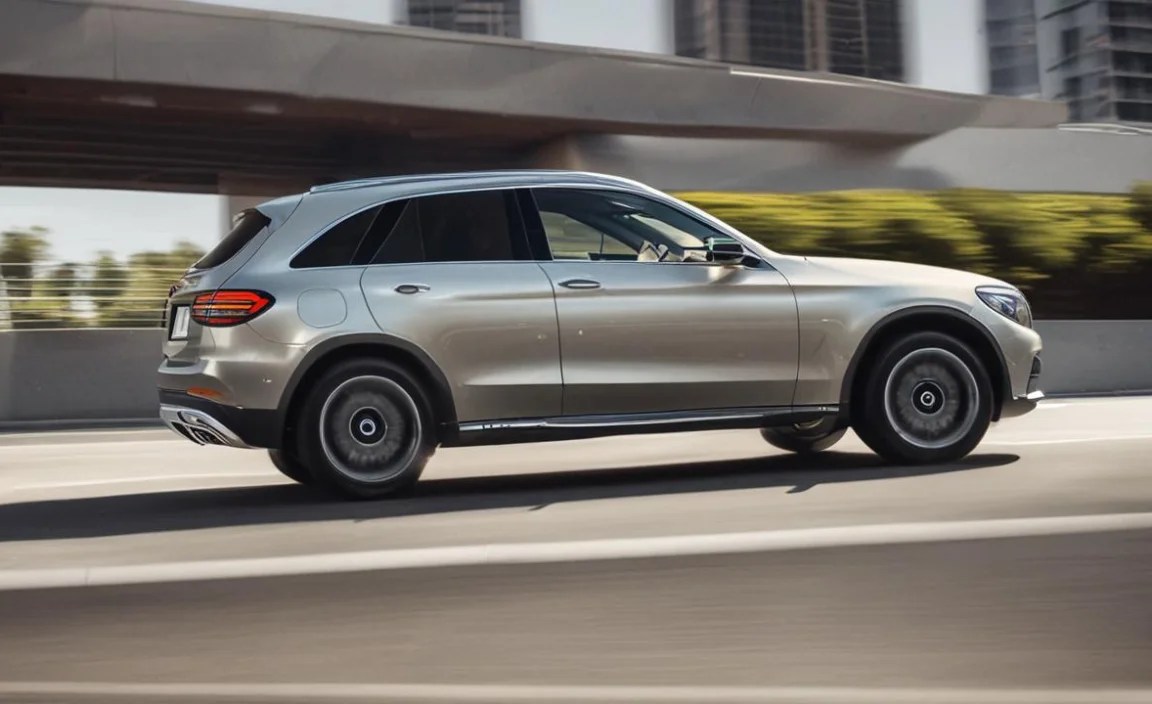
- Climate and Weather: If you live in an area that experiences significant rain, snow, or ice, the 4MATIC® all-wheel-drive system is almost a non-negotiable choice for safety and confidence.
- Driving Style: For a sporty, engaging driving experience that prioritizes agility and responsiveness, the standard 4MATIC® offers a balanced approach. If you crave track-inspired performance and a more aggressive driving feel, exploring AMG GLC models with their performance-tuned drivetrains is the way to go.
- Fuel Economy: While modern AWD systems are very efficient, a theoretical rear-wheel-drive variant might offer a slight edge in fuel economy. However, this is often a marginal difference, and the benefits of 4MATIC® usually outweigh this factor for most drivers.
- Passenger Comfort: The 4MATIC® system contributes to a smoother, more stable ride by actively managing traction. This can enhance the overall comfort for passengers, especially in less-than-ideal road conditions.
- Resale Value: In markets where AWD is highly valued for its all-weather capabilities, vehicles equipped with 4MATIC® tend to hold their resale value very well.
For most drivers looking at a new GLC in markets like the United States, the answer is clear: choose the 4MATIC® all-wheel-drive. You’ll benefit from enhanced safety, superior handling, and the confidence to tackle a wide range of driving scenarios.
Technical Specifications Overview
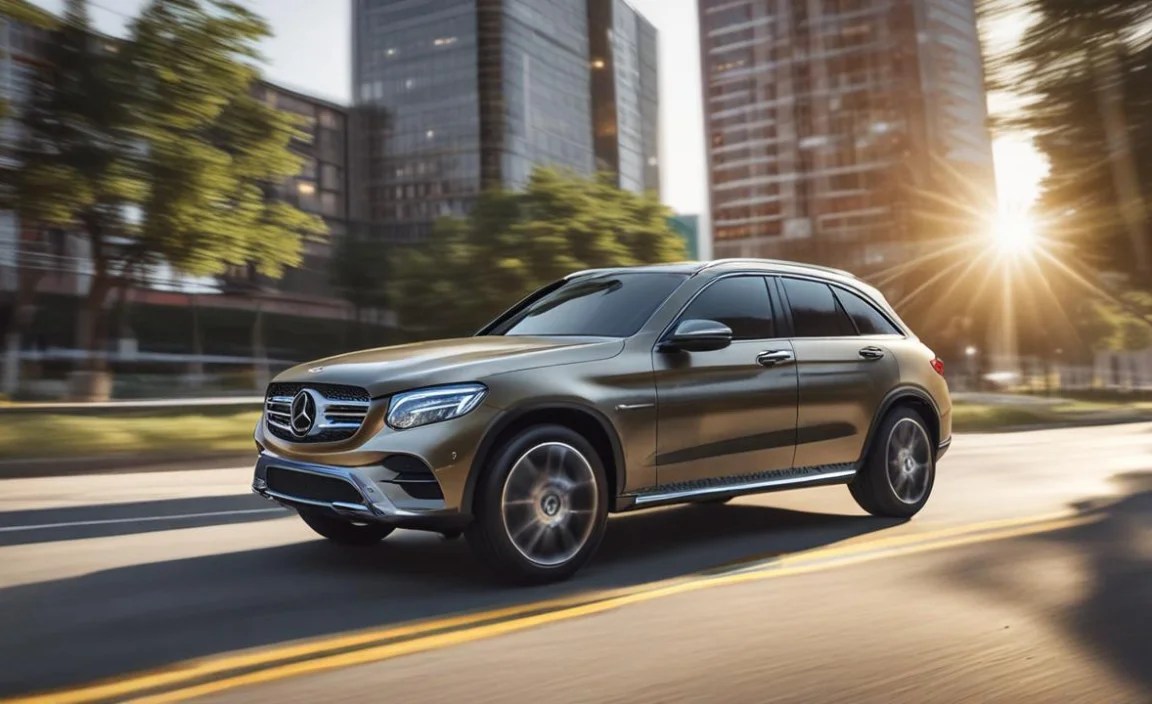
To provide a clear picture, here’s a comparative look at typical drivetrain specifications for recent Mercedes-Benz GLC models. Note that exact specifications can vary by model year, trim level, and region.
| Feature | GLC 300 (with 4MATIC®) | Mercedes-AMG GLC 63 S |
|---|---|---|
| Drivetrain Type | 4MATIC® All-Wheel Drive | AMG Performance 4MATIC® All-Wheel Drive |
| Engine | 2.0L Inline-4 Turbocharged | 4.0L V8 Biturbo |
| Horsepower (Approx.) | 255 hp | 503 hp |
| Torque (Approx.) | 273 lb-ft | 516 lb-ft |
| Transmission | 9G-TRONIC® 9-Speed Automatic | AMG SPEEDSHIFT® MCT 9-Speed Automatic |
| Torque Distribution (Typical 4MATIC®) | Often a 45:55 front-to-rear split, dynamically adjustable | Performance-oriented, often with a rear bias (e.g., 31:69 front-to-rear), dynamically adjustable |
| Towing Capacity (if applicable) | Varies, check manufacturer specifications | Varies, check manufacturer specifications |
This table illustrates the significant difference in performance between a standard GLC 300 and a high-performance AMG variant. The 4MATIC® system is a common thread, but its tuning and integration with the engine and transmission are vastly different, leading to distinct driving experiences. For official and the most up-to-date specifications, always refer to the Mercedes-Benz official website relevant to your region or consult with a local dealer.
Maintenance for Your GLC Drivetrain

Like any sophisticated automotive system, the Mercedes-Benz GLC drivetrain requires regular maintenance to ensure optimal performance, longevity, and reliability. Fortunately, with 4MATIC® being the dominant system, many of the maintenance steps are common and well-defined.
Key Maintenance Points:
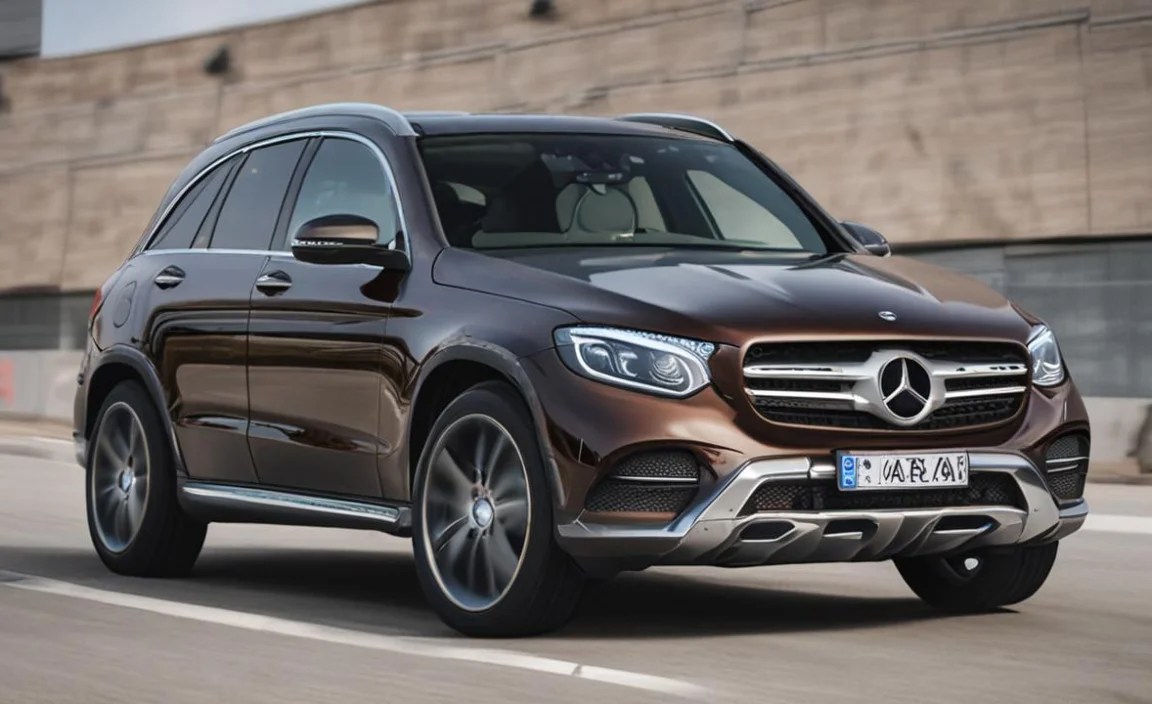
- Regular Fluid Changes: The transmission fluid and differential fluids are critical for smooth operation. Your owner’s manual will specify the recommended replacement intervals, which are crucial to follow. Using only Mercedes-Benz approved fluids is highly recommended.
- Tire Care: Since all four tires are driven, tire wear can be more uniform with proper rotation. Regularly rotating your tires (typically every 6,000-8,000 miles) helps ensure even wear and maintains the integrity of the AWD system. Always ensure all four tires are the same brand, model, and size, with matching tread depths, as significant differences can strain the AWD components. You can find more advice on tire maintenance at the National Highway Traffic Safety Administration (NHTSA).
- Inspections: During scheduled service appointments, have your mechanic inspect the driveshafts, CV joints, and boots for any signs of wear, damage, or leaks. These components are vital for transmitting power to the wheels.
- Software Updates: Mercedes-Benz frequently releases software updates for various control modules, including those governing the engine, transmission, and 4MATIC® system. Ensure your vehicle receives these updates during service to benefit from performance improvements and bug fixes.
- Brake System: A well-maintained brake system is crucial for any drivetrain. Ensure your brake pads, rotors, and fluid are inspected regularly as part of your scheduled maintenance.
Following the maintenance schedule outlined in your Mercedes-Benz owner’s manual is the best way to keep your GLC’s drivetrain in peak condition. This proactive approach will help you avoid costly repairs down the line and ensure you continue to enjoy the refined driving experience Mercedes-Benz is known for.
Frequently Asked Questions (FAQ)
Q1: What drivetrain comes standard on the Mercedes-Benz GLC in the US?

In the United States, the vast majority of Mercedes-Benz GLC models come standard with the 4MATIC® all-wheel-drive system. This offers enhanced traction and stability for


