
Mercedes Sedan Reliability Score 2025: What can you expect?
Mercedes-Benz sedans blend luxury with performance, but reliability is a key factor for buyers. While official 2025 scores aren’t available yet, we’ll explore predicted reliability, factors influencing it, and how to stay informed. Learn what to watch for!
Thinking about a new Mercedes-Benz sedan? You’re probably wondering how reliable the 2025 models will be. It’s a big question! After all, you want a car that not only looks and feels great but also won’t leave you stranded. Unfortunately, official reliability scores for 2025 models are still under wraps. But don’t worry! This article will guide you through understanding predicted reliability, what impacts it, and how to stay updated. We’ll explore historical data, common issues, and proactive steps to ensure your Mercedes stays on the road. Let’s dive in!
Understanding Reliability Scores

Reliability scores provide a snapshot of how well a car is expected to perform without major issues. These scores help you make an informed decision when buying a car.
What are Reliability Scores?
Reliability scores are ratings assigned by independent organizations that evaluate vehicle dependability. These scores predict how likely a car is to experience problems and how severe those issues might be.
- J.D. Power: Known for its Vehicle Dependability Study (VDS), which surveys owners about problems experienced in the past 12 months.
- Consumer Reports: Provides reliability ratings based on surveys of its members, covering a wide range of potential issues.
- RepairPal: Offers reliability ratings based on the frequency, severity, and cost of repairs for different models.
Why are They Important?
Reliability scores help you:
- Make informed decisions: Understand potential ownership costs and hassles.
- Compare models: See how different Mercedes sedans stack up against each other and competitors.
- Budget for maintenance: Estimate potential repair costs over the vehicle’s lifespan.
Factors Influencing Reliability
Several factors can affect a car’s reliability score:
- Manufacturing Quality: How well the car is assembled at the factory.
- Component Durability: The quality and lifespan of parts used in the vehicle.
- Technology Complexity: More advanced features can sometimes lead to more potential issues.
- Maintenance: Regular and proper maintenance can significantly improve reliability.
- Driving Habits: How the car is driven and treated by its owner.
Mercedes-Benz Sedan: Historical Reliability

Looking at past reliability data can give us clues about what to expect from the 2025 Mercedes-Benz sedans.
Recent Years’ Performance
Here’s a quick rundown of how Mercedes-Benz sedans have performed in recent years:
- 2022 Models: Mixed reviews, with some models scoring above average and others below.
- 2023 Models: Generally improved, with advancements in technology and manufacturing processes.
- 2024 Models: Continued improvements, focusing on software stability and component durability.
Common Issues Reported
Based on owner feedback and repair data, here are some common issues that have been reported in recent years:
- Electrical System Problems: Issues with the infotainment system, sensors, and wiring.
- Suspension Issues: Problems with air suspension systems, especially in higher-end models.
- Engine Issues: Oil leaks, cooling system problems, and occasional sensor failures.
- Transmission Issues: Rough shifting or delays in gear changes.
Repair Costs
Mercedes-Benz vehicles typically have higher repair costs compared to non-luxury brands. This is due to the cost of parts and specialized labor required for these vehicles.
Here’s a general idea of what you might expect:
- Routine Maintenance: Oil changes, filter replacements, and inspections can range from $200 to $500 per visit.
- Major Repairs: Engine or transmission repairs can easily exceed $3,000 to $7,000.
- Electrical Repairs: Diagnosing and fixing electrical issues can be time-consuming and costly, often ranging from $500 to $2,000.
Predicting 2025 Reliability

While we don’t have official 2025 reliability scores yet, we can make some educated guesses based on current trends and changes.
Factors Suggesting Improvement
Several factors suggest that the 2025 Mercedes-Benz sedans could see improved reliability:
- Technological Advancements: Mercedes-Benz is continuously refining its technology, addressing known issues in previous models.
- Manufacturing Improvements: Enhanced quality control processes at the factory level.
- Software Updates: Regular software updates to fix bugs and improve system performance.
- Warranty Programs: Extended warranty options and improved customer service.
Potential Challenges
However, some challenges could still affect reliability:
- Complexity: Modern Mercedes-Benz sedans are packed with advanced features, which can increase the potential for problems.
- Supply Chain Issues: Ongoing global supply chain disruptions could affect the quality and availability of parts.
- New Technologies: Introducing new technologies, like advanced driver-assistance systems, can sometimes lead to unexpected issues.
Expert Opinions
Automotive experts are cautiously optimistic about the 2025 Mercedes-Benz sedans. Many believe that the company’s focus on quality and technology improvements will lead to better reliability scores. However, they also caution that it’s essential to monitor owner feedback and repair data closely.
Tips for Ensuring Reliability
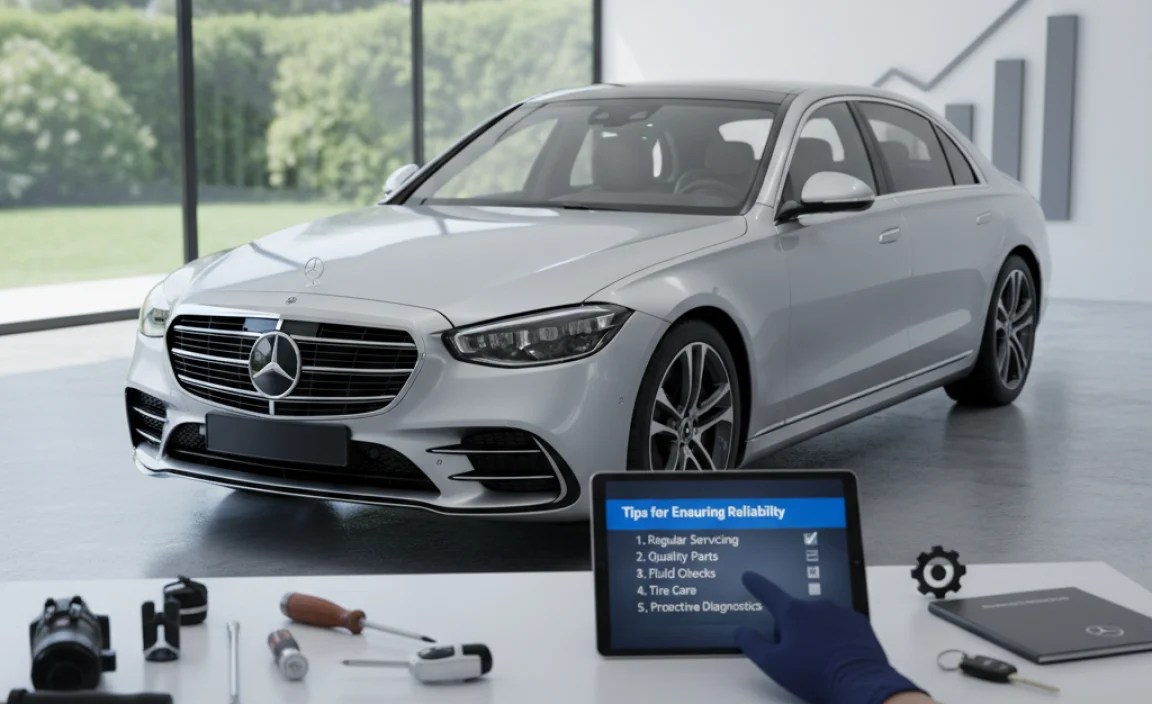
No matter how reliable a car is, proper care and maintenance are crucial. Here are some tips to keep your Mercedes-Benz sedan in top condition:
Regular Maintenance
Following the recommended maintenance schedule is the most important thing you can do. Here’s what that typically includes:
- Oil Changes: Every 5,000 to 10,000 miles, depending on the type of oil and driving conditions.
- Filter Replacements: Air filters, cabin filters, and fuel filters should be replaced according to the maintenance schedule.
- Fluid Checks: Regularly check and top off fluids like coolant, brake fluid, and power steering fluid.
- Inspections: Routine inspections can catch small problems before they become major issues.
Driving Habits
How you drive can also impact your car’s reliability:
- Avoid Harsh Acceleration and Braking: Smooth driving reduces wear and tear on the engine, brakes, and tires.
- Warm-Up Period: Allow the engine to warm up before driving aggressively, especially in cold weather.
- Proper Tire Inflation: Maintain the correct tire pressure to improve fuel efficiency and handling.
Addressing Issues Promptly
Don’t ignore warning signs or delay repairs. Addressing issues quickly can prevent them from escalating into more significant problems.
- Warning Lights: Pay attention to any warning lights on the dashboard and have them checked out by a qualified mechanic.
- Unusual Noises: Investigate any strange noises, vibrations, or smells coming from the car.
- Performance Issues: Notice any changes in performance, such as reduced fuel economy or rough idling.
Choosing a Reliable Mechanic
Finding a trustworthy mechanic is essential. Look for someone with experience working on Mercedes-Benz vehicles.
- Certified Technicians: Choose a mechanic who is certified by organizations like ASE (Automotive Service Excellence).
- Specialized Experience: Find a mechanic with specific experience working on Mercedes-Benz vehicles.
- Good Reputation: Read online reviews and ask for recommendations from friends and family.
Staying Informed

Keeping up-to-date with the latest reliability information can help you make informed decisions about your Mercedes-Benz sedan.
Reliable Sources
Here are some trustworthy sources for reliability information:
- J.D. Power: Check their Vehicle Dependability Study (VDS) for the latest ratings.
- Consumer Reports: Subscribe to their magazine or website for detailed reliability ratings.
- RepairPal: Visit their website for reliability scores based on repair data.
- Mercedes-Benz Forums: Participate in online forums to hear from other owners about their experiences.
Monitoring Owner Feedback
Pay attention to what other owners are saying about their cars. Online forums and review sites can provide valuable insights into potential problems and solutions.
- Online Forums: Join Mercedes-Benz forums to discuss issues and share experiences with other owners.
- Review Sites: Read reviews on sites like Edmunds and Kelley Blue Book to get different perspectives.
- Social Media: Follow Mercedes-Benz groups on social media to stay informed about recalls and common issues.
Mercedes-Benz Sedan Model Comparison
Let’s take a closer look at some popular Mercedes-Benz sedan models and their historical reliability data.
C-Class
The C-Class is known for its blend of luxury and performance. Here’s a quick overview:
- Recent Reliability: Generally good, with some reports of electrical system issues.
- Common Problems: Infotainment system glitches, sensor failures.
- Maintenance Costs: Moderate for a luxury car, but higher than non-luxury brands.
E-Class
The E-Class is a mid-size sedan that offers a comfortable ride and advanced technology.
- Recent Reliability: Above average, with fewer reported issues than the C-Class.
- Common Problems: Occasional suspension problems, minor electrical issues.
- Maintenance Costs: Higher than the C-Class due to more complex systems.
S-Class
The S-Class is Mercedes-Benz’s flagship sedan, offering the ultimate in luxury and technology.
- Recent Reliability: Mixed, with some reports of significant electrical and mechanical issues.
- Common Problems: Air suspension failures, infotainment system problems, advanced driver-assistance system glitches.
- Maintenance Costs: Highest of the three models, due to the complexity and cost of parts.
Reliability Comparison Table
Here’s a table summarizing the reliability of these models based on available data:
| Model | Reliability Score (out of 5) | Common Issues | Maintenance Costs |
|---|---|---|---|
| C-Class | 3.5 | Electrical, Sensors | Moderate |
| E-Class | 4.0 | Suspension, Minor Electrical | Higher |
| S-Class | 3.0 | Air Suspension, Infotainment | Highest |
Alternative Options to Consider
If reliability is your top priority, it’s worth considering other luxury sedans that have a strong track record.
Lexus
Lexus is consistently ranked as one of the most reliable car brands. Models like the ES and GS offer a smooth ride, comfortable interior, and excellent dependability.
- Pros: Excellent reliability, comfortable ride, good fuel economy.
- Cons: Less sporty than Mercedes-Benz, less advanced technology.
Acura
Acura is another Japanese luxury brand known for its reliability. The TLX is a popular choice that offers a balance of performance and comfort.
- Pros: High reliability, sporty handling, good value for money.
- Cons: Less luxurious than Mercedes-Benz, less prestigious brand image.
BMW
While BMW is known for its performance, some models have also shown good reliability. The 3 Series and 5 Series are worth considering.
- Pros: Sporty handling, powerful engines, advanced technology.
- Cons: Reliability can vary by model year, higher maintenance costs.
FAQ: Mercedes Sedan Reliability
Here are some frequently asked questions about Mercedes-Benz sedan reliability:
Are Mercedes-Benz sedans generally reliable?
Mercedes-Benz sedans have a mixed reputation for reliability. Some models score well, while others have reported issues. It’s important to research specific model years and consider factors like maintenance and driving habits.
Which Mercedes-Benz sedan is the most reliable?
Historically, the E-Class has been one of the more reliable Mercedes-Benz sedans. However, reliability can vary from year to year, so it’s important to check the latest data.
What are the most common problems with Mercedes-Benz sedans?
Common issues include electrical system problems, suspension issues, engine issues (like oil leaks), and transmission problems. These issues can vary depending on the model and year.
How can I improve the reliability of my Mercedes-Benz sedan?
Regular maintenance is key. Follow the recommended maintenance schedule, address issues promptly, drive smoothly, and choose a reliable mechanic who specializes in Mercedes-Benz vehicles.
Are Mercedes-Benz sedans expensive to maintain?
Yes, Mercedes-Benz sedans tend to have higher maintenance costs compared to non-luxury brands. Parts and labor can be more expensive, especially for major repairs.
Where can I find the latest reliability scores for Mercedes-Benz sedans?
Check sources like J.D. Power, Consumer Reports, and RepairPal for the latest reliability scores. Also, monitor Mercedes-Benz forums and owner reviews for real-world feedback.
Is it worth buying a Mercedes-Benz sedan if reliability is a concern?
It depends on your priorities. If luxury, performance, and brand image are important to you, a Mercedes-Benz sedan can be a great choice. Just be prepared for potentially higher maintenance costs and do your research to choose a reliable model year.
Conclusion
While we’re still waiting for the official 2025 reliability scores, understanding historical data, potential improvements, and proactive maintenance can help you make an informed decision. Mercedes-Benz sedans offer a blend of luxury and performance, and with the right care, you can enjoy your car for years to come. Keep an eye on reliable sources like J.D. Power and Consumer Reports for the latest updates, and don’t hesitate to consult with a trusted mechanic. By staying informed and taking good care of your vehicle, you can minimize potential issues and maximize your enjoyment of your Mercedes-Benz sedan.
“`


