
Mercedes Sedan 100k Miles Review: Ultimate Performance
Yes, a Mercedes sedan can absolutely deliver ultimate performance at 100,000 miles and beyond. With proper maintenance, these luxury vehicles retain their power, handling, and refined driving dynamics far longer than many expect. Our review dives into what makes a Mercedes-Benz a high-mileage marvel.
Driving a Mercedes-Benz is often about experiencing a blend of luxury, comfort, and exhilarating performance. But what happens when that sophisticated machine racks up some serious miles? We’re talking about crossing the 100,000-mile mark – a milestone that might make some car owners nervous. You might wonder if your Mercedes will still have that signature smooth acceleration, precise handling, and overall robust feel. The good news is, with the right care, a Mercedes sedan at 100,000 miles isn’t an old car; it’s a well-seasoned performer ready for many more miles of enjoyment.
This guide will explore what to expect from a Mercedes sedan that has reached 100,000 miles. We’ll break down the key areas that contribute to its sustained performance, discuss common points to consider, and highlight why these cars are built to last. Whether you’re considering a pre-owned Mercedes or looking to keep your current one in peak condition, this review is for you.
The Mercedes-Benz Legacy: Built for the Long Haul

Mercedes-Benz has a long-standing reputation for engineering vehicles that are not just luxurious but also exceptionally durable. This isn’t an accident. From the very beginning, the brand has focused on quality materials, robust construction, and advanced engineering, aiming to create cars that offer longevity and a superior driving experience over many years and miles. This commitment is evident in everything from the powertrain to the chassis and interior components.
This engineering philosophy means that many Mercedes sedans, when treated with diligent care and adherence to the manufacturer’s recommended maintenance schedule, can achieve and even surpass 100,000 miles while retaining a significant portion of their original performance capabilities. It’s about understanding what makes them last and being proactive about their care.
Performance at 100,000 Miles: What to Expect

When you hear “100,000 miles,” you might think of performance degradation. However, for a well-maintained Mercedes sedan, this milestone often represents a car that has fully broken in and is hitting its stride. Here’s what you can typically expect:
Engine Power and Responsiveness
The heart of any car’s performance is its engine. Mercedes-Benz engines, particularly their inline-4, inline-6, and V8 configurations, are known for their robust design. At 100,000 miles, a diligently maintained engine should still offer strong power delivery and responsive acceleration. Regular oil changes with high-quality synthetic oil, proper cooling system maintenance, and timely replacement of spark plugs and filters are crucial. These practices prevent excessive wear and ensure efficient combustion.
Owners often report that the engine’s power feels consistent and strong, with no significant loss of horsepower or torque. The characteristic smooth hum and confident acceleration remain hallmarks of the driving experience.
Transmission Smoothness and Efficiency
The transmission is another critical component for performance. Mercedes-Benz transmissions, especially their advanced automatic gearboxes, are engineered for smooth shifts and efficient power transfer. At 100,000 miles, if the transmission fluid and filter have been replaced according to the service intervals (often around every 40,000-60,000 miles, but consult your owner’s manual), you can expect continued silky-smooth gear changes. These transmissions are designed to ‘learn’ your driving style, adapting for optimal performance and economy.
A properly maintained transmission at this mileage should shift seamlessly, with no hesitation, clunking, or slipping. This contributes significantly to the overall refined and effortless driving feel.
Handling and Suspension Dynamics
Mercedes-Benz sedans are renowned for their balanced ride and handling. The suspension systems are tuned to absorb road imperfections while providing excellent stability and control, especially around corners. At 100,000 miles, with regular inspections of components like shocks, struts, bushings, and ball joints, the suspension should still feel taut and responsive. While minor wear is natural, a well-maintained system will prevent the ‘sloppy’ feel that can plague less robust vehicles.
Drivers often note that the car still feels planted and confident on the road, offering a secure and enjoyable experience, whether cruising on the highway or navigating winding roads.
Braking Performance
Safety and performance go hand-in-hand, and Mercedes-Benz brakes are designed for reliable stopping power. At 100,000 miles, with regular replacement of brake pads, rotors, and flushing of brake fluid, the braking system should remain highly effective. The systems are designed for durability and consistent performance, ensuring you have confidence in your stopping ability.
Expect firm pedal feel and consistent stopping distances, even after significant mileage. Regular brake fluid flushes help prevent corrosion and maintain optimal hydraulic pressure, a key factor for long-term performance.
Key Maintenance for 100k+ Mile Performance

The “ultimate performance” at 100,000 miles isn’t magic; it’s the result of diligent, proactive maintenance. Here are critical areas to focus on:
Engine Oil and Filter Changes
This is the most fundamental maintenance task. Using the correct, high-quality synthetic oil recommended by Mercedes-Benz is paramount. These oils are formulated to withstand higher temperatures and offer superior wear protection. Skipping oil changes or using inferior oil is one of the quickest ways to accelerate engine wear and compromise performance.
- Frequency: Adhere strictly to the service interval specified in your owner’s manual, typically every 10,000 miles or annually.
- Quality: Always use Mercedes-Benz approved or equivalent high-performance synthetic engine oil.
- Filter: Replace the oil filter with each oil change using a genuine Mercedes-Benz or equivalent filter.
Transmission Service
Automatic transmission fluid (ATF) degrades over time, losing its lubricating and cooling properties. Mercedes-Benz transmissions are typically engineered for ‘lifetime’ fluid by some manufacturers, but for optimal long-term performance and longevity, a fluid and filter change is highly recommended, especially around the 60,000-80,000 mile mark. Consult your owner’s manual for specific guidance for your model and transmission type.
A comprehensive transmission service often includes dropping the transmission pan, replacing the filter, and refilling with the correct type and amount of ATF. This is a service best performed by a qualified mechanic experienced with Mercedes-Benz transmissions.
Cooling System Maintenance
An engine’s efficiency and longevity are directly tied to its operating temperature. The cooling system, including the radiator, water pump, thermostats, and hoses, must be in perfect working order. Overheating can cause severe engine damage. Regular coolant flushes and inspections of all components are vital.
- Coolant Flush: Use only Mercedes-Benz approved coolant. Flush and refill every 30,000-50,000 miles.
- Hose Inspection: Check hoses for cracks, leaks, or swelling. Replace them proactively.
- Water Pump and Thermostat: These components have a finite lifespan. Address any signs of leakage or inconsistent temperature readings promptly.
Spark Plugs and Ignition System
Worn spark plugs can lead to misfires, reduced fuel efficiency, and a loss of engine power. Mercedes-Benz typically uses high-quality iridium spark plugs designed for longevity, but they still need routine replacement. At 100,000 miles, these have likely been replaced at least once or twice, but ensure they are replaced according to schedule (often around 60,000-100,000 miles, depending on the type).
Also, inspect ignition coils and wires for any signs of wear or damage, as these are critical for a strong spark.
Fuel System Cleaning and Filter Replacement
A clean fuel system ensures optimal fuel delivery and combustion. Over time, injectors can become clogged, and the fuel filter can become restricted. Some Mercedes models have lifetime fuel filters, while others require periodic replacement. A professional fuel system cleaning and fuel filter replacement (if applicable) can help restore lost power and improve efficiency.
You can explore reputable fuel system cleaners, though a mechanic’s service is often more thorough. The U.S. Department of Energy provides general guidance on fuel efficiency and maintenance.
Suspension and Steering Component Checks
The components that give a Mercedes its signature handling and ride quality – shocks, struts, control arm bushings, ball joints, and tie rods – are subject to wear. At 100,000 miles, it’s essential to have these inspected thoroughly during regular services. Signs of wear include clunks over bumps, imprecise steering, or uneven tire wear.
Addressing worn suspension components not only preserves the driving dynamics but also ensures tire longevity and overall vehicle stability.
Tire Condition and Alignment
While not directly a part of the car’s mechanical components, tire condition and alignment significantly impact perceived performance and safety. Worn or improperly inflated tires reduce grip and braking ability. Misalignment can cause uneven tire wear and affect handling.
- Tire Pressure: Maintain correct tire pressure for optimal grip and fuel economy.
- Tread Depth: Replace tires when tread depth reaches the wear indicators.
- Alignment: Have the wheel alignment checked periodically, especially after suspension work or if you notice uneven tire wear or steering pull.
Common Areas of Consideration at 100,000 Miles

While Mercedes cars are robust, certain components may start showing signs of age or wear around the 100,000-mile mark, even with good maintenance. Being aware of these can help you address them before they impact performance significantly.
Age-Related Wear to Rubber Components
Over time, rubber parts like hoses, belts, and suspension bushings can become brittle and crack due to exposure to heat, cold, and engine bay chemicals. Even if they aren’t actively failing, their integrity can be compromised, potentially leading to leaks or handling issues.
| Component | Potential Impact at 100k Miles | Recommendation |
|---|---|---|
| Engine Belts (Serpentine/Drive Belt) | Cracking, fraying, potential failure leading to loss of power steering, A/C, or alternator function. | Inspect for cracks, replace every 60,000-100,000 miles or if signs of wear appear. |
| Hoses (Coolant, Vacuum) | Brittleness, cracks, leaks leading to overheating or vacuum leaks affecting engine performance. | Thoroughly inspect all rubber hoses; replace if any signs of degradation. |
| Suspension Bushings | Cracking, deformation leading to sloppy handling, noise, and premature tire wear. | Professional inspection during regular service; replace as needed. |
Electronics and Sensors
Modern Mercedes-Benz vehicles rely heavily on electronics. While generally reliable, some sensors or control modules can eventually fail or become less accurate after many years and miles. This could manifest as warning lights, check engine lights, or subtle changes in engine or transmission behavior.
Modern diagnostic tools can pinpoint most electronic issues. Regular software updates from Mercedes-Benz also help maintain optimal function of these complex systems.
Exhaust System Integrity
While typically made of corrosion-resistant materials, exhaust components can still wear over time, especially in environments with harsh winters or road salt. Leaks can affect engine performance, fuel economy, and emissions.
Inspect the exhaust system for rust, perforations, or loose connections. Replacement parts are readily available.
Model-Specific Considerations
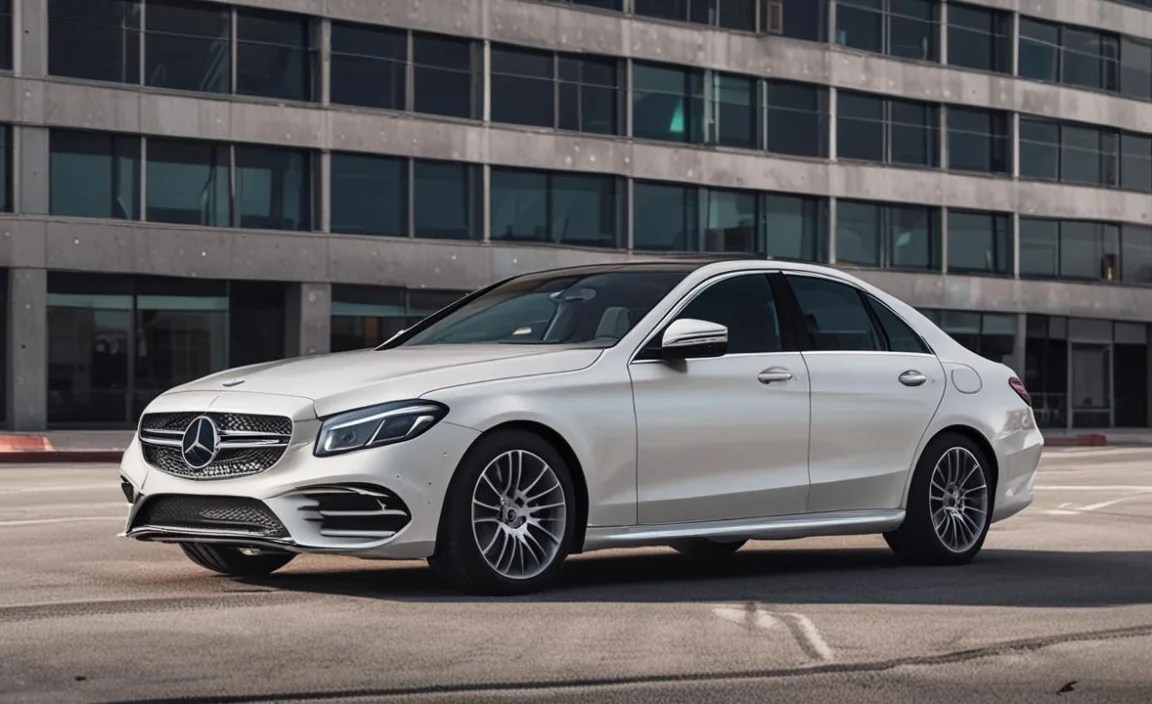
The exact components and their expected lifespan can vary significantly between Mercedes-Benz models and engine types. For example, a naturally aspirated V6 engine might have different wear characteristics than a turbocharged four-cylinder or a powerful AMG V8.
Examples:
- C-Class (e.g., W205 C300): Known for reliable turbocharged four-cylinder engines. Focus on regular oil changes and transmission services.
- E-Class (e.g., W213 E350): Often equipped with smoother inline-six engines. Maintain the robust powertrain and ensure suspension remains in top condition for that signature E-Class ride.
- S-Class (e.g., W222 S550): V8 engines require diligent fluid changes and attention to the complex electronic systems.
- AMG Models: While built for performance, AMG engines and drivetrains are often put through more demanding use. Adherence to the stricter AMG maintenance schedules is absolutely critical. This often includes more frequent fluid changes and specialized inspections.
Always refer to your specific model’s owner’s manual and service history to understand its particular maintenance needs. Resources like the Society of Automotive Engineers (SAE) offer insights into automotive engineering standards that contribute to vehicle longevity.
The Ultimate Performance: A Testament to Engineering
Reaching 100,000 miles in a Mercedes-Benz sedan and still experiencing “ultimate performance” is a testament to several factors: the inherent quality of Mercedes-Benz engineering, the owner’s commitment to proper maintenance, and the availability of skilled technicians and quality parts.
It’s about more than just hitting a mileage number; it’s about maintaining the premium driving experience that Mercedes-Benz promises. This includes the quiet cabin, the responsive throttle, the precise steering, and the supple ride. When these elements remain intact, the car truly feels like the luxury performance machine it was designed to be.
The longevity of these vehicles means they offer exceptional value, especially in the pre-owned market. A well-cared-for Mercedes with 100,000 miles can provide many more years of reliable and enjoyable service, often at a fraction of the cost of a new vehicle.
FAQ: Your Mercedes Sedan at 100,000 Miles
Is 100,000 miles a lot for a Mercedes sedan?
For a Mercedes-Benz, 100,000 miles is often considered a significant milestone but not an end-point. With proper and consistent maintenance, many Mercedes sedans are engineered to last well over 200,000 miles while retaining excellent performance and luxury.
Will my Mercedes sedan lose a lot of power after 100,000 miles?
No, not if it has been properly maintained. Regular oil changes, tune-ups, and fluid services ensure the engine and drivetrain remain in excellent condition. You should expect consistent power delivery throughout its lifespan.
What are the most common maintenance items to focus on for a Mercedes at this mileage?
Key items include engine oil and filter changes, transmission fluid and filter service, coolant flushes, spark plug replacement, and thorough inspections of suspension and brake components. Adhering to the manufacturer’s maintenance schedule is crucial.
How important is using genuine Mercedes-Benz parts and fluids?
Using genuine or OEM-equivalent parts and fluids is highly recommended. Mercedes-Benz engineers specify these components for a reason, ensuring optimal performance, compatibility, and longevity for your vehicle.
Can I maintain a Mercedes sedan myself at 100,000 miles?
Basic maintenance like oil changes can be done by knowledgeable DIYers. However, complex tasks such as transmission service, suspension work, or diagnosing electronic issues are best left to qualified Mercedes-Benz technicians who have specialized tools and expertise.
What are signs that my Mercedes sedan needs attention after 100,000 miles?
Listen for unusual noises (clunks, rattles), feel for any changes in handling or braking, notice any decrease in acceleration, or observe warning lights on the dashboard. If you experience any of these, it’s time for a professional inspection.
Are Mercedes sedans more expensive to maintain at higher mileage?
While Mercedes-Benz vehicles can have higher parts and labor costs than mass-market brands, their robust engineering often means fewer unexpected major repairs if maintained consistently. The key is preventative maintenance to avoid costly component failures.
Conclusion
The notion that a luxury car like a Mercedes-Benz sedan is “past its prime” at 100,000 miles is largely a myth, especially when viewed through the lens of its engineering and the owner’s dedication to its care. These vehicles are built with a level of precision and durability that allows them to continue offering a superior driving experience, characterized by potent performance, refined handling, and unwavering comfort, long after crossing this significant mileage marker.
The “ultimate performance” at 100,000 miles is a tangible reality for those who understand and execute a comprehensive maintenance strategy. From ensuring the engine breathes clean air and runs on premium lubrication to maintaining the responsiveness of the transmission and the steadfastness of the suspension, every aspect contributes to the vehicle’s enduring capabilities. It reassures owners and potential buyers


