
Mercedes Body Kit Models: Ultimate Luxury Perfected
Quick Summary:
Mercedes body kit models enhance a vehicle’s sporty appeal and aerodynamics. From subtle enhancements to aggressive transformations, these kits offer a bespoke look for various Mercedes models. Options range from official AMG styling to aftermarket upgrades, providing a perfect blend of luxury and personalized performance aesthetics.
When you think of ultimate luxury, Mercedes-Benz often comes to mind. These cars are renowned for their sophisticated design, advanced technology, and unparalleled driving experience. But for some owners, stock isn’t enough. They crave a statement, a unique expression of their passion for performance and style. That’s where Mercedes body kit models step in, offering a way to refine and personalize an already exceptional vehicle. Whether you’re looking to sharpen the edges of a sporty sedan or add an imposing presence to an SUV, a well-chosen body kit can transform your Mercedes into a true one-of-a-kind masterpiece.
Navigating the world of Mercedes body kits might seem complex at first. There are many options, from genuine Mercedes-AMG accessories to high-quality aftermarket solutions. You might wonder which kits are reputable, how they affect performance, and what to expect in terms of fitment and installation. This guide is designed to demystify the process. We’ll explore the benefits, delve into popular body kit styles for different Mercedes models, and provide insights to help you make an informed decision, ensuring your pampered Mercedes becomes the ultimate reflection of your personal style.
Why Consider a Mercedes Body Kit?

Adding a body kit to your Mercedes-Benz is more than just a cosmetic upgrade; it’s an opportunity to enhance both the aesthetic and functional aspects of your vehicle. It’s about taking a car already at the pinnacle of automotive design and tailoring it to your specific vision of perfection.
Aesthetic Enhancement
The most apparent reason for choosing a body kit is to elevate the visual appeal of your Mercedes. Body kits often feature:
- Aggressive Styling: Sharper lines, larger air intakes, wider fenders, and modified bumpers give your car a more dynamic and performance-oriented look.
- Unique Presence: Stand out from the crowd with a customized aesthetic that reflects your personality and taste.
- Aerodynamic Improvements: While primarily cosmetic, many kits are designed with aerodynamics in mind, potentially improving downforce and high-speed stability.
- Refined Details: Kits can add subtle touches like spoilers, diffusers, and side skirts that accentuate the car’s natural lines.
Performance and Functionality
Beyond looks, some body kits offer tangible performance benefits:
- Improved Cooling: Larger front grilles and air ducts can enhance airflow to the engine’s intercoolers and radiators, crucial for performance variants.
- Downforce Generation: Rear wings, front splitters, and diffusers engineered correctly can increase downforce, improving tire grip during spirited driving and high speeds.
- Weight Reduction: Some aftermarket kits, especially those made from carbon fiber, can be lighter than the original parts, offering a minor contribution to overall weight savings.
Personalization and Individuality
Mercedes-Benz offers a wide range of models, yet the desire for individuality is strong. A body kit allows you to:
- Create a Unique Identity: Make your Mercedes instantly recognizable and distinct from other models on the road.
- Match Your Driving Style: Whether you prefer a subtle sport elegance or a track-inspired aggression, there’s a kit to match.
- Express Your Passion: Showcase your dedication to automotive design and performance.
Understanding Body Kit Types and Styles

Mercedes-Benz itself offers various styling packages, and the aftermarket industry provides even more options. These can be broadly categorized by their design philosophy and the extent of the transformation they offer.
OEM and AMG Styling Packages
Mercedes-Benz offers factory-approved styling enhancements, most notably through its AMG division. These are designed to perfectly complement the vehicle’s original lines and are manufactured to the highest standards.
- AMG Line: Available on many standard Mercedes models (e.g., C-Class, E-Class, GLC), the AMG Line package adds sportier bumpers, side skirts, and wheels, offering an aggressive yet refined look integrated from the factory.
- AMG Genuine Parts: For performance models like the C63, E63, or GLC63, AMG offers genuine replacement or upgrade parts. These are often used in full body kit conversions for non-AMG models, providing the ultimate in factory-backed styling and quality. These kits typically include front and rear bumpers, side skirts, and sometimes fender flares.
Aftermarket Body Kits
The aftermarket scene is vast, offering everything from subtle enhancements to full-blown widebody conversions. Reputable brands focus on high-quality materials and precise fitment.
- Sport Kits: Similar to the AMG Line, these kits usually consist of updated front and rear bumpers and side skirts. Examples include kits from brands known for their precision and design, such as Brabus, Mansory (for a more avant-garde, often highly customized look), or Caractere.
- Wider Body Kits: These kits are for those seeking a more extreme transformation. They involve significantly wider fenders and often require modifications to the car’s original bodywork. Brands like Liberty Walk and PRIOR DESIGN are known for these dramatic widebody conversions, often paired with larger wheels and aggressive suspension setups.
- Aerodynamic Kits: Focused on performance, these kits might include aggressive front splitters, side diffusers, and substantial rear wings or diffusers, designed to improve airflow and downforce.
Materials Used
The material of a body kit significantly impacts its durability, weight, and cost.
- ABS Plastic: Similar to OEM materials, ABS offers good flexibility, impact resistance, and a factory-like finish. It’s a common choice for sporty kits.
- Polyurethane (PU): Offers excellent flexibility and durability, making it resistant to cracking from minor impacts. It can be molded into complex shapes.
- Fiberglass (FRP – Fiber Reinforced Plastic): Lighter and often more affordable than other materials, but can be more brittle and prone to cracking. Requires careful installation and painting.
- Carbon Fiber: The premium option. Extremely lightweight, incredibly strong, and offers a distinctive sporty aesthetic. Can be clear-coated or painted. It’s also the most expensive option and requires specialized installation.
Popular Mercedes Body Kit Models and Applications

Body kits are available for nearly every Mercedes-Benz model, from compact sedans to large SUVs. The specific aesthetics and modifications vary greatly depending on the base vehicle and the desired outcome.
C-Class (W206 and Previous Generations)
The C-Class, being a popularentry into the luxury segment, sees significant interest in styling upgrades. Owners often opt for AMG-inspired kits to imbue their everyday luxury with a sportier flair.
Common Kit Features:
- AMG C63-style front and rear bumpers.
- Aggressive side skirts.
- A more pronounced rear diffuser.
- Optional rear spoiler or boot lid lip.
- Fender flares for a more planted look.
Brands like PRIOR DESIGN offer comprehensive kits that transform the look of the W206, giving it a muscular, GT-like stance.
E-Class (W213 and Previous Generations)
The E-Class, a symbol of executive luxury, can be styled to exude sportiness or even more imposing presence. Owners often lean towards kits that enhance its elegant lines.
Common Kit Features:
- Subtle, yet sporty front bumper enhancements.
- Integrated side skirts that lower the visual profile.
- A refined rear bumper or diffuser insert.
- Roof spoilers or rear window spoilers for added flair.
For those seeking ultimate exclusivity, companies like Brabus offer complete conversions with bespoke interiors and performance upgrades alongside their signature styling.
GLE SUV and Coupe (Various Generations)
The popular GLE models, whether the traditional SUV or the sleeker Coupe variant, are prime candidates for body kits that amplify their commanding presence.
Common Kit Features:
- Larger, more aggressive front air intakes.
- Widebody fender flares to accommodate wider wheels and tires.
- Robust side skirts.
- An integrated rear diffuser that complements larger exhaust tips.
- For widebody applications: Front and rear fender extensions, revised bumpers, and sometimes additional aerodynamic elements like canards or larger spoilers.
Companies like STRADA offer distinctive body kits that give the GLE a decidedly unique and luxurious, yet sporty, appearance.
AMG GT and GT 4-Door Coupe
These performance-oriented models already come with aggressive styling. Body kits here often focus on enhancing aerodynamic function and track-inspired aesthetics, sometimes venturing into widebody territory for extreme builds.
Common Kit Features:
- More pronounced front splitters and canards.
- Larger, more aggressive rear wings (often adjustable).
- Vented hoods for improved engine cooling.
- Wider body panels for significantly larger wheel and tire setups.
- Functional rear diffusers for optimized airflow.
Specialized tuners like Mansory offer highly customized and often extreme interpretations of the AMG GT, pushing the boundaries of luxury and aggression.
Choosing the Right Body Kit for Your Mercedes

Selecting the perfect body kit involves more than just picking the one that looks best in a picture. It requires careful consideration of quality, fitment, legality, and your specific goals.
Research Reputable Brands
Not all body kits are created equal. Stick with well-known manufacturers who have a proven track record for quality and fitment.
- OEM/AMG: The safest bet for perfect fitment and integration, albeit at a higher cost.
- High-End Aftermarket: Brands like Brabus, G-Power, Carlsson, PRIOR DESIGN, and Mansory offer premium quality, though at a significant price point.
- Mid-Tier Aftermarket: Companies may focus on specific models, offering good quality and price balance. Always check reviews and forums.
Look for brands that use CAD design and CNC manufacturing for optimal precision.
Consider Fitment and Installation
A poorly fitting body kit can ruin the look of your Mercedes and lead to costly repair issues. Even high-quality kits require professional installation.
- Professional Installation: It’s highly recommended to have a skilled body shop install your kit. They have the tools, experience, and techniques to ensure perfect alignment, seam gaps, and secure mounting.
- Test Fitting: A good installer will perform test fittings before any permanent modifications or painting to ensure everything aligns correctly.
- Paint Matching: Achieving a seamless finish requires expert paint matching to your vehicle’s original color.
Material and Durability Factors
As discussed earlier, the material choice impacts the kit’s longevity and how it handles daily use.
- ABS and PU: Generally more durable for daily driving, offering some flexibility.
- Fiberglass: Can be a good budget option but requires more care.
- Carbon Fiber: Offers superior strength-to-weight but can be more susceptible to damage from sharp impacts and may require specialized repair.
Budget Considerations
Body kits range from hundreds to tens of thousands of dollars. Factor in the cost of the kit itself, professional installation, and painting.
| Item | Estimated Cost Range (USD) | Notes |
|---|---|---|
| Full Body Kit (ABS/PU) | $1,500 – $5,000 | Includes bumpers, side skirts. |
| Widebody Kit (FRP/Carbon Fiber) | $4,000 – $15,000+ | Includes fender flares, bumper modifications, often more aggressive styling. |
| Carbon Fiber Parts (Individual) | $500 – $3,000+ per part | e.g., spoiler, diffuser, hood. |
| Professional Installation | $800 – $3,000+ | Depends on complexity, number of parts, and shop rates. |
| Professional Painting | $1,000 – $4,000+ | Depends on the number of parts, paint complexity, and finish quality. |
| Total Estimated Cost | $3,300 – $22,000+ | Highly variable based on choices. |
Always get detailed quotes from reputable shops. Don’t compromise on quality to save money, as it can lead to greater expenses later.
Legal and Regulatory Compliance
Ensure any modifications comply with local traffic laws regarding bumper height, protrusion, and lighting. Some extreme widebody kits might require structural modifications that need to be done safely and legally. Always check with your local Department of Motor Vehicles or equivalent authority.
Installation Process Overview
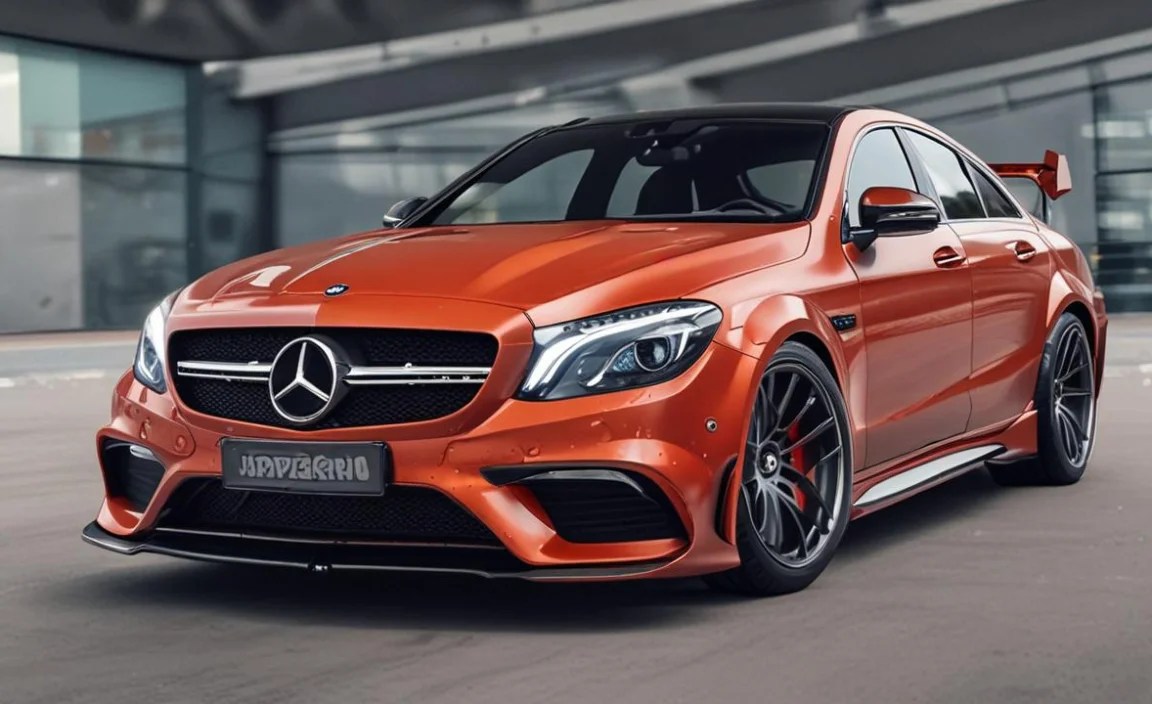
While professional installation is highly recommended, understanding the general steps involved provides valuable insight into the complexity and precision required.
Step 1: Disassembly and Preparation
The existing bumpers, side skirts, and any other parts to be replaced are carefully removed from the vehicle. The mounting points are cleaned and inspected. Any minor imperfections on the car’s body that might affect fitment are addressed.
Step 2: Test Fitting and Modification
The new body kit components are painstakingly test-fitted to the car. This is a crucial stage where minor adjustments, trimming, or sanding might be necessary to ensure perfect alignment with the vehicle’s body lines, panels, and shut lines (the gaps between body panels). For widebody kits, this stage involves marking and potentially cutting the original fenders.
Step 3: Mounting and Securing
Once alignment is confirmed, the new parts are permanently attached. This typically involves using a combination of automotive-grade adhesives, specialized clips, and sometimes drilling into the car’s chassis or body panels. For widebody kits, this often includes the fabrication of inner fender structures to properly house the wider components.
Step 4: Sanding and Priming
All surfaces of the new body kit parts are meticulously sanded to create a smooth surface for paint. After sanding, a high-quality primer is applied. This seals the material, creates a uniform surface, and ensures proper


