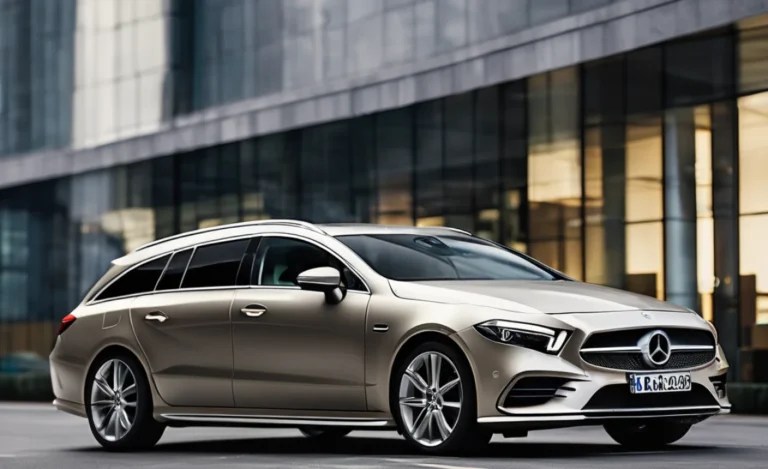
Mercedes CLS Class Evolution: Legendary, Perfect
Quick Summary:
The Mercedes-Benz CLS Class has redefined luxury coupes with its blend of sleek design and robust performance. This article explores its legendary evolution, highlighting how each generation perfected its unique appeal, from striking aesthetics to cutting-edge technology, making it a consistently aspirational choice for discerning drivers.
Welcome to MercedesBlue! Today, we’re diving deep into the fascinating journey of a car that truly stands apart: the Mercedes-Benz CLS Class. It’s a vehicle that consistently turns heads, blending the elegance of a coupe with the practicality of a sedan. Many owners and enthusiasts wonder how this iconic model came to be, and what makes each iteration feel so special. You’re in the right place! We’ll trace the CLS Class’s evolution, generation by generation, uncovering the design philosophies, technological advancements, and performance upgrades that cemented its legendary status. Get ready to understand what makes the CLS Class not just a car, but a statement.
The Genesis of a Legend: Mercedes CLS Class Evolution

The Mercedes-Benz CLS Class is more than just a car; it’s a design philosophy brought to life. Introduced in the early 2000s, it carved out a new niche in the automotive world – the four-door coupe. This concept, which blends the sporty silhouette of a coupe with the practicality of a sedan, was revolutionary. It aimed to offer automotive enthusiasts a vehicle that didn’t compromise on style or substance. The CLS Class was born from a desire to create something distinctly different, a car that would capture the imagination and appeal to those who appreciate bold design and sophisticated engineering. Its success lies in its ability to continuously reinvent itself while staying true to its core identity.
First Generation (C219): The Birth of the Four-Door Coupe
The first CLS, codenamed C219, debuted in 2004 for the 2005 model year. This car was a radical departure from traditional sedan styling. Its long, flowing lines, low-slung roofline, and frameless doors immediately set it apart. Mercedes-Benz didn’t just build a sedan with a sloping roof; they created a car that looked unmistakably like a coupe, but with four doors. This bold design language, often described as “shooting brake”-inspired, was a masterstroke. It offered the visual drama of a sports car with the comfort and accessibility of a sedan, filling a void in the market that nobody knew existed until it arrived.
Underneath the stunning exterior, the C219 CLS was built on the platform of the E-Class sedan. This provided a solid foundation for comfort, safety, and performance. However, the CLS aimed for a more dynamic and luxurious feel, positioning itself as a more stylish and exclusive alternative. Early models featured powerful V6 and V8 engines, delivering the smooth, refined power Mercedes-Benz is known for. The interior also reflected this premium positioning, with high-quality materials and sophisticated design.
Key Features of the First Generation CLS (C219):
- Revolutionary Design: The signature flowing roofline and frameless doors established the four-door coupe segment.
- E-Class Foundation: Benefited from the robust engineering and safety of its sedan sibling.
- Premium Interior: Lavish materials and a driver-focused cockpit exuded luxury.
- Engine Choices: Available with potent V6 and V8 engines, including the AMG CLS 55 and later CLS 63 models for enhanced performance.
The C219 was a critical success, proving that there was a significant demand for this unique blend of styles. It wasn’t just a car; it was a trendsetter that influenced the design language of many other manufacturers.
Second Generation (C218): Refinement Meets Innovation
Following the groundbreaking success of its predecessor, the C218 CLS generation arrived for the 2011 model year. Mercedes-Benz understood the formula that made the first generation a hit, and the C218 built upon it with more refined styling and significant technological advancements. The design became sharper, more muscular, and arguably even more aggressive, especially the iconic “dropping shoulder line” that ran the length of the car. The front fascia featured a more prominent grille and aggressive headlights, signaling a sportier intent.
This generation also marked a significant leap in technology and efficiency. Mercedes-Benz introduced a range of more fuel-efficient engines, including the innovative BlueDIRECT technology for its gasoline engines, which enhanced power output while reducing consumption and emissions. The vehicle became more aerodynamic, further contributing to efficiency and high-speed stability. The interior saw further upgrades, with higher-quality materials, advanced infotainment systems, and a host of driver assistance technologies that began to hint at the future of automotive safety and convenience.
Technological and Design Advancements in the Second Generation:
- Sharper Styling: More sculpted body lines and a more dynamic presence.
- Advanced Powertrains: Introduction of more efficient engines and technologies like BlueDIRECT.
- Enhanced Safety: Integration of cutting-edge driver assistance systems.
- Improved Aerodynamics: Optimized for better fuel economy and reduced wind noise.
- MSRP at Launch: The CLS 350 Bluetec started around $70,000, with higher trims and AMG variants increasing the price significantly, reflecting its premium positioning.
The C218 generation continued to solidify the CLS Class’s reputation as a leader in the luxury four-door coupe segment. It was a car that managed to be both a sophisticated cruiser and a thrilling performer, especially when equipped with the AMG package.
Third Generation (C257): The Digital Era Icon
The most recent generation of the CLS, the C257, made its debut at the 2017 Los Angeles Auto Show for the 2019 model year. This generation represented Mercedes-Benz’s embrace of the digital age, integrating advanced technology seamlessly into its already impressive design. The exterior styling of the C257 became even sleeker and more fluid, featuring sharper lines and a more athletic stance, while still retaining the recognizable silhouette of a coupe. The “hot reverser” single-louver grille and the slim, swept-back headlamps gave it a particularly aggressive and modern face.
Inside, the C257 CLS truly came into its own. It adopted the brand’s latest interior design language, featuring large, integrated widescreen displays for the instrument cluster and infotainment system. Ambient lighting became a signature feature, with customizable colors creating a personalized cabin experience. The CLS also incorporated the latest generation of Mercedes-Benz’s driver assistance systems, offering near-autonomous driving capabilities in certain situations. This generation also saw the integration of mild-hybrid technology with its EQ Boost system, further enhancing efficiency and responsiveness.
Key Innovations in the Third Generation CLS (C257):
- Digital Cockpit: Dual widescreen displays for a fully digital driver experience.
- Advanced Infotainment: MBUX (Mercedes-Benz User Experience) with intuitive voice control.
- EQ Boost Mild-Hybrid: Enhanced efficiency and performance through integrated electric motor.
- Sophisticated Driver Assistance: Semi-autonomous driving features for enhanced safety and comfort.
- Connectivity: Seamless integration with smartphones and cloud-based services.
This generation of the CLS Class underscored Mercedes-Benz’s commitment to integrating cutting-edge technology with its signature luxury and design. It’s a car that feels as futuristic as it looks, offering a driving experience that is both exhilarating and intelligent.
The AMG CLS: Performance Redefined

No discussion of the CLS Class evolution would be complete without highlighting the formidable AMG variants. AMG, Mercedes-Benz’s high-performance division, has consistently taken the CLS platform and transformed it into a true sports car with luxury accoutrements. These models are where the “legendary” aspect of the CLS truly shines for performance enthusiasts.
AMG CLS 55 / CLS 63 (First and Second Generation)
The first AMG CLS, the CLS 55 AMG, packed a supercharged 5.4-liter V8 engine, offering blistering acceleration and a thunderous soundtrack. It was a car that defied the elegant lines with brute force. Later, it was replaced by the CLS 63 AMG, which featured a hand-built, twin-turbocharged V8. These models were characterized by their aggressive styling – larger wheels, more prominent spoilers, and quad exhaust tips – and their unparalleled ability to blend supercar performance with the comfort of a luxury sedan.
These AMG versions were engineered for serious performance, featuring upgraded suspension, brakes, and transmissions. They were often equipped with AMG’s Speedshift MCT transmission, which offered lightning-fast gear changes, and sophisticated electronic aids to manage the immense power. Owning an AMG CLS was, and still is, about experiencing automotive artistry where luxury meets raw performance.
AMG CLS 53 (Third Generation)
In the third generation, the flagship performance model became the AMG CLS 53. This variant embraced electrification with its own enhanced EQ Boost mild-hybrid system. The AMG 53 uses a powerful turbocharged inline-six engine combined with an electric motor and an integrated starter-generator (ISG). This setup provides instant torque, improved efficiency, and an even smoother power delivery than its V8 predecessors. While perhaps not possessing the same raw, analog feel as the older V8s, the CLS 53 AMG offers a more refined, technologically advanced performance experience that aligns with modern automotive trends.
The AMG CLS 53 also benefits from AMG-specific chassis tuning, braking systems, and styling cues, ensuring it remains at the pinnacle of CLS performance. It’s a testament to AMG’s ability to adapt and deliver exciting driving dynamics across different powertrain technologies.
AMG CLS Key Performance Aspects:
- Engine Power: From supercharged V8s to twin-turbo V8s and electrified inline-sixes, AMG versions consistently offer top-tier power.
- Chassis Dynamics: Performance-oriented suspension, braking, and steering systems.
- Exclusivity: Represent the highest tier of performance and luxury within the CLS lineup.
- Driving Experience: A thrilling combination of rapid acceleration, agile handling, and the signature AMG growl.
Design Evolution: From Fluidity to Sharpness
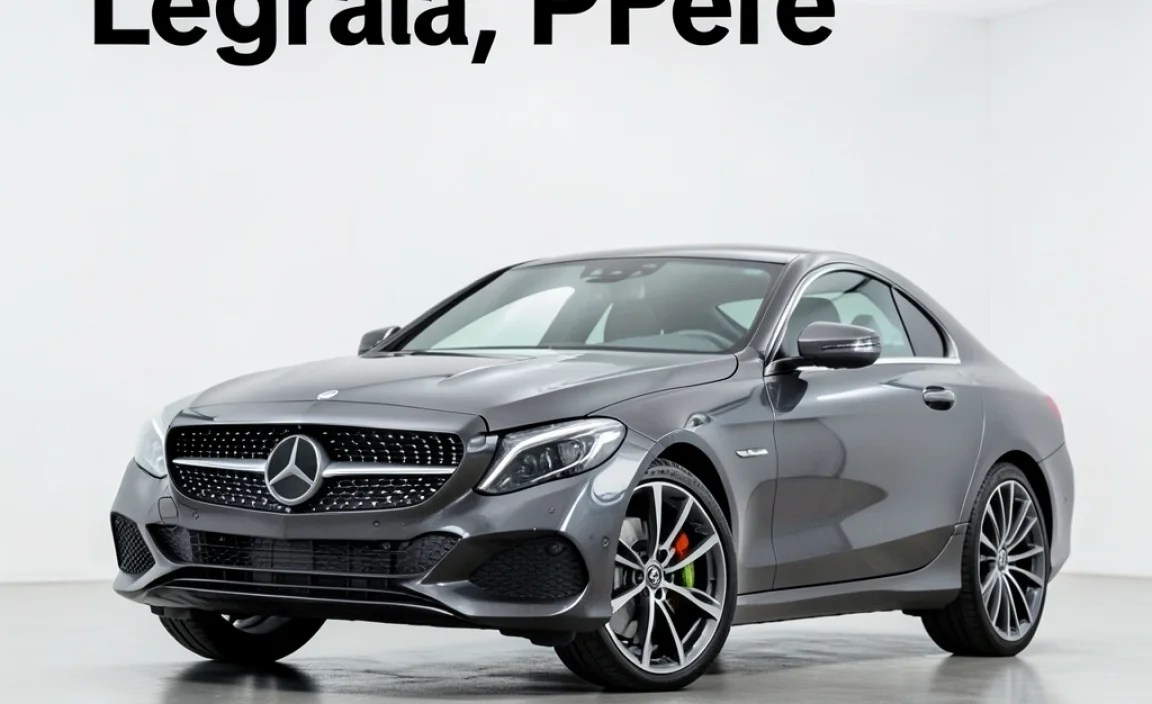
The CLS Class’s design has been a consistent thread throughout its history, yet each generation has brought its own interpretation. What began as a revolutionary, almost organic fluidity in the first generation has evolved into sharper, more defined lines in later models, reflecting contemporary design trends.
Character Lines and Proportions
The C219 was defined by its soft curves and flowing lines, embodying a modern interpretation of classic automotive elegance. The C218 took this further, introducing more pronounced creases and a dynamic “dropping shoulder” line. The C257 sharpens these elements further, with a more angular face and crisper lines, giving it a more athletic and aggressive stance. Despite these shifts, the core silhouette – the low roofline, the extended bonnet, and the coupe-like profile – remains.
Interior Design Philosophy
The interior has mirrored the exterior’s evolution. The first generation featured a luxurious, yet somewhat traditional layout for Mercedes-Benz, albeit with a more driver-focused feel. The second generation saw increased digitalization and more sculpted dashboard designs. The third generation, with its dual widescreen displays and extensive ambient lighting, represents the pinnacle of Mercedes-Benz’s modern interior design, blending opulence with advanced technology.
Technology and Innovation Trajectory

The CLS Class has always been a showcase for Mercedes-Benz’s latest technologies. From advanced safety features to cutting-edge infotainment, each generation pushes the boundaries.
Safety Systems
Early CLS models incorporated advanced airbag systems and ABS. As generations progressed, this expanded significantly. The C218 introduced features like Active Lane Keeping Assist and Blind Spot Assist. The C257 generation features comprehensive suites of driver assistance systems derived from the S-Class, offering functions that approach semi-autonomous driving, such as DISTRONIC PLUS with Steering Assist. These advancements not only enhance safety but also significantly improve driver comfort on long journeys.
Infotainment and Connectivity
The evolution of the COMAND infotainment system through the generations reflects the rapid changes in digital technology. The C219 had a more basic system, while the C218 integrated Bluetooth and navigation more seamlessly. The C257’s MBUX system is a game-changer, featuring natural language voice control, augmented reality navigation, and over-the-air updates. This focus on intelligent connectivity ensures the CLS remains at the forefront of in-car user experience.
Powertrain Evolution
Beyond the purely performance-oriented AMG engines, the standard CLS powertrains have also evolved significantly. Early models focused on naturally aspirated and supercharged V8s. Later generations introduced twin-turbo V8s, more efficient V6 engines, and diesel options. The current generation emphasizes downsizing, turbocharging, and mild-hybrid technology (EQ Boost) to balance power with fuel efficiency and reduced emissions. This reflects broader industry trends towards more sustainable automotive solutions, as seen in the research by organizations like the U.S. Environmental Protection Agency on fuel economy and emissions standards.
Mercedes CLS Class vs. Competitors

The CLS Class often finds itself competing against other “four-door coupes” or sport sedans from luxury manufacturers. Understanding its unique position helps appreciate its enduring appeal.
Key Competitors:
- Audi A7 Sportback
- BMW 8 Series Gran Coupe
- Porsche Panamera
- Lexus LC 500h (though more of a 2+2 grand tourer, it competes in spirit)
The CLS Class consistently differentiates itself through its specific design language, which many consider more purely ‘coupe-like’ than some rivals. Its interiors often feature a more avant-garde or opulent design, and its ride quality, while sporty in AMG variants, typically leans towards a more comfortable, refined experience in standard models compared to some more dynamically focused competitors. The brand cachet of Mercedes-Benz and its comprehensive technology suite also play significant roles.
FAQ: Your Mercedes CLS Class Questions Answered
Here are some common questions beginners might have about the Mercedes CLS Class:
What exactly is a four-door coupe?
A four-door coupe is a car that has the sleek, sloping roofline and sporty profile of a traditional coupe, but with the convenience of four doors. It aims to combine the style of a sports car with the practicality of a sedan.
Is the CLS Class a direct sedan or coupe?
It’s neither, and it’s both! The CLS Class is classified as a four-door coupe. It shares many components and underpinnings with Mercedes-Benz’s sedan models (like the E-Class), but its exterior design is distinctly coupe-like, especially its distinctive roofline.
Which generation of the CLS is considered the most stylish?
Style is subjective! The first generation (C219) is lauded for its groundbreaking design that created the segment. The third generation (C257) is praised for its sharp, modern, and aggressive styling. Many enthusiasts appreciate specific design elements from each era.
What is the difference between a CLS and an E-Class?
While often based on the same platform, the CLS is positioned as a more stylish, performance-oriented, and luxurious alternative to the E-Class sedan. The CLS typically features a more aggressive coupe-like design, often a lower roofline, and sometimes sportier interior appointments and engine options.
Are CLS AMG models expensive to maintain?
Yes, high-performance vehicles like AMG models generally incur higher maintenance and repair costs than standard vehicles, including standard CLS models. This is due to specialized parts, more complex engineering, and the need for specialized technicians.
What does “EQ Boost” mean on a CLS?
EQ Boost is Mercedes-Benz’s mild-hybrid system. On CLS models equipped with it, an electric motor integrated into the drivetrain assists the gasoline engine, providing extra power during acceleration, smoother engine starts, and improved fuel efficiency. It’s a step towards electrification.
How reliable is the Mercedes CLS Class?
Mercedes-Benz vehicles, including the CLS Class, are generally known for their robust engineering and build quality. However, like any luxury car, they can require more specialized and potentially costly maintenance than their non-luxury counterparts, especially as they age. Regular, scheduled maintenance by qualified technicians is key to long-term reliability.
The Enduring Legacy of the CLS Class
From its inception, the Mercedes-Benz CLS Class was designed to be more than just transportation; it was intended to be a work of art on wheels. Each generation has successfully built upon the legacy of its predecessor, pushing boundaries in design, technology, and performance.
The first generation bravely introduced the four-door coupe concept, proving that practicality and breathtaking style could coexist. The second generation refined this concept, enhancing its sporty appeal and technological sophistication. The third generation embraced the digital age, delivering an experience that is as intelligent as it is luxurious. And through it all, the AMG models have consistently delivered the ultimate expression of CLS performance, a legend in their own right.
The Mercedes CLS Class evolution is a