
Pickup Truck vs Hybrid Pickup: Your Perfect Family Choice
Quick Summary: Choosing between a traditional pickup truck and a hybrid pickup for your family depends on your priorities. Traditional trucks offer raw power and proven capability, while hybrid pickups blend efficiency with everyday usability, making them a compelling option for modern families balancing work and life.
Welcoming a new vehicle into the family is always an exciting prospect, but when it comes to trucks, the options can feel surprisingly vast. You’re probably weighing the classic appeal of a robust pickup truck against the modern innovation of a hybrid pickup. It’s a common dilemma for families who need versatility, capability, and comfort, but also want to make smart choices for their budget and the environment. Don’t worry, we’ll navigate these choices together, breaking down exactly what each type of truck offers, so you can confidently select the perfect fit for your adventures, commutes, and everything in between. We’ll explore the key differences, helping you understand which truck aligns best with your family’s lifestyle.
Pickup Truck vs Hybrid Pickup: Understanding the Core Differences

At its heart, the debate between a conventional pickup truck and a hybrid pickup boils down to their powertrains and how they deliver performance. While both serve the fundamental purpose of hauling and towing, their operational philosophies diverge significantly.
Traditional Pickup Trucks: The Workhorse Legacy
Traditional pickup trucks have long been the go-to for demanding tasks. They are powered exclusively by internal combustion engines (ICE), usually gasoline or diesel. This familiar technology means simplicity in design and widespread familiarity for mechanics. Their strength lies in their raw, unadulterated power, often boasting higher towing and payload capacities compared to their hybrid counterparts, at least in similar configurations.
- Engine: Solely relies on a gasoline or diesel internal combustion engine.
- Performance: Known for robust towing and hauling capabilities, often exceeding hybrid options.
- Fueling: Refueled at any gas station, with a well-established infrastructure.
- Maintenance: Generally simpler and more widely understood by mechanics due to traditional technology.
- Cost: Often has a lower initial purchase price compared to equivalent hybrid models.
Hybrid Pickup Trucks: The Efficient Evolution
The advent of hybrid pickup trucks represents an exciting evolution in the segment. These vehicles combine an internal combustion engine with an electric motor and a battery pack. This synergy allows them to achieve better fuel efficiency and often provides a smoother, quieter ride, especially in city driving where the electric motor can take the lead. They are designed to offer a more eco-conscious and economical driving experience without sacrificing too much of the practicality that defines a truck.
- Engine: Features a combination of an internal combustion engine and an electric motor powered by a battery.
- Performance: Offers improved fuel economy and a quieter, smoother ride, with electric assist for acceleration.
- Fueling: Refueled at gas stations; some plug-in hybrids (PHEVs) also require charging.
- Maintenance: Can be more complex due to the integration of electrical components, though reliability is steadily improving.
- Cost: Typically has a higher upfront cost, but can offer significant long-term savings on fuel.
Key Considerations for Family Use

When you’re thinking about bringing a truck into your family’s life, certain factors become paramount. It’s not just about capability; it’s about how well the vehicle integrates with your daily routines, accommodates your passengers, and fits your lifestyle. We’ll look at how each type of truck stacks up in these crucial family-centric areas.
Passenger Comfort and Space
For families, the cabin experience is as important as what’s under the hood. Both traditional and hybrid pickups typically offer spacious crew cab configurations, providing ample legroom and headroom for adults and growing kids alike. However, the nuances can vary:
- Seating: Most modern trucks, regardless of powertrain, offer comfortable seating for up to five adults. Look for rear-seat amenities like USB ports, climate control, and ample storage for car seats or booster seats.
- Ride Quality: Hybrid trucks often boast a smoother, more refined ride, especially at lower speeds, thanks to the electric motor. Traditional trucks have improved significantly over the years, but can still feel a bit more rugged.
- Cabin Noise: The electric motor on a hybrid can make for a significantly quieter cabin, reducing driver fatigue on long journeys and making it easier to converse with passengers.
Cargo and Hauling Versatility
The primary appeal of a pickup truck for many families is its inherent versatility. Whether it’s hauling sports equipment, DIY project supplies, or luggage for a road trip, the bed is a game-changer. Here’s how they compare:
- Bed Size: Both types of trucks come in various bed lengths (short, standard, long). Your choice will depend on what you plan to carry most often. Shorter beds are easier to maneuver, while longer beds offer more cargo space.
- Payload Capacity: Traditional trucks often have a slight edge in maximum payload capacity, meaning they can carry more weight in the bed. However, the difference may not be significant enough for many family-oriented tasks. Check the specific model’s Gross Vehicle Weight Rating (GVWR) for accurate figures.
- Towing Capability: Similar to payload, traditional trucks often lead in towing capacity. However, hybrid trucks are increasingly capable and can tow substantial loads, more than enough for typical family needs like small campers or utility trailers.
Fuel Efficiency and Environmental Impact
This is where hybrid pickup trucks truly shine, offering a compelling alternative for families conscious of their fuel budget and carbon footprint.
- Fuel Economy: Hybrid pickups consistently offer better miles per gallon (MPG) than their gasoline-only counterparts. This can translate into significant savings over the life of the vehicle, especially for families with long commutes or frequent trips. For instance, the Ford F-150 Hybrid is rated for impressive MPG figures that rival many sedans. According to the U.S. Department of Energy, fuel economy ratings are a crucial factor in long-term ownership costs.
- Emissions: By utilizing electric power, hybrids reduce tailpipe emissions, contributing to cleaner air, particularly in urban environments. Some hybrid models can operate on electric power alone for short distances.
- Range Anxiety: Unlike fully electric vehicles, hybrid trucks don’t typically suffer from “range anxiety” because the gasoline engine provides backup power and extends the driving range considerably.
Cost of Ownership: The Long-Term View
The decision between a traditional and hybrid pickup isn’t just about the sticker price; it’s about the total cost over time. Factoring in fuel, maintenance, and potential incentives can paint a clearer picture.
- Initial Purchase Price: Hybrid trucks generally command a higher upfront price due to the advanced technology (battery, electric motor).
- Fuel Savings: The improved MPG of hybrid trucks can offset the higher initial cost, especially if gas prices are volatile or if you drive a lot. Over five years, these savings can be substantial.
- Maintenance: While hybrid systems are becoming more robust, they do introduce more complex components. Brake wear, for example, is often reduced in hybrids due to regenerative braking, potentially saving on brake pad replacement. However, specialized knowledge may be required for certain repairs.
- Incentives: Depending on your location, there might be tax credits or rebates available for purchasing hybrid vehicles, which can help reduce the overall cost.
Comparing Popular Models
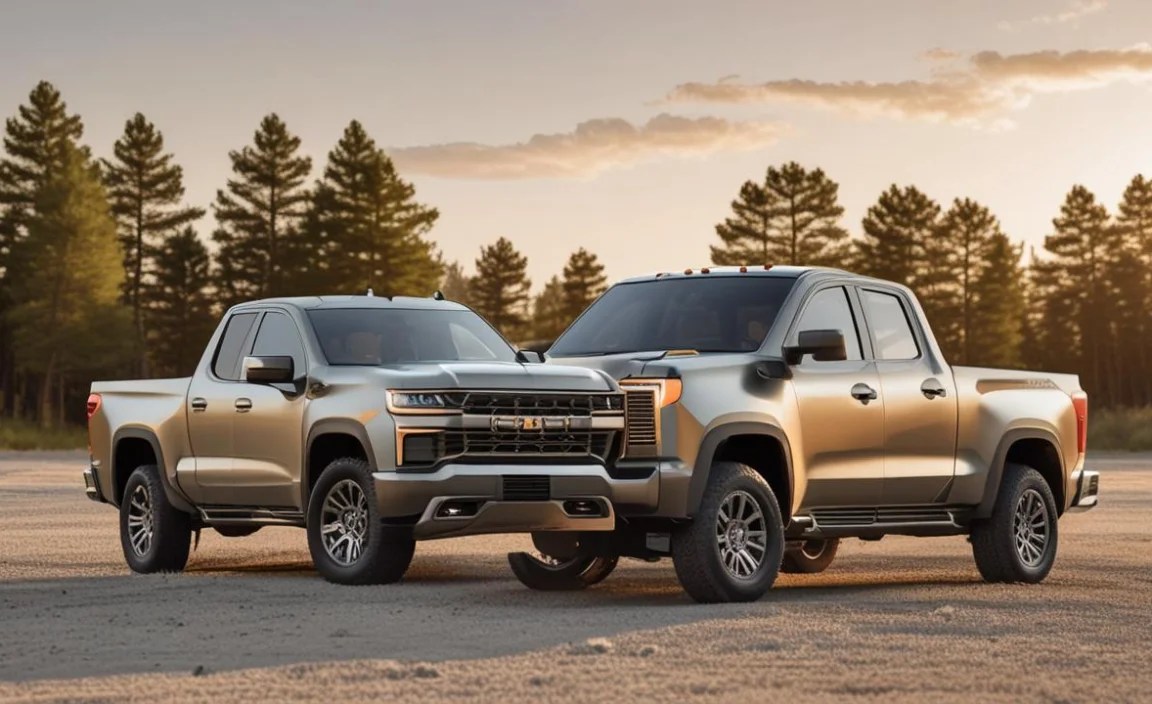
To make this decision even more concrete, let’s look at how some leading contenders stack up. While the market is evolving rapidly, here’s a snapshot of what the landscape often looks like.
Traditional Pickup Trucks for Families
Companies like Ford, Chevrolet, Ram, and Toyota have long offered incredibly popular and capable traditional pickup trucks that are well-suited for family duties. Models such as the Ford F-150, Chevrolet Silverado 1500, Ram 1500, and Toyota Tundra are staples in driveways across the country.
These trucks are renowned for their ruggedness, diverse engine options (from efficient V6s to powerful V8s and potent turbodiesels), and extensive aftermarket support for accessories and modifications. They are built to withstand tough conditions, making them reliable companions for work and play. Their straightforward mechanical nature often means easier and more affordable repairs for common issues, which can be a significant advantage for budget-conscious families.
Hybrid Pickup Trucks for Families
The hybrid truck segment is newer but growing quickly. The Ford F-150 Hybrid (PowerBoost) has been a significant player, offering V6 power combined with electric torque and the Pro Power Onboard generator feature, which is incredibly useful for camping or job sites. The Toyota Tundra has also embraced a hybrid powertrain as standard on most of its models, emphasizing efficiency and robust performance.
These trucks aim to capture the best of both worlds: the utility of a pickup with the fuel efficiency gains and smoother driving experience of electrification. They are perfect for families who need trucking capability for occasional tasks but spend most of their time navigating city streets, running errands, and commuting. Regenerative braking, which reclaims energy when you slow down, also contributes to enhanced efficiency and reduced wear on traditional brake components.
Here’s a comparative look at some key aspects:
| Feature | Traditional Pickup Truck | Hybrid Pickup Truck |
|---|---|---|
| Fuel Efficiency | Good to Moderate | Excellent (typically 20-40% better MPG) |
| Towing Capacity | Often Higher | Very Capable, may be slightly less than top-tier traditional |
| Payload Capacity | Often Higher Maximums | Very Capable, may be slightly less than top-tier traditional |
| Initial Cost | Generally Lower | Generally Higher |
| Ride Comfort | Improved, can be more rugged | Often Smoother and Quieter |
| Environmental Impact | Higher emissions | Lower emissions |
| Complexity | Simpler mechanics | More complex powertrain (ICE + electric) |
| Generational Appeal | Proven, long-standing | Modern, innovative |
Making Your Family’s Choice

Selecting the right truck for your family involves a candid assessment of your needs and a realistic look at your budget. Consider the following questions to guide your decision:
Your Family’s Needs Analysis:
- What will you primarily use the truck for? Is it for hauling lumber for weekend projects, towing a boat, or mostly for daily commutes and school runs?
- How much towing or heavy hauling do you do? If you regularly tow very heavy loads or haul maximum payload, a traditional truck might still be the uncompromised choice.
- What is your typical driving environment? If you do a lot of city driving with frequent stops and starts, the hybrid’s regenerative braking and electric-only modes will offer greater fuel savings. Highway driving offers less dramatic gains but still benefits from the electric assist.
- What is your budget for the initial purchase and ongoing expenses? Factor in purchase price, fuel costs, insurance, and potential maintenance.
- How important is environmental impact to your family? If reducing your carbon footprint is a high priority, a hybrid pickup offers a tangible benefit.
Testing the Waters: The Test Drive is Key
No amount of reading can replace the experience of being behind the wheel. When you visit a dealership, make sure to:
- Test drive both types of trucks under conditions similar to your daily driving. Pay attention to acceleration, braking, ride quality, and cabin noise.
- Bring the family along! Let your passengers experience the rear-seat comfort, ease of entry and exit, and overall cabin ambiance.
- Explore the cargo bed with your typical gear in mind. Are the tie-downs in convenient locations? Is the tailgate easy to operate?
- Ask about the specific hybrid system if considering one. Understand how it operates, its electric-only range (if applicable via plug-in), and charging requirements. Reputable sources like Edmunds often provide detailed reviews that cover these aspects extensively.
Frequently Asked Questions (FAQ)
Q1: Are hybrid pickup trucks as powerful as traditional ones?
A1: Hybrid trucks often deliver impressive torque and acceleration thanks to the immediate power of the electric motor. While their peak towing and payload ratings might be slightly lower than the absolute strongest traditional trucks, they are more than capable for the vast majority of family and recreational needs.
Q2: Is a hybrid pickup more expensive to maintain?
A2: Maintenance can be a bit more complex due to the added electrical components. However, hybrid systems are generally reliable, and components like brake pads often last longer due to regenerative braking. Over time, the fuel savings can significantly outweigh any minor increase in maintenance complexity or cost.
Q3: How far can a hybrid pickup drive on electric power alone?
A3: This varies by model. Most current hybrid pickups use their electric motor to assist the gasoline engine, improving fuel economy. Some plug-in hybrid (PHEV) variants can travel a limited distance (e.g., 20-40 miles) on pure electric power before the gasoline engine engages, which is perfect for short commutes.
Q4: Will a truck bed be problematic for carrying small children?
A4: The truck bed is designed for cargo, not passengers. It is unsafe and illegal in most places to transport people, especially children, in the cargo bed. Child seats and passengers should always be secured within the safety of the vehicle’s cabin.
Q5: Do hybrid trucks require special charging stations?
A5: Standard hybrid pickup trucks (those that are not plug-in hybrids) do not require external charging. They recharge their battery pack through regenerative braking and by power generated from the gasoline engine. Plug-in hybrids (PHEVs) can be charged at home or at public charging stations for extended electric-only driving range.
Q6: What is regenerative braking?
A6: Regenerative braking is a system that captures energy normally lost as heat during braking. When you slow down, the electric motor acts as a generator, converting kinetic energy back into electrical energy to recharge the battery. This also helps reduce wear on your conventional brakes.
Q7: Are there government incentives for buying a hybrid pickup truck?
A7: Yes, depending on your location and the specific vehicle, there may be federal, state, or local tax credits, rebates, or other incentives available for purchasing hybrid or plug-in hybrid vehicles. It’s advisable to research current offerings through government resources like The Alternative Fuels Data Center.
The Verdict for Your Family

Ultimately, the choice between a pickup truck and a hybrid pickup for your family hinges on your unique circumstances. If your life is consistently filled with heavy-duty tasks – frequent towing of large trailers, hauling substantial construction materials, or navigating off-road terrain where maximum power is essential – a traditional pickup truck remains an exceptional and proven choice. They offer a robust, no-nonsense approach to capability that has been the standard for decades.
However, for the modern family that balances daily responsibilities with occasional adventures, the hybrid pickup truck presents a compelling and increasingly practical solution. It offers the undeniable utility of a truck – the open bed for gear, the commanding presence, and the ability to tackle an array of tasks – but marries it with the benefits of enhanced fuel efficiency, a quieter and smoother ride, and a smaller environmental footprint. This blend makes it an intelligent choice for families looking to optimize their budget and contribute to a more sustainable future without compromising on the functionality they need.
As technology continues to advance, the distinctions between these two classes of vehicles will likely blur further. But for now, by carefully considering your family’s needs, priorities, and driving habits, you can confidently select the truck that will serve as your perfect partner on life’s journeys, whether it’s a classic workhorse or an efficient evolution.


