
Pickup Truck vs Electric SUV: Ultimate Family Choice
For families weighing their options, a pickup truck often wins for sheer utility and ruggedness, while an electric SUV excels in refinement, technology, and running costs. Your ultimate choice depends on prioritizing hauling power and off-road capability (pickup) versus efficiency, advanced features, and a smoother ride (electric SUV).
Deciding on the perfect family vehicle can feel like navigating a maze. You need space for the kids, gear for soccer practice or weekend adventures, and the safety features that bring peace of mind. Two popular contenders are emerging: the versatile pickup truck and the technologically advanced electric SUV. Both offer distinct advantages, but which one is the right fit for your family? It’s a common dilemma for many drivers looking beyond traditional sedans. Don’t worry, we’ll break down the key differences to help you make an informed decision.
Understanding Your Family’s Needs

Before diving into vehicle specifics, take a moment to really consider what your family does. Are you weekend warriors hauling kayaks and mulch? Or are you primarily navigating carpool lanes and city streets, occasionally venturing out for longer trips?
The Family Pickup Truck: Power and Practicality
Pickup trucks have long been synonymous with work and adventure. Their appeal for families often stems from their sheer capability. Need to tow a camper, haul gardening supplies, or give the kids a unique ride experience in the open bed (safely, of course)? A pickup can handle it.
Pros of a Family Pickup Truck:
- Unmatched Towing and Hauling: This is the pickup’s superpower. Whether it’s a travel trailer, a load of lumber, or a mountain of camping gear, pickups are built for it.
- Off-Road Prowess: Many trucks offer robust 4×4 systems and high ground clearance, making them ideal for exploring beyond paved roads.
- Durability and Ruggedness: Trucks are generally built to withstand tougher conditions and heavier use.
- Versatility of the Bed: The open bed offers flexible cargo space that enclosed SUVs simply can’t match for certain items.
- Resale Value: In many markets, popular pickup models hold their value exceptionally well.
Cons of a Family Pickup Truck:
- Fuel Economy: Traditional gasoline-powered trucks can be quite thirsty, leading to higher fuel costs.
- Ride Comfort: While improving, the ride in a truck can still be bouncier than in an SUV, especially when unloaded.
- Maneuverability: Longer wheelbases and larger footprints can make city driving and parking more challenging.
- Interior Space (Rear Seat): While crew cab models offer ample rear legroom, getting in and out can be a stretch for smaller children, and the seating position is higher.
- Cost: Many capable pickup trucks, especially when optioned with creature comforts, can be as expensive as comparable SUVs.
The Electric SUV: The Future of Family Mobility?
Electric SUVs are rapidly changing the automotive landscape. They offer a blend of familiar SUV practicality with the cutting-edge benefits of electric propulsion. For families embracing new technology and prioritizing efficiency, they present a compelling case.
Pros of an Electric SUV:
- Lower Running Costs: Electricity is typically cheaper per mile than gasoline, and EVs have fewer moving parts, reducing maintenance needs.
- Environmental Benefits: Zero tailpipe emissions contribute to cleaner air, especially in urban environments.
- Quiet and Smooth Ride: The electric powertrain delivers instant torque and a remarkably quiet, refined driving experience.
- Advanced Technology: EVs often come loaded with the latest infotainment, driver-assist, and connectivity features.
- Government Incentives: Many regions offer tax credits or rebates on new electric vehicles, lowering the initial purchase price. You can check the US Department of Energy’s website for federal EV tax credits.
- Spacious and Versatile Interior: Many EVs are designed from the ground up on dedicated electric platforms, often resulting in more interior space and flexible cargo configurations than traditionally designed vehicles.
Cons of an Electric SUV:
- Range Anxiety: While improving, the fear of running out of charge on longer trips is still a consideration for some.
- Charging Infrastructure: Public charging availability can vary significantly depending on your location and travel routes.
- Charging Time: Recharging an EV takes longer than refueling a gasoline car, even with fast chargers.
- Initial Purchase Price: EVs can sometimes have a higher sticker price than comparable gasoline-powered vehicles, although incentives and lower running costs can offset this.
- Towing and Hauling Limitations: While capabilities are increasing, most electric SUVs are not designed for the heavy-duty towing or extreme hauling that some pickup trucks can manage.
Key Comparison Points for Families

Let’s put these two vehicle types head-to-head on categories that matter most to family life.
Cargo Space and Versatility
This is often a deciding factor. Pickup trucks, with their open beds, offer unparalleled flexibility for large, bulky, or dirty items. Think dirt bikes, lumber, or a week’s worth of camping gear. However, items in the bed are exposed to the elements and theft. A truck bed cover or a cap can mitigate this but adds cost and complexity.
Electric SUVs typically offer enclosed cargo areas that are secure and protected from weather. They often feature split-folding rear seats and available “frunks” (front trunks) or underfloor storage compartments, maximizing usable space. While you won’t likely fit a washing machine in an EV SUV, they are perfectly suited for groceries, luggage, strollers, and sports equipment.
Passenger Comfort and Accessibility
For everyday passenger comfort, electric SUVs generally have the edge. Their suspension is often tuned for a smoother, more compliant ride. Getting in and out of the lower seating positions is usually easier for children and less agile adults. The quiet operation of an EV also contributes to a more serene cabin environment.
Pickup trucks have come a long way in cabin refinement. Crew cab models offer generous rear legroom. However, the higher ride height and longer doors can make entry and exit a bit more of a climb. The ride can also be more jarring, particularly on rough roads, if not equipped with a sophisticated suspension system.
Towing and Hauling Capabilities
If your family’s adventures involve towing a substantial trailer—be it a boat, a travel trailer, or a race car—a pickup truck is likely the only practical choice. Even mid-size trucks offer towing capacities that far exceed most electric SUVs. Always consult the vehicle’s owner’s manual and manufacturer specifications for exact towing limits.
Electric SUVs are increasingly capable of towing, but they generally lag behind their gasoline counterparts and especially pickup trucks. They are often best suited for smaller trailers, like utility trailers, teardrop campers, or very lightweight caravans. Towing significantly impacts EV range, so planning charging stops becomes even more critical on long journeys.
Performance and Driving Experience
The driving dynamics are vastly different. Electric SUVs offer instant torque for quick acceleration from a standstill, a quiet and vibration-free ride, and often benefit from a low center of gravity due to the battery placement, leading to confident handling.
Pickup trucks, especially those with larger V6 or V8 engines, offer a different kind of performance—raw power and the sound of an engine. Their higher center of gravity and often more robust, truck-based chassis mean they aren’t typically as agile as an SUV. However, their commanding driving position and potent powertrains can be appealing.
Fueling and Maintenance
This is where the electric SUV really shines for daily use. Home charging overnight means you start each day with a “full tank.” Public charging infrastructure is growing, and charging networks offer various speeds, from Level 2 (home or destination charging) to DC fast chargers (for quick top-ups on the go).
For pickup trucks, the familiar routine of visiting a gas station remains. Fuel economy varies widely by model, engine, and drivetrain. Maintenance on gasoline trucks involves oil changes, spark plugs, exhaust systems, and other components common to internal combustion engines. EVs, with fewer fluids and fewer mechanical parts, generally require less frequent and less extensive maintenance. For example, brake wear is often reduced due to regenerative braking.
Cost of Ownership
The initial purchase price can be a significant hurdle for EVs. However, when you factor in government incentives, significantly lower fuel costs (electricity versus gasoline), and reduced maintenance, the total cost of ownership over several years can often be competitive with, or even less than, a comparable gasoline pickup truck.
Here’s a simplified comparison of potential ownership costs. Keep in mind that actual costs will vary based on driving habits, local electricity/gas prices, and vehicle choice.
| Factor | Pickup Truck (Gasoline) | Electric SUV |
|---|---|---|
| Initial Purchase Price | Potentially lower for base models, but can increase significantly with options. | Often higher, but federal/local incentives can reduce the effective price. |
| Fuel/Energy Costs | Higher, dependent on current gasoline prices and MPG. | Lower, dependent on electricity rates and vehicle efficiency (MPGe). |
| Maintenance Costs | Higher due to more complex engine, transmission, and exhaust systems. Regular oil changes, etc. | Lower due to fewer moving parts, no oil changes, less brake wear (regenerative braking). |
| Depreciation | Can hold value very well, especially popular models and trims. | Historically depreciated faster, but this is changing as EV technology matures and demand grows. |
| Incentives/Rebates | Generally few or none, unless for very specific commercial use. | Significant federal, state, and local tax credits/rebates available in many regions. |
Safety Features
Both modern pickup trucks and electric SUVs are designed with safety as a top priority. Advanced driver-assistance systems (ADAS) are widely available on both. These can include:
- Automatic Emergency Braking (AEB)
- Lane Keeping Assist (LKA)
- Blind Spot Monitoring (BSM)
- Adaptive Cruise Control (ACC)
- Surround-View Camera Systems
When it comes to crashworthiness, both vehicle types perform well in official safety tests, such as those conducted by the National Highway Traffic Safety Administration (NHTSA) and the Insurance Institute for Highway Safety (IIHS). Electric SUVs, due to their inherent design and battery placement, often have a low center of gravity which can contribute to stability and reduce rollover risk. Pickup trucks, with their body-on-frame construction, are also incredibly robust.
Making the Final Decision
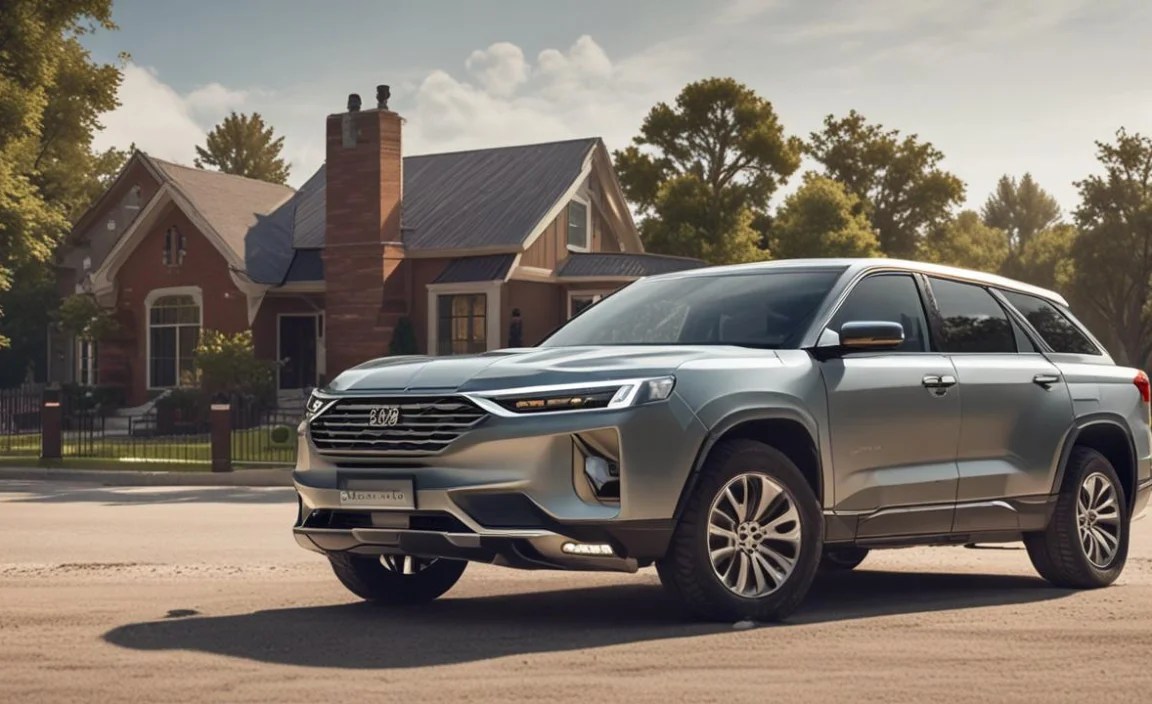
Here’s a simple breakdown to help you decide:
- For the Family that Hauls and Tows… or Needs Ultimate Versatility: If your lifestyle involves frequent heavy lifting, towing larger items, or you just love the idea of an open bed ready for anything, a pickup truck is likely your champion. Consider a crew cab for family comfort and check its specific towing and payload ratings.
- For the Family Embracing Technology and a Smoother Lifestyle: If you prioritize a quiet, refined ride, lower long-term running costs, cutting-edge tech, and don’t regularly need to haul loads larger than what a typical SUV can manage, an electric SUV is a compelling choice. It’s ideal for daily commutes, road trips with planning, and families looking to reduce their environmental footprint.
It might be helpful to create a personal checklist:
- Must-Have Features: (e.g., 4WD, heated seats, specific driver assists, cargo capacity)
- Deal-Breakers: (e.g., maximum towing weight, minimum electric range, reliance on public charging)
- Budget: (including purchase price, potential incentives, and ongoing fuel/energy costs)
The best way to know for sure? Take test drives in both a pickup truck and an electric SUV that fit your family’s needs and budget. Experience the driving dynamics, test out the cargo space, and see how easy it is to manage car seats or load groceries. What feels right for your family dynamic and daily routines will become apparent behind the wheel.
Frequently Asked Questions
Q1: Can a pickup truck be a comfortable family vehicle?
Yes. Modern pickup trucks, especially crew cab models, offer spacious rear seats and increasingly refined rides. While not always as plush as a luxury SUV, they provide ample comfort for most family needs, particularly for those who value their utility.
Q2: How does charging an electric SUV work for families?
Most EV charging for families happens overnight at home using a standard outlet or a dedicated Level 2 charger, similar to charging a smartphone. For longer trips, you’d utilize public charging stations, which are becoming more widespread. Apps and navigation systems can help locate chargers along your route.
Q3: Which is better for very cold weather: a pickup truck or an electric SUV?
Both can handle cold weather well. Pickup trucks often have robust 4×4 systems that excel in snow and ice. Electric SUVs can also be equipped with AWD and their batteries perform adequately in cold, though extreme cold can temporarily reduce range and charging speed. Preconditioning the cabin using grid power before driving is a common EV feature in winter.
Q4: What are the typical range limitations of an electric SUV?
Modern electric SUVs typically offer a range of 250 to over 350 miles on a full charge, depending on the model, driving conditions, and battery size. This is generally sufficient for most daily driving and many longer trips, provided charging stops are factored in.
Q5: Is a pickup truck more expensive to maintain than an electric SUV?
Generally, yes. Gasoline pickup trucks have more complex mechanical systems (engines, transmissions, exhaust) that require regular maintenance like oil changes. Electric SUVs have fewer moving parts, resulting in lower scheduled maintenance costs and often less frequent service visits.
Q6: Can I fit three car seats across the back of an electric SUV or pickup truck?
This varies greatly by vehicle model. Some larger electric SUVs and crew cab pickup trucks are designed with three usable rear seating positions that can accommodate car seats or boosters. It’s crucial to check specific vehicle reviews, dimensions, and to test fit your car seats if this is a high priority.
Conclusion
Choosing between a pickup truck and an electric SUV for your family is a journey of aligning your lifestyle with automotive capability and forward-thinking technology. If your family’s activities demand robust hauling, towing, or off-road adventures, the pickup truck remains an undisputed champion of utility and ruggedness. Its straightforward power and adaptable cargo bed offer a practical solution for demanding needs.
Conversely, if your family prioritizes a serene driving experience, cutting-edge tech, exceptional efficiency, and a commitment to sustainability, the electric SUV presents a compelling and increasingly viable option. The smooth acceleration, reduced running costs, and quiet cabin environment make for a refined family transport solution that’s evolving rapidly.
Ultimately, the “ultimate” choice isn’t about which vehicle is inherently better, but which one is better suited to your unique family’s needs, driving habits, and priorities. By understanding the strengths and weaknesses of each, and by taking them for a thorough test drive yourselves, you’ll confidently steer your family towards the vehicle that best fits your adventures, big or small.


