
Pickup Truck Vs Electric Pickup: Perfect Family Choice
Choosing between a traditional pickup truck and an electric pickup truck for your family involves weighing utility, cost, and sustainability. Both offer robust capabilities but differ significantly in operation and long-term impact. Understanding these differences will help you select the vehicle that best suits your family’s needs, lifestyle, and values, ensuring a reliable and enjoyable ownership experience.
Picking the right family vehicle can feel like a puzzle, especially when modern innovations enter the mix. For many, the answer has always been a trusty pickup truck, known for its strength and versatility. But now, electric pickups are here, promising similar power with a greener footprint. It’s a big decision, and we’re here to break down exactly what each option offers, so you can confidently choose the perfect fit for your family’s adventures. Let’s explore how these two truck types stack up.
Your Guide to Pickup Truck vs. Electric Pickup for Families

The automotive world is constantly evolving, and the pickup truck segment is no exception. For decades, the internal combustion engine (ICE) pickup has been the go-to for families needing hauling, towing, and rugged capability. However, the advent of electric vehicles (EVs) has introduced a compelling new contender: the electric pickup truck. This presents a modern dilemma for families: stick with the familiar or embrace the future?
This guide aims to demystify the comparison between traditional gasoline/diesel pickup trucks and their electric counterparts, focusing specifically on how they serve as family vehicles. We’ll delve into their practicalities, performance, costs, and environmental impacts, equipping you with the knowledge to make an informed decision that aligns with your family’s lifestyle, priorities, and budget.
Understanding the Basics: Traditional vs. Electric Pickups

At their core, both traditional and electric pickup trucks are designed to offer functionality, cargo space, and often, ruggedness. The primary distinction lies in their powertrain.
Traditional Pickup Trucks
These are the workhorses you’re likely familiar with. They are powered by an internal combustion engine that burns gasoline or diesel fuel.
Engine Types: Typically V6, V8, or turbocharged inline-four engines for gasoline, and inline-four or inline-six engines for diesel.
Fueling: Refueled at gas stations, a process that takes a few minutes.
Maintenance: Involves regular oil changes, filter replacements, and checks on a complex system of belts, hoses, and exhaust components.
Performance: Offer strong towing and hauling capacities, with a familiar driving feel and engine sound.
Electric Pickup Trucks
These trucks are powered by electric motorsdrawing energy from a large battery pack.
Powertrain: Utilizes one or more electric motors for propulsion.
Charging: Replenish energy by plugging into an electrical source, either at home or at public charging stations. Charging times vary significantly based on charger type.
Maintenance: Significantly simpler, with fewer moving parts. No oil changes, no exhaust systems, and less wear on brakes due to regenerative braking.
Performance: Known for instant torque, leading to quick acceleration, and a quiet, smooth ride. Towing and hauling capabilities are rapidly improving and often comparable to ICE trucks.
Family Needs and Capabilities: How They Measure Up

When considering a family vehicle, practicality for daily life and adventures is paramount. Both types of pickups bring unique strengths to the table.
Passenger Comfort and Space
Cabin Design: Both traditional and electric pickups generally offer spacious crew cab configurations with ample seating for five. The overall interior quality and luxury can vary greatly by trim level and manufacturer, with electric trucks often featuring minimalist and modern interiors, sometimes including a “frunk” (front trunk) for extra storage.
Ride Quality: Electric trucks often provide a smoother, quieter ride due to the absence of engine vibration and sophisticated suspension systems designed to manage battery weight. Traditional trucks have made strides in comfort, but the inherent mechanical nature can still be more noticeable.
Cargo and Hauling
Bed Utility: The fundamental purpose of a pickup truck is its bed. Both types offer similar bed lengths and payload capacities, suitable for groceries, sports equipment, DIY project materials, or luggage for family road trips.
Towing: Towing capacity is a crucial metric for many families who need to pull boats, campers, or trailers. Many high-end traditional trucks still lead in maximum tow ratings, but electric pickups are rapidly closing the gap, with some models offering competitive figures. However, towing significantly impacts the electric truck’s range.
A reliable way to compare towing capabilities is to look at the Gross Combined Weight Rating (GCWR) and Gross Vehicle Weight Rating (GVWR) for specific models:
The National Highway Traffic Safety Administration (NHTSA) provides valuable safety and vehicle data, including information on weight ratings, which are critical for understanding safe towing limits.
Off-Roading and Adventure
Capability: Most modern pickup trucks, whether traditional or electric, offer four-wheel-drive (4WD) options and robust chassis designs suitable for various terrains. Electric trucks can even offer advantages off-road with their instant torque providing precise control and their lower center of gravity (due to the battery pack) enhancing stability.
Cost of Ownership: Beyond the Sticker Price

The financial aspect of owning a vehicle is a major consideration for families. This includes the initial purchase price, running costs, and maintenance.
Purchase Price
Initial Investment: Electric pickup trucks often come with a higher upfront purchase price than comparable traditional pickup trucks. This is largely due to the costly battery technology.
Incentives: Government tax credits and rebates for purchasing electric vehicles can help offset the higher initial cost, making the effective price more competitive. These incentives vary by country, state, and model.
Fueling/Charging Costs
Traditional Trucks: Costs depend on fluctuating gasoline or diesel prices. A family that drives many miles or has a long commute will see higher fuel expenditures.
Electric Trucks: Electricity is generally cheaper per mile than gasoline. Families with home charging can benefit from off-peak electricity rates, further reducing running costs. The cost per mile can be roughly one-third to one-half that of gasoline.
Maintenance Costs
Traditional Trucks: Require more frequent and varied maintenance, including oil changes, spark plug replacements, exhaust system repairs, and transmission fluid flushes. These can add up over the life of the vehicle.
Electric Trucks: Have significantly lower maintenance costs. With fewer moving parts (no engine oil, spark plugs, exhaust, etc.), routine maintenance is minimal. Owners primarily need to worry about tire wear, cabin air filters, and wiper blades. Brake wear is also typically reduced due to regenerative braking. A study by Edmunds suggests EVs can save owners thousands over five years on maintenance and repairs.
Depreciation and Resale Value
Traditional Trucks: Have historically held their value well, especially popular models from Ford, Ram, and Chevrolet.
Electric Trucks: The long-term resale value is still being established. While early adopters might see some depreciation, the increasing demand for EVs suggests they could hold their value strongly in the future, particularly as battery technology improves and charging infrastructure expands.
Table: Estimated Annual Running Costs (Illustrative)
| Cost Category | Traditional Pickup Truck (e.g., V8 Gasoline) | Electric Pickup Truck (e.g., Dual Motor EV) | Notes |
| :—————– | :—————————————— | :——————————————- | :—————————————————————————————————— |
| Fuel/Electricity | $2,500 – $4,000+ | $800 – $1,500 | Based on 15,000 miles/year, average gas prices vs. average electricity rates w/ home charging. |
| Maintenance | $700 – $1,500 | $200 – $400 | Includes oil changes, filters, minor repairs for ICE; minimal checks for EV. |
| Total Annual | $3,200 – $5,500+ | $1,000 – $1,900 | Significant savings in running costs for EV. |
Note: These are illustrative estimates and can vary widely based on driving habits, local fuel/electricity prices, vehicle maintenance, and specific model efficiency.
Performance and Driving Experience
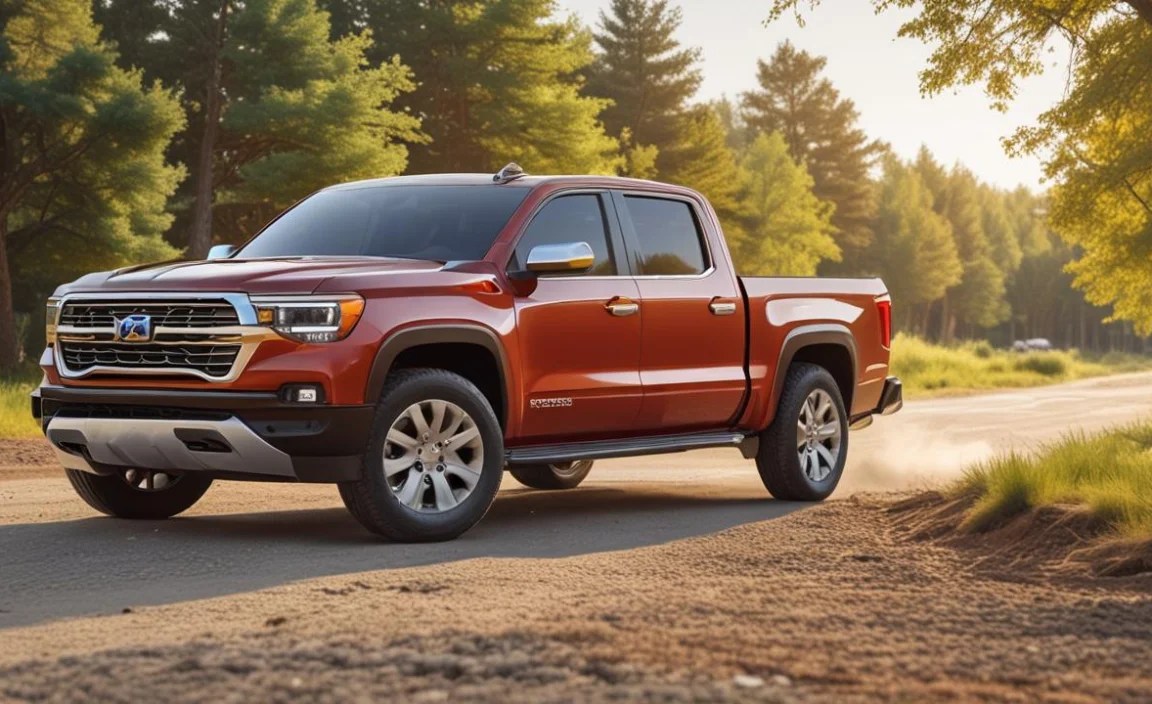
The way a truck drives is a crucial part of the ownership experience for families.
Acceleration and Power Delivery
Traditional Trucks: Offer a familiar linear power delivery, with engine revs influencing acceleration. High-performance variants can be very quick.
Electric Trucks: Provide instant torque from a standstill, resulting in exhilarating acceleration that often surprises. This can make merging and passing feel effortless.
Handling and Ride Comfort
Traditional Trucks: Handling can be less refined due to their body-on-frame construction, designed for robustness. Ride quality has improved immensely, but can still be more truck-like.
Electric Trucks: Often feature more integrated chassis designs (unibody or similar) and a lower center of gravity due to the battery placement, leading to more car-like, stable, and comfortable handling. The quiet operation contributes to a more serene cabin environment.
Range and Refueling/Recharging
Traditional Trucks:
Range: Typically 300-500 miles on a full tank.
Refueling: Takes about 5-10 minutes at any gas station.
Infrastructure: Ubiquitous and readily available.
Electric Trucks:
Range: Varies by model and battery size, typically 250-400 miles. Towing significantly reduces range.
Recharging:
Level 1 (Standard home outlet): Very slow, adds ~3-5 miles of range per hour. Best for overnight trickle charging.
Level 2 (Home charger or public): Adds ~20-30 miles of range per hour. A full charge overnight is common.
DC Fast Charging (Public): Can add 100-200 miles of range in 15-30 minutes, though not always available in remote areas and can be more expensive than home charging.
Infrastructure: Growing rapidly but can still be less convenient than gas stations, particularly in rural areas for long trips requiring strategic charging stops.
For families planning long road trips, consulting resources like Alternative Fuels Data Center – Charging from the U.S. Department of Energy can help map out charging station locations and plan itineraries.
Environmental Impact and Sustainability

For many families, the environmental footprint of their vehicle is an increasingly important factor.
Emissions
Traditional Trucks: Directly emit greenhouse gases and other pollutants from their tailpipe, contributing to air pollution and climate change.
Electric Trucks: Produce zero tailpipe emissions. The overall environmental impact depends on how the electricity used to charge them is generated. If charged with renewable energy sources (solar, wind, hydro), their lifetime emissions are significantly lower. Even when powered by a mixed grid, they generally have a lower carbon footprint than gasoline vehicles.
Resource Consumption
Traditional Trucks: Rely on fossil fuels, a finite resource with significant environmental costs associated with extraction, refining, and transportation.
Electric Trucks: Rely on electricity, which can be generated renewably. However, the mining of materials for batteries (lithium, cobalt, nickel) has its own environmental and ethical considerations. The industry is working on more sustainable sourcing and battery recycling technologies.
The Pros and Cons for Families
To help you visualize the key differences, here’s a breakdown of the advantages and disadvantages of each type of truck for family use.
Traditional Pickup Trucks
Pros:
- Widely available and mature model lineups with diverse options.
- Familiar refueling process and extensive fueling infrastructure.
- Often a lower initial purchase price.
- Proven track record for durability in various conditions.
- Generally higher maximum towing and payload capacities on top-tier models.
Cons:
- Higher running costs due to fuel and more frequent maintenance.
- Significant tailpipe emissions contribute to air pollution and climate change.
- Noisier operation and more mechanical vibrations in the cabin.
- Less instant torque and often less refined handling compared to EVs.
Electric Pickup Trucks
Pros:
- Zero tailpipe emissions, leading to cleaner air.
- Significantly lower running costs for electricity and maintenance.
- Quieter, smoother, and often more refined driving experience.
- Instant torque provides quick and responsive acceleration.
- Potential eligibility for government incentives and rebates.
- Lower overall carbon footprint, especially when charged with renewable energy.
Cons:
- Higher initial purchase price (though incentives can help).
- Range anxiety, especially for long trips or towing.
- Longer refueling (recharging) times compared to filling a gas tank.
- Charging infrastructure is still developing, particularly in rural areas.
- Long-term battery life and replacement costs are a consideration.
Making the Choice: Which is the Perfect Family Solution?
The “perfect” family choice between a traditional pickup truck and an electric pickup truck is highly personal and depends on a family’s unique circumstances, priorities, and lifestyle.
Consider a Traditional Pickup if:
Your commute is long and charging infrastructure is uncertain: If you regularly drive very long distances without guaranteed charging points along your route, the established gasoline infrastructure offers peace of mind.
You frequently tow very heavy loads over long distances: While EVs are improving, some traditional trucks still offer the absolute highest towing ceilings and better range when towing.
Budget is the primary concern for the initial purchase: Traditional trucks often have a lower entry price point.
You live in an area with unreliable electricity or very high electricity costs: In rare cases, these factors might make EV charging less practical or economical.
You prefer the auditory feedback and robust feel of a combustion engine: Some drivers simply appreciate the traditional truck experience.
Consider an Electric Pickup if:
You can charge at home: This is the most convenient and cost-effective way to own an EV, making daily commutes and errands a breeze.
Your typical daily driving fits within the common EV range: Most daily commutes and errands fall well within the 250-300+ mile range of modern electric pickups.
Lower running costs and reduced environmental impact are priorities: The savings on “fuel” and maintenance, plus the environmental benefits, can be substantial.
You value a quiet, smooth, and modern driving experience: The instant torque and refined ride of EVs are hard to beat.
You want to embrace future automotive technology: Owning an EV means being at the forefront of automotive innovation.
* Government incentives make the purchase more affordable:** Tax credits and rebates can significantly bridge the price gap.
Ultimately, the decision is about balancing capability, cost, convenience, and personal values. Both types of trucks are evolving rapidly, so it’s worth test-driving models from both categories to see which one best fits your family’s needs and preferences.
Frequently Asked Questions (FAQ)
Q1: Can an electric pickup like a Ford F-150 Lightning or Rivian R1T handle family road trips?
Yes, absolutely. Most new electric pickups offer ranges between 250-400 miles. With strategic planning using charging station apps and prioritizing DC fast charging where available, long road trips are entirely feasible. Charging overnight at your destination also ensures you start each day with a full battery.
Q2: How does towing affect the range of an electric pickup truck?
Towing significantly reduces the range of an electric pickup truck, often by 30-50% or more, depending on the load, speed, and terrain. This is similar to how towing impacts gasoline trucks but is more pronounced with EVs due to the high energy demand. Families who tow heavy trailers frequently on long trips will need to plan their charging stops more carefully.
Q3: Are electric pickup trucks safe for families?
Yes, electric pickup trucks are designed to meet or exceed the same safety standards as traditional pickup trucks. They often feature advanced driver-assistance systems (ADAS) and robust battery enclosures designed to protect occupants in the event of a collision. Their lower center of gravity can also contribute to enhanced stability.
Q4: How much does it cost to install a Level 2 home charger for an electric pickup?
The cost of installing a Level 2 home charger can vary widely, typically ranging from $500 to $2,000+ for the charger itself, plus installation costs that depend on your home’s electrical system, the complexity of the installation, and local labor rates. Many utility companies offer rebates or incentives for charger installation.
Q5: What happens to the battery in an electric pickup truck after many years?
Electric vehicle batteries are designed for longevity, often with warranties covering 8 years or 100,000 miles (whichever comes first), guaranteeing a certain percentage of original capacity (usually 70%). While capacity does degrade over time, it often remains sufficient for many years. Battery recycling and repurposing are also becoming more advanced, offering sustainable end-of-life solutions.


