
Pickup Truck Bed Mats Installation: Effortless Guide
Quick Summary:
Installing a pickup truck bed mat is a straightforward process. This guide will walk you through each step, ensuring a secure and protective fit for your truck bed with minimal effort and basic tools. Protect your cargo and truck bed’s finish with confidence.
Installing a pickup truck bed mat is a smart move to safeguard your vehicle’s cargo area. Whether you haul groceries, sports equipment, or tools, a good bed mat prevents scratches, dents, and wear. The good news? It’s a project most owners can tackle themselves. You don’t need a mechanic’s license or a garage full of specialized equipment.
This guide will demystify the process. We’ll break down what you need, how to prepare, and the simple steps for a perfect fit. By the end, you’ll have a professionally installed-looking bed mat that enhances your truck’s utility and preserves its resale value. Let’s get your truck bed ready for anything.
Why Install a Truck Bed Mat?

Before we dive into the ‘how-to,’ let’s quickly touch on the ‘why.’ A pickup truck bed is designed to be durable, but it’s not impervious to damage. Everyday use can take a toll, leading to cosmetic blemishes and even structural compromises over time.
A bed mat acts as a crucial protective layer. It absorbs impacts, prevents items from sliding around, and shields the bed’s surface from sharp objects. This not only keeps your truck looking newer for longer but also makes hauling more secure and less noisy.
Benefits at a Glance:
- Scratch and Dent Prevention: Protects the original finish from tools, cargo, and impact.
- Cargo Security: Reduces shifting and sliding of items during transit.
- Noise Reduction: Cushions the load, minimizing road noise and clatter.
- UV and Chemical Resistance: Many mats are designed to withstand sun exposure and spills.
- Easy Cleaning: Often easier to clean than bare metal or plastic liners.
- Improved Aesthetics: Provides a clean, uniform look to your truck bed.
Choosing the Right Truck Bed Mat

With various options available, selecting the best mat for your needs is the first step. The most common types are made from rubber, vinyl, or a composite material. Each has its advantages.
Types of Truck Bed Mats:
- Rubber Mats: These are often the most durable and offer excellent grip. They are typically heavy and can withstand extreme temperatures.
- Vinyl Mats: Lighter than rubber, vinyl mats are still protective and often more affordable. They can be a good balance of performance and cost.
- Composite/TPO Mats: Made from thermoplastic olefins, these offer a good blend of durability, UV resistance, and flexibility. They often have a textured surface for enhanced grip.
Consider the material, thickness, and any specific features like raised edges or custom molding for your truck model. A custom-fit mat will generally offer the best protection and appearance.
Tools and Materials You’ll Need

One of the best parts of installing a truck bed mat is that it requires minimal tools. For most installations, you’ll likely have everything you need in your home toolbox.
Essential Tools:
- Measuring Tape: For verifying dimensions if you don’t have a custom-fit mat.
- Utility Knife or Heavy-Duty Scissors: If you need to trim a universal mat.
- Clean Rags or Microfiber Towels: For cleaning the truck bed.
- Mild Soap and Water or an Automotive Cleaner: For thorough cleaning.
- Gloves (Optional): To keep your hands clean.
- Screwdriver (Sometimes): Only if any existing hardware needs to be temporarily removed (rare).
Ensure you have a clean workspace to avoid transferring dirt onto the mat or bed during installation. A sunny day can also be helpful, as some materials are more pliable when warm.
Step-by-Step Installation Guide
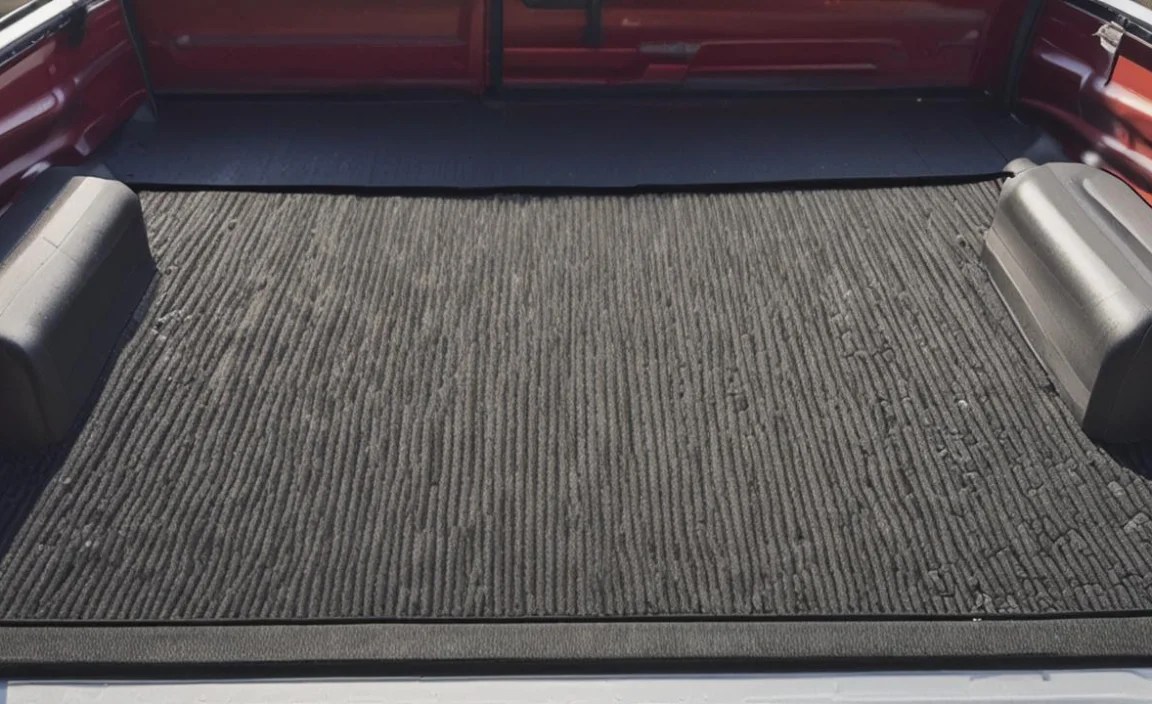
Let’s get to it! Installing your truck bed mat is typically a simple, two-part process: preparation and placement.
Step 1: Prepare Your Truck Bed
This is arguably the most critical step. A clean, dry surface ensures the mat sits flat and prevents dirt from being trapped underneath, which could lead to corrosion or damage over time.
- Empty the Bed: Remove everything from your truck bed.
- Clean Thoroughly: Sweep out any loose debris. Then, wash the bed with mild soap and water or an automotive-specific cleaner. Pay attention to corners and crevices.
- Rinse and Dry: Rinse the bed completely to remove soap residue. Allow it to air dry or dry it thoroughly with clean towels. Ensure it’s completely dry before proceeding.
For optimal results, consider using a degreaser if there are any stubborn grease or oil stains. A truly pristine surface is the foundation for a perfect mat installation.
Step 2: Position the Bed Mat
If you purchased a custom-fit mat for your specific truck model, this step is straightforward. If you have a universal mat, you may need to trim it.
- Unroll the Mat: If your mat has been rolled for shipping, unroll it carefully. It may take some time to lay flat, especially if it’s a thicker rubber mat. Placing it in direct sunlight can help it relax and flatten.
- Align the Mat: Carefully place the mat into your truck bed. For custom-fit mats, it should align perfectly with the contours of your bed, wheel wells, and tailgate.
- Check Fitment: Ensure the mat lies flat and doesn’t buckle or wrinkle. It should cover the entire bed floor.
- Trimming (if necessary): If you have a universal mat that’s slightly too large, use a measuring tape and a sharp utility knife or heavy-duty scissors to trim any excess. Measure twice, cut once! Always test fit before making final cuts. Consult your mat’s manufacturer instructions for specific trimming guidelines.
Step 3: Final Touches and Securing
Most truck bed mats designed for a custom fit will stay in place due to their weight and the shape of the truck bed. However, some manufacturers might recommend or include fasteners, especially for certain designs or materials.
- Check Manufacturer Instructions: Refer to the specific instructions that came with your bed mat. Some may suggest using a small amount of automotive-grade adhesive or specific clips in certain areas for extra security, though this is not typically required for quality mats meant for direct placement.
- Confirm Flatness: Walk around the mat and press down on all edges and corners to ensure it’s fully seated and flat against the bed floor.
- Tailgate Integration: If your mat includes a section for the tailgate, ensure it aligns correctly and doesn’t interfere with the tailgate’s operation.
The goal is a snug, seamless fit that looks like it came straight from the factory. A well-fitted mat won’t shift during normal driving, providing optimal protection.
Alternative Installation Considerations
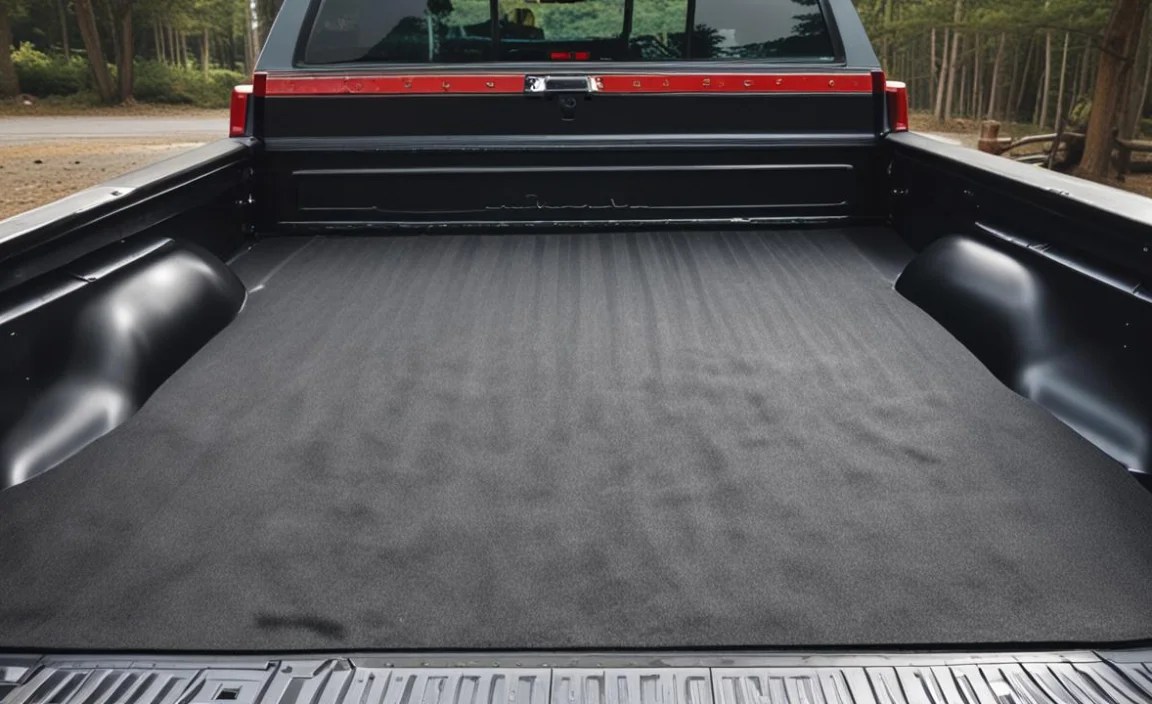
While the direct installation method described above is the most common, some truck owners opt for other bed protection solutions that might complement or even replace a mat.
Spray-In Bed Liners
Spray-in bed liners are professionally applied and fuse directly to the truck bed, offering exceptional durability and a seamless look. They are a permanent solution that provides excellent protection against impacts, scratches, and chemicals. The application process involves significant prep work and specialized equipment, making it a job best left to professionals. While more expensive upfront than a mat, they offer a robust, long-lasting protective layer.
Drop-In Bed Liners
These are pre-formed plastic liners that sit inside the truck bed. They are generally easier to install than spray-in liners and can be removed if needed. Installation usually involves bolting the liner into place, sometimes requiring drilling through the truck bed. This can be a deterrent for some DIY enthusiasts concerned about compromising the bed’s integrity. However, they offer good protection against impacts and abrasion.
Choosing Between Mat, Spray-In, and Drop-In
Here’s a quick comparison to help you decide:
| Feature | Bed Mat | Spray-In Liner | Drop-In Liner |
|---|---|---|---|
| Installation Difficulty | Easy (DIY) | Professional | Moderate (DIY/Pro) |
| Cost | Low to Moderate | High | Moderate |
| Durability | Good | Excellent | Good |
| Removability | Easy | Permanent | Moderate |
| Cargo Grip | Excellent | Good | Moderate |
| Impact Protection | Good | Excellent | Good |
Each option has its place. A bed mat is an excellent, economical choice for those who want substantial protection without a permanent modification or a high expense. It’s also ideal for those who need to occasionally remove their protection.
Maintaining Your New Bed Mat
Once installed, your bed mat will require minimal maintenance to keep it looking its best and performing its protective duties.
- Regular Cleaning: Sweep out loose dirt and debris regularly. Wash the mat with mild soap and water as needed, especially if you spill something on it.
- Deep Cleaning: For tougher stains or grime, use an automotive-specific rubber or vinyl cleaner. Always rinse thoroughly and allow the mat to dry completely.
- Inspect for Wear: Periodically check the mat for any signs of significant wear or damage that might compromise its protective capabilities.
- Sun Exposure: While most mats are UV resistant, prolonged, intense sun exposure can eventually degrade the material. If possible, parking in shade can extend its lifespan.
Proper care will ensure your bed mat lasts for years, continuing to protect your truck bed and keep your cargo secure.
Frequently Asked Questions About Pickup Truck Bed Mats
- What is the easiest type of bed mat to install?
- Generally, a custom-fit rubber or composite mat designed for your specific truck model is the easiest. They require no cutting and often just need to be unrolled and placed into the clean truck bed.
- Do I need to drill holes to install a truck bed mat?
- For most standard rubber, vinyl, or composite mats that lay directly on the bed floor, no drilling is required. This is a significant advantage over some drop-in liners. Always check the manufacturer’s instructions.
- Can I install a bed mat over a spray-in bed liner?
- Yes, you can. Some people prefer to add a bed mat over a spray-in liner for extra cushioning, grip, and noise reduction for specific types of cargo. Ensure both surfaces are clean before placement.
- How do I clean a truck bed mat?
- Start by sweeping out loose debris. Then, use mild soap and water with a brush for most dirt. For tougher stains, automotive rubber or vinyl cleaners can be effective. Rinse thoroughly and let it air dry completely.
- Will a bed mat prevent my cargo from sliding?
- Yes, most bed mats, especially those made of rubber or with textured surfaces, significantly reduce cargo slippage compared to a bare metal or plastic bed. They provide better traction for your items.
- Are there specific bed mats for different truck brands like Ford, Chevy, or Ram?
- Absolutely. Many manufacturers offer mats specifically molded or cut to fit the exact dimensions of popular truck models from brands like Ford (F-150), Chevrolet (Silverado), Ram, Toyota (Tacoma), and others. These offer the best fit and coverage.
- How long does a truck bed mat typically last?
- With proper care and depending on the material quality and usage, a good truck bed mat can last anywhere from 5 to 10 years, sometimes even longer. Regular cleaning and avoiding extreme abuse will maximize its lifespan.
External Resources for Further Information
For those interested in understanding the materials and potential long-term effects on their vehicle, these external resources can be helpful:
- Consumer Product Safety Commission (CPSC) – Rubber Products: While not specific to automotive mats, understanding rubber properties can be insightful. Visit their website at cpsc.gov.
- National Highway Traffic Safety Administration (NHTSA) – Vehicle Safety: For general information on truck bed safety and cargo security best practices. You can explore their resources at nhtsa.gov.
- ASTM International – Material Standards: For insights into the technical standards for materials used in automotive applications, though these are often highly technical. Visit astm.org.
These links provide broader context and authoritative information related to vehicle maintenance and material science, helping to inform your decision-making and understanding.
Conclusion
As you can see, installing a pickup truck bed mat is a rewarding and surprisingly simple DIY project. By taking the time to clean your truck bed thoroughly and carefully position the mat, you ensure a snug fit that provides excellent protection for years to come. Whether you’re hauling equipment for work, gear for adventures, or just your weekly groceries, a bed mat is a practical investment that preserves your truck’s appearance and functionality.
You’ve learned the benefits, explored the different types, gathered your tools, and followed a clear, step-by-step process. You’re now equipped to handle this yourself, saving money and gaining the satisfaction of improving your truck. Enjoy the peace of mind that comes with a protected and more versatile truck bed!


