
Mercedes Actros Reliability: Ultimate Proven Performance
Mercedes Actros Reliability: Ultimate Proven Performance
The Mercedes Actros is renowned for its exceptional reliability, consistently delivering proven performance through robust engineering, advanced technology, and rigorous testing. This makes it a top choice for commercial transport, offering peace of mind and operational efficiency.
For anyone managing a fleet or relying on heavy-duty transport, the question of reliability is paramount. A truck that consistently breaks down or requires frequent repairs doesn’t just cost money; it disrupts schedules, damages your reputation, and creates undue stress. When you think of dependable commercial vehicles, the Mercedes-Benz Actros often comes to mind. But what truly makes it so reliable? How does Mercedes-Benz achieve such a high standard of consistent performance, especially under demanding conditions? This article demystifies the engineering and philosophy behind the Mercedes Actros’s legendary dependability, guiding you through the key factors that contribute to its ultimate proven performance.
We’ll explore the technology, design principles, and maintenance strategies that solidify the Actros as a benchmark for reliability in the trucking industry. You’ll learn what to look for and why this model stands out, ensuring you can make informed decisions whether you’re a fleet manager, owner-operator, or simply an enthusiast.
Frequently Asked Questions about Mercedes Actros Reliability
What makes the Mercedes Actros so reliable?
The Mercedes Actros achieves its high reliability through a combination of rigorous engineering, advanced materials, cutting-edge technology, and extensive real-world testing. Its robust chassis, powerful yet efficient engines, and sophisticated electronic systems are designed for longevity and minimal breakdowns, even under heavy operational loads.
How long can a Mercedes Actros last?
With proper maintenance and care, a Mercedes Actros can easily last for over a million kilometers (approximately 621,000 miles) and beyond. These trucks are built for endurance and heavy-duty use, designed to be workhorses for many years.
Is the Mercedes Actros expensive to maintain?
While the initial investment in a Mercedes-Benz truck is significant, the long-term maintenance costs are often competitive, especially when considering its reliability and fuel efficiency. Mercedes-Benz offers comprehensive service plans and genuine parts that help maintain performance and reduce unexpected repair bills.
What are common issues with the Mercedes Actros?
Like any complex vehicle, the Actros can experience issues, though they are generally infrequent. Some reports mention potential electronic glitches or issues with specific components under extreme conditions. However, Mercedes-Benz’s proactive engineering and diagnostic systems aim to mitigate these. Regular maintenance is key to preventing many common wear-and-tear problems.
Does Mercedes-Benz offer good support for the Actros?
Yes, Mercedes-Benz boasts an extensive global dealer and service network. They provide comprehensive after-sales support, including genuine parts, specialized technicians, and diagnostic tools, ensuring Actros owners receive timely and expert assistance.
How does the Actros perform in different weather conditions?
The Mercedes Actros is engineered to perform reliably in a wide range of environmental conditions. Its advanced climate control, robust electrical systems, and durable construction ensure consistent operation, whether in extreme heat, cold, or adverse weather.
What is the resale value of a Mercedes Actros?
Mercedes-Benz vehicles, including the Actros, generally hold their value well due to their reputation for quality, durability, and performance. A well-maintained Actros will typically command a strong resale price in the used commercial vehicle market.
Understanding the Pillars of Mercedes Actros Reliability
The Mercedes-Benz Actros isn’t just a truck; it’s a testament to German engineering where durability and performance are prioritized. Its reputation for reliability isn’t accidental. It’s the result of meticulous design, advanced manufacturing processes, and a deep understanding of the demanding world of commercial transport. For fleet operators and owner-drivers alike, this translates into less downtime, lower operating costs, and greater peace of mind.
In this section, we’ll delve into the core components and philosophies that make the Actros a benchmark for reliability. We’ll break down the engineering prowess that ensures this vehicle can handle everything you throw at it, day in and day out.
Engineering Excellence: The Foundation of Durability

At the heart of the Mercedes Actros’s reliability lies its superior engineering. Mercedes-Benz invests heavily in research and development, ensuring that every component is designed for maximum lifespan and performance under stress.
Robust Chassis and Frame
The foundation of any heavy-duty vehicle is its chassis. The Actros features a high-strength, precisely engineered frame designed to withstand immense torsional and bending stresses. This isn’t just about carrying heavy loads; it’s about maintaining structural integrity over hundreds of thousands of kilometers, on all types of terrain.
- High-Tensile Steel: Mercedes-Benz uses advanced high-tensile steel for its frame components, offering an optimal balance of strength and weight.
- Modular Design: The chassis design is often modular, allowing for flexibility in configurations while maintaining structural rigidity.
- Corrosion Protection: Extensive anti-corrosion treatments, often including advanced coatings and galvanization, protect the chassis from environmental damage, a crucial factor for long-term durability.
Powertrain Durability
The engine and transmission are the workhorses of any truck. The Actros is equipped with engines and transmissions meticulously designed for endurance:
Engines
Mercedes-Benz’s engines, particularly the range used in the Actros, are renowned for their robustness. They are designed for longevity, fuel efficiency, and powerful torque delivery, all while adhering to strict emission standards.
- Advanced Cooling Systems: Efficient cooling prevents overheating, a common cause of engine wear and failure.
- High-Quality Materials: Internal engine components are made from wear-resistant alloys.
- Optimized Combustion: Precisely controlled fuel injection and combustion processes reduce strain on engine parts and minimize soot buildup.
Transmissions
The Actros often utilizes automated manual transmissions (AMTs) like the Mercedes-Benz PowerShift 3. These systems offer smooth gear changes, reducing driveline shock and wear on components compared to traditional manual transmissions. They are programmed to select gears optimally for load and road conditions, further enhancing efficiency and component life.
For more information on the engineering behind Mercedes-Benz engines, you can often find detailed technical specifications and white papers on official Mercedes-Benz commercial vehicle sites or reputable automotive engineering publications.
Suspension and Axles
A reliable suspension system is critical for protecting the truck’s components from road impacts and ensuring a stable ride. The Actros employs advanced suspension technologies, including air suspension systems that provide a comfortable ride and excellent load distribution.
- Air Suspension Systems: These adapt to load and road conditions, reducing stress on the chassis, tires, and cargo.
- Heavy-Duty Axles: The axles are engineered to handle extreme loads and operating pressures, featuring durable bearings and robust construction.
- Low Maintenance Components: Many suspension and axle components are designed for extended service intervals and require minimal maintenance.
Technology and Innovation: Smarter, Safer, and More Reliable

Mercedes-Benz doesn’t shy away from incorporating cutting-edge technology into its vehicles, and the Actros is a prime example. Innovations in electronics, driver assistance, and predictive maintenance significantly contribute to its overall reliability.
Advanced Electronic Systems
Modern trucks are complex networks of electronic control units (ECUs) that manage everything from engine performance to safety features. The Actros features highly integrated and robust electronic systems designed for reliability.
- CAN Bus Communication: A reliable network ensures seamless communication between various ECUs, reducing the chance of communication errors.
- Diagnostic Capabilities: Sophisticated onboard diagnostics can detect issues early and provide detailed PIDs on potential problems, enabling proactive maintenance.
- Redundancy: Critical systems often incorporate redundant components or fail-safes to maintain operation even if a single component fails.
Driver Assistance Systems
While primarily focused on safety, many driver assistance systems also contribute to reliability by reducing stress on the vehicle and preventing accidents:
- Active Brake Assist (ABA): Can automatically apply brakes to prevent or mitigate collisions, reducing the risk of crash damage.
- Lane Keeping Assist: Helps prevent unintended lane departures, minimizing the risk of minor scrapes or more serious accidents.
- Stability Control Assist: Reduces the risk of rollovers and jackknifing, protecting the vehicle and cargo.
These systems not only enhance safety but also indirectly contribute to the vehicle’s longevity by minimizing the chances of minor impacts that can lead to further issues down the line.
Predictive Maintenance Solutions
Mercedes-Benz is at the forefront of using data to improve vehicle uptime. Solutions like Fleetboard offer telematics that monitor vehicle health in real-time.
- Real-time Monitoring: Data on engine performance, fluid levels, brake wear, and other critical parameters are constantly collected.
- Proactive Alerts: The system can alert fleet managers and drivers to potential issues before they become critical failures, allowing for scheduled maintenance rather than emergency repairs.
- Optimized Service Scheduling: Based on actual usage and wear, service intervals can be optimized, ensuring maintenance is performed when needed, not just based on mileage.
To learn more about the importance of telematics in commercial vehicle maintenance, the U.S. Department of Transportation’s Federal Motor Carrier Safety Administration (FMCSA) provides extensive resources on safety and operational efficiency, which often touch upon the benefits of advanced monitoring systems.
Rigorous Testing and Quality Control
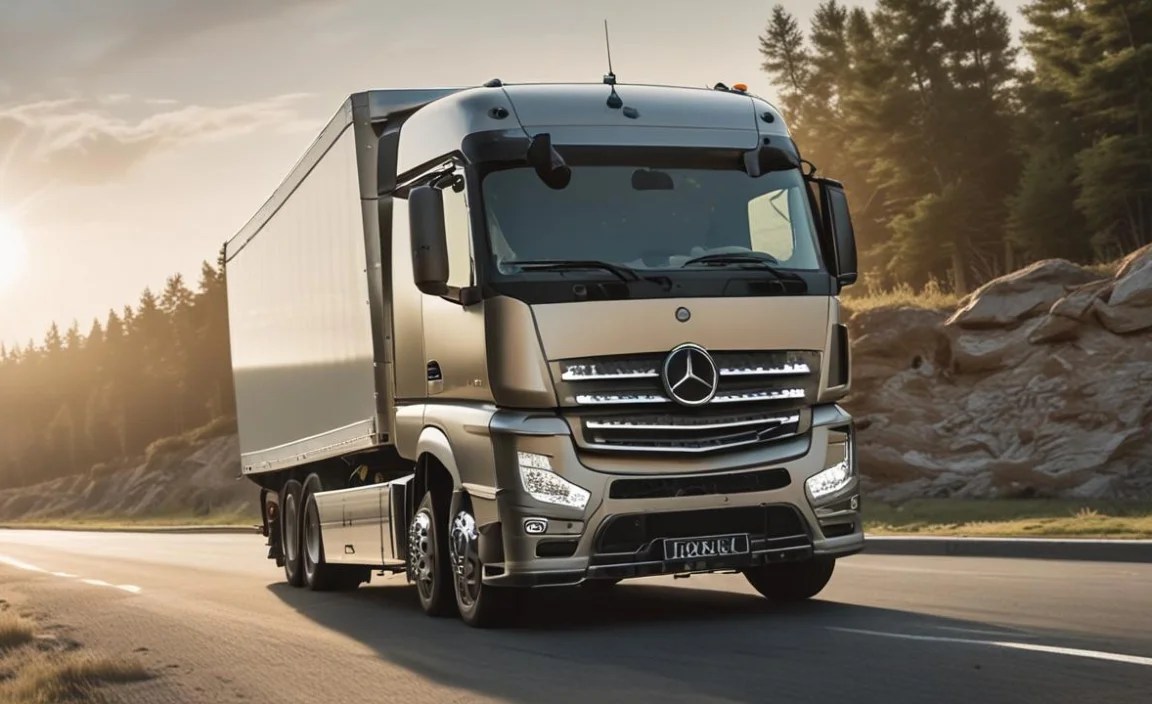
Before an Actros hits the road, it undergoes some of the most stringent testing procedures in the automotive industry. This exhaustive process is crucial for ensuring real-world performance and reliability.
Simulation and Virtual Testing
Mercedes-Benz utilizes advanced simulation software to model various stress scenarios. This allows engineers to test components and systems under extreme conditions virtually, identifying weaknesses early in the design phase.
- Stress Analysis: Simulations predict how components will react to extreme loads, temperatures, and vibrations.
- Durability Modeling: Virtual testing helps estimate the lifespan of parts under different operating cycles.
- System Integration Testing: Complex interactions between different vehicle systems are tested in a simulated environment.
Physical Durability Testing
Prototypes and production vehicles are subjected to relentless physical testing in diverse environments:
- Track Testing: Actros trucks are driven on specialized test tracks designed to simulate rough roads, potholes, and challenging surfaces.
- Extreme Climate Testing: Vehicles are tested in extreme heat (e.g., deserts) and extreme cold (e.g., arctic regions) to ensure all systems function reliably under temperature fluctuations.
- Load Testing: Trucks are driven with maximum legal payloads for extended periods to evaluate the performance of the chassis, powertrain, and suspension under constant stress.
- Corrosion and Environmental Testing: Components and complete vehicles are exposed to salt spray, humidity, and other corrosive elements to assess their long-term resistance.
Stringent Manufacturing Standards
The commitment to reliability extends through the manufacturing process. Mercedes-Benz factories adhere to extremely high-quality control standards.
- Precision Assembly: Automated and manual assembly processes ensure components are fitted with absolute precision.
- Quality Checks: Multiple quality checkpoints throughout the production line identify and rectify any deviations from standards.
- End-of-Line Testing: Every vehicle undergoes a final comprehensive inspection and test drive before leaving the factory.
Actros Reliability in Numbers: Proven Performance Data

While specific, publicly available “reliability scores” for commercial trucks can be hard to pin down due to proprietary data and varying metrics, the market speaks volumes. The Mercedes Actros consistently ranks high in fleet operator satisfaction surveys and demonstrates impressive real-world performance.
Fleet Operator Satisfaction
Numerous surveys and industry reports highlight fleet managers’ satisfaction with the Actros. Key factors often cited include:
- Uptime: The percentage of time a vehicle is operational and available for work. High uptime minimizes revenue loss.
- Total Cost of Ownership (TCO): This includes purchase price, fuel, maintenance, repairs, and resale value. The Actros often scores well here due to its efficiency and durability.
- Fuel Efficiency: Modern Actros models are designed for optimal fuel consumption, directly impacting operating costs.
Companies like DHL, a global logistics giant, rely on vast fleets of trucks, including Mercedes-Benz vehicles, showcasing their trust in dependable performance for mission-critical operations. Their large-scale deployment is a strong indicator of the Actros’s proven reliability.
Longevity and Resale Value
The robust construction and consistent performance of the Actros translate into impressive longevity. Many Actros trucks operate for well over a million kilometers. This durability also contributes to strong residual values in the used truck market, making it a sound investment.
Performance Data Overview
While exact figures vary by model, generation, and operating conditions, the Mercedes Actros generally delivers:
| Metric | Typical Performance/Attribute | Impact on Reliability |
|---|---|---|
| Engine Lifespan | 800,000 – 1,500,000+ km | Reduced need for major engine overhauls or replacements. |
| Transmission Durability | Designed for engine lifespan with proper maintenance. | Smooth operation minimizes driveline wear. |
| Chassis Integrity | Maintains structural strength over many years and miles. | Prevents costly frame repairs and ensures safety. |
| Fuel Efficiency | Up to 15-20% better than older models (generation dependent). | Lower operational costs, fewer stops for refueling on long hauls. |
| Downtime Rates | Generally lower than average for its class. | Maximizes operational efficiency and profitability. |
Maintaining Your Actros for Maximum Reliability
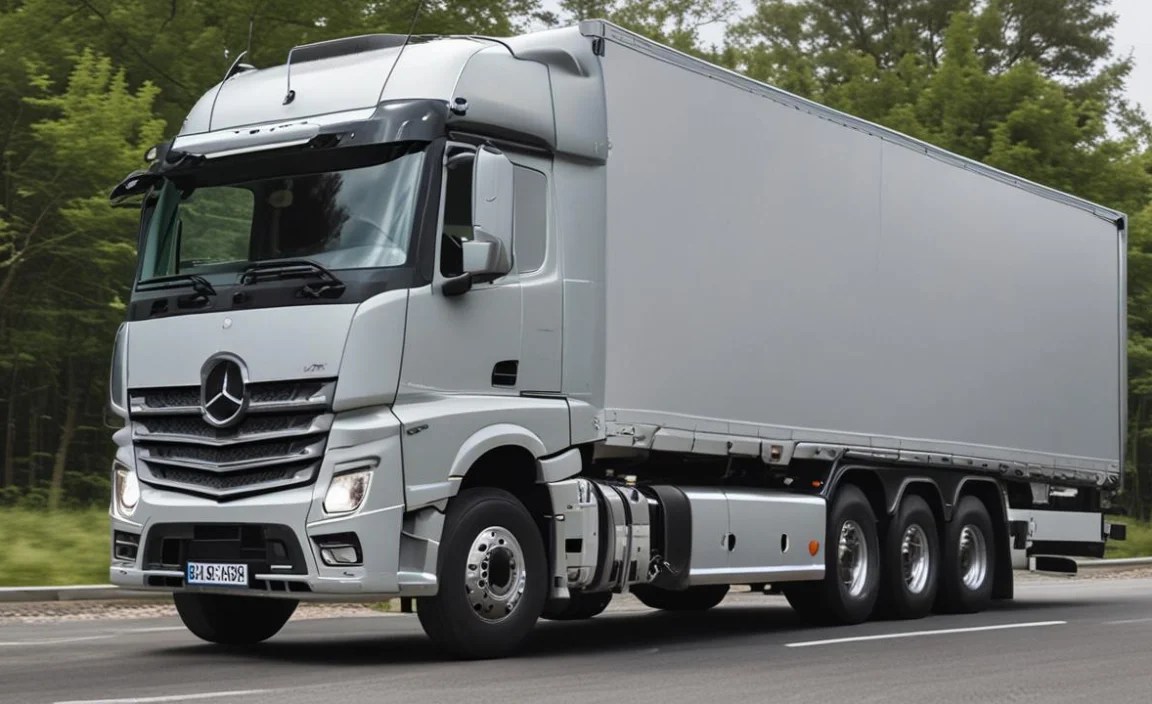
Even the most reliable vehicle requires proper care to maintain its peak performance. Adhering to Mercedes-Benz’s recommended maintenance schedule is crucial for extending the life and ensuring the dependable operation of your Actros.
Adhering to Service Schedules
Mercedes-Benz provides detailed maintenance schedules based on mileage, time, or operating conditions. These schedules are designed to catch potential issues early and perform necessary replacements or adjustments.
- Regular Inspections: Routine checks of fluids, filters, brakes, tires, and lights are essential.
- Scheduled Maintenance: Follow the manufacturer’s recommendations for oil changes, filter replacements, and component inspections.
- Using Genuine Parts: Always opt for genuine Mercedes-Benz parts. They are engineered to exact specifications and ensure the integrity of the entire system.
For detailed maintenance requirements specific to your Actros model, consult your owner’s manual or speak with an authorized Mercedes-Benz service center.
Using Diagnostic Tools
As mentioned, the Actros is equipped with advanced diagnostics. Technicians use specialized Mercedes-Benz diagnostic tools (like STAR Diagnosis) to:
- Read Fault Codes: Identify system errors.
- Monitor Live Data: Observe component performance in real-time.
- Perform System Tests: Verify the functionality of various ECUs and actuators.
This technology allows for precise troubleshooting and prevents guesswork, leading to quicker and more accurate repairs.
Driver Training and Awareness
A well-trained driver can significantly contribute to a truck’s


