
Mercedes E 200 Specs: Ultimate Performance
The Mercedes E 200 offers a compelling blend of elegant performance and sophisticated technology. Its refined powertrain delivers brisk acceleration and impressive fuel efficiency, making it a top choice for discerning drivers seeking both luxury and everyday usability. Experience its dynamic capabilities and premium comfort firsthand.
Welcome to the world of Mercedes-Benz, where engineering meets artistry. The E 200 model often sits at a sweet spot for many drivers – offering that unmistakable Mercedes-Benz luxury and a satisfying driving experience without venturing into the highest performance tiers reserved for AMG models. But what exactly does “performance” mean for an E 200? Many enthusiasts and potential buyers wonder if this elegant sedan can deliver the dynamic response and power they expect from a star badge.
It’s a common question, especially when comparing it to other E-Class variants or even other brands. You want to know if the specs translate to real-world driving pleasure. You might be curious about horsepower, torque, acceleration times, and how it all comes together on the road. You might even be wondering about its efficiency and what kind of technology underpins its performance.
This guidE is here to demystify the Mercedes E 200 specs, focusing on what truly matters for performance. We’ll break down the engine, transmission, chassis, and technology that combine to create its unique driving character. Get ready to understand the heart and soul of the E 200, and discover why its performance is greater than the sum of its parts.
Mercedes E 200 Specs: Unpacking the Performance

The Mercedes E 200 might not carry the aggressive badge of an AMG, but it’s engineered to deliver a refined and capable performance that perfectly suits its executive E-Class stature. It’s about smooth power delivery, responsive handling, and an overall sense of effortless motoring. Let’s dive into the core components that make the E 200 perform the way it does.
Engine: The Heartbeat of Performance
At the core of the Mercedes E 200’s performance is its sophisticated engine. Mercedes-Benz employs advanced engineering to extract optimal power and efficiency from its powerplants, and the E 200 is no exception. While engine specifics can vary slightly by model year and market, the general philosophy remains consistent: a potent yet efficient turbocharged four-cylinder.
Historically, the E 200 has often featured a 2.0-liter inline-four-cylinder engine. This engine benefits from cutting-edge technologies like turbocharging and direct fuel injection. Turbocharging forces more air into the combustion chamber, allowing for greater power output from a smaller displacement, which also contributes to better fuel economy. Direct injection precisely meters fuel into the cylinders for improved combustion efficiency.
Look for figures typically around the 180-200 horsepower mark and a torque output that provides ample pulling power for everyday driving and overtaking. Mercedes-Benz often tunes these engines for a broad torque band, meaning you’ll have strong acceleration available across a wide range of engine speeds, not just at the very top end.
Transmission: Seamless Power Delivery
The engine’s power needs to be channeled effectively to the wheels, and this is where the transmission plays a crucial role. The Mercedes E 200 typically comes equipped with an automatic transmission, most commonly the 9G-TRONIC. This nine-speed automatic is a masterpiece of engineering, designed for buttery-smooth gear changes and optimal efficiency.
With nine gears, the transmission can keep the engine operating in its most efficient range more often. This not only helps save fuel but also contributes to a more refined and quieter driving experience. During spirited driving, the 9G-TRONIC is also programmed to shift quickly and decisively, ensuring you have the power when you need it for overtaking or merging.
The intelligence of the transmission also adapts to your driving style. If you’re driving smoothly and calmly, it will hold gears longer and shift imperceptibly. If you adopt a more dynamic driving approach, it will respond with quicker downshifts and hold gears longer to maximize acceleration.
Drivetrain: Rear-Wheel Drive vs. All-Wheel Drive
The E 200 is typically offered in a rear-wheel-drive (RWD) configuration, which is a hallmark of traditional Mercedes-Benz driving dynamics. RWD often provides a more engaging and balanced driving feel, allowing for sharper handling and a more direct connection to the road. It’s a setup favored by driving purists.
However, for those in regions with adverse weather conditions or who simply prefer the added security, an all-wheel-drive (AWD) option, often branded as 4MATIC, is usually available. Mercedes-Benz’s 4MATIC system is sophisticated, intelligently distributing power between the front and rear axles as needed to maintain traction and stability in slippery conditions. Even with AWD, the E 200 maintains a strong emphasis on luxurious comfort and composed performance.
Chassis and Suspension: The Foundation of Comfort and Control
The performance of any car is not just about the engine; it’s critically dependent on its chassis and suspension. The E-Class is renowned for its sophisticated suspension systems, which provide an exceptional balance between a comfortable ride and dynamic handling. The E 200 benefits from this extensive engineering heritage.
Standard suspension setups often feature multi-link suspension at both the front and rear. This design allows for precise control over wheel movement, ensuring optimal tire contact with the road over various surfaces. This translates to a stable and composed ride, absorbing bumps and imperfections with ease, making long journeys feel effortless.
Depending on the specific model year and optional packages, the E 200 might also offer advanced suspension technologies. Features like Dynamic Select allow the driver to choose different driving modes (e.g., Comfort, Sport, Sport+), which alter the throttle response, transmission shift points, and even the suspension’s damping characteristics. This adaptability mEans the E 200 can feel like a serene luxury cruiser one moment and a more responsive, engaging sports sedan the next.
Braking System: Ensuring Confidence
Performance isn’t just about going fast; it’s also about stopping confidently. The E 200 is equipped with a braking system designed to match its capabilities. Typically, this includes ventilated disc brakes at the front and solid discs at the rear. These are managed by an advanced Anti-lock Braking System (ABS) and Electronic Stability Program (ESP) to provide maximum control and stability during hard braking maneuvers.
The systems work in conjunction with other electronic aids to ensure that the car remains controllable even when braking in challenging situations, such as on slippery surfaces or during emergency stops.
Mercedes E 200 Key Performance Specifications (Typical)

To provide a clearer picture, here’s a typical breakdown of the Mercedes E 200’s specifications. Keep in mind that these can vary by generation and specific market requirements. For the most accurate details for a particular vehicle, always refer to the official specifications for that model year.
| Specification | Typical Value |
|---|---|
| Engine Type | 2.0L Turbocharged Inline-4 Cylinder (M264 or similar) |
| Displacement | 1991 cc |
| Horsepower | ~184-197 hp (@ 5500-6100 rpm) |
| Torque | ~221-229 lb-ft (@ 1300-4000 rpm) |
| Transmission | 9-Speed Automatic (9G-TRONIC) |
| Drivetrain | Rear-Wheel Drive (RWD) or All-Wheel Drive (4MATIC) |
| 0-60 mph Acceleration | ~7.0 – 7.5 seconds (approx.) |
| Top Speed | ~149 mph (electronically limited) |
| Fuel Economy (Combined, US MPG) | ~25-29 MPG (estimates vary by model year, RWD vs AWD) |
| CO2 Emissions (g/km) | ~150-170 g/km (estimates vary by model year) |
These numbers paint a picture of a car that is more than capable for daily driving and comfortable highway cruising. The acceleration is brisk enough to feel dynamic, while the fuel economy remains competitive for its class. This balance is precisely what many E 200 buyers are looking for – sophisticated power management that prioritizes refinement and efficiency.
Understanding Horsepower and Torque
In simple terms, horsepower is a measure of how much work an engine can do, and it’s often related to a car’s top speed and ability to accelerate at higher speeds. Torque, on the other hand, is a measure of rotational force, and it’s what gives a car its “pulling power” from a standstill and during acceleration at lower speeds – crucial for everyday driving and comfortable overtaking.
The E 200’s figures, especially its torque delivery from low RPMs, mean that you won’t have to rev the engine excessively to get moving or to pass another vehicle. This makes for a more relaxed and less demanding driving experience. For more in-depth information on engine performance metrics, you can refer to resources from automotive engineering societies like the SAE International.
Performance Technologies Enhancing the E 200 Experience
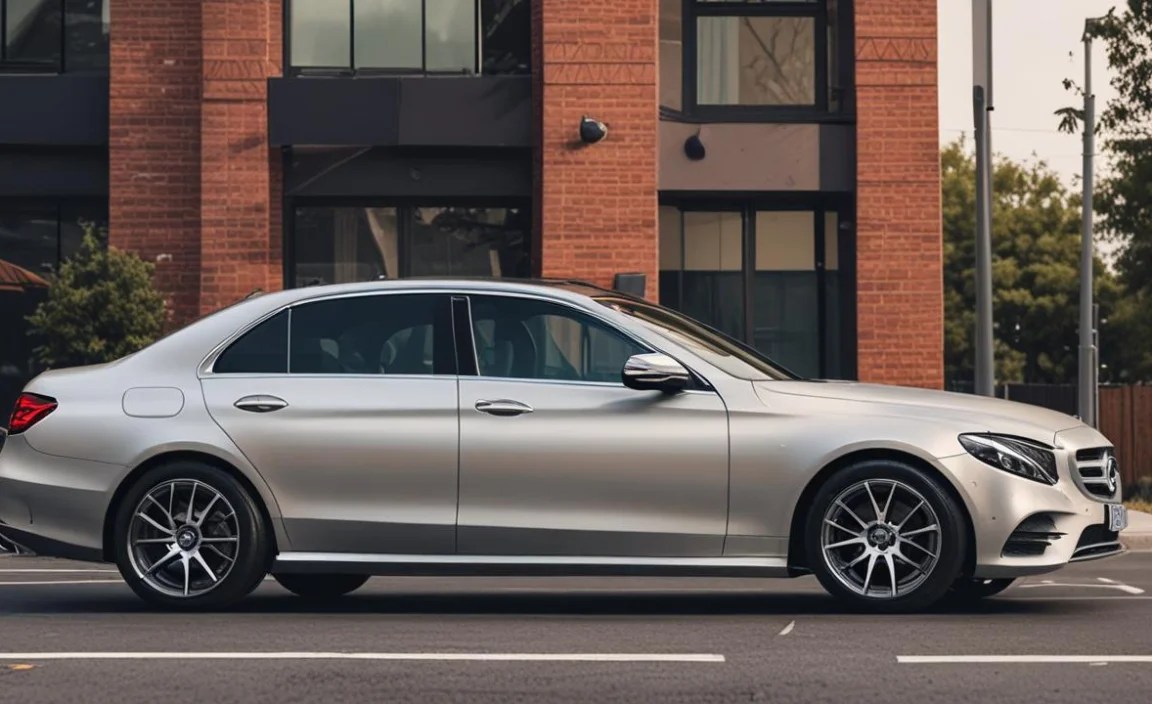
BEyond the core engine and drivetrain, Mercedes-Benz integrates a host of technologies to enhance the E 200’s performance, safety, and overall driving experience. These systems work seamlessly in the background, making driving not only more dynamic but also more intuitive and safer.
DYNAMIC SELECT
As mentioned earlier, DYNAMIC SELECT is a key feature that allows the driver to tailor the car’s character. It typically offers several modes:
- ECO: Prioritizes maximum fuel efficiency by adjusting throttle response, transmission shift points, and climate control settings.
- COMFORT: Provides a balanced ride and performance, focusing on smooth acceleration and a plush suspension feel. This is the default mode for most driving.
- SPORT: Tightens up the throttle response, holds gears longer, and stiffens the suspension for a more engaging and dynamic driving experience.
- SPORT+: (If equipped) Offers an even more aggressive tune, with the sharpest throttle response, quickest shifts, and firmest suspension settings for a track-inspired feel.
- INDIVIDUAL: Allows the driver to customize settings for each parameter to their personal preference.
Agile Drivetrain and Chassis Control
Mercedes-Benz vehicles are known for their sophisticated chassis engineering. The E 200 utilizes advanced suspension designs and electronic aids that contribute to its composed handling. Features like:
- Electronic Stability Program (ESP): This system monitors steering and braking inputs and can intervene by applying individual brakes or reducing engine power to help the driver maintain control during challenging maneuvers.
- Agility Control Suspension: For models not equipped with adaptive damping, this system automatically adjusts damping forces based on road conditions, offering a balance between comfort and stability.
Mercedes-Benz User Experience (MBUX) & Infotainment
While not directly a “performance” component in the traditional sense, the MBUX system, along with other infotainment and driver assistance features, contributes to the overall driving experience. Advanced navigation systems can guide you efficiently, while features like Apple CarPlay and Android Auto keep you connected. More importantly, driver assistance systems like adaptive cruise control can significantly reduce driver fatigue on long journeys, allowing you to arrive more refreshed and focused.
Real-World Performance: What the Specs Mean for You

So, how do these specifications translate to your daily drives and weekend getaways? The Mercedes E 200 is designed to excel in providing a refined, comfortable, and competent experience. It’s not an AMG E63 with eye-watering acceleration figures, but rather a sophisticated executive sedan that delivers its power with grace and efficiency.
- Daily Commuting: The strong low-end torque means that pulling away from traffic lights or merging into city traffic is effortless and smooth. The 9G-TRONIC transmission shifts so imperceptibly in COMFORT mode that you might not even notice it changing gears, contributing to a serene cabin environment.
- Highway Cruising: On the open road, the E 200 is in its element. The engine cruises comfortably at low RPMs, aided by the tall ninth gear, leading to excellent fuel economy and minimal road noise. When you need to overtake a slower vehicle, a gentle press of the accelerator is usually enough for the transmission to downshift swiftly, providing ample power for a clean pass.
- Spirited Driving: If you select SPORT mode, the E 200 transforms slightly. The engine becomes more responsive, the transmission holds gears longer, and the steering feels a bit more precise. While it won’t feel like a sports car, it offers a very capable and enjoyable experience on winding country roads, demonstrating a good balance between comfort and agility.
- All-Weather Capability: With the 4MATIC all-wheel-drive system, the E 200 provides an extra layer of confidence and security when driving in rain, snow, or other challenging conditions, ensuring sure-footedness.
Comparing the E 200 to Other E-Class Models

Understanding the E 200’s performance is also about context. How does it stack up against other E-Class offerings?
- E 300/E 350: These models typically feature a more powerful version of the 2.0-liter turbo-four or a more potent 3.0-liter V6/inline-six engine. They offer quicker acceleration and more effortless passing power, but often at the expense of some fuel efficiency and a slightly higher price point. The E 200 serves as an excellent entry point into the E-Class range without feeling underpowered.
- AMG E 53/E 63: These are performance powerhouses. Equipped with larger, more powerful engines (often hand-built AMG engines) and performance-tuned chassis, they offer significantly higher horsepower and torque figures, much faster acceleration times, and a more aggressive driving dynamic. They represent the pinnacle of E-Class performance but come with a considerably higher cost and a less comfortable ride for daily use. The E 200 is a sophisticated performer, while AMG models are outright sports sedans with luxury appointments.
The E 200 is perfectly positioned for drivers who prioritize luxury, comfort, and intelligent technology, with enough performance for all everyday driving scenarios. It offers a taste of Mercedes-Benz performance without the extreme demands or costs associated with the highest-performance variants.
Frequently Asked Questions about Mercedes E 200 Specs
HEre are some common questions beginners might have about the Mercedes E 200’s performance.
What is the typical horsepower of a Mercedes E 200?
The typical horsepower for a Mercedes E 200 ranges from approximately 184 hp to 197 hp, depending on the model year and specific engine tune. This provides a good balance of performance and efficiency for an executive sedan.
Is the Mercedes E 200 fast?
The Mercedes E 200 is brisk and capable, with 0-60 mph times typically around 7 to 7.5 seconds. While not a sports car, it offers plenty of acceleration for everyday driving, overtaking, and highway merging, delivering a satisfying sense of responsiveness.
What kind of transmission does the Mercedes E 200 use?
Most modern Mercedes E 200 models are equipped with the advanced 9G-TRONIC nine-speed automatic transmission. This transmission is praised for its smooth shifting, quick response, and contribution to fuel efficiency.
Is the Mercedes E 200 fuel-efficient?
Yes, the E 200 generally offers competitive fuel economy for its class, typically achieving around 7.5-8.5 L/100km combined (or roughly 25-29 MPG in US measurements), thanks to its efficient turbocharged four-cylinder engine and nine-speed transmission. Fuel economy can vary based on driving style, conditions, and whether it’s rear-wheel drive or all-wheel drive.
Does the Mercedes E 200 come with all-wheel drive?
The Mercedes E 200 is commonly available in both rear-wheel drive (RWD) and all-wheel drive (AWD) configurations. The AWD system, known as 4MATIC, provides enhanced traction and stability, particularly in adverse weather conditions.
How does the E 200 compare to the E 300 in terms of performance?
The E 300 usually offers more horsepower and torque than the E 200, leading to quicker acceleration and a more potent feel. While the E 200 is perfectly adequate for most drivers, the E 300 provides a noticeable step up in performance for those who desire it. The E 200 focuses more on efficiency and entry-luxury balance.


