
Mercedes Classic Models: Your Essential Dream
Quick Summary:
Explore iconic Mercedes classic models, from timeless sedans to legendary sports cars. This guide helps beginners identify, appreciate, and even find their dream vintage Mercedes, focusing on models known for enduring style, engineering, and investment potential.
Your Dream Mercedes Classic: A Beginner’s Essential Guide

So, you’re dreaming of owning a piece of automotive history, a Mercedes-Benz classic? It’s a fantastic aspiration! These cars aren’t just vehicles; they’re rolling sculptures, engineering marvels, and enduring symbols of luxury and innovation. Perhaps you’ve seen a sleek S-Class from the 80s gliding down the street, or maybe the sporty lines of a classic SL have always captured your imagination. Whatever sparked your interest, navigating the world of Mercedes classic models can feel a bit overwhelming at first. But don’t worry! Think of this as your friendly roadmap to understanding these timeless machines. We’ll break down what makes certain Mercedes classics so special, how to identify your perfect match, and what to look for. Get ready to fall in love with the legends!
Why Mercedes-Benz Classics Endure
Mercedes-Benz has a legacy built on quality, innovation, and a commitment to engineering excellence that spans decades. This dedication is prominently displayed in their classic models. Unlike many cars that fade into obscurity, certain Mercedes-Benz classics have cemented their place in automotive folklore. They represent significant milestones in automotive design and technology, often introducing features that would become industry standards. Their robust build quality means many have survived the test of time remarkably well, making them desirable not only for their historical significance but also for their potential as enjoyable, drivable classics.
Identifying Your Perfect Classic Mercedes
Choosing a Mercedes classic is a deeply personal journey. Are you drawn to the stately elegance of a sedan? The thrilling adventure of a roadster? Or the raw power of a performance coupe? To help you pinpoint your dream car, let’s look at some of the most sought-after Mercedes classic models, categorized by their appeal.
The Timeless Sedans: Comfort and Class
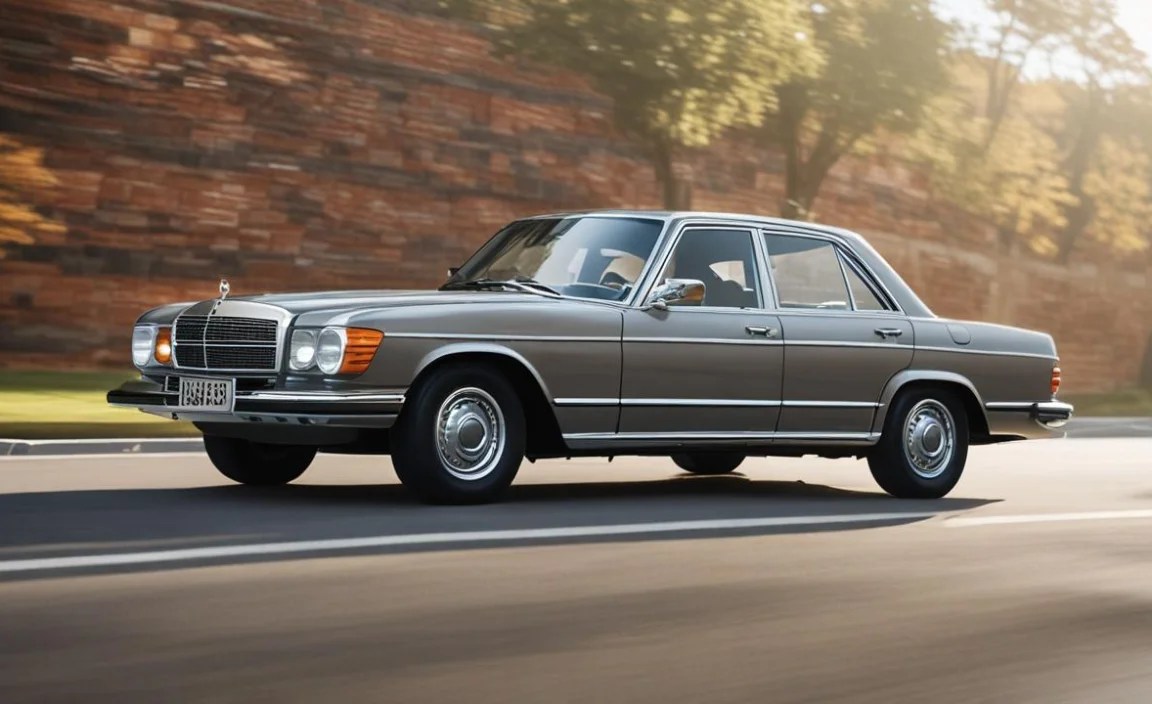
Mercedes-Benz sedans have long been synonymous with effortless luxury and supreme comfort. Owning one of these classics means experiencing refined motoring that still captivates today.
1. The W114/W115 (Stroke-8) Series (1968-1976)
Often called the “Stroke-8,” this generation marked a significant shift for Mercedes-Benz, introducing a more modern, clean design. They were available as sedans and coupes and are known for their solid construction and reliability, making them excellent entry points into classic Mercedes ownership.
- Popular models include the 230, 240D, and 280.
- Known for their distinctive single headlights.
- A great balance of classic style and modern drivability.
2. The W123 Series (1976-1985)
The W123 is perhaps one of the most robust and legendary Mercedes-Benz models ever produced. Built like tanks, these cars are famous for their durability and are often seen as the ultimate reliable classic. They were offered in sedan, coupe, and famously, the versatile wagon (T-model) versions.
- Iconic for its over-engineered build quality.
- Available with a range of petrol and diesel engines, including the legendary OM617 diesel.
- Wagons are particularly popular for their practicality.
3. The W126 S-Class (1979-1991)
The W126 S-Class redefined the luxury flagship sedan. It introduced groundbreaking safety features and an aerodynamic design that still looks elegant today. For those seeking supreme comfort, advanced (for its time) technology, and a stately presence, the W126 is a superb choice.
- Considered one of the best automotive designs of its era.
- Packed with innovations like the airbag (optional) and ABS.
- Models like the 560 SEL offer incredible power and luxury.
The Spirited Coupes and Convertibles: Style and Performance
For those who crave open-top motoring or the sporty allure of a coupe, Mercedes-Benz has delivered timeless designs that continue to turn heads.
1. The R107 SL and SLC (1971-1989)
The R107 SL (roadster) and its coupe sibling, the SLC, are iconic. The SL is especially beloved for its convertible appeal, robust build, and quintessential 1970s and 80s cool. It’s a comfortable cruiser that can also handle spirited drives.
- Engine options ranged from the 6-cylinder (350SL, 380SL) to the powerful V8s (450SL, 560SL).
- Known for its solid construction and excellent safety features.
- A true classic that remains highly desirable.
2. The W124 Coupe and Cabriolet (1987-1995)
Building on the W123’s reputation for quality, the W124 platform also spawned incredibly elegant coupe and convertible variants. These cars offer a more modern aesthetic than some earlier classics but possess that same inherent Mercedes build quality and sophisticated engineering.
- Sleeker styling than their sedan counterparts.
- Often powered by refined 6-cylinder engines.
- The epitome of understated European elegance.
3. The W113 “Pagoda” SL (1963-1971)
A truly legendary car, the W113 SL earned its “Pagoda” nickname from its distinctive, slightly concave hardtop. Designed by Paul Bracq, it strikes a perfect balance between sports car performance and grand touring comfort. These are highly sought-after and represent a peak of Mercedes-Benz design from the era.
- Available as 230SL, 250SL, and 280SL.
- Known for its elegant lines and remarkable safety for its time.
- A beautiful and rewarding classic to own and drive.
The Performance Pioneers: AMG and Beyond
For enthusiasts who crave more than just comfort, there are Mercedes classics that offer exhilarating performance, often bearing the badge of their legendary performance division, AMG.
1. The AMG Hammer (W124 E-Class Based)
While not a “factory” AMG in the modern sense, the AMG Hammer is a legendary, ultra-rare beast based on the W124 chassis. Fitted with a potent V8 engine and AMG’s aggressive styling, it was one of the fastest sedans of its day. Owning a genuine Hammer is extremely rare and costly, but it represents the pinnacle of early AMG tuning.
- A potent V8 engine swapped into a sophisticated E-Class body.
- Widely considered a legend of 1980s automotive tuning.
- Extremely rare and highly collectible.
2. The R129 SL (1989-2002)
While stretching into the early 2000s, the R129 SL is firmly established as a modern classic. It was a technological powerhouse, introducing features like the automatically deploying roll bar. AMG versions, like the SL 60 AMG or SL 73 AMG (with a V12!), are particularly potent.
- Advanced safety features, including the iconic roll bar.
- Available with muscular V8 and even V12 engines in later AMG variants.
- A more modern feel with classic SL proportions.
Essential Considerations for Buying a Classic Mercedes
Purchasing any classic car requires careful due diligence, and Mercedes-Benz classics are no exception. While they are built to last, they still require attention. Here’s what to consider:
1. Research the Specific Model: Deep dive into the VIN plate decoder, common issues, and market values for the model you’re interested in. Websites like Mercedes-Benz Classic Center are excellent resources.
2. Condition is Key: Look for rust, especially in wheel arches, around windows, and under the sills. Check the engine bay for leaks and corrosion. The interior should be in good condition, with seats, dashboard, and headliner showing minimal wear.
3. Service History: A comprehensive service history is invaluable. It shows the car has been maintained by previous owners who cared for it. Ask for all receipts and logbooks.
4. Mechanical Inspection: If possible, have the car inspected by a mechanic specializing in classic Mercedes-Benz. They can spot potential issues you might miss. Key areas to check include the engine, transmission, suspension, and brakes.
5. Originality vs. Modifications: Decide if you prefer an all-original car or something that has been modified. While some modifications can enhance performance or looks, they can also affect value and authenticity.
6. Budget for Maintenance: Even the most reliable classics will need ongoing maintenance and occasional repairs. Ensure you have a budget allocated for upkeep, parts, and specialized labor.
Popular Mercedes Classic Models at a Glance
To help you compare, here’s a snapshot of some beloved Mercedes classic models, highlighting their typical strengths.
| Model Series | Production Years | Body Styles | Key Strengths | Beginner Friendliness |
|---|---|---|---|---|
| W114/W115 (Stroke-8) | 1968–1976 | Sedan, Coupe | Solid build, elegant design, reliable mechanics | High |
| W123 | 1976–1985 | Sedan, Coupe, Wagon | Legendary durability, practical (especially wagon), good parts availability | Very High |
| W126 S-Class | 1979–1991 | Sedan | Supreme comfort, advanced technology, stately presence | Medium (complex systems) |
| R107 SL/SLC | 1971–1989 | Roadster, Coupe | Iconic styling, robust, enjoyable convertible experience | High |
| W113 “Pagoda” SL | 1963–1971 | Roadster | Timeless design, engineering marvel, great collectibility | Medium (parts can be rarer/pricier) |
Maintaining Your Mercedes Classic Dream
Once you’ve found your dream classic Mercedes, keeping it in top condition is paramount. Regular maintenance not only preserves its value but also ensures you can enjoy driving it to its full potential.
Routine Checks
Fluid Levels: Regularly check engine oil, coolant, brake fluid, and power steering fluid.
Tire Pressure: Ensure tires are properly inflated for safety and optimal performance.
Lights and Wipers: Test all exterior lights and ensure wipers function correctly.
Brakes: Listen for any unusual noises and feel for responsiveness.
Scheduled Maintenance
Follow Mercedes-Benz’s recommended service intervals where possible, or consult a trusted specialist. This typically includes:
- Oil and Filter Changes: Essential for engine longevity.
- Spark Plug Replacement: For optimal engine performance.
- Brake System Service: Pads, rotors, and fluid.
- Cooling System Service: Hoses, thermostat, and coolant flush.
- Belt Inspection/Replacement: To prevent unexpected breakdowns.
Where to Find Parts and Expertise
The availability of parts for classic Mercedes is generally good, thanks to dedicated specialists and official Mercedes-Benz Classic Centers. Online forums and owner’s clubs are invaluable resources for finding parts, advice, and local specialists.
For example, if you own a W123, reliable parts can often be sourced from reputable dealers who specialize in older Mercedes models. Additionally, resources like NHTSA (National Highway Traffic Safety Administration) can sometimes provide information on vehicle safety standards and recalls, even for older models.
The Joy of Owning a Mercedes Classic
Owning a classic Mercedes-Benz is more than just owning a car; it’s about connecting with automotive history and appreciating enduring craftsmanship. It’s the satisfying rumble of a well-tuned inline-six, the solid feel of the doors closing, and the admiring glances you receive as you cruise by. Each model has its own character, its own story to tell. Whether you’re drawn to the understated elegance of a W123 sedan or the sporty charisma of an R107 SL, there’s a Mercedes classic out there waiting to fulfill your dream.
Start your research, attend classic car shows, join an owners’ club, and most importantly, enjoy the journey. The world of Mercedes-Benz classics is rich with history, engineering brilliance, and a passion that unites enthusiasts worldwide. Your dream machine is waiting!
Performance vs Efficiency: What Really Matters?

When choosing an engine in the Mercedes-Benz E-Class, one of the biggest decisions comes down to performance vs efficiency.
Performance-Focused Engines
If your priority is speed and driving excitement:
- E450 offers strong acceleration with smooth power delivery
- AMG E53 adds sporty tuning and sharper responsiveness
- AMG E63 S delivers extreme performance with supercar-level acceleration
These engines are designed to maximize driving pleasure, but they come with higher fuel consumption and maintenance costs.
Efficiency-Focused Engines
If your goal is lower running costs and practicality:
- E350 provides excellent balance between fuel economy and performance
- E450e (Plug-in Hybrid) offers the best efficiency, especially for city driving
These engines are ideal for daily use and long-term ownership without excessive expenses.
How Engine Choice Affects Driving Experience
The engine you choose will directly define how the car feels on the road.
Acceleration Feel
- Smaller engines (E350) → gradual and smooth acceleration
- Larger engines (E450) → stronger mid-range pull
- AMG engines → aggressive, instant acceleration
Sound and Driving Emotion
- Standard engines → quiet and refined
- AMG engines → louder, sportier exhaust sound
Ride Comfort
- Comfort-focused engines → softer, smoother ride
- Performance engines → firmer suspension, more road feedback
Technology Integration with Engines

Modern E-Class engines are not just mechanical—they are deeply integrated with intelligent systems.
Transmission System
Most E-Class models use the 9G-TRONIC automatic transmission, which provides:
- Smooth gear shifts
- Better fuel efficiency
- Improved performance balance
All-Wheel Drive (4MATIC)
Many models include 4MATIC AWD, which:
- Improves traction in slippery conditions
- Enhances stability at high speeds
- Provides better control in all weather conditions
Driving Modes System
The engine behavior changes depending on selected driving mode, allowing:
- Comfort for relaxed driving
- Sport for performance
- Eco for fuel saving
This dynamic adaptability is a key strength of the E-Class lineup.
Comparing E-Class Engines with Competitors

To understand the value of the E-Class, it is important to compare it with rivals.
Against BMW 5 Series
- BMW focuses more on sporty handling
- Mercedes focuses more on comfort and refinement
Against Audi A6
- Audi offers strong technology integration
- Mercedes offers a more luxurious driving experience
Where E-Class Wins
- Better balance between comfort and performance
- More refined engine options
- Strong hybrid integration
Long-Term Value and Resale Perspective
Engine choice also impacts resale value and long-term ownership benefits.
Best Resale Value
- Hybrid models (E450e) are gaining popularity
- Mid-range engines (E450) hold value well
Depreciation Factors
- AMG models depreciate faster due to higher costs
- Base models maintain steady resale value
Market Trend
The shift toward electrification means hybrid and efficient engines will likely have stronger future demand.
Expert Buying Recommendation
If you want a direct, no-nonsense recommendation:
- Best overall choice → E450 (perfect balance)
- Best budget-friendly → E350
- Best future-proof → E450e
- Best performance → AMG E63 S
Avoid choosing based only on horsepower—focus on your actual driving needs.
Conclusion
The Mercedes-Benz E-Class is not just a luxury sedan—it is a highly adaptable vehicle designed to meet a wide range of driving expectations. Its engine lineup reflects a carefully engineered balance between efficiency, performance, and technological advancement. Whether you are looking for a comfortable daily driver, a fuel-efficient hybrid, or a high-performance machine, the E-Class delivers options that cater to each of these needs without compromise. The key takeaway is that engine choice should always align with your real-world usage rather than just specifications on paper. By understanding how each engine performs in everyday conditions, you can make a more informed decision and ensure that your E-Class ownership experience is both satisfying and practical in the long run.
Frequently Asked Questions (FAQ)
What makes a Mercedes-Benz considered a “classic”?”
Generally, a vehicle is considered a “classic” if it’s at least 20 years old, though conventions can vary from 20 to 40 years. For Mercedes-Benz, models from the pre-1990s are widely accepted as classics, often appreciated for their build quality, design, and historical significance.
Are classic Mercedes-Benz cars reliable?”
Yes, many classic Mercedes-Benz models are renowned for their exceptional reliability and durability, often referred to as “over-engineered.” Models like the W123 are famous for their longevity. However, like any older vehicle, they require consistent maintenance and care to remain reliable.
What is the most sought-after classic Mercedes-Benz?”
This can be subjective and depends on individual preferences. However, models like the W113 “Pagoda” SL, the R107 SL, and certain AMG-tuned classics are highly sought after for their iconic status, design, and performance. The W123 is also incredibly popular for its robustness and value.
What should I look out for regarding rust on older Mercedes?”
Common rust areas include the lower door edges, around the windshield and rear window seals, wheel arches, rocker panels, and chassis points. Thoroughly inspect these areas and bring a small magnet to check for hidden body filler.
Does engine choice affect maintenance and insurance costs?
Yes, engine choice has a direct impact on both maintenance and insurance. Higher-performance engines, especially AMG variants, typically require more expensive parts, premium fuel, and specialized servicing. They also tend to have higher insurance premiums due to their performance capabilities. In contrast, standard engines like the E350 and E450 are more cost-effective to maintain and insure over time.


