
SL-Class Fuel Economy Ratings: Perfect Efficiency
SL-Class fuel economy ratings focus on balancing exhilarating performance with responsible driving. While the SL is a luxury performance convertible, understanding its MPG ratings helps optimize your driving experience and budget. This guide demystifies the numbers and provides practical tips for achieving better efficiency without compromising the thrill.
Driving a Mercedes-Benz SL-Class is an experience like no other. It’s a statement of luxury, performance, and sophisticated engineering. Many prospective buyers and current owners wonder about the fuel economy ratings for the SL-Class. Is it possible to enjoy the power and prestige of this iconic roadster while also being mindful of fuel consumption? The answer is a resounding yes, but it requires understanding the numbers and implementing smart driving habits.
The SL-Class is renowned for its potent engines and dynamic driving characteristics. When you think of a car with this kind of pedigree, fuel efficiency might not be the first thing that comes to mind. However, Mercedes-Benz consistently works to integrate advanced technologies that improve fuel economy across its entire range, including its most performance-oriented models. This article will break down the SL-Class fuel economy ratings in an easy-to-understand way, offering insights into what the numbers mean and how you can maximize yours. We’ll explore the factors influencing MPG and provide practical advice to help you achieve the best possible efficiency without sacrificing the joy of driving your SL.
Understanding SL-Class Fuel Economy Ratings

The fuel economy ratings for any vehicle, including the prestigious SL-Class, are estimates provided by the U.S. Environmental Protection Agency (EPA). These ratings help consumers compare the expected fuel efficiency of different cars. They are typically presented as a range: city MPG, highway MPG, and a combined MPG.
The EPA’s Role in Fuel Economy Testing
The EPA sets the standards for how manufacturers test and report fuel economy. This ensures a consistent method of comparison across all makes and models. The tests are conducted under controlled laboratory conditions. They simulate two main driving environments:
City Driving: This test simulates stop-and-go traffic, lower speeds, and frequent acceleration and deceleration.
Highway Driving: This test represents smoother, more consistent driving at higher speeds, typical of long-distance travel.
It’s important to remember that these are estimates. Your real-world fuel economy can vary based on many factors, including your driving style, road conditions, vehicle maintenance, and the specific model year and engine.
What Do the MPG Numbers Mean for the SL-Class?
For the SL-Class, the fuel economy ratings reflect a deliberate balance between thrilling performance and a desire for greater efficiency. Given the powerful engines typically found under the hood, the MPG figures are often moderate compared to smaller, less performance-oriented vehicles. However, for a luxury performance convertible, they represent a sophisticated blend of power and economy.
City MPG: This is generally the lowest number, as urban driving involves more idling and frequent acceleration.
Highway MPG: This is usually higher, as steady cruising at consistent speeds is more fuel-efficient.
Combined MPG: This is an average of the city and highway ratings, providing a general expectation for everyday use.
When looking at SL-Class fuel economy ratings, it’s crucial to consider the context of its engineering. These cars are built for performance, comfort, and luxury. The MPG figures are a testament to the technological advancements that allow such a powerful machine to be as efficient as it is.
Current SL-Class Fuel Economy Ratings

Mercedes-Benz continuously refines its vehicles. The fuel economy ratings can vary slightly between model years and specific SL-Class variants (e.g., SL 450, SL 55 AMG, SL 63 AMG). Here’s a general overview based on recent model years.
SL 450 Ratings
The SL 450 typically features a robust yet efficient engine, making it a popular choice for those seeking a balance of performance and economy within the SL range.
| Model Year | Engine | Drivetrain | City MPG | Highway MPG | Combined MPG |
| :——— | :———————————– | :———- | :——- | :———- | :———– |
| 2023 | 3.0L Biturbo V6 | RWD / 4MATIC | 21 | 29 | 24 |
| 2022 | 3.0L Biturbo V6 | RWD / 4MATIC | 21 | 29 | 24 |
| 2021 | 3.0L Biturbo V6 | RWD | 22 | 31 | 25 |
Data is approximate and can vary based on specific configurations and EPA estimates.
SL 55 AMG Ratings
The SL 55 AMG offers increased power and performance, which generally correlates with slightly lower fuel economy ratings compared to the SL 450.
| Model Year | Engine | Drivetrain | City MPG | Highway MPG | Combined MPG |
| :——— | :———————————– | :——— | :——- | :———- | :———– |
| 2023 | 4.0L Biturbo V8 | 4MATIC | 16 | 24 | 19 |
| 2022 | 4.0L Biturbo V8 | 4MATIC | 16 | 24 | 19 |
Data is approximate and can vary based on specific configurations and EPA estimates.
SL 63 AMG Ratings
As the peak performance variant, the SL 63 AMG is engineered for maximum power and responsiveness. Its fuel economy ratings will be the most modest in the lineup.
| Model Year | Engine | Drivetrain | City MPG | Highway MPG | Combined MPG |
| :——— | :———————————– | :——— | :——- | :———- | :———– |
| 2023 | 4.0L Biturbo V8 | 4MATIC+ | 15 | 22 | 18 |
| 2022 | 4.0L Biturbo V8 | 4MATIC+ | 15 | 22 | 18 |
Data is approximate and can vary based on specific configurations and EPA estimates. The ‘+’ in 4MATIC+ refers to a performance-oriented all-wheel-drive system.
For the most precise and up-to-date figures for a specific model year and configuration, always refer to the official EPA fuel economy website or the window sticker of the vehicle. You can find comprehensive information on the EPA’s FuelEconomy.gov.
Factors Influencing Your SL-Class Fuel Economy

While the EPA ratings provide a benchmark, your actual mileage will depend on how and where you drive your SL-Class. Understanding these variables can help you adjust your habits for better efficiency.
Driving Style is Key
Your “right foot” has a significant impact! Aggressive acceleration, rapid braking, and high speeds consume much more fuel.
Smooth Acceleration: Gently press the accelerator pedal. Let the engine build speed gradually rather than flooring it.
Anticipate Stops: Look ahead and anticipate traffic lights and slowdowns. Coasting to a stop uses less fuel than heavy braking.
Maintain Steady Speeds: On the highway, using cruise control helps maintain an even speed, which is more efficient.
Avoid Excessive Idling: If you’re going to be stopped for more than a minute, it’s often more efficient to turn off the engine.
Road Conditions and Terrain
The environment in which you drive plays a substantial role.
Hills: Driving uphill requires more power and thus more fuel. Driving downhill, if you can maintain a steady speed, can be more efficient.
Traffic: Stop-and-go city traffic dramatically reduces fuel economy compared to open highway driving.
Weather: Strong headwinds or driving in heavy rain can increase aerodynamic drag and rolling resistance, impacting MPG.
Vehicle Maintenance Matters
A well-maintained SL-Class will perform more efficiently. Regular servicing ensures all systems are operating optimally.
Tire Pressure: Underinflated tires increase rolling resistance, making the engine work harder and consume more fuel. Check your tire pressure regularly and inflate them to the recommended levels found on the sticker inside your driver’s side doorjamb.
Air Filter: A clogged air filter restricts airflow to the engine, reducing performance and potentially increasing fuel consumption. Replace it as recommended in your owner’s manual.
Engine Tune-Up: Ensure spark plugs and other engine components are in good condition. A proper tune-up ensures efficient combustion.
Oil: Using the correct type and viscosity of engine oil, as specified by Mercedes-Benz, can improve engine efficiency.
Vehicle Load and Aerodynamics
The weight of passengers and cargo, as well as how the car is loaded, can affect fuel economy.
Weight: The heavier the car, the more energy it needs to move. Minimize unnecessary weight.
Roof Racks/Cargo Boxes: External carriers significantly increase aerodynamic drag, especially at highway speeds, lowering MPG. Remove them when not in use.
Windows and Sunroof: Driving with windows or the sunroof open at highway speeds creates drag. It’s often more fuel-efficient to use the climate control system at these speeds.
Tire Choice
The type of tires fitted to your SL-Class can also influence fuel economy. Tires designed for performance often have a softer compound and aggressive tread patterns, which can lead to higher rolling resistance than eco-focused tires. However, for an SL, the priority is usually handling and grip.
Maximizing Fuel Efficiency in Your SL-Class

While the SL-Class is engineered for performance, there are several practical strategies you can employ to improve its fuel economy without compromising the driving experience.
1. Embrace Eco-Conscious Driving Techniques
This is the most impactful area where you can make a difference. Consciously adopting smoother driving habits can yield noticeable improvements.
Gentle Acceleration: Instead of a quick jab at the throttle, apply pressure smoothly and progressively. Let the car’s advanced transmission select the optimal gear.
Anticipatory Braking: Look far down the road. If you see a red light or traffic slowing, lift your foot off the accelerator and let the car slow down naturally. This not only saves fuel but also reduces wear on your brakes.
Maintain Optimal Speeds: On highways, find a comfortable, consistent speed. The SL-Class often achieves its best highway MPG within a specific speed range (typically between 55-70 mph). Exceeding this can disproportionately increase fuel consumption due to aerodynamic drag.
Utilize Cruise Control: On long, relatively flat stretches of highway, cruise control can help maintain a steady speed more effectively than manual control, leading to better efficiency.
2. Leverage Your SL-Class’s Technology
Modern Mercedes-Benz vehicles are equipped with advanced systems designed to aid efficiency. Know how to use them.
ECO Start/Stop Function: Your SL-Class likely features an ECO start/stop system (often engaged automatically or via a button). This function temporarily shuts off the engine when the vehicle is stationary (e.g., at a traffic light) and restarts it instantly when you release the brake. While you may feel a slight pause, it’s a proven fuel saver in city driving.
Driving Modes: Many SL models offer different driving modes (e.g., Comfort, Sport, ECO). Selecting the “ECO” or “Comfort” mode often recalibrates the throttle response, transmission shift points, and climate control to prioritize fuel efficiency. Explore these options in your vehicle’s settings.
Dynamic Drive Select: Engage systems that can adjust suspension and powertrain settings for improved efficiency. For instance, some systems might allow for smoother gear shifts or less aggressive throttle mapping in efficiency-focused modes.
3. Perform Regular, Proper Maintenance
A well-maintained vehicle is an efficient vehicle. Adhering to the Mercedes-Benz maintenance schedule is crucial.
Tire Pressure Checks: As mentioned earlier, underinflated tires are a major drain on fuel economy. Check your tire pressure at least once a month and before long trips. The correct pressure can be found on a sticker in the driver’s side doorjamb or in your owner’s manual.
Air Filter Replacement: A dirty air filter restricts the amount of air entering the engine, which can lead to less efficient combustion. Replace your engine air filter according to the service intervals outlined in your owner’s manual.
Spark Plug Service: Worn spark plugs can cause incomplete combustion, leading to reduced power and increased fuel consumption. Replace them as per the recommended schedule.
Fluid Checks: Ensure all fluids, including engine oil and coolant, are at the proper levels and are the correct type as specified by Mercedes-Benz. Using the recommended synthetic oil can reduce friction within the engine, contributing to better efficiency.
4. Minimize Unnecessary Weight and Drag
Every bit of extra weight and wind resistance works against your fuel economy.
Declutter Your Cabin: Remove any heavy items from the trunk or cabin that you don’t need for your journey.
Remove Aftermarket Attachments: If you’ve installed external accessories like roof racks or bike carriers, remove them when they are not in use. These significantly disrupt the vehicle’s aerodynamics.
Close Windows at High Speeds: While it’s tempting to enjoy the open-air feel with the windows down, at highway speeds, this creates substantial aerodynamic drag. It’s often more fuel-efficient to keep the windows up and use the climate control system.
5. Optimize Your Tire Choice and Condition
While the SL is a performance vehicle, tire choice can impact efficiency.
High-Performance Tires: Tires designed for maximum grip and handling may have higher rolling resistance. If fuel economy is a significant concern, discuss with your dealer or a trusted tire specialist about potentially more efficient tire options that still meet your performance and safety needs.
Wheel Alignment: Proper wheel alignment ensures your tires are rolling straight and true, minimizing drag and uneven wear. Get your alignment checked if you notice pulling or uneven tire wear.
Using these strategies can help you get the most out of your SL-Class, ensuring that every drive is as efficient as it is exhilarating.
SL-Class Engine Technology and Efficiency
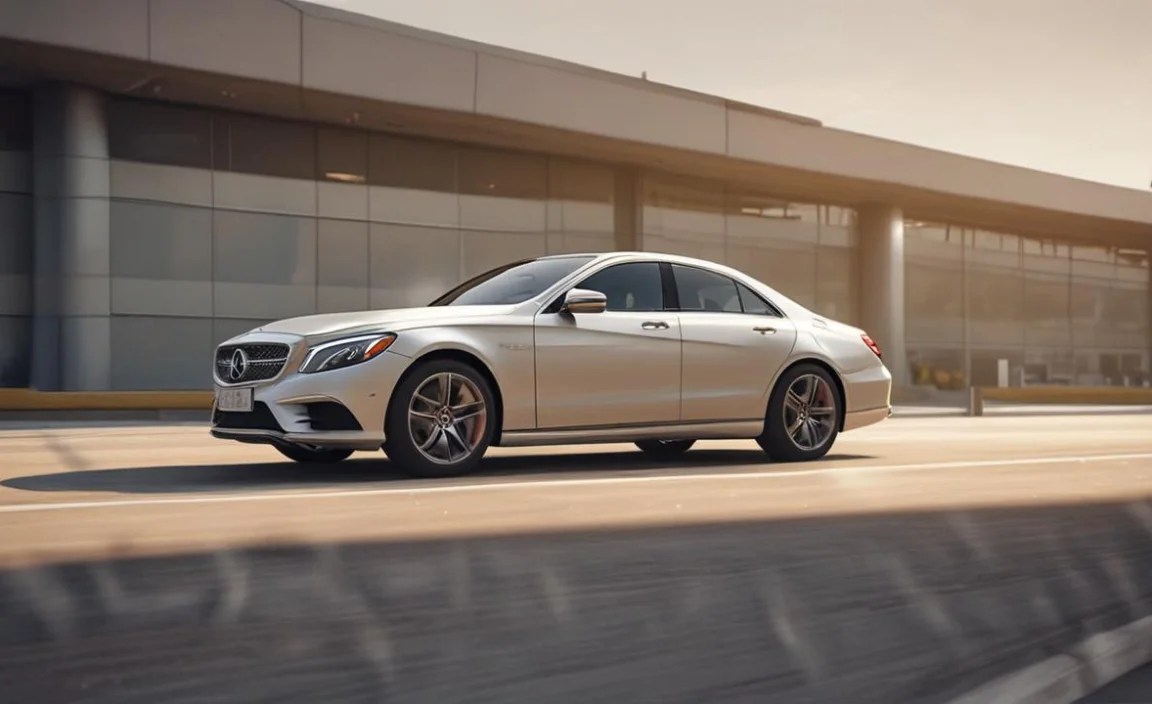
Mercedes-Benz is at the forefront of automotive innovation, and the SL-Class benefits from the latest advancements in engine technology. These technologies are designed to deliver immense power while simultaneously striving for improved fuel efficiency.
Biturbocharging
Most modern SL-Class models utilize biturbocharging. This means they employ two turbochargers to force more air into the engine’s cylinders. More air allows for more fuel to be injected, resulting in greater power output from a given engine displacement.
How it helps efficiency: By enabling smaller displacement engines to produce V8-like power, turbocharging allows for smaller, lighter engines that can be more fuel-efficient when driven conservatively. The twin-scroll turbochargers also improve responsiveness, minimizing turbo lag and allowing for smoother, more efficient power delivery.
Direct Injection
Higher precision fuel delivery systems are crucial for efficiency.
How it helps efficiency: Piezo direct injection systems inject fuel directly into the combustion chamber at extremely high pressures. This allows for precise control over the fuel mixture and timing, leading to more complete combustion, reduced fuel waste, and improved power.
Advanced Engine Management Systems
Sophisticated engine control units (ECUs) are the brains of the operation.
How it helps efficiency: These systems continuously monitor numerous sensors throughout the engine and vehicle. They adjust ignition timing, fuel delivery, valve timing, and turbocharger boost in real-time to optimize performance and fuel economy under varying driving conditions.
Mild Hybrid Technology (EQ Boost) – Increasingly prevalent
In some recent SL models, you’ll find mild-hybrid systems, often referred to as EQ Boost by Mercedes-Benz. This system uses an integrated starter-generator (ISG) that works in conjunction with the engine.
How it helps efficiency: The ISG can provide a temporary power boost (e.g., during acceleration), allowing the gasoline engine to operate more efficiently. It also enables more aggressive electric coasting, regenerative braking (capturing energy that would otherwise be lost as heat), and smoother engagement of the start/stop system. This sophisticated integration helps to improve overall fuel economy and reduce emissions.
Integrated Starter-Generator (ISG)
This core component of mild-hybrid systems plays a vital role.
How it helps efficiency: The ISG performs functions like starting the engine (replacing the traditional starter motor), and provides both regenerative braking and torque fill. Torque fill means the ISG can instantly provide electrical power to supplement the gasoline engine during its lowest RPM range, smoothing out power delivery and potentially allowing the engine to run at lower RPMs, thus saving fuel.
These technological integrations are what allow the SL-Class to offer such remarkable performance while still achieving the fuel economy ratings discussed earlier. It’s a showcase of engineering prowess.
Frequently Asked Questions about SL-Class Fuel Economy
What is the average MPG for a Mercedes-Benz SL-Class?
The average MPG for a Mercedes-Benz SL-Class varies by model year and engine. Generally, models like the SL 450 achieve around 21-22 MPG in the city and 29-31 MPG on the highway. More performance-oriented AMG models, like the SL 63, will have lower ratings, typically around 15 MPG city / 22 MPG highway.
Does the SL 63 AMG get good gas mileage?
The SL 63 AMG is designed for maximum performance, featuring a powerful V8 engine. As such, its gas mileage is modest. You can typically expect around 15 MPG combined. While not its primary focus, Mercedes-Benz incorporates technologies to make it as efficient as possible for its class.
How can I improve my SL-Class’s fuel economy?
You can significantly improve your SL-Class’s fuel economy by adopting smoother driving habits


