
Coupe Car Performance Upgrades: Ultimate Power, Effortless Speed
Elevate your coupe’s power and speed with smart performance upgrades. Transform your driving experience from spirited to truly exhilarating with carefully selected enhancements that boost horsepower, improve handling, and provide effortless acceleration, unlocking your car’s full potential.
Owning a coupe is about more than just transportation; it’s about an experience. The sleek lines, the dynamic stance, and the promise of spirited driving are inherent qualities many of us adore. But what if that promise could be amplified? What if you could unlock even more exhilarating power and achieve a level of effortless speed that truly captivates? You might imagine this involves complex engineering or a hefty budget, but understanding the right coupe car performance upgrades can make a significant difference, even for beginners.
This guide is designed to demystify the world of performance enhancements for your coupe. We’ll explore the most effective ways to boost your car’s power, improve its responsiveness, and refine its overall driving dynamics. From simple bolt-on parts to more involved modifications, we’ll break down each option, explaining what it does, why it matters, and what you can expect. Get ready to transform your beloved coupe into a machine that truly sings.
Understanding Coupe Performance Basics
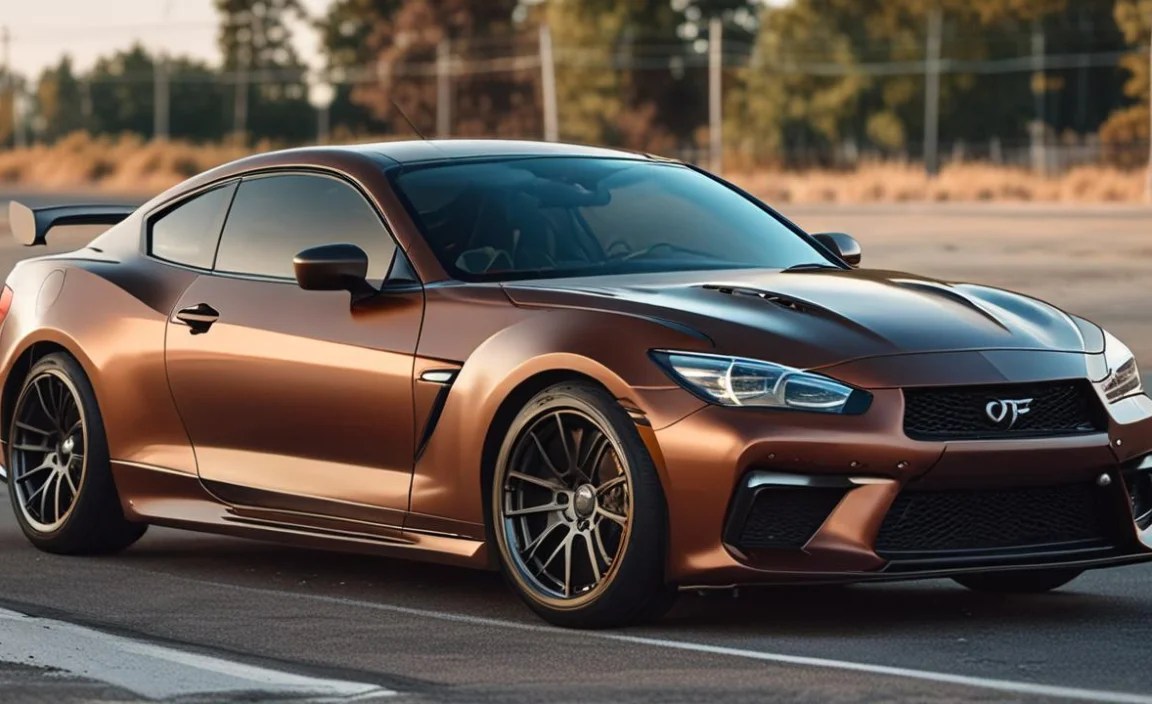
Before diving into upgrades, it’s helpful to grasp how a car generates performance. At its core, performance is a blend of power (how quickly it can do work, measured in horsepower and torque) and handling (how well it can corner, brake, and respond to steering input). A well-balanced coupe will excel in both.
Power Delivery: This relates to the engine’s ability to produce horsepower and torque. More power means quicker acceleration and higher top speeds.
Weight: Lighter cars are generally faster and handle better. Reducing weight is a performance upgrade in itself.
Aerodynamics: How the car cuts through the air affects stability and top speed.
Handling: This encompasses suspension, brakes, and tires, which dictate how well the car grips the road and responds to driver inputs.
Drivetrain: The transmission and differential play a crucial role in getting power to the wheels efficiently.
For Mercedes-Benz coupes, particularly those from AMG, these elements are already finely tuned. However, even these performance-oriented machines can often benefit from carefully chosen upgrades to align with specific driving desires or to keep them at the cutting edge of performance.
Essential Coupe Car Performance Upgrades: The High-Impact Choices

When considering coupe car performance upgrades, the goal is often to achieve noticeable gains without compromising reliability or drivability. Here are some of the most impactful modifications, explained in simple terms.
1. ECU Tuning (Engine Control Unit Remapping)
This is one of the most popular and effective ways to gain power. The ECU is the car’s computer, managing everything from fuel injection to ignition timing. A performance tune adjusts these parameters to optimize them for more power and torque, often by increasing boost pressure (in turbocharged engines), refining fuel delivery, and advancing ignition timing.
What it does: Optimizes engine software for increased power and torque.
Why it matters: Significantly boosts horsepower and throttle response.
What to expect: Gains of 10-30% horsepower and torque are common, depending on the engine. It can also improve fuel efficiency under normal driving conditions if tuned for that.
Beginner-friendly? Yes, it’s often a “plug-and-play” or software-based modification, usually performed by a reputable tuner.
Considerations: Choose a reputable tuner who understands your specific Mercedes-Benz model. Some tunes can affect emissions compliance.
2. Performance Air Intake Systems
Your engine needs air to combust fuel. A performance air intake system is designed to allow more air into the engine, more efficiently. This typically involves a less restrictive air filter and smoother, larger diameter piping.
What it does: Improves airflow to the engine.
Why it matters: Allows the engine to “breathe” better, potentially increasing horsepower and torque. It also often enhances the engine’s intake sound.
What to expect: Modest gains (typically 2-5% horsepower), but a more aggressive intake sound that many enthusiasts enjoy.
Beginner-friendly? Yes, many kits are designed for direct bolt-on installation.
Considerations: Ensure the system is designed for your specific Mercedes model. In some climates, an open-element filter might draw in hotter air, potentially reducing performance if not heat-shielded properly. For turbocharged cars, the gains are usually less pronounced than with ECU tuning.
3. Performance Exhaust Systems
The exhaust system channels exhaust gases away from the engine. A performance exhaust is designed to reduce backpressure, allowing gases to exit more freely. This can be achieved through larger diameter pipes, high-flow catalytic converters, and performance mufflers.
What it does: Reduces exhaust restriction and improves exhaust gas flow.
Why it matters: Can increase horsepower and torque by allowing the engine to expel gases more efficiently. It significantly enhances the car’s exhaust note, providing a more aggressive and sporty sound.
What to expect: Gains of 3-10% horsepower are possible, especially when combined with other upgrades. The sound improvement is often the most noticeable aspect.
Beginner-friendly? Yes, many systems are designed as direct bolt-on replacements.
Considerations: Different systems offer varying levels of sound aggressiveness. Check local noise regulations and emissions laws regarding catalytic converters.
4. Upgraded Turbochargers (for Turbocharged Models)
Many modern Mercedes coupes, especially AMG variants, are turbocharged. A larger or more efficient turbocharger can force more air into the engine, allowing for a more powerful combustion within the ECU’s parameters (or when combined with tuning).
What it does: Compresses and forces more air into the engine.
Why it matters: The primary way to significantly increase horsepower and torque in forced-induction engines.
What to expect: Substantial power gains, often exceeding 50-100 horsepower depending on the turbo and supporting modifications.
Beginner-friendly? This is a more advanced modification, usually requiring professional installation and extensive ECU tuning to work correctly and safely.
Considerations: Requires careful balancing with other engine components, including fueling and cooling systems, to avoid damage. It can introduce turbo lag if not properly spec’d.
5. Performance Tires
While not a direct power upgrade, high-performance tires are crucial for translating power into speed and for enhancing the overall driving experience. They offer better grip, allowing for higher cornering speeds and more effective acceleration from a standstill.
What it does: Provides superior traction and grip on the road.
Why it matters: Allows you to put more of your car’s power down effectively, improves braking performance, and enhances cornering stability.
What to expect: Sharper steering response, reduced wheelspin during acceleration, and increased confidence in corners.
Beginner-friendly? Yes, it’s as simple as replacing your existing tires.
Considerations: Performance tires often have a shorter tread life and can be noisier and less comfortable than touring tires. Consider your driving priorities.
Here’s a quick look at common tire types and their performance characteristics:
| Tire Type | Grip | Ride Comfort | Tread Life | Noise | Best For |
| :———————– | :———- | :———– | :——— | :——– | :——————————————– |
| Ultra-High Performance | Excellent | Firm | Shorter | Moderate | Enthusiast driving, track days, warm weather |
| High Performance | Very Good | Good | Moderate | Low | Spirited daily driving, all-season capability |
| Grand Touring | Good | Excellent | Longer | Very Low | Comfortable daily driving, long distances |
Enhancing Handling and Braking: For Balanced Performance

Power is exciting, but without the ability to control it effectively, it can be less enjoyable and even dangerous. These upgrades focus on making your coupe handle better and stop quicker.
1. Performance Suspension Components
Upgrading your suspension can dramatically improve your coupe’s handling. This can range from simply replacing worn components with performance equivalents to installing adjustable coilovers.
What it does: Improves stability, reduces body roll in corners, and enhances responsiveness.
Why it matters: Allows you to carry more speed through turns, makes the car feel more connected to the road, and can provide a more comfortable ride if adjustable.
Options:
Performance Springs & Shocks/Struts: Lower the car slightly, stiffen the ride for less body roll.
Adjustable Coilovers: Allow for precise adjustment of ride height and damping stiffness, offering the most customization.
Sway Bars (Anti-Roll Bars): Stiffer sway bars significantly reduce body roll during cornering.
Beginner-friendly? Replacing shocks/struts and springs can be DIY-friendly with the right tools and knowledge. Coilovers and sway bar upgrades are more involved.
Considerations: Stiffer suspension can reduce ride comfort. Ensure components are compatible with your specific Mercedes model and consider alignment after installation.
2. Upgraded Brake Systems
Your coupe’s ability to brake effectively is paramount. Performance brake upgrades can significantly shorten stopping distances and improve brake fade resistance during spirited driving.
What it does: Provides stronger, more consistent braking power.
Why it matters: Crucial for safety and for confidence during hard driving or repeated braking.
Options:
Performance Brake Pads: Offer higher friction and better heat tolerance than standard pads.
Performance Brake Rotors: Can be drilled or slotted to improve heat dissipation and reduce brake dust buildup.
Stainless Steel Brake Lines: Reduce hose expansion under pressure, leading to a firmer brake pedal feel.
Big Brake Kits: Larger calipers, rotors, and sometimes adjustable proportioning valves for maximum stopping power.
Beginner-friendly? Brake pads and rotors are relatively straightforward replacements. Stainless steel lines require bleeding the brake system. Big brake kits are advanced.
Considerations: Performance brake pads can be noisy and create more dust. Ensure compatibility with your wheels. For significant upgrades, professional installation is recommended. Resources like Federal government vehicle safety standards for brakes offer insight into why these systems are so critical.
Lightweighting Your Coupe: A Performance Stealth Upgrade

Reducing weight is one of the most effective ways to improve acceleration, braking, and handling simultaneously. Every kilogram saved makes the car feel more agile and responsive.
What it does: Decreases the overall mass of the vehicle.
Why it matters: Improves power-to-weight ratio, reduces load on suspension and brakes, and enhances acceleration.
Simple Weight Reduction Steps:
Remove unnecessary items from the trunk and cabin.
Replace heavier factory wheels with lighter aftermarket ones.
Consider lightweight battery options.
More Involved Steps:
Replacing heavy factory exhaust components with titanium or lighter stainless steel systems.
Using carbon fiber body panels (hood, trunk, fenders) – often very expensive and requires professional fitting.
Stripping unnecessary interior trim or sound deadening material (for track-focused builds).
Beginner-friendly? Simple steps are very easy. Lightweight wheels are a common and straightforward upgrade.
Considerations: Significant weight reduction can impact comfort and practicality. Carbon fiber parts can be costly and require specialized installation.
drivetrain Enhancements: Putting Power to the Ground

The drivetrain is how your engine’s power reaches the wheels. Minor tweaks here can make a difference in how efficiently your coupe accelerates.
1. Short Shifter (Manual Transmissions)
For coupes equipped with a manual gearbox, a short shifter reduces the distance the gear lever needs to travel for each gear change.
What it does: Shortens the throw between gears.
Why it matters: Leads to quicker, more precise gear changes, enhancing the sporty feel.
What to expect: A more mechanical and direct shifting experience.
Beginner-friendly? Moderate. Installation can be a bit intricate, often requiring access from underneath the car.
Considerations: Some drivers find very short throws can increase effort or become notchy if not set up correctly.
2. Limited-Slip Differential (LSD)
An LSD is designed to improve traction by distributing torque more evenly between the driven wheels, especially during cornering or when one wheel loses grip.
What it does: Improves traction by controlling wheelspin on the driven axle.
Why it matters: Allows you to accelerate out of corners more effectively and reduces wheel hop during hard acceleration.
What to expect: Noticeably better traction when accelerating, particularly out of turns.
Beginner-friendly? No. This is an advanced modification requiring professional installation.
Considerations: Different types of LSDs (clutch-type, Torsen, viscous) offer different engagement characteristics. It can affect low-speed driving behavior.
Table: Upgrade Impact Summary
To help you visualize the impact of these common coupe car performance upgrades, here’s a summary:
| Upgrade | Primary Benefit | Typical Horsepower Gain | Handling Improvement | Drivability Impact | Beginner Friendly |
| :—————————- | :——————– | :———————- | :——————- | :—————– | :—————- |
| ECU Tune | More Power & Torque | 10-30%+ | Minor (Throttle) | Improved Response | Yes |
| Performance Air Intake | Better Airflow | 2-5% | Minimal | Slightly Sharper | Yes |
| Performance Exhaust | Better Gas Flow, Sound| 3-10% | Minimal | Slightly Improved | Yes |
| Upgraded Turbocharger | Significant Power | 50-100%+ | Indirect (More Power)| Can affect response| No |
| Performance Tires | Superior Grip | N/A | Significant | Improved | Yes |
| Performance Suspension | Better Stability | N/A | Significant | Firmer Ride | Moderate-Advanced |
| Upgraded Brakes | Shorter Stopping Dist.| N/A | Significant | Firmer Pedal | Moderate-Advanced |
| Weight Reduction | All-around Improvement| N/A | Significant | Improved Agility | Easy-Advanced |
| Short Shifter (Manual) | Quicker Shifts | N/A | Minimal | More Direct Feel | Moderate |
| Limited-Slip Differential (LSD)| Improved Traction | N/A | Significant (Accel)| Can affect low speed| No |
Planning Your Coupe Car Performance Upgrade Path
Deciding on the right upgrades depends on your goals and budget. It’s often best to start with simpler, high-impact modifications.
Step-by-Step Approach for Beginners:
1. Define Your Goal: Are you after raw power, sharper handling, or a more engaging driving feel?
2. Start with Maintenance: Ensure your Mercedes-Benz is in peak condition. Good tires, fresh fluids, and a well-maintained engine are the foundation.
3. Consider ECU Tuning: For most turbocharged Mercedes models, this offers the most significant performance gain for the cost and is relatively straightforward.
4. Improve Airflow & Exhaust: Combine an intake and exhaust system with your tune for synergistic gains and a better soundtrack.
5. Enhance Grip: Fit high-performance tires to make full use of the increased power and improve overall dynamics.
6. Address Braking & Suspension: Once you’re happy with the power and grip, consider upgrades to your brakes and suspension for balanced performance and safety.
It’s wise to research specific parts for your model and consult with reputable Mercedes-Benz or AMG specialists. They can offer tailored advice based on your vehicle’s specific platform and your desired outcomes. For instance, resources on NHTSA’s consumer advisories on auto repairs highlight the importance of choosing qualified shops for complex work.
Frequently Asked Questions About Coupe Performance Upgrades
Q1: Will performance upgrades void my Mercedes-Benz warranty?
A1: This is a common concern. While some modifications might* void specific warranty coverage related to the modified part or its direct impact, generally, the warranty remains intact if the upgrade doesn’t cause a failure. It’s crucial to perform upgrades with reputable brands and skilled technicians. For factory performance models like AMG, many dealers offer performance parts they install themselves, which are often warranty-friendly. Always check with your dealership.
Q2: Which upgrade provides the biggest horsepower boost for a typical Mercedes coupe?
A2: For turbocharged Mercedes coupes (like C-Class, E-Class, AMG models), ECU tuning typically offers the most significant horsepower and torque increase for the investment. Often, this is followed by upgraded turbochargers for even greater gains, though that’s a more involved upgrade.
Q3: How much do coupe car performance upgrades typically cost?
A3: Costs vary greatly. A performance air intake might range from $200-$600, while an ECU tune can be $500-$1500. A full exhaust system can cost $1000-$3000+. Suspension and brake upgrades can range from $1000 to $5000+ per axle or kit. Professional installation costs are additional.
Q4: Can I feel a difference with just an exhaust upgrade?
A4: You will definitely hear a difference, as performance exhausts are designed to produce a sportier, more aggressive sound. Horsepower gains are usually modest on their own (3-10%), but become more significant when combined with an ECU tune and intake.
**Q


