
Driver Alertness Monitoring: Essential Luxury
Driver alertness monitoring is a state-of-the-art Mercedes-Benz safety feature designed to detect signs of driver fatigue or inattention, offering timely alerts to help prevent accidents and enhance your driving experience.
Driving can be tiring, especially on long journeys. That familiar feeling of your eyelids getting heavy or your mind wandering can be a safety concern. It’s natural for our focus to drift sometimes. Thankfully, modern Mercedes-Benz vehicles are equipped with intelligent systems to help you stay alert and safe on the road. These systems act as your vigilant co-pilot, paying attention when you might need a little help. Understanding how these features work can give you greater peace of mind and confidence behind the wheel.
Frequently Asked Questions About Driver Alertness Monitoring
What exactly is driver alertness monitoring?
Driver alertness monitoring is a sophisticated safety system in Mercedes-Benz cars that uses sensors and cameras to observe your driving behavior. It looks for signs that you might be tired or distracted, such as frequent lane drifting, changes in steering patterns, or prolonged periods of inattention. If it detects these signs, it will issue an alert to encourage you to take a break.
How does the system detect driver fatigue?
The system typically uses a combination of sensors. A small camera mounted on the dashboard may monitor your eye movements and blink rate. It also analyzes your driving inputs, like steering wheel movements and how you maintain your position within the lane. Sudden, erratic steering or consistent drifting are key indicators it looks for.
What happens when the driver alertness monitor is activated?
When the system believes you might be drowsy or inattentive, it will usually provide an alert. This can range from a visual warning on the dashboard, often displaying a coffee cup icon, to an audible tone. Some systems may also vibrate the steering wheel or trigger a warning message suggesting you take a break.
Can I turn off the driver alertness monitoring system?
Yes, in most Mercedes-Benz models, you have the option to deactivate the driver alertness monitoring system. However, it is strongly recommended to keep it active, especially for long drives, as it is a valuable safety feature that can significantly reduce the risk of accidents caused by fatigue.
Is driver alertness monitoring the same as lane keeping assist?
No, they are different systems, though they often work together. Lane Keeping Assist actively helps you stay within your lane marks by providing steering intervention. Driver Alertness Monitoring, on the other hand, focuses on detecting the driver’s state of alertness rather than directly intervening with steering. It alerts you when it senses you might be too tired to drive safely.
Are there any privacy concerns with these systems?
Mercedes-Benz is committed to protecting your privacy. Data collected by the driver alertness monitoring system is typically processed locally within the vehicle and is not transmitted to external servers without your explicit consent. The primary purpose is to enhance your safety during the drive.
Driver Alertness Monitoring: Your Vigilant Co-Pilot

The concept of driver fatigue is a serious one. According to the National Highway Traffic Safety Administration (NHTSA), drowsy driving claimed over 697 lives in a recent year, with many more crashes likely attributed to fatigue. It’s a silent danger that can affect even the most experienced drivers. Recognizing this, Mercedes-Benz has integrated advanced driver alertness monitoring systems into its vehicles, transforming a potential risk into a managed concern. This technology isn’t just a luxury; it’s an essential component of modern vehicle safety, designed to keep you and those around you secure.
| Key Functions | Primary Goal | How It Works |
|---|---|---|
| Detects signs of driver drowsiness | Prevent accidents caused by fatigue | Monitors steering, braking, and driving patterns |
| Identifies inattentive driving | Ensure focus on the road | Uses camera to observe driver’s face and eyes |
| Provides timely driver alerts | Encourage driver to take breaks | Visual and audible warnings, sometimes steering vibration |
Understanding the Technology Behind the Vigilance

At the heart of driver alertness monitoring lies a sophisticated blend of sensors and intelligent software. These systems are designed to be discreet yet effective, working in the background to ensure your well-being. It’s a testament to how luxury automotive engineering prioritizes safety without compromising the driving experience.
Camera-Based Detection
Many Mercedes-Benz models employ a high-resolution camera, often cleverly integrated into the overhead console or the rearview mirror assembly. This tiny yet powerful eye observes the driver’s face. It’s not just looking at you; it’s analyzing subtle cues:
- Eye Blinking Patterns: Prolonged, slow blinks can be a strong indicator of fatigue.
- Head Position: Drooping head or frequent head movements that indicate nodding off are detected.
- Eye Movement: When your eyes stray from the road for extended periods, the system notes it.
This camera works in conjunction with advanced algorithms that have been trained on vast datasets of driving behavior to distinguish between normal driving and signs of drowsiness.
Steering and Driving Pattern Analysis
Beyond visual cues, the system also meticulously monitors how you pilot the vehicle. Steering inputs are a wealth of information. A driver battling fatigue often exhibits:
- Erratic Steering: Sudden, jerky corrections or noticeable swaying within the lane.
- Lane Drifting: A tendency to wander towards the lane edges without appropriate corrective action.
- Inconsistent Speed or Braking: Fluctuations that deviate from a steady driving rhythm.
By combining data from the steering angle sensor, wheel speed sensors, and other vehicle dynamics monitors, the system builds a comprehensive picture of your driving performance. When deviations from a typical, alert driving pattern are observed, it raises a flag.
Integration with Other Systems
Driver alertness monitoring doesn’t operate in a vacuum. It often communicates with and complements other advanced driver-assistance systems (ADAS) within the Mercedes-Benz suite. For instance, if the system detects drowsiness and the vehicle is also equipped with features like Active Lane Keeping Assist or Distronic (adaptive cruise control), their activation or deactivation might be influenced. This interconnectedness creates a more holistic safety net.
Learning and Adaptation
It’s important to note that these systems are designed to be intelligent. They learn your individual driving style over time. This helps to minimize false positives – situations where the system might incorrectly alert you when you’re simply focused on something within the car or are driving in a way that’s not indicative of fatigue. The goal is context-aware alerts that are truly helpful.
Decoding the Warnings: What to Do When Alerted
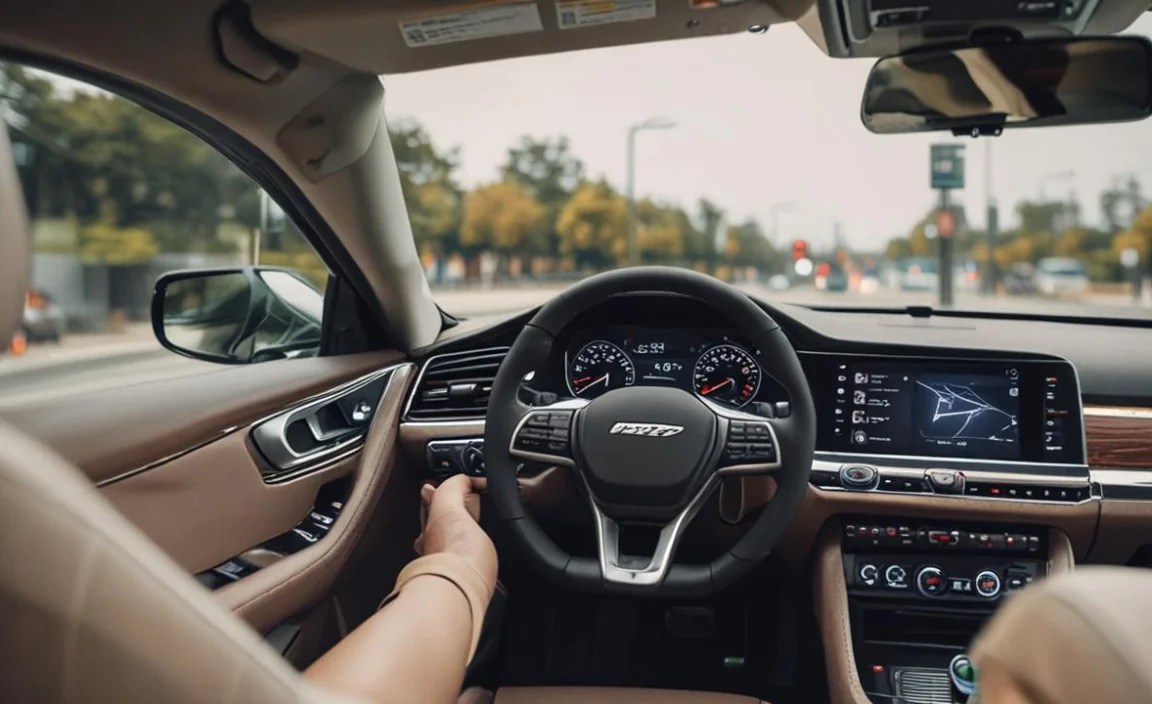
Receiving an alert from your driver alertness monitoring system is a signal, not a reprimand. It’s your vehicle’s way of saying, “Hey, let’s check in.” Understanding these alerts and responding appropriately is key to leveraging this technology effectively. It’s about proactive safety and ensuring you’re always at your best when behind the wheel.
Visual and Audible Indicators
The most common alert is a visual one, typically appearing as a stylized coffee cup icon on your instrument cluster or infotainment screen. This is universally recognized as a sign to consider a rest stop. Accompanying this may be:
- A gentle chime or audible notification.
- A text message on the display, such as “Driver Drowsiness Detected. Take a break.”
These signals are designed to be noticeable without being overly intrusive, designed to get your attention when it matters most.
The Coffee Cup Symbol Explained
The coffee cup icon is an intuitive visual cue that has become a standard across many vehicle manufacturers. It’s a simple, universally understood symbol for rest and rejuvenation. When you see it, it’s a clear indication that the system has observed patterns consistent with fatigue. It’s not implying you’re a bad driver; it’s suggesting that your body might be telling you it needs a pause.
Steering Wheel Feedback and Other Interventions
In some of the more advanced Mercedes-Benz systems, you might experience a physical alert, such as a vibration in the steering wheel. This tactile feedback can be particularly effective in waking a driver who might be on the verge of dozing off. Depending on the specific model and its configuration, the system might also adjust other ADAS settings or prompt you for more direct input to confirm your alertness.
What You Should Do When Alerted
The most important action to take upon receiving a driver alertness alert is to find a safe place to stop and rest. This could mean pulling over at a rest area, a service station, or a safe parking spot. Even a short break of 15-20 minutes can make a significant difference in restoring alertness. If possible, get out of the car, stretch, or have a caffeinated beverage. Importantly, do not simply ignore the alert; it’s there for a very good reason.
Driver Alertness Monitoring in the Context of Mercedes-Benz Safety

Mercedes-Benz is renowned for its pioneering role in automotive safety. Features that are now standard in many vehicles, like anti-lock brakes (ABS) and airbags, were first introduced or popularized by Mercedes-Benz. Driver alertness monitoring continues this legacy, showcasing how luxury vehicles lead the way in integrating advanced technology for the benefit of all drivers. It’s part of a broader suite of systems aimed at achieving even safer roads.
Comparison with Lane Keeping Assist and Lane Departure Warning
While often found in the same vehicles, driver alertness monitoring is distinct from lane-focused systems.
- Lane Departure Warning (LDW): This system alerts you, usually with a vibration in the steering wheel or an audible warning, when your vehicle unintentionally drifts out of its lane. It’s reactive to lane boundary crossing.
- Lane Keeping Assist (LKA): This system goes a step further than LDW. If you drift out of your lane, LKA can actively intervene by applying gentle steering torque to guide the vehicle back into its lane. It’s proactive steering intervention.
- Driver Alertness Monitoring: This system focuses not on where the car is going, but on the driver’s state. It’s looking for signs of drowsiness or inattention regardless of whether the car is drifting. It alerts the driver to their own condition rather than directly managing the car’s position.
They work best in concert. For example, if Driver Alertness Monitoring detects drowsiness, it prompts you to rest. If you then begin to drift due to fatigue, Lane Keeping Assist can provide a corrective nudge.
Active Brake Assist and Collision Prevention
Active Brake Assist (ABA) is another crucial safety feature. It uses radar and camera sensors to monitor traffic ahead. If it detects a risk of a collision with another vehicle or a pedestrian, it will issue a warning. If you don’t react, ABA can automatically apply partial or full braking to help mitigate the severity of an impact or prevent it altogether. Driver Alertness Monitoring acts as a gatekeeper: if the driver is too fatigued to react to an ABA warning, the system’s alerts are even more critical.
The Driver Assistance Package and Intelligent Systems
Mercedes-Benz offers sophisticated Driver Assistance Packages that bundle many of these advanced technologies. These packages often include:
- DISTRONIC PLUS with Steering Assist: Adaptive cruise control that also helps steer the vehicle.
- Active Blind Spot Assist: Warns and can intervene if you try to change lanes while a vehicle is in your blind spot.
- PRE-SAFE® system: This suite of features prepares the car and occupants for an impending collision by tightening seatbelts, adjusting seats, and closing windows.
Driver alertness monitoring is a foundational element that enhances the effectiveness of these other systems by ensuring the human element – the driver – is as alert as possible.
| Feature | Primary Focus | How it Enhances Safety |
|---|---|---|
| Driver Alertness Monitoring | Driver’s state of attentiveness and fatigue | Alerts driver to take a break before fatigue causes errors |
| Lane Keeping Assist | Vehicle’s position within lane markings | Provides steering input to prevent unintentional lane departure |
| Active Brake Assist | Potential collisions with vehicles/pedestrians ahead | Warns and brakes automatically to avoid or mitigate impacts |
| DISTRONIC PLUS with Steering Assist | Maintaining safe distance and lane centering | Reduces driver workload and stress on highways |
Making the Most of Your Driver Alertness Monitoring System

Driver alertness monitoring is a complex system designed to work seamlessly with your driving habits. To ensure it functions optimally and provides the greatest benefit, there are a few key considerations. It’s about understanding the system’s capabilities and your role in its effectiveness. Keeping it active and understanding its signals empowers you to drive safer.
Regular Maintenance and Cleaning
The camera that monitors your eyes and face needs a clear view. Dust, smudges, or frost on the windshield in front of the camera can impair its function. Make it a habit to gently wipe the area of the windshield where the camera is located during regular car washes or once a week. Also, ensure the camera lens itself is clean. Consult your owner’s manual for the specific location and cleaning recommendations for your model.
Understanding System Limitations
While incredibly advanced, driver alertness monitoring is not infallible. It’s a supplementary safety system, not a replacement for attentive driving. The system may be less effective in certain conditions:
- Extreme Weather: Heavy rain, snow, or fog can sometimes interfere with camera vision.
- Unusual Driving Conditions: Driving on unpaved roads with no lane markings, or in very heavy, stop-and-go traffic where patterns differ significantly from highway driving, might affect its interpretation.
- Driver Physiology: Factors like wearing sunglasses that obscure eye detection or having certain medical conditions could potentially impact performance.
Always maintain your own vigilance. The system is there to assist, not to absolve you of responsibility.
Customizing Settings Where Available
As mentioned, most Mercedes-Benz vehicles allow you to adjust the sensitivity of the driver alertness monitoring system or disable it if necessary. While disabling it is not recommended for general driving, understanding how to adjust settings can be beneficial. For example, if you find you’re getting too many spurious alerts during specific types of driving (e.g., on challenging winding roads), you might adjust the sensitivity. Always refer to your vehicle’s specific owner’s manual for instructions on how to access and modify these settings through the infotainment system’s menus.
You can typically find these settings within the “Assistance” or “Safety” menus on your COMAND or MBUX display. For detailed instructions specific to your model year and trim, consult your Mercedes-Benz owner’s manual. This is essential for ensuring you’re interacting with the system correctly.
The Role of Proper Rest and Driving Habits
Ultimately, the most effective “system” is a well-rested driver. Driver Alertness Monitoring is a safety net, not a magic wand. Prioritize getting adequate sleep before long drives. Plan your journeys to include regular breaks, even if the system doesn’t alert you. Stay hydrated, avoid driving during times when you’d normally be asleep, and never drive under the influence of alcohol or certain medications that can impair alertness.
<h2 id=”conclusion-driver-alertness-monitoring-an-investment-in-peace-of


