
Mercedes-Benz Electric Vehicle Battery Safety: Ultimate Power
Mercedes-Benz electric vehicle battery safety is engineered with multiple protected layers, rigorous testing, and advanced management systems to ensure both peak performance and ultimate protection for drivers and the environment.
Driving an electric Mercedes-Benz isn’t just about experiencing the future of luxury mobility; it’s about embracing innovation with confidence. One common question for newcomers to the electric vehicle (EV) world is how safe these advanced battery systems truly are. You might wonder if a large battery pack, humming with power beneath you, presents any risks. We understand that peace of mind is paramount when it comes to your vehicle. Rest assured, Mercedes-Benz prioritizes safety above all else. This guide will demystify the robust safety protocols and cutting-edge technology that make Mercedes-Benz electric vehicle battery safety a benchmark in the industry. Get ready to explore the ultimate power, secured by ultimate safety.
Understanding Battery Safety: A Mercedes-Benz Approach

At Mercedes-Benz, the concept of “Ultimate Power” is intrinsically linked with “Ultimate Safety.” This philosophy permeates every stage of an electric vehicle’s development, from initial design sketches to the final production line. The goal isn’t just to create powerful EVs, but to ensure that power is delivered and managed with the utmost security for occupants, other road users, and the environment. This commitment means looking beyond the battery itself to encompass the entire vehicle system.
The Heart of the Matter: The High-Voltage Battery Pack

The high-voltage battery pack is the energy core of any Mercedes-Benz electric vehicle, such as the EQS Sedan or EQE SUV. While it stores a significant amount of energy, Mercedes-Benz employs a multi-layered approach to ensure its integrity and safety under all driving conditions, and even in the unlikely event of an accident.
Structural Integrity and Protection

The battery pack itself is a marvel of engineering, designed to withstand extreme forces.
Robust Casing: The battery modules are housed within a specially designed, reinforced casing. This casing is typically made from high-strength aluminum or steel alloys, engineered to absorb impact energy and prevent penetration.
Underbody Shielding: The entire battery pack is mounted low in the vehicle’s chassis, often protected by a substantial underbody shield. This shield acts as a first line of defense against road debris, curbs, and impacts from below.
Crash Deactivation: In the event of a severe collision, sophisticated sensors trigger an immediate automatic deactivation of the high-voltage system. This system is designed to disconnect power safely and promptly, minimizing any potential electrical hazards. This is a crucial safety feature that prevents electrical arcs or shorts during an impact.
Thermal Management: Keeping it Cool and Stable

One of the key factors in battery safety and longevity is effective thermal management. High temperatures can degrade battery performance and, in extreme cases, pose a safety risk. Mercedes-Benz utilizes advanced cooling and heating systems.
Liquid Cooling System: Most Mercedes-Benz EVs feature a sophisticated liquid cooling system. This system circulates a coolant through channels within the battery pack, efficiently dissipating heat generated during charging and discharging.
Temperature Monitoring: Numerous sensors continuously monitor the temperature of individual battery cells and modules. This data is fed into the battery management system (BMS) to ensure optimal operating temperatures.
Heating Functionality: In colder climates, the system can also actively heat the battery to improve charging efficiency and performance. This prevents the battery from operating at temperatures that could compromise safety or driveability.
The Intelligence Behind the Power: Battery Management Systems (BMS)

The Battery Management System (BMS) is the brain of the electric vehicle’s battery. It’s a sophisticated computer responsible for monitoring, controlling, and protecting the battery pack.
Cell Balancing: The BMS ensures that all individual battery cells within the pack are charged and discharged evenly. This “cell balancing” maximizes the lifespan of the battery and prevents overcharging or deep discharging of individual cells, which are critical safety and performance considerations.
State of Charge (SoC) and State of Health (SoH) Monitoring: It constantly tracks the battery’s charge level (SoC) and its overall health (SoH). This information is used to optimize performance and provide accurate range estimates for the driver.
Fault Detection: The BMS is designed to detect any anomalies or faults immediately. If an issue is detected, it can take protective measures, such as limiting power output or even shutting down the system if necessary, to ensure safety.
Communication with Vehicle Systems: The BMS communicates data to other vehicle control units, allowing for seamless integration of battery performance with driving dynamics, charging, and safety systems.
Rigorous Testing and Validation
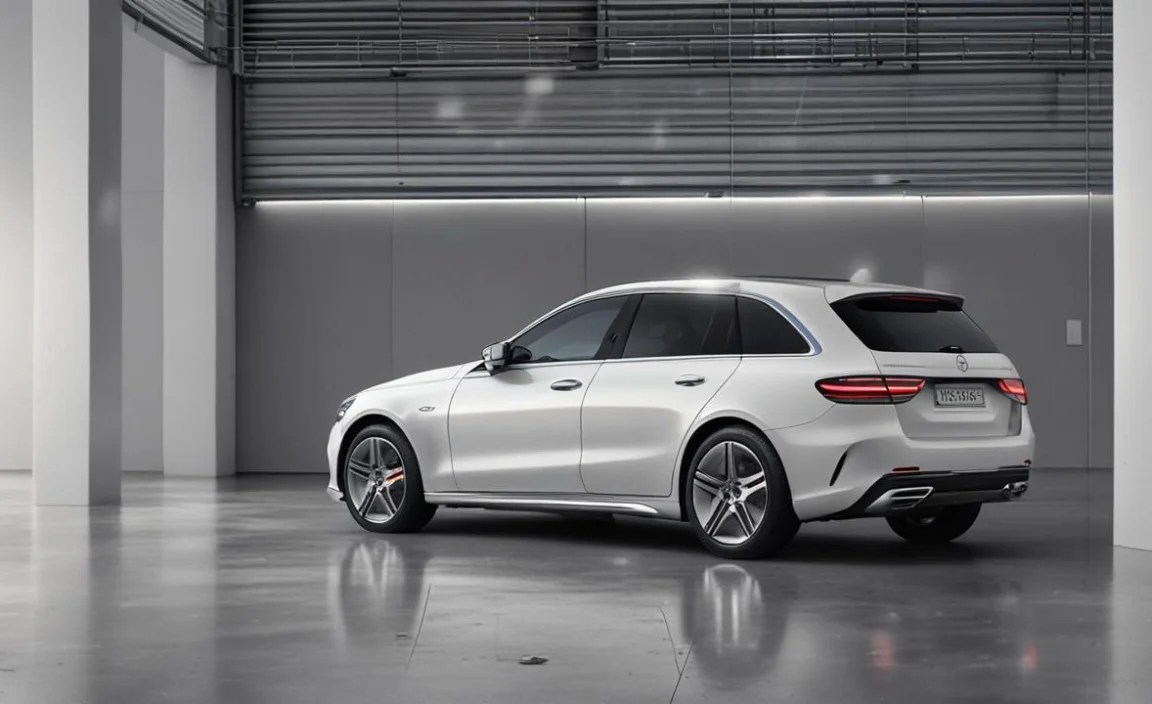
Before a Mercedes-Benz electric vehicle hits the road, its battery system undergoes an exhaustive series of tests that far exceed regulatory requirements.
Crash Testing: Batteries are subjected to intense crash simulations and physical tests from various angles and speeds. These tests ensure the structural integrity of the battery and its containment systems.
Environmental Testing: Batteries are tested in extreme temperature conditions – from scorching deserts to freezing arctic environments – to ensure reliable performance and safety. They are also tested for resistance to water ingress, dust, and vibration.
Electrical Safety Testing: Comprehensive tests are conducted to verify the insulation integrity of the high-voltage system, ensuring that no electrical current can escape under normal or fault conditions.
Long-Term Durability: Batteries are put through simulated years of charging and discharging cycles to assess their long-term durability and performance under everyday use.
External Authoritative Link:

For general information on electric vehicle battery safety standards and regulations, the National Highway Traffic Safety Administration (NHTSA) provides valuable insights into the comprehensive measures taken to ensure EV safety.
The Mercedes-Benz EQ Battery Model Overview

Mercedes-Benz offers a growing family of all-electric vehicles under the EQ brand. Each model benefits from the same advanced battery safety engineering. Here’s a look at some key models and their battery capabilities, highlighting how safety is integrated across the range.
Mercedes-Benz EQS Sedan

The flagship electric sedan, the EQS, represents the pinnacle of electric luxury. Its battery is designed for long range and rapid charging, all while maintaining top-tier safety.
Battery Capacity: Available with up to a 107.8 kWh battery.
Safety Features: Features a multi-layered protection concept including an intelligent, scalable battery management system and a sophisticated thermal management system. Its integrated safety system is designed to isolate cells in case of a fault.
Mercedes-Benz EQE Sedan & SUV

The EQE models offer a more accessible entry into electric luxury, without compromising on safety.
Battery Capacity: Available with batteries up to 90.6 kWh.
Safety Features: Utilizes a similar robust battery casing and integrated safety system as the EQS, with advanced thermal management and comprehensive sensor monitoring.
Mercedes-Benz EQB & EQC

These models represent the more compact and versatile side of the EQ family, proving that advanced battery safety is not exclusive to larger vehicles.
Battery Capacity: Typically features battery capacities in the 60-80 kWh range.
Safety Features: Benefit from the core Mercedes-Benz battery safety architecture, including structural protection, thermal control, and intelligent management systems.
Table: Key Battery Safety Features Across Mercedes-Benz EV Models

| Feature | Description | EQS Sedan | EQE Sedan/SUV | EQB/EQC |
| :———————— | :——————————————————————————————————————————————- | :——– | :———— | :——– |
| High-Strength Casing | Reinforced structure to protect battery modules from impact and intrusion. | ✔ | ✔ | ✔ |
| Underbody Shielding | Protective plating to guard against damage from road debris and impacts. | ✔ | ✔ | ✔ |
| Crash Deactivation | Automatic, rapid disconnection of the high-voltage system in the event of a detected collision. | ✔ | ✔ | ✔ |
| Liquid Cooling/Heating| Advanced thermal management system to maintain optimal battery temperature for performance, longevity, and safety. | ✔ | ✔ | ✔ |
| Intelligent BMS | Monitors, balances, and protects battery cells, ensuring optimal operation and detecting faults. | ✔ | ✔ | ✔ |
| Cell Isolation | In case of a fault, specific cells or modules can be isolated to prevent propagation of issues. | ✔ | ✔ | ✔ |
| Extensive Testing | Battery packs undergo rigorous physical and simulated testing for crash, environmental, and durability performance. | ✔ | ✔ | ✔ |
Charging Safety: Powering Up with Confidence

The charging process for electric vehicles is also engineered with safety in mind. Mercedes-Benz vehicles are designed to work seamlessly and safely with a variety of charging solutions.
AC and DC Charging Safety

Whether you’re using a home charger (AC) or a public fast-charging station (DC), safety protocols are in place.
Standardized Connectors: Charging ports and connectors adhere to international standards (e.g., CCS – Combined Charging System), ensuring proper alignment and secure connections.
Vehicle-Side Safety: The vehicle’s charging system includes multiple checks to ensure the charging cable is properly seated and that communication between the vehicle and the charger is established before power is transferred.
On-Board Charger Safety: The vehicle’s on-board charger manages the AC charging process, incorporating internal safety mechanisms.
DC Fast Charging: During DC fast charging, direct current is supplied to the battery. The BMS works in conjunction with the charging station to control the power flow, manage temperature, and ensure safe charging speeds.
Home Charging Solutions

For home charging, Mercedes-Benz offers or recommends specific charging solutions like the Wallbox.
Secure Installation: Professional installation of home charging units ensures proper electrical connections and adherence to safety codes.
Integrated Safety: The Wallbox itself has built-in safety features, including fault current detection and protection against overload.
External Authoritative Link:

Understanding different charging types and their safety implications can be complex. For a comprehensive overview of EV charging standards and what to expect, the U.S. Department of Energy’s Alternative Fuels Data Center offers clear explanations of AC and DC charging.
Battery Longevity and Environmental Considerations

Beyond immediate safety, Mercedes-Benz also focuses on the long-term life of its batteries and their environmental impact.
Maximizing Battery Lifespan

The sophisticated battery management systems are key to prolonging battery life:
Optimized Charging Algorithms: The BMS employs charging strategies that avoid stressing the battery unnecessarily.
Temperature Management: As discussed, keeping the battery within its optimal temperature range is vital for its health.
Driving Style: While the car manages most aspects, habitual deep discharging or frequent high-speed charging can impact long-term SoH. Moderate charging habits generally contribute to a healthier battery over time.
Second Life and Recycling

When a Mercedes-Benz EV battery reaches the end of its automotive life, it’s not simply discarded.
Second Life Applications: High-capacity batteries that may no longer be ideal for vehicular use can often be repurposed for stationary energy storage solutions, contributing to grid stability and renewable energy integration. For example, Mercedes-Benz has explored partnerships for battery second-life applications.
* Responsible Recycling: Mercedes-Benz is committed to responsible battery recycling. They work with specialized partners to recover valuable materials from retired batteries, minimizing environmental impact and promoting a circular economy. This includes copper, nickel, cobalt, lithium, and aluminum. Globally, initiatives like the Lead Up Top program are driving advancements in battery recycling technologies, ensuring that valuable resources are reclaimed and reused.
Frequently Asked Questions (FAQs)
Q1: What happens if a Mercedes-Benz EV battery is damaged in an accident?

Mercedes-Benz EVs are equipped with advanced safety systems that automatically deactivate the high-voltage system in the event of a severe collision. The robust battery casing is designed to withstand significant impact, and specialized repair technicians are trained to handle these systems safely.
Q2: Are electric vehicle batteries a fire risk?

While any high-energy device has potential risks, Mercedes-Benz EVs undergo extreme testing to mitigate fire hazards. The sophisticated thermal management, battery management systems, and structural protection significantly reduce the risk, making them comparable to or even safer than traditional internal combustion engine vehicles in many scenarios.
Q3: How long do Mercedes-Benz EV batteries typically last?

Mercedes-Benz batteries are engineered for longevity. Most batteries are designed to last for many years and hundreds of thousands of miles, often exceeding the life of the vehicle itself. Mercedes-Benz typically offers a substantial warranty on their batteries.
Q4: Can I charge my Mercedes-Benz EV in extreme weather conditions?

Yes, the advanced thermal management systems in Mercedes-Benz EVs are designed to operate effectively in a wide range of temperatures. The system will manage battery temperature to optimize charging speed and safety, even in very hot or very cold weather.
Q5: What happens to the battery at the end of its life?

Mercedes-Benz is committed to sustainability. At the end of their automotive life, batteries are assessed for “second life” applications, such as energy storage. If not suitable for reuse, they are then sent to specialized recycling facilities to recover valuable materials.
Q6: Is it safe to park a Mercedes-Benz EV in my garage?

Yes, it is perfectly safe to park a Mercedes-Benz EV in your garage. The on-board systems are designed with multiple layers of safety to prevent leaks or hazards, and they are no more of a fire risk than any other modern electrical appliance when properly maintained.
Conclusion: Driving the Future, Safely
The journey into electric mobility with a Mercedes-Benz is one of unparalleled luxury, performance, and, crucially, confidence. Mercedes-Benz understands that “Ultimate Power” is only truly achievable when it’s built upon a foundation of “Ultimate Safety.” From the reinforced integrity of the battery casing and sophisticated structural design to the intelligent oversight of the Battery Management System and rigorous testing protocols, every aspect of the high-voltage battery system is meticulously engineered to protect you and your vehicle.
By prioritizing robust engineering, advanced thermal management, and proactive safety measures, Mercedes-Benz ensures that its electric vehicles are not only exhilarating to drive but also exceptionally safe. As you experience the silent, potent acceleration and advanced technology of your Mercedes-Benz EV, know that its powerful heart is beating with the security of cutting-edge safety, allowing you to embrace the future of driving without compromise.


