
Mercedes Vito Charging Stations: Ultimate Power
For your Mercedes Vito, finding the right charging station ensures reliable power for your adventures. These stations, ranging from home wallboxes to public fast chargers, offer convenience and speed, keeping your Vito ready for any journey.
The Mercedes Vito is a versatile vehicle, perfect for work, family, or a weekend escape. Keeping its electrical systems powered up shouldn’t be a hassle. Many Vito owners, especially those with electrified or hybrid models, wonder about the best ways to charge their vans. Understanding charging stations is key to maximizing your Vito’s potential and ensuring it’s always ready when you need it. This guide will demystify Mercedes Vito charging, from simple home setups to powerful public options.
Your Mercedes Vito Charging Guide: From Home to Highway

As a Mercedes-Benz enthusiast and owner, I know the importance of seamless integration between your vehicle and its ecosystem. When it comes to electric and plug-in hybrid Vito models, the charging infrastructure is as crucial as the engine itself. Let’s dive into the world of Mercedes Vito charging stations, ensuring you have the knowledge to keep your van powered up.
Understanding Mercedes Vito Charging Options
When you think about “Mercedes Vito charging stations,” it’s not just about one type of device. The landscape of EV charging is diverse, catering to different needs and locations. For your Vito, this means options for charging at home, at work, and on the go.
Home Charging Solutions for Your Vito
Charging your Vito at home offers the ultimate convenience. You wake up every morning with a fully charged battery, ready for your day’s tasks or travels.
Standard Domestic Socket (AC Charging): This is the most basic option, using a regular household outlet. While it’s accessible, it’s also the slowest method.
Pros: Easy to use, no special installation required.
Cons: Very slow charging times, not ideal for frequent or long-distance travel.
Typical Use: Overnight charging for purely battery-powered vehicles when minimal range is needed, or for topping up plug-in hybrids.
Wallbox (AC Charging): A dedicated wall-mounted charging unit installed at your home. This is the most popular and recommended home charging solution for electric vehicles and plug-in hybrids.
Pros: Significantly faster than a standard socket, smarter charging features (scheduling, monitoring), safer due to dedicated installation.
Cons: Requires professional installation, initial cost for the unit and installation.
Types of Wallboxes:
Level 2 AC: These are common for household use and provide charging speeds suitable for most EV owners. They typically deliver between 3.7 kW and 22 kW. For a Mercedes Vito, a 7.4 kW or 11 kW wallbox is often a good balance of speed and cost.
Installation: It’s crucial to have a qualified electrician install your home wallbox. They will ensure your home’s electrical system can handle the load safely and efficiently. You can find certified installers through your wallbox manufacturer or local electrical contractors. Resources from organizations like the U.S. Department of Energy provide excellent insights into home charging safety and installation considerations.
Public Charging Stations for Your Vito
When you’re out and about, public charging stations are your lifeline. These vary in speed and type, offering flexibility for longer journeys or quick top-ups.
Level 2 AC Public Chargers: Similar to home wallboxes, these are found in parking lots, shopping centers, and workplaces. They offer a moderate charging speed.
Pros: More convenient than slower options when away from home, often available with charging network memberships or pay-as-you-go options.
Cons: Still slower than DC fast chargers.
DC Fast Chargers (Level 3): These are the fastest charging solutions available outside of dedicated commercial depots. They are designed for rapid charging and are commonly found along major highways and in urban charging hubs.
Pros: Dramatically reduced charging times, ideal for long trips and minimizing downtime. Power outputs can range from 50 kW to over 350 kW.
Cons: Can be more expensive per charge, availability can vary, and not all EVs can accept the highest charging speeds. Your Mercedes Vito will have specific DC fast charging capabilities that dictate the maximum speed it can utilize.
Connector Types: Public DC fast chargers use standard connectors like CCS (Combined Charging System), CHAdeMO, or Tesla’s Supercharger (though adapters may be needed for non-Tesla vehicles). Mercedes-Benz typically uses the CCS standard.
DC Fast Charging Considerations for the Mercedes Vito
For plug-in hybrid or electric versions of the Mercedes Vito, understanding DC fast charging is vital for practicality. When planning a long trip, knowing your Vito’s maximum charging rate is essential. A higher charging rate means less time spent waiting by the charger. Always check the Vito’s specifications for its maximum DC charging capacity. For example, a Vito that can charge at 100 kW will replenish its battery much faster than one capped at 50 kW.
Charging Networks and Apps
To use public charging stations, you’ll likely need an account with a charging network provider. Companies like ChargePoint, EVgo, Electrify America, and Ionity (in Europe) offer access to their networks through mobile apps or RFID cards. These apps are invaluable for:
Locating available charging stations
Checking real-time availability
Initiating and paying for charging sessions
Monitoring your charging progress
It’s a good idea to have accounts with a couple of different networks to maximize your access.
Choosing the Right Mercedes Vito Charging Station

The “ultimate power” for your Mercedes Vito comes from choosing the right charging solution that fits your lifestyle and usage patterns. Here’s what to consider:
For Home Use: The Wallbox
If most of your Vito’s charging will happen overnight or while you’re at home, a wallbox is the way to go.
Key Features to Look For in a Home Wallbox:
Charging Speed (kW): For a Mercedes Vito (whether it’s an EQV all-electric model or a plug-in hybrid), consider a wallbox with at least 7.4 kW or 11 kW. This will provide a good balance of charging speed and affordability. Higher speeds (like 22 kW) are usually unnecessary for home charging unless you have a three-phase power supply and want the absolute fastest AC charging.
Cable Length: Ensure the cable is long enough to comfortably reach your Vito’s charging port from the wallbox location.
Smart Features: Look for features like app control, charging schedule optimization (to take advantage of off-peak electricity rates), and energy monitoring. This can help you save money and manage your energy use more effectively.
Durability and Weatherproofing: Since it’s often installed outdoors, ensure it has a good IP rating for water and dust resistance.
Brand Reputation and Warranty: Opt for reputable brands known for quality and reliable support.
For Public Use: Understanding the Options
When you’re on the road, the goal is usually fast and efficient charging.
Factors for Public Charging:
Charging Speed: For the quickest charge, prioritize DC fast chargers. The speed your Vito can accept is key.
Connector Type: Ensure the station uses a connector your Vito can use (typically CCS for Mercedes).
Network Availability and Cost: Research which charging networks are most prevalent in your typical travel areas and compare their pricing models (per kWh, per minute, or session fees).
Location Convenience: Chargers located at rest stops, shopping centers, or hotels can minimize disruption to your schedule.
Cost-Benefit Analysis
The initial investment for a home wallbox can seem significant, but it pays off in convenience and potentially lower charging costs compared to public charging. Public charging offers flexibility but can be more expensive, especially for rapid charging.
Here’s a simplified comparison:
| Feature | Home Wallbox (7.4kW – 11kW) | Public AC Charger (7.4kW – 22kW) | Public DC Fast Charger (50kW+) |
| :—————– | :————————– | :——————————- | :—————————– |
| Charging Speed | Moderate | Moderate | Very Fast |
| Typical Cost | ~€500-€1500 + Installation | Varies (often per kWh, may be free) | Varies (highest per kWh) |
| Convenience | High (at home) | Moderate (at destinations) | High (for travel) |
| Best For | Overnight charging | Topping up at destinations | Long-distance travel |
Installation: The Critical First Step

Proper installation of any charging equipment is paramount for safety and performance.
Home Wallbox Installation
As mentioned earlier, a qualified electrician is essential. They will:
1. Assess your electrical system: Ensure your home’s wiring can support the load. Upgrades might be necessary.
2. Determine the best location: For ease of access and cable management.
3. Install the wallbox: Securely mount it and connect it to your power supply.
4. Set up RCD protection: Install appropriate residual current devices (RCDs) for safety.
5. Test the system: Ensure everything is working correctly.
You can consult your Mercedes-Benz dealer for recommendations on certified installers or reputable wallbox brands that are compatible with their vehicles.
Public Charging Station Usage
Using public stations typically involves less installation for you. The process usually looks like this:
1. Use an App: Locate a station and check availability.
2. Connect Your Cable: If it’s an untethered charger (most public AC chargers), you’ll need your own Type 2 cable. DC fast chargers usually have tethered cables.
3. Authenticate: Use your app or RFID card to start the charging session.
4. Charge: Connect the charger to your Vito and let it do its work.
5. Stop Charging: Use the app or station to end the session.
6. Pay: The cost will be deducted from your account or charged to your card.
Maximizing Your Vito’s Charging Efficiency
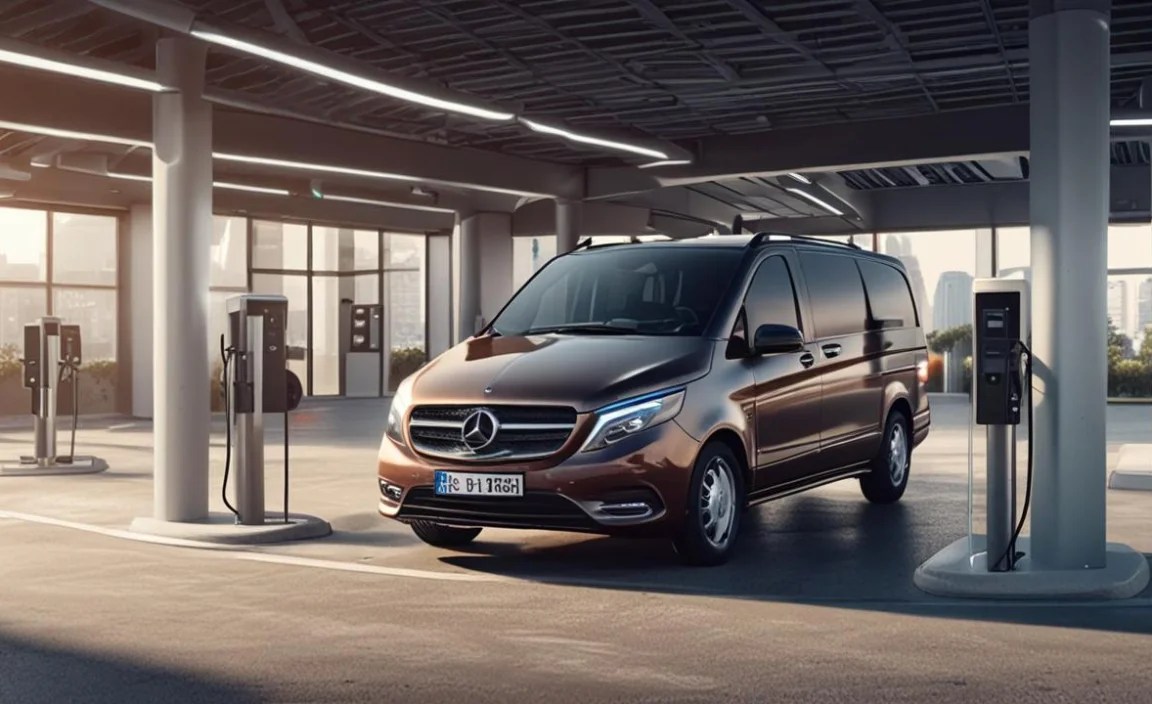
Beyond just plugging in, there are smart ways to get the most out of your charging experience.
Charge Schedule Optimization: If your Vito and wallbox support it, schedule charging for off-peak electricity hours. This can significantly lower your electricity bills. Many utility companies offer special EV charging rates. Check with your local provider for options.
Battery Health: Avoid charging to 100% capacity every single time, especially with DC fast charging. For daily use, charging to 80% can help prolong battery health. Most EVs allow you to set a charging limit.
Preconditioning: If your Vito (especially an EQV) offers battery preconditioning, use it before driving. This warms or cools the battery to its optimal operating temperature, improving both performance and charging speed. This feature is often activated when using navigation to a charging station.
Understand Your Vito’s Onboard Charger: Each electric vehicle has an onboard charger that converts AC power from the grid to DC power for the battery. The maximum AC charging speed your Vito can accept is determined by this onboard charger. For example, the Mercedes-Benz EQV typically features an onboard charger capable of up to 11 kW or 22 kW AC charging, meaning an 11 kW wallbox will allow your Vito to charge at its maximum AC speed.
The Future of Mercedes Vito Charging

Mercedes-Benz is heavily invested in the future of electric mobility and charging solutions. This includes developing proprietary charging technologies and expanding access to charging networks.
Mercedes me Charge: This service provides access to one of the world’s largest charging networks, simplifying public charging with a single account. It integrates with your vehicle’s navigation system, making it easier to find and use chargers on the go.
Increased Charging Speeds: As battery technology and charging infrastructure evolve, expect even faster charging times for future Mercedes-Benz vans.
* Smart Grid Integration: Future charging solutions will likely involve smarter integration with the power grid, allowing vehicles to help stabilize electricity supply and potentially earn revenue for owners. More information on EV charging standards can be found on resources like the U.S. Department of Energy’s Alternative Fuels Data Center.
Frequently Asked Questions About Mercedes Vito Charging Stations
Q1: What is the fastest way to charge a Mercedes Vito?
The fastest way to charge a Mercedes Vito (specifically the all-electric EQV or plug-in hybrid variants) is using a DC fast charger. These stations can deliver significantly higher power than AC wallboxes, reducing charging times considerably. Always check your Vito’s maximum DC charging rate to know what speed to look for.
Q2: Do I need a special outlet to charge my Mercedes Vito at home?
While you can use a standard domestic socket for very slow charging, it is highly recommended to install a dedicated home wallbox (Level 2 AC charger). This provides much faster and safer charging. A qualified electrician should install the wallbox and ensure your home’s electrical system is adequate.
Q3: How long does it take to charge a Mercedes Vito?
Charging time varies greatly. Using a standard domestic socket (2-3 kW) can take over 24 hours for a full charge of an EQV. A 7.4 kW home wallbox can charge an EQV in about 10-12 hours, while an 11 kW wallbox reduces this to around 7-9 hours. DC fast chargers can often add significant range in as little as 20-40 minutes.
Q4: Are Mercedes Vito charging stations compatible with other electric vehicles?
Home wallboxes are generally compatible with any electric vehicle that uses the same charging standard (e.g., Type 2 connector for AC charging). Public charging stations, particularly those with CCS connectors, are also widely compatible with most EVs, including Mercedes-Benz models.
Q5: What is the Mercedes me Charge service?
Mercedes me Charge is a service that offers Mercedes-Benz EV and plug-in hybrid owners access to a vast public charging network through a single contract and app. It simplifies finding, using, and paying for charging sessions across various providers.
Q6: How much does a Mercedes Vito charging station cost?
The cost for a home wallbox typically ranges from €500 to €1500, plus installation fees which can add another €300 to €1000 depending on your home’s electrical setup. Public charging costs vary by network and location, often charged per kilowatt-hour (kWh) consumed.
***
Conclusion
Powering your Mercedes Vito, whether it’s for daily commutes, business operations, or grand adventures, relies on having the right charging strategy. From the convenience of a home wallbox that ensures a full charge every morning to the rapid power boosts offered by public DC fast chargers on the open road, each solution plays a vital role. By understanding the different types of charging stations, their speeds, and associated costs, you can make informed decisions that keep your Vito ready for action.
Embracing electric mobility with your Mercedes Vito means embracing a smarter, more sustainable way to travel. With the right charging setup and a little planning, you can ensure your Vito is always powered up, allowing you to focus on enjoying the drive and all the capabilities your premium van offers. Remember to consult your Vito’s specific manual for detailed information on its charging capabilities and recommended accessories to truly unlock its ultimate power potential.


