
Mercedes SUV vs Lexus SUV: Ultimate Luxury Comparison
Mercedes SUV vs. Lexus SUV: The Ultimate Luxury Comparison for Discerning Drivers.
Choosing between a Mercedes-Benz SUV and a Lexus SUV is a common dilemma for luxury car shoppers. Both brands offer unparalleled refinement, advanced technology, and sophisticated design. This guide breaks down their key differences in performance, interior comfort, safety, and value, helping you make an informed decision to find the perfect SUV for your lifestyle.
Navigating the world of luxury SUVs can feel a bit overwhelming. You’re looking for that perfect blend of comfort, performance, and prestige. Two names often come up: Mercedes-Benz and Lexus. Both are titans in the luxury automotive space, each with a dedicated following. But when it comes to their SUV offerings, which one truly stands out for you? You might be wondering about the subtle differences in their driving experience, the feel of their interiors, or even what they offer in terms of cutting-edge technology and safety. It’s a significant purchase, and you want to get it right. Don’t worry; we’re here to help. We’ll explore each brand’s SUV strengths, making a clear comparison to guide you toward your ideal luxury vehicle.
Mercedes SUV vs. Lexus SUV: A Legacy of Excellence

For decades, Mercedes-Benz and Lexus have been synonymous with luxury, quality, and innovation. Mercedes-Benz, with its German engineering heritage, often emphasizes dynamic driving, cutting-edge tech, and a sportier feel, especially in its AMG variants. Lexus, on the other hand, a division of Toyota, is celebrated for its legendary reliability, serene cabin comfort, and a focus on meticulous craftsmanship. When comparing their SUVs, these core brand philosophies often shine through.
The Driving Experience: Performance and Handling
The way an SUV drives is paramount for many luxury buyers. This is where Mercedes-Benz and Lexus often present the most distinct differences.
Mercedes-Benz SUVs: The Thrill of the Drive
Mercedes-Benz SUVs are generally engineered to offer a more engaging driving experience. They often feature a more responsive suspension system that balances comfort with agility, allowing for confident cornering without sacrificing a smooth ride. Powertrains are typically potent, with a range of gasoline, diesel (where available), and increasingly, hybrid and electric options.
Models like the Mercedes-Benz GLE are known for their refined yet spirited performance. The steering is often precise, providing excellent feedback to the driver. For those seeking ultimate performance, the Mercedes-AMG versions of their SUVs (such as the AMG GLE 63 S) deliver exhilarating acceleration and track-inspired handling, transforming a luxury SUV into a performance machine.
Lexus SUVs: Serenity and Smoothness
Lexus SUVs, while offering ample power, tend to prioritize a smooth, quiet, and comfortable ride above all else. Their suspension systems are tuned to absorb imperfections in the road surface exceptionally well, creating a tranquil cabin environment. This makes them ideal for long-distance journeys or for drivers who value a relaxed commuting experience.
The Lexus RX, a perennial best-seller, exemplifies this approach with its refined powertrains and plush ride quality. Even in its sportier F SPORT trims, the emphasis remains on a sophisticated and composed demeanor rather than raw, hardcore performance. Lexus also offers robust hybrid powertrains across its SUV lineup, known for their efficiency and seamless operation.
Interior Craftsmanship and Technology
Step inside a Mercedes-Benz or Lexus SUV, and you’re entering a world of luxury. However, the approach to design, materials, and technology can differ.
Mercedes-Benz Interiors: Cutting-Edge and Sophisticated
Mercedes-Benz interiors are a showcase of modern automotive design and technology. They often feature a distinctive dual-screen setup, with one screen for the digital instrument cluster and another for infotainment and vehicle controls, running the intuitive MBUX (Mercedes-Benz User Experience) system. The infotainment system is known for its advanced features, including natural voice control, augmented reality navigation, and seamless smartphone integration.
Material quality is exceptional, with fine Nappa leather, real wood trims, and polished metal accents. Ambient lighting is a signature feature, allowing for extensive customization to set the mood. The ergonomics are generally excellent, though the sheer number of features can sometimes feel a bit overwhelming for newcomers.
Lexus Interiors: Timeless Elegance and User-Friendliness
Lexus cabins are sanctuaries designed for ultimate comfort and ease of use. They exude a timeless elegance with a focus on high-quality, soft-touch materials, meticulous stitching, and an overall build quality that is virtually unparalleled. Lexus interiors often feel more intuitive and less reliant on complex touch interfaces, with a good balance of physical buttons and a user-friendly central touchscreen or trackpad.
While Lexus is embracing larger screens and digital interfaces, they often retain a more traditional layout compared to Mercedes-Benz. The focus is on creating a peaceful and luxurious environment, with plush seating, excellent sound insulation, and thoughtful details like the available Mark Levinson audio systems.
Safety Features and Driver Assistance
Both brands are pioneers in automotive safety, equipping their SUVs with a comprehensive suite of advanced driver-assistance systems (ADAS).
Mercedes-Benz Safety Systems: Intelligent Protection
Mercedes-Benz offers its proprietary “DRIVER PILOT” systems, which represent some of the most advanced semi-autonomous driving capabilities on the market. Features like Active Brake Assist, Active Lane Keeping Assist, and DISTRONIC PLUS® adaptive cruise control with steering assist work together to reduce driver fatigue and enhance safety. Their safety philosophy is about intelligent, proactive protection.
Mercedes’ commitment to safety is also evident in its pioneering work in crash-test engineering and the development of advanced airbag systems. The brand consistently leads in safety innovations, aiming to make every drive as secure as possible.
Lexus Safety Systems: Comprehensive and Reliable
Lexus equips all its models with the Lexus Safety System+ suite as standard. This includes Pre-Collision System with Pedestrian Detection, Dynamic Radar Cruise Control, Lane Departure Alert with Steering Assist, and Lane Tracing Assist. These systems are designed to be intuitive and helpful without being intrusive.
Lexus emphasizes reliability and ease of use in its safety features, ensuring that drivers have a comprehensive safety net without overly complicated controls. Their focus is on dependable protection that seamlessly integrates into the driving experience. External organizations like the National Highway Traffic Safety Administration (NHTSA) consistently rate vehicles from both brands highly for safety performance.
Range of SUV Models and Practicality
Both Mercedes-Benz and Lexus offer a diverse lineup of SUVs to cater to different needs and lifestyles.
Mercedes-Benz SUV Lineup: From Compact to Grand
Mercedes-Benz offers a broad spectrum of SUVs:
- GLA: A compact, stylish SUV, perfect for urban driving.
- GLB: A more spacious compact option, offering an optional third row.
- GLC: A popular mid-size SUV, balancing luxury, space, and performance.
- GLE: The brand’s best-selling mid-size SUV, offering more space and advanced features.
- GLS: A full-size, seven-seater SUV, often referred to as the “S-Class of SUVs,” for ultimate luxury and space.
- G-Class: An iconic, rugged, and luxurious off-road icon with unparalleled presence.
Mercedes often provides a sportier coupe-like variant for many of its SUV models (e.g., GLC Coupe, GLE Coupe), appealing to those who prioritize style over maximum cargo space.
Lexus SUV Lineup: Versatility and Comfort
Lexus also boasts a versatile SUV range:
- UX: A subcompact luxury crossover, focusing on efficiency and urban maneuverability.
- NX: A highly popular compact luxury crossover, offering a balance of size, comfort, and technology.
- RX: The flagship mid-size luxury SUV, known for its supreme comfort and reliability, also available as a long-wheelbase (L) version for more seating.
- GX: A more rugged, body-on-frame SUV offering impressive off-road capability, based on Toyota’s Land Cruiser platform.
- LX: Lexus’s full-size flagship SUV, providing ultimate luxury, capability, and prestige, also sharing its underpinnings with the Land Cruiser.
Lexus is also a leader in hybrid technology, offering hybrid variants for most of its SUV models, enhancing fuel efficiency without compromising performance.
Technology and Infotainment Systems
In the luxury segment, technology is king. Both brands push boundaries, but their interfaces and approaches differ.
Mercedes-Benz MBUX vs. Lexus Interface
Mercedes-Benz MBUX:
- Interface: Primarily touch-screen based, with a large, elegant display and an intuitive touchpad controller.
- Voice Control: Advanced “Hey Mercedes” natural language voice assistant that understands conversational commands.
- Features: Augmented reality navigation, predictive functions, extensive personalization options, over-the-air updates.
- Connectivity: Seamless smartphone integration (Apple CarPlay, Android Auto), Wi-Fi hotspot.
Lexus Interface:
- Interface: Increasingly featuring large touchscreens, but some models retain a touchpad controller or rotary dials for climate and audio.
- Voice Control: Improved voice command systems, though perhaps less conversational than MBUX.
- Features: Standard Apple CarPlay and Android Auto, cloud-based navigation, over-the-air updates.
- Connectivity: Robust connectivity options, focusing on integration and ease of access.
While MBUX offers a more futuristic and feature-rich experience, the Lexus system often appeals to those who prefer a more straightforward and less distracting interface. The choice here often comes down to personal preference.
Reliability and Resale Value
When investing in a luxury vehicle, long-term reliability and resale value are crucial considerations.
Lexus: The Reigning Champion?
Lexus has consistently topped reliability surveys for decades, thanks to its Toyota heritage and meticulous manufacturing standards. This stellar reputation often translates into strong resale values. Owners can generally expect fewer unscheduled repairs and a more hassle-free ownership experience over the long term.
For a deeper dive into vehicle reliability, resources like Consumer Reports provide extensive data and owner surveys on various models.
Mercedes-Benz: Improving and Competitive
While historically not always matching Lexus’s peak reliability scores, Mercedes-Benz has made significant strides in recent years. Modern Mercedes vehicles are built to high standards, and with proper maintenance, they can be very dependable. Resale values are generally strong, especially for popular models and AMG variants, though they might not always reach the same heights as Lexus.
Regular maintenance at a certified Mercedes-Benz service center or by a qualified independent mechanic is key to ensuring the longevity and performance of any Mercedes-Benz vehicle.
Pricing and Value Proposition
The initial purchase price and the overall value proposition are understandably significant factors for any buyer.
Mercedes-Benz SUVs: Premium Price for Premium Experience
Mercedes-Benz SUVs are typically positioned at the higher end of their respective segments. The pricing reflects the advanced technology, performance engineering, and the prestige associated with the brand. While the initial cost can be higher, many owners feel the sophisticated driving dynamics, luxurious interiors, and cutting-edge features justify the premium.
Consider the ongoing costs as well, such as insurance and specialized maintenance. Mercedes-Benz parts and labor can sometimes be more expensive than those for Lexus.
Lexus SUVs: Luxury with a Focus on Long-Term Value
Lexus SUVs often offer a compelling value proposition, balancing luxury with strong reliability and, typically, a slightly more accessible entry price point compared to similarly sized Mercedes-Benz models. The legendary reliability can lead to lower long-term ownership costs, and their strong resale value further enhances their financial appeal.
You get a refined, comfortable, and impeccably built vehicle that is designed to serve you well for many years.
Key Differences Summarized
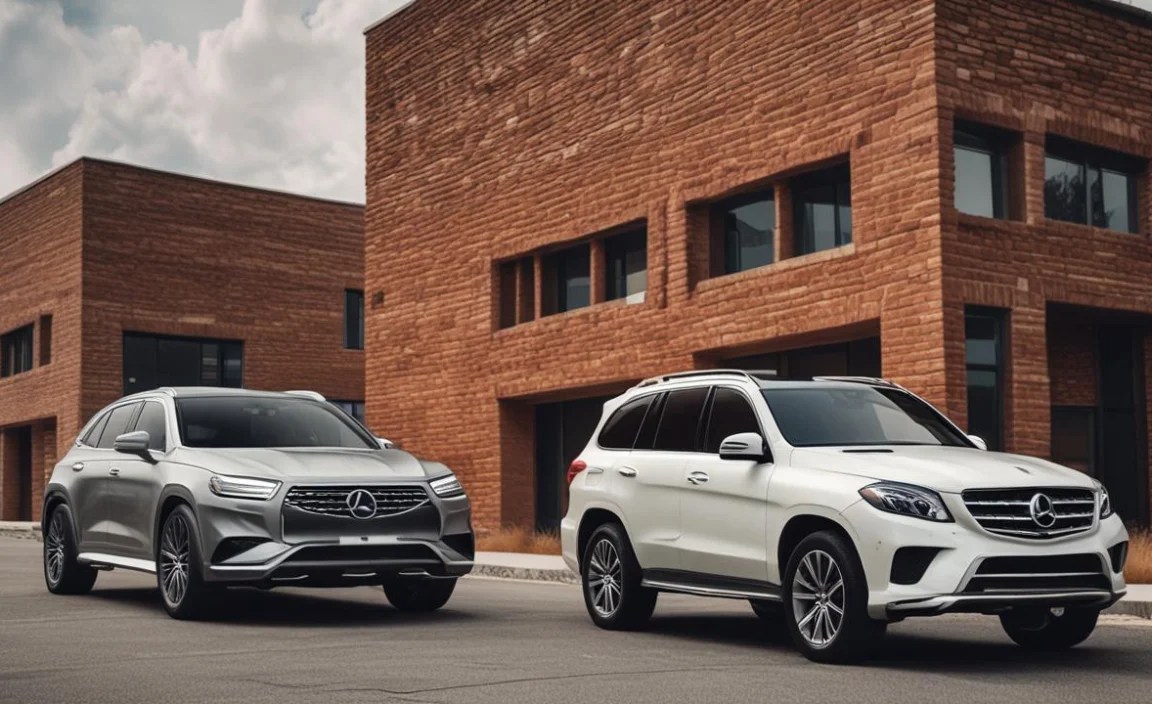
To help you quickly identify which brand might align better with your priorities, here’s a summary of their core strengths:
| Feature | Mercedes-Benz SUV | Lexus SUV |
|---|---|---|
| Driving Dynamics | More engaging, sporty, and responsive handling. Often firmer suspension. | Smoother, quieter, and more comfortable ride. Emphasis on serenity. |
| Interior Design & Tech | Cutting-edge design, advanced MBUX infotainment, extensive ambient lighting. | Timeless elegance, intuitive controls, exceptional build quality, focus on comfort. |
| Performance Options | Wide range, including powerful AMG variants for extreme performance. | Refined powertrains, strong focus on efficient hybrid options. |
| Reliability Reputation | Good, with significant recent improvements. | Exceptional, industry-leading for decades. |
| Price Point | Often at the higher end for the segment. | Competitive, with strong value for money and long-term running costs. |
| Target Audience | Drivers seeking performance, cutting-edge tech, and a sporty luxury feel. | Drivers prioritizing comfort, reliability, quietness, and smooth operation. |
Which SUV is Right for You?

The choice between a Mercedes-Benz SUV and a Lexus SUV ultimately depends on your personal preferences and priorities.
Choose a Mercedes-Benz SUV if:
- You prioritize a dynamic and engaging driving experience.
- You desire the latest in automotive technology and cutting-edge infotainment.
- You appreciate a more modern, avant-garde interior design.
- You are looking for high-performance variants (AMG).
- You seek a vehicle that offers a statement of sophisticated luxury and performance.
Choose a Lexus SUV if:
- Your top priorities are comfort, a remarkably quiet cabin, and a supremely smooth ride.
- You value legendary reliability and potentially lower long-term ownership costs.
- You prefer a more traditional, user-friendly approach to interior controls and technology.
- You are looking for highly efficient hybrid options across the range.
- You want a luxury SUV that feels built to last, with impeccable craftsmanship.
Frequently Asked Questions (FAQ)
Q1: Are Mercedes-Benz SUVs more reliable than Lexus SUVs?
Lexus has a long-standing reputation for superior reliability, often topping industry surveys. While Mercedes-Benz has significantly improved in reliability, Lexus generally maintains an edge. However, both brands offer high-quality vehicles.
Q2: Which brand offers better fuel economy in their SUVs?
Lexus often has an advantage due to its extensive range of highly efficient hybrid powertrains, integrated across many of its SUV models. Mercedes-Benz also offers hybrid and efficient engine options, but Lexus’s hybrid lineup is generally more comprehensive.
Q3: Is a Mercedes-Benz SUV more expensive to maintain than a Lexus SUV?
Generally, yes. Maintenance and repair costs for Mercedes-Benz vehicles can often be higher than for Lexus due to parts costs and specialized labor. Lexus’s strong reliability also means fewer unexpected repairs.
Q4: Which SUV brand offers more advanced technology?
Mercedes-Benz often leads in introducing the latest cutting-edge technology, particularly with its MBUX infotainment system, augmented reality features, and advanced driver-assistance systems. Lexus is also very technologically advanced but often prioritizes user-friendliness and proven systems.
Q5: Which brand provides a sportier driving experience?
Mercedes-Benz SUVs, especially those from AMG, are engineered for a sportier and more engaging driving experience with sharper handling. Lexus SUVs prioritize comfort and a smooth, serene ride, though their F SPORT models offer a more athletic feel.
Q6: What is the typical seating configuration for these luxury SUVs?
Most compact and mid-size luxury SUVs from both brands offer seating for five. Larger, full-size models like the Mercedes-Benz GLS and Lexus LX offer three rows of seating, accommodating up to seven passengers. The Mercedes-Benz GLB also offers an optional third row in a more compact package.
Conclusion
Deciding between a Mercedes-Benz SUV and a Lexus SUV is a delightful challenge—you’re choosing between two of the finest luxury automotive manufacturers in the world. Mercedes-Benz appeals if you crave exhilarating performance, the latest technological marvels, and a dynamic drive that connects you to the road. Its interiors are a testament to avant-garde design, pushing the boundaries of what a car cabin can be.
On the other hand, Lexus offers an oasis of calm. If your priority is a serene, whisper-quiet ride, unparalleled comfort, and the peace of mind that comes with legendary reliability, a Lexus SUV might be your perfect match. Their interiors are crafted with an almost obsessive attention to detail, exuding timeless elegance and long-term durability.
Both brands offer exceptional safety, sophisticated styling, and a premium ownership experience. Your final decision should be based on which set of core values resonates most with your driving needs and personal taste. We always recommend test-driving models from both manufacturers to truly feel the


