
Mercedes EQ SUV Reliability Rating: Ultimate Perfect SUV
Quick Summary: The Mercedes-Benz EQ SUV lineup generally boasts strong reliability, particularly concerning its advanced electric powertrains and robust build quality. While specific ratings vary by model and year, owners typically report fewer mechanical issues than with comparable luxury ICE vehicles, making them a reliable choice for long-term electric luxury.
Choosing a new luxury SUV involves many considerations, and for many, reliability is at the top of the list. When you think of the ultimate perfect SUV, you envision a vehicle that not only surrounds you in comfort and cutting-edge technology but also offers peace of mind on the road for years to come. This is precisely where the Mercedes-Benz EQ SUV lineup shines.
As the electric frontier of Mercedes-Benz, these SUVs are engineered with innovative powertrains and sophisticated systems. Understanding their reliability rating is key to making an informed decision. In this guide, we’ll dive deep into what makes these electric Mercedes SUVs dependable, explore common owner experiences, and provide insights to help you feel confident in your choice.
Understanding Mercedes EQ SUV Reliability

When we talk about Mercedes-Benz EQ SUV reliability, we’re looking at a few key areas: the electric powertrain, the battery, the digital systems, and the overall build quality. Mercedes-Benz invests heavily in research and development to ensure their electric vehicles are not just technologically advanced but also built to last.
Electric vehicles, by their nature, often have fewer moving parts than traditional gasoline-powered cars. This can translate to a simpler maintenance schedule and potentially fewer mechanical failures. For example, an electric motor does not require oil changes, spark plug replacements, or exhaust system repairs. The battery, while a significant component, is designed with advanced thermal management systems to prolong its lifespan and maintain performance.
Mercedes-Benz’s commitment to quality is evident in the materials used and the precision of their assembly. This attention to detail contributes significantly to long-term durability and a premium ownership experience. We will explore specific models and their particular strengths and any considerations you might want to be aware of.
Mercedes EQ SUV Model Lineup Overview
Mercedes-Benz offers several EQ SUV models, each catering to different needs and preferences. Understanding the distinctions can help you pinpoint the reliability characteristics most relevant to you.
- Mercedes-Benz EQC: Historically, the EQC was among the first all-electric SUVs from Mercedes-Benz, offering a blend of luxury and electric performance. While not available in all markets, its initial reception provided valuable insights into Mercedes-Benz’s electric SUV engineering.
- Mercedes-Benz EQE SUV: Positioned as a versatile and spacious all-electric SUV, the EQE SUV offers impressive range, a luxurious interior, and advanced technology. It is built on a dedicated electric vehicle platform, designed from the ground up for optimal electric driving.
- Mercedes-Benz EQS SUV: The flagship of the EQ SUV range, the EQS SUV represents the pinnacle of electric luxury and performance. It boasts a larger capacity, advanced features, and Mercedes-Benz’s most sophisticated electric drivetrain and battery technology.
Each model leverages Mercedes-Benz’s extensive experience in automotive engineering, adapting it to the specifics of electric propulsion and intelligent vehicle systems. This ensures a consistent level of quality and reliability across the EQ SUV family.
Factors Influencing EQ SUV Reliability Ratings

Reliability ratings aren’t just about a single number; they are an aggregate of various factors. For the Mercedes-Benz EQ SUV lineup, these include:
- Powertrain Simplicity: Electric motors are inherently simpler than internal combustion engines. Fewer parts mean less can go wrong.
- Battery Technology and Management: Mercedes-Benz employs advanced battery cooling and heating systems to optimize battery health and longevity, crucial for long-term reliability. Battery degradation is a common concern with EVs, and Mercedes’ robust thermal management aims to mitigate this.
- Software and Electronics: Modern vehicles, especially EVs, are packed with sophisticated software. Mercedes-Benz continuously refines its MBUX (Mercedes-Benz User Experience) infotainment system and other electronic controls, though occasional software glitches can occur, as with any complex digital system.
- Build Quality and Materials: Mercedes-Benz is renowned for its premium build quality. The solid construction and high-quality materials contribute to the vehicle’s durability over time.
- Charging Infrastructure and Habits: How a vehicle is charged can impact its battery’s long-term health. Consistent use of Level 2 chargers and avoiding frequent deep discharges or extreme heat exposure can help maintain battery reliability. For an overview of EV charging levels, you can refer to resources from the U.S. Department of Energy’s Alternative Fuels Data Center.
Decoding Reliability Ratings: What the Experts Say

While specific, definitive ratings from organizations like Consumer Reports or J.D. Power can take time to accumulate for newer models, early indications and owner surveys provide a good picture of Mercedes EQ SUV reliability. Generally, the consensus points towards very good reliability.
Consumer Reports often highlights that EVs, in general, tend to have fewer reported problems than traditional gasoline cars, particularly in their first few years of ownership. This trend appears to hold for luxury EVs like those in the Mercedes-Benz EQ lineup. Owners often cite the robust construction and the sophisticated, yet well-integrated, electric drivetrains as key strengths.
J.D. Power’s Initial Quality Study (IQS) and Vehicle Dependability Study (VDS) are key benchmarks. While specific EQ SUV models may not yet have years of data for VDS (which looks at long-term dependability), their performance in IQS and owner satisfaction surveys regarding technology and performance is typically strong. Early reports suggest that Mercedes-Benz’s electric models are on par with, or exceeding, the reliability expectations for luxury electric vehicles.
Common Issues and Owner Experiences (and how Mercedes addresses them)
No vehicle is entirely immune to issues, but it’s important to distinguish between minor, fixable quirks and systemic failures. For the Mercedes EQ SUV range, common areas of discussion among owners include:
-
Software Glitches: Occasionally, owners might encounter minor issues with the MBUX infotainment system, such as temporary unresponsiveness or display anomalies. These are typically resolved with software updates, often delivered over-the-air (OTA), a common feature in modern EVs.
-
Charging Port Sensitivity: Some owners have reported needing to ensure the charging cable is “fully seated” to initiate charging consistently. This is usually a minor user technique adjustment rather than a fault.
-
Initial Learning Curve: The advanced technology and regenerative braking systems can take some getting used to. This isn’t a reliability issue but an adjustment period for new EV owners.
-
Battery Health Concerns (Perception vs. Reality): While battery degradation is a natural process for all lithium-ion batteries, advanced thermal management systems in EQ SUVs are designed to minimize this. Mercedes-Benz also provides robust battery warranties, typically 8 years or 100,000 miles, offering significant peace of mind. You can learn more about battery warranties from various manufacturers on sites like FuelEconomy.gov which also covers EV battery information.
Mercedes-Benz is highly responsive to customer feedback and invests in continuous improvement. Many minor issues reported in early production runs are often ironed out through subsequent software updates and running production changes.
Reliability by EQ SUV Model
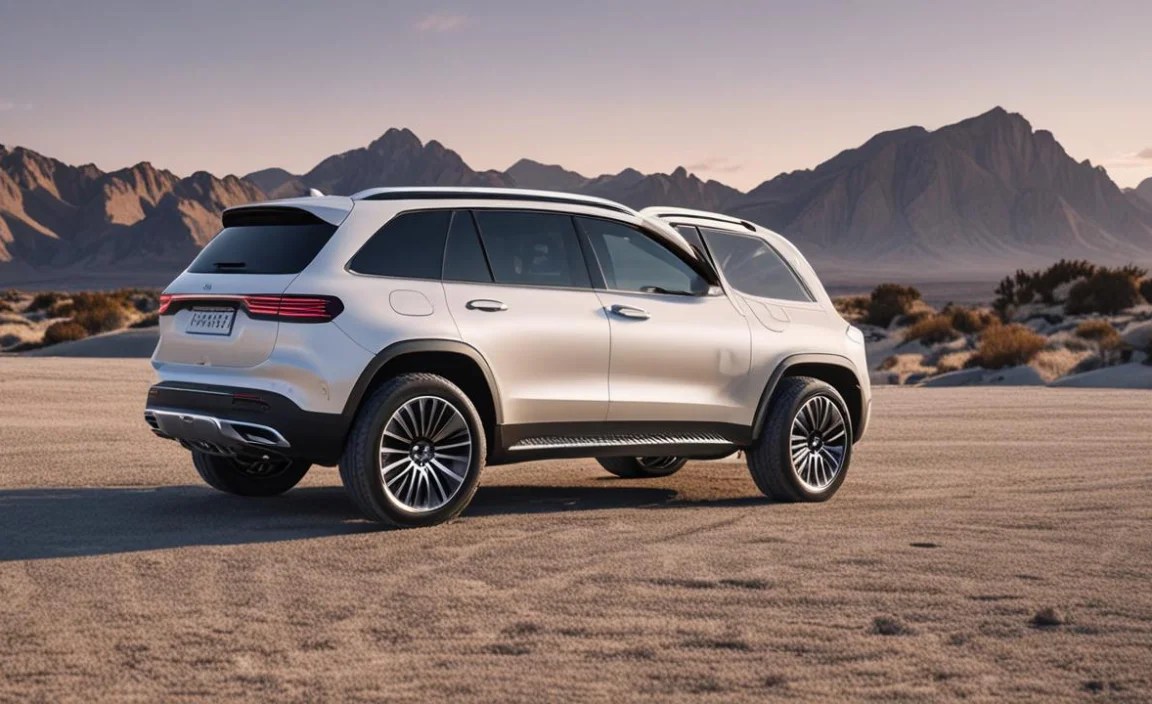
Let’s break down the expected reliability for the key Mercedes EQ SUV models:
Mercedes-Benz EQE SUV Reliability
The EQE SUV, being built on a dedicated EV platform, benefits from a clean-sheet design for its electric architecture. This platform is engineered for efficiency, performance, and durability.
- Powertrain: The dual-motor all-wheel-drive system is robust. Electric motors are known for their longevity.
- Battery: Equipped with Mercedes-Benz’s latest battery technology and thermal management, the battery is expected to offer excellent longevity and minimal degradation under normal use.
- Software: The MBUX Hyperscreen or standard MBUX systems are a central feature. While generally well-implemented, as with any advanced infotainment, occasional software updates are expected to enhance performance and add features.
- Build Quality: Typical Mercedes-Benz standards apply – a solid, well-insulated cabin with high-quality materials.
Owner reports for the EQE SUV tend to be very positive, with praise for its quiet operation and sophisticated feel, often accompanied by few reported issues.
Mercedes-Benz EQS SUV Reliability
As the pinnacle of electric luxury SUVs, the EQS SUV incorporates the most advanced technology and engineering from Mercedes-Benz.
- Powertrain: Shares the robust electric drive units with the EQE SUV but often in more powerful configurations. The drive units are highly reliable.
- Battery: Features a large-capacity battery with sophisticated thermal management. This is designed for maximum efficiency and longevity, even in demanding conditions.
- Advanced Features: The EQS SUV comes packed with more advanced driver-assistance systems and comfort features. While these add immense value, they also introduce more electronic complexity. However, Mercedes-Benz’s extensive testing and integration processes generally ensure high reliability.
- Ride and Handling: The AIRMATIC air suspension and optional rear-axle steering contribute to a refined experience. These systems are engineered for durability.
Given its flagship status, the EQS SUV undergoes rigorous testing. Owners generally report an extremely refined and problem-free experience, consistent with its luxury positioning.
Comparing EQ SUV Reliability to ICE Mercedes-Benz SUVs

Reliability comparisons between electric and internal combustion engine (ICE) vehicles are becoming more frequent. Here’s a general outlook:
Fewer Mechanical Issues: EVs like the EQ SUVs have significantly fewer mechanical parts that require maintenance or are prone to failure compared to their gasoline counterparts. No engine oil, transmission fluid, exhaust systems, or complex fuel delivery components means a simplified maintenance profile.
Battery Longevity: This is often the biggest question for EV buyers. While batteries do degrade over time, modern EV battery packs, especially those with advanced thermal management like Mercedes-Benz employs, are proving to be very durable. Manufacturers offer long warranties to back this up. In many cases, the battery is more likely to outlast other major components of a traditional car.
Software is Key: The primary area where EQ SUVs might encounter issues, similar to any modern luxury ICE vehicle, is in their advanced electronic and software systems. However, Mercedes-Benz’s long-standing expertise in integrating complex digital systems means these are generally robust. Ongoing OTA updates also improve and fix these systems over time.
Long-Term Cost of Ownership: Reduced maintenance costs (no oil changes, fewer brake replacements due to regenerative braking) and potentially lower fuel costs (electricity vs. gasoline) can make the total cost of ownership for an EQ SUV very competitive, even if the initial purchase price is higher. This adds to the “reliability” in terms of financial predictability.
Here’s a simplified comparison:
| Aspect | Mercedes EQ SUV (Electric) | Mercedes ICE SUV (e.g., GLE, GLC) |
|---|---|---|
| Engine Complexity | Very Low (Electric Motors) | High (Internal Combustion Engine) |
| Major Maintenance Items | Battery health monitoring, Software updates | Oil changes, Spark plugs, Exhaust, Transmission fluid, Emissions systems |
| Potential for Leaks | Very Low | Higher (Oil, coolant, fuel) |
| Brake Wear | Lower (due to regenerative braking) | Standard |
| Software/Electronics Issues | Possible, prone to OTA updates | Possible, less frequent OTA updates |
| Battery Warranty | Typically 8 years / 100,000 miles | Not applicable |
Tips for Maximizing Your EQ SUV’s Reliability
To ensure your Mercedes-Benz EQ SUV remains a perfect, reliable companion for years, consider these best practices:
- Follow the Maintenance Schedule: While less frequent than ICE vehicles, Mercedes-Benz still outlines a maintenance schedule for EQ models. This typically includes inspections of brakes, suspension, tires, and cabin air filters. Always adhere to the manufacturer’s recommendations.
- Utilize Over-the-Air (OTA) Updates: Many software improvements and bug fixes are delivered via OTA updates. Ensure your vehicle is connected to Wi-Fi or has a strong cellular connection to receive these promptly.
-
Smart Charging Habits:
- Avoid Constant Fast Charging: While convenient, frequent use of DC fast chargers can generate more heat and potentially accelerate battery degradation over the very long term. Use home charging (Level 2) as your primary method whenever possible.
- Charge in Moderate Temperatures: If possible, avoid charging your EV in extreme heat or cold without the battery preconditioning or thermal management system engaged effectively.
- Don’t Regularly Drain to 0% or Charge to 100%: Most manufacturers recommend keeping the battery charge level between 20% and 80% for daily use to maximize battery longevity. The car’s software often makes this easy to manage with charge limits.
- Regular Inspections: Even with fewer mechanical parts, it’s wise to have your vehicle inspected periodically by a qualified Mercedes-Benz technician to catch any potential issues early. Tire wear, suspension components, and charging port integrity are good to check.
- Keep Software Updated: Just like your smartphone, your car’s software needs to be current. Updates often improve performance, efficiency, and address any known bugs.
- Drive Smoothly: While regenerative braking helps, excessively aggressive acceleration and braking can still put more strain on the drivetrain and tires. A smooth driving style not only enhances comfort but can also contribute to component longevity.
Frequently Asked Questions (FAQ) about Mercedes EQ SUV Reliability
Q1: Are Mercedes EQ SUVs reliable for daily driving?
Yes, Mercedes EQ SUVs are designed for excellent daily reliability. Their electric powertrains are inherently durable, and Mercedes-Benz’s advanced engineering ensures robust performance for everyday use.
Q2: What is the typical lifespan of a Mercedes EQ SUV battery?
Mercedes-Benz provides a battery warranty typically for 8 years or 100,000 miles, signifying their confidence in the battery’s longevity. With proper care and charging habits, the battery can last well beyond this period, though some gradual degradation is natural.
Q3: Do Mercedes EQ SUVs require a lot of maintenance?
No, compared to traditional gasoline SUVs, Mercedes EQ SUVs require significantly less maintenance. They do not need oil changes, spark plug replacements, or exhaust system servicing. Regular inspections and software updates are the primary maintenance needs.
Q4: Can I expect fewer mechanical problems with an EQ SUV compared to a gasoline Mercedes SUV?
Generally, yes. The electric powertrain has far fewer moving parts than an internal combustion engine, reducing the potential for mechanical failures. Software-related issues are the most common, but often addressed with updates.
Q5: What happens if the battery in my EQ SUV needs to be replaced outside of warranty?
Battery replacement outside of warranty can be a significant expense, as with any EV. However, significant advancements in battery recycling and refurbishment are making replacements more accessible. Mercedes-Benz also offers extended battery service plans for added security.
Q6: How does the reliability of Mercedes EQ SUVs compare to other luxury electric SUVs?
Mercedes EQ SUVs generally rank very well against other luxury electric SUVs. They benefit from Mercedes-Benz’s long history of building high-quality, durable vehicles and their substantial investment in EV technology and quality control.
Conclusion: An Ultimate Perfect SUV for the Electric Age
When seeking the ultimate perfect SUV that combines luxury, innovation, and dependable performance, the Mercedes-Benz EQSUV lineup stands out as a compelling choice. The “Mercedes EQ SUV reliability rating” is not merely a score but a reflection of meticulous engineering, advanced powertrain design, and a commitment to premium quality that defines the Mercedes-Benz brand.
With fewer mechanical components than their gasoline counterparts, robust battery technology supported by sophisticated thermal management, and a continuous stream of software improvements via over-the-air updates, these electric SUVs are built for the long haul. While minor electronic quirks can occur, they are typically minor and resolvable, far outweighed by the dependable driving experience they offer.
By following smart charging practices and adhering to the recommended maintenance schedule, owners can maximize the longevity and performance of their EQ SUV. The investment in a Mercedes-Benz EQ SUV is an investment in a future where luxury driving is also synonymous with exceptional reliability and reduced environmental impact. For those looking for a sophisticated, capable, and remarkably dependable luxury SUV, the electric Mercedes-Benz EQ range truly delivers.


