
Mercedes GLK Eco Mode: Effortless Luxury
Mercedes GLK Eco Mode puts fuel efficiency at your fingertips, seamlessly blending luxury with smarter driving. This feature optimizes engine and transmission settings for reduced fuel consumption without sacrificing the premium Mercedes-Benz experience, making every drive more economical and enjoyable.
Driving a Mercedes-Benz GLK is an experience in refined luxury. But what if you could enhance that experience by making it more economical without compromising on comfort or the signature Mercedes-Benz feel? Many GLK owners discover a hidden gem within their vehicle’s systems: the Eco mode. Often misunderstood or overlooked, this intelligent feature is your key to unlocking better fuel efficiency, especially on those longer commutes or leisurely drives. If you’ve ever wondered how to get more miles out of every gallon, or if your GLK even has this capability, you’re in the right place. We’ll break down exactly what the GLK Eco mode is, how it works, and how you can effortlessly engage it to enjoy a more sustainable and cost-effective luxury drive. Let’s dive into how this simple button can transform your daily journeys.
Understanding Mercedes GLK Eco Mode

The Mercedes-Benz GLK, a compact luxury SUV known for its robust build and distinctive styling, offers drivers the convenience of an “Eco” driving mode. This feature is designed with one primary goal: to optimize your vehicle’s performance for maximum fuel economy. It’s not about transforming your GLK into a sports car; instead, it subtly adjusts various vehicle parameters to encourage a more efficient driving style and reduce overall fuel consumption. Think of it as an intelligent co-pilot, gently guiding your GLK towards better MPG without you having to consciously change your driving habits drastically.
How Does Eco Mode Work in the GLK?

When you activate Eco mode in your Mercedes-Benz GLK, several integrated systems begin to work in harmony to achieve better fuel efficiency. Mercedes-Benz engineers have meticulously calibrated these settings to offer maximum benefit with minimal noticeable impact on the driving experience, preserving the comfort and luxury you expect. The key adjustments typically involve:
- Throttle Response: The accelerator pedal becomes less sensitive. This means you need to press it further to achieve the same acceleration as in other modes. This encourages smoother, more gradual acceleration, which is a cornerstone of fuel-efficient driving.
- Transmission Shift Points: The automatic transmission will hold gears longer before shifting up. This keeps the engine RPMs lower, where they are more efficient, reducing fuel use. It might also shift up sooner when you ease off the accelerator.
- Climate Control System: The air conditioning compressor might engage less frequently or run at a lower intensity. This reduces the electrical load on the engine, saving precious fuel. Some systems may also adjust fan speeds or recirculation modes.
- Engine Management: The engine control unit (ECU) might make minor adjustments to fuel injection timing and ignition timing to optimize combustion for efficiency rather than maximum power.
- Optional: ECO Start/Stop Function: If your GLK is equipped with the ECO Start/Stop system, Eco mode often encourages its activation. This system automatically shuts off the engine when the vehicle comes to a complete stop (e.g., at traffic lights) and restarts it instantly when you lift your foot off the brake or press the accelerator.
These combined adjustments create a driving profile that prioritizes fuel conservation. The goal is to help you save money at the pump and reduce your environmental footprint, making your GLK ownership even more rewarding.
Identifying Eco Mode on Your GLK

Locating and activating Eco mode on your Mercedes-Benz GLK is typically straightforward, designed for ease of use without diverting your attention from the road. While the exact placement might vary slightly depending on the specific model year and trim of your GLK, the principle remains consistent. You’ll usually find the button or switch integrated into the center console, often near other driving mode selectors or climate control functions. Look for a button clearly labeled with the word “ECO” or an icon resembling an “E” within a green circle.
Once you’ve located the button, activating Eco mode is as simple as pressing it. You’ll usually receive visual confirmation that the mode has been engaged. This could be a dedicated indicator light on the button itself, or a message displayed on the instrument cluster or infotainment screen. The instrument cluster is a common place to find information about your current driving mode, often showing “ECO” illuminated in a specific color, usually green, to signify its active status.
Activating and Deactivating Mercedes GLK Eco Mode: A Step-by-Step Guide

Engaging or disengaging Eco mode in your Mercedes-Benz GLK is a simple process that can be done at any time while driving or stationary. This flexibility allows you to adapt your vehicle’s behavior to your driving conditions and personal preferences. Here’s how to do it:
How to Turn ON Eco Mode

- Locate the ECO Button: Scan your GLK’s center console. The button is typically labeled “ECO” and might be accompanied by a green indicator light. It’s often found in a cluster of buttons related to driving dynamics or climate control.
- Press the ECO Button: With the engine running, simply press the “ECO” button once.
- Confirm Activation: Look for visual confirmation. An indicator light on the button might illuminate, or a message such as “ECO” or “Driving Mode: ECO” will appear on your instrument cluster display or the central infotainment screen. The color green is commonly used to signify Eco mode is active.
How to Turn OFF Eco Mode

- Locate the ECO Button: Find the same “ECO” button you used to activate the mode.
- Press the ECO Button Again: A single press of the “ECO” button will usually toggle the mode off.
- Confirm Deactivation: The indicator light on the button should turn off, or the “ECO” indicator on your instrument cluster will disappear. Your GLK will revert to its default or previously selected driving mode (e.g., “Comfort” or “Sport” if applicable to your model).
It’s worth noting that some GLK models might have different driving mode selectors. For instance, rather than a dedicated “ECO” button, you might have a button labeled “DSR” (Dynamic Select Drive) or similar, which allows you to cycle through various modes like Comfort, Sport, and Eco by pressing it repeatedly. Always consult your GLK’s owner’s manual for the most precise instructions specific to your vehicle’s year and configuration.
Benefits of Using GLK Eco Mode

Embracing Eco mode in your Mercedes-Benz GLK brings a host of advantages that extend beyond just saving a few dollars at the pump. It’s about a smarter, more mindful approach to driving, enhancing your overall ownership experience.
Fuel Efficiency Improvements
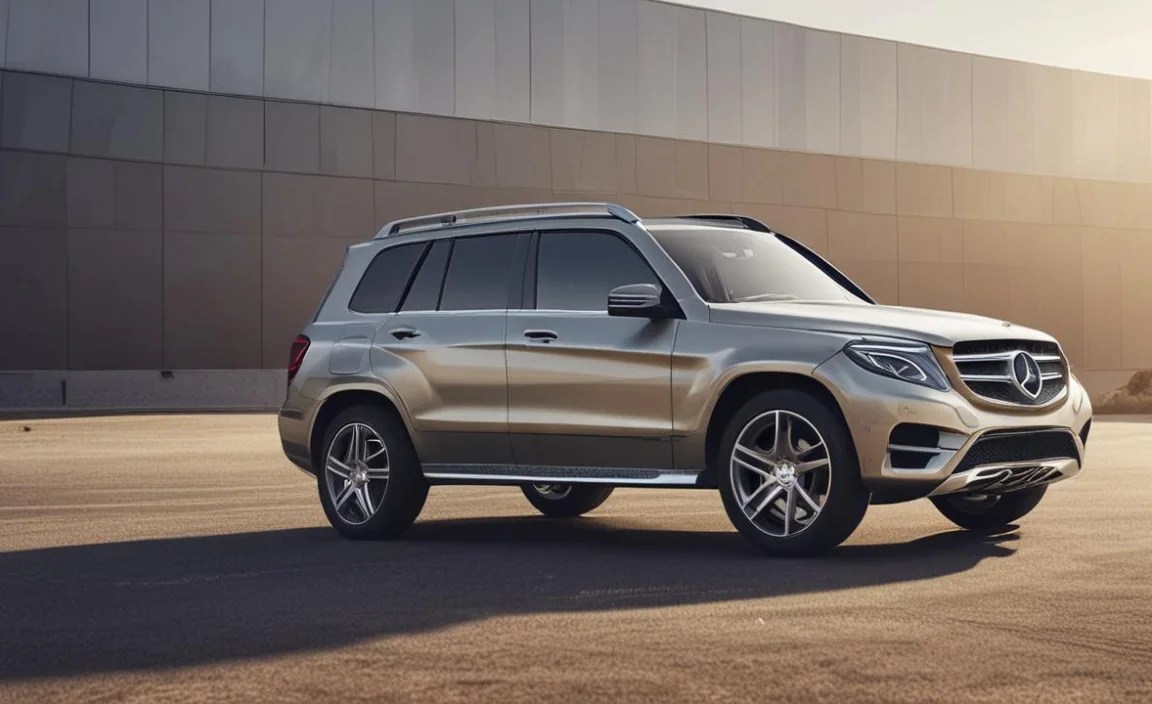
The most direct and palpable benefit of using Eco mode is its positive impact on fuel consumption. By recalibrating the throttle, transmission, and auxiliary systems, the GLK is encouraged to burn less fuel. While the exact percentage of improvement can vary based on your driving style, road conditions, and the specific GLK model, drivers often report noticeable gains. For those who frequently drive in city traffic or on long highway stretches, these savings can add up significantly over time, making your luxury SUV more economical to operate.
Reduced Emissions
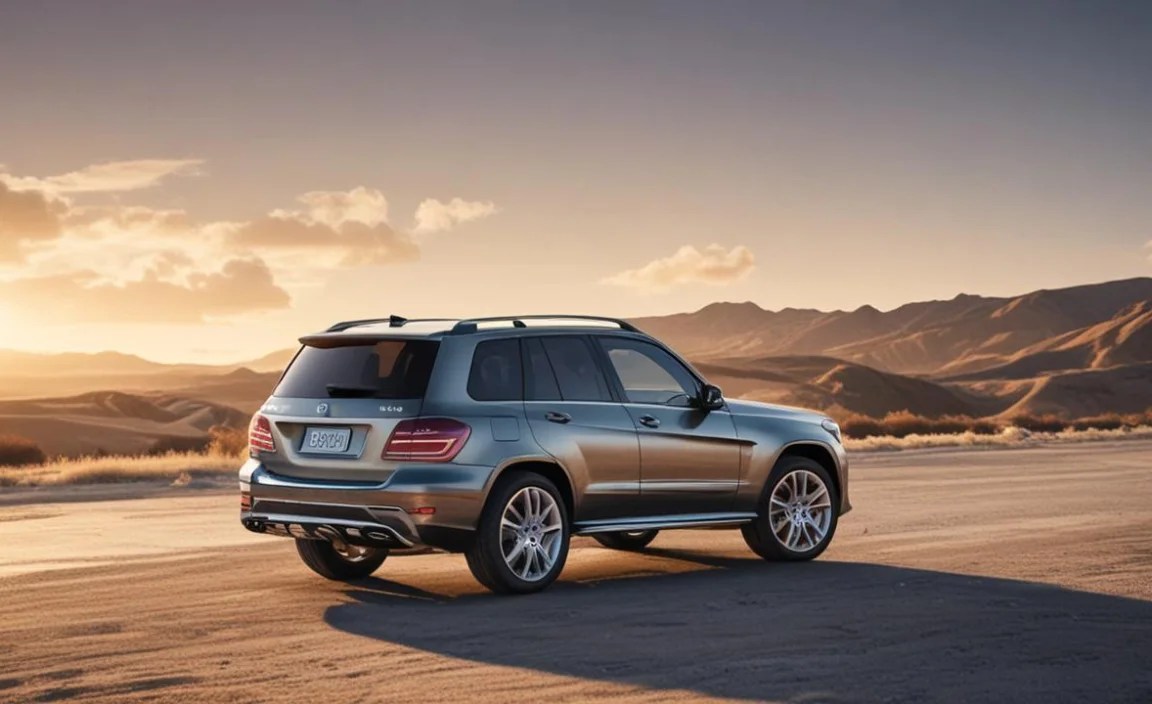
Lower fuel consumption directly translates to reduced emissions. By burning less fuel, your GLK produces fewer greenhouse gases and other pollutants. This not only benefits the environment by contributing to cleaner air but also aligns with the growing global emphasis on sustainable transportation. Driving in Eco mode is a small but impactful way to make your luxury vehicle ownership more environmentally conscious.
Smoother Driving Experience
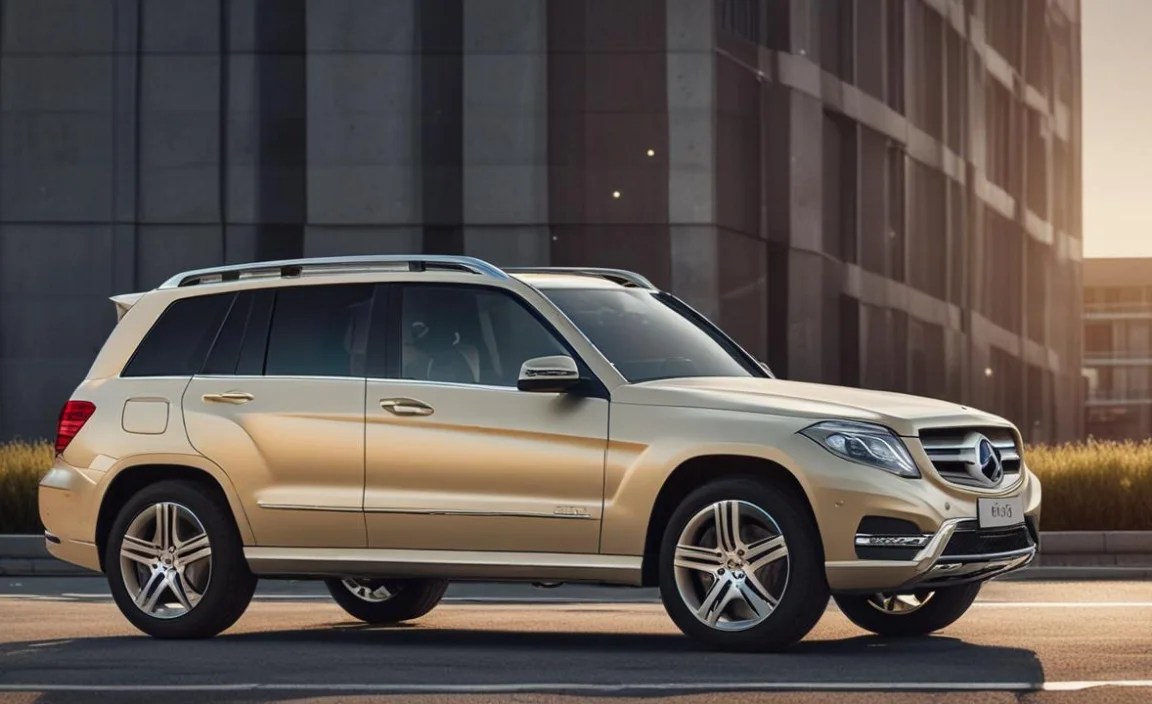
While some drivers might initially find the adjusted throttle response a bit less immediate, many come to appreciate the smoother, more controlled acceleration that Eco mode promotes. This can lead to a more relaxed and less hurried driving experience, particularly in stop-and-go traffic or when navigating crowded streets. The gentler engagement of power can make for a more comfortable ride for both the driver and passengers.
Extended Range
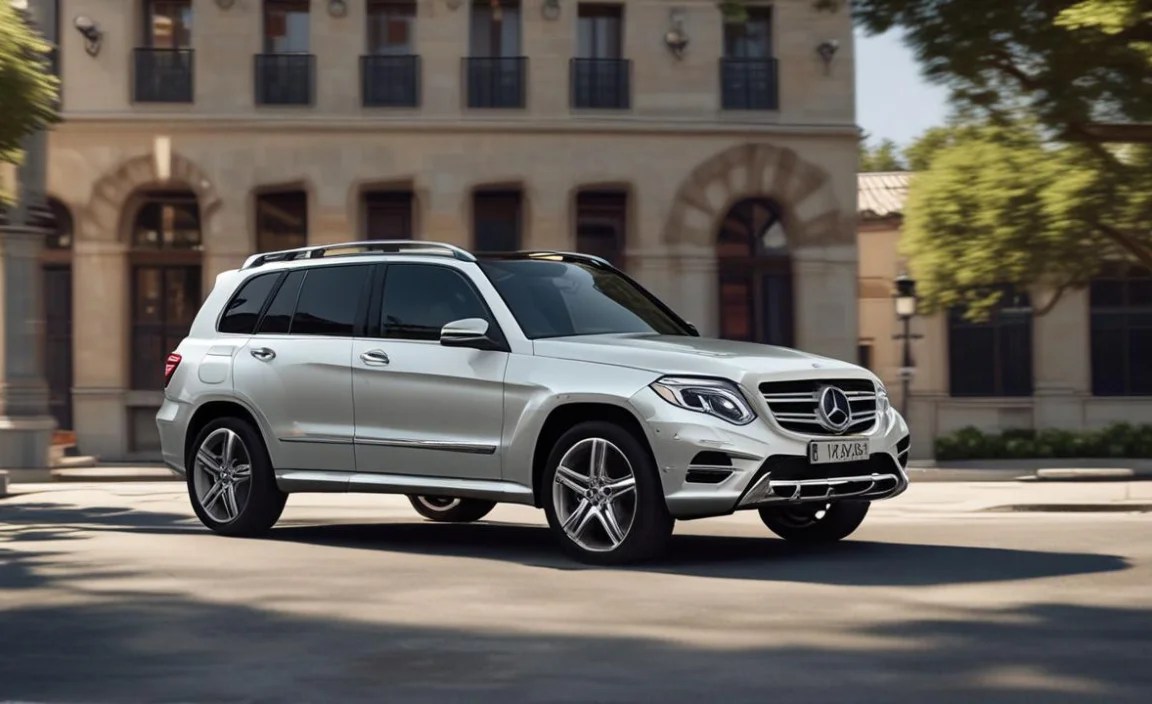
With improved fuel efficiency comes an extended driving range. This means you can travel further on a single tank of fuel, which is particularly beneficial for long road trips or when fuel availability might be a concern. It provides a greater sense of freedom and reduces the frequency of refueling stops, allowing you to enjoy your journeys with fewer interruptions.
Potentially Longer Lifespan for Certain Components

By reducing strain on the engine and transmission through less aggressive acceleration and optimized shifting, Eco mode may contribute to reducing wear and tear on these critical components over the long term. While not a primary design feature, the inherent gentle nature of Eco mode driving could subtly extend the life of certain powertrain elements.
When to Use Eco Mode (And When Not To)

The beauty of Eco mode is its versatility, but like any driving setting, it’s not always the optimal choice for every situation. Understanding when to engage it will help you maximize its benefits and avoid any potential drawbacks.
Best Scenarios for Eco Mode

- Daily Commutes: For routine trips to work or school, especially those involving a mix of city and highway driving, Eco mode is ideal. It helps offset the fuel costs associated with regular travel.
- Highway Cruising: On long, steady highway drives, Eco mode can maximize your fuel economy and extend your range, making for more efficient and less frequent refueling stops.
- City Driving with Light Traffic: In urban environments where smooth, consistent speeds are possible, Eco mode works effectively.
- Fuel Conservation is a Priority: If you’re aiming to save money on fuel or simply reduce your consumption for environmental reasons, Eco mode should be your default setting.
- Comfort-Oriented Driving: If you prefer a more relaxed, less aggressive driving feel, the smoother acceleration of Eco mode can enhance your comfort.
Scenarios Where Other Modes Might Be Better

- Demanding Acceleration Required: When you need to quickly merge into fast-moving traffic, overtake another vehicle, or climb a steep incline, the reduced throttle responsiveness of Eco mode can be insufficient. In these situations, switching to “Sport” or the default “Comfort” mode provides more immediate power.
- Sporty Driving Experience: If you enjoy the dynamic performance and responsive feel of your GLK, Eco mode will deliberately dampen those characteristics. For spirited driving, other modes are more appropriate.
- Towing or Heavy Loads: When carrying heavy cargo or towing a trailer, you’ll need all the available power and responsiveness of your GLK. Eco mode would hinder the vehicle’s ability to perform these tasks efficiently and safely.
- Emergency Situations: In any situation where immediate and full engine power is critical for safety, such as a sudden evasive maneuver, Eco mode is not recommended.
- Driving in Slippery Conditions (Consideration): While not a direct function of Eco mode, the smoother throttle application can be beneficial in light slippery conditions. However, if you need very precise, sensitive throttle control for delicate maneuvering on ice or snow, you might prefer a mode that offers more direct feedback or utilize manual transmission control if available. Always prioritize appropriate tires and safe driving practices in such conditions.
Ultimately, the best approach is to experiment with Eco mode in various driving conditions and see how it feels. Your Mercedes-Benz GLK is designed to offer flexibility, allowing you to choose the driving mode that best suits your needs at any given moment.
Eco Mode vs. Other Driving Modes (Comfort, Sport)

Mercedes-Benz vehicles, including many GLK models, often offer selectable driving modes beyond just Eco. The most common alternatives are Comfort and Sport. Understanding the differences between these modes is key to selecting the right one for your driving needs and preferences.
| Feature | Eco Mode | Comfort Mode (Default) | Sport Mode |
|---|---|---|---|
| Primary Focus | Fuel Economy & Reduced Emissions | Balanced Performance, Comfort, and Efficiency | Performance & Responsive Handling |
| Throttle Response | Muted, less sensitive | Balanced, responsive | Sharp, highly sensitive |
| Transmission Shift Points | Earlier upshifts, lower RPMs held | Balanced, smooth shifts | Later upshifts, higher RPMs held |
| Steering Feel | Often lighter | Balanced | Often firmer, more direct |
| Climate Control | May reduce AC compressor load | Full functionality | Full functionality, potentially prioritizing rapid cooling/heating |
| Suspension (if applicable) | Typically remains unchanged or slightly softer | Designed for smooth ride | Often firmer, reduced body roll |
| Driving Feel | Relaxed, economical | Refined, smooth | Engaging, dynamic |
| Fuel Efficiency Impact | Highest potential savings | Good | Lowest potential savings |
The default “Comfort” mode, often selected when you start the vehicle, strikes a pleasing balance. It offers a smooth, refined ride characteristic of the Mercedes-Benz brand, with responsive acceleration and gear changes that don’t feel sluggish. It’s designed for everyday driving and provides a good all-around experience.
“Sport” mode, on the other hand, enhances the performance aspect. The engine becomes more eager, the transmission holds gears longer for more spirited acceleration, and the steering often feels more direct and weighted. This mode is for when you want to feel more connected to the road and enjoy a more dynamic driving experience, though it comes at the expense of fuel economy and can contribute to slightly more wear on certain components over time.
Eco mode is the counterpoint to Sport mode, focusing entirely on efficiency. While it sacrifices some of the immediate responsiveness and dynamic feel, it excels at reducing fuel consumption and emissions. For drivers prioritizing economy, Eco mode is the clear choice.
Maximizing Fuel Efficiency in Your Mercedes GLK

While Eco mode is a powerful tool for improving fuel efficiency, it’s just one piece of the puzzle. Adopting good driving habits and keeping your GLK in optimal condition will further enhance its mileage. Here are some additional tips:
- Smooth Acceleration and Braking: Avoid sudden bursts of acceleration and hard braking. Anticipate traffic flow and coast when possible.
- Maintain a Steady Speed: On the highway, using cruise control can help you maintain a consistent speed, which is more fuel-efficient than fluctuating speeds.
- Proper Tire Inflation: Ensure your tires are inflated to the recommended pressure as stated in your owner’s manual or on the driver’s side doorjamb sticker. Underinflated tires increase rolling resistance and decrease fuel economy. You can find more information on tire safety and maintenance from the National Highway Traffic Safety Administration (NHTSA).
- Reduce Unnecessary Weight: The heavier your vehicle, the more fuel it consumes. Remove any unnecessary items from your cargo area or cabin.
- Minimize Idling: If you’re stopped for more than a minute, it’s often more fuel-efficient to turn off the engine, especially if your GLK is equipped with the ECO Start/Stop feature.
- Plan Your Routes: Combine errands to avoid multiple cold starts, as engines are less efficient when cold. Plan routes to avoid heavily congested areas or excessive hills if possible.
- Regular Maintenance: Ensure your GLK receives its scheduled maintenance. A well-maintained engine with clean filters (air, fuel) and fresh oil will operate more efficiently. For example, a clogged air filter can restrict airflow to the engine, forcing it to work harder and consume more fuel.
- Aerodynamics: Keep windows closed at highway speeds, as open windows increase aerodynamic drag. Remove roof racks or other external accessories when not in use.
By combining the benefits of Eco mode with these conscious driving habits and maintenance practices, you can significantly improve the fuel efficiency of your Mercedes-Benz GLK, making every journey more cost-effective and enjoyable.
Frequently Asked Questions (FAQ) About Mercedes GLK Eco Mode
Q1: Does my specific Mercedes-Benz GLK model have an Eco mode?
A1: Most Mercedes-Benz GLK models from 2010 onwards are equipped with an Eco mode, often integrated with the ECO Start/Stop system. However, it’s always best to check your specific vehicle’s center console for the “ECO” button or consult your owner’s manual for confirmation.
Q2: Will using Eco mode make my GLK feel slow or sluggish?
A2: Eco mode intentionally reduces throttle responsiveness and alters shift points for better fuel economy. While it might feel less immediate than other modes, it’s designed to still provide adequate power for normal driving. If you require more rapid acceleration, simply switch to Comfort or Sport mode.
Q3: Can I leave Eco mode on all the time?
A3: Yes, you can leave Eco mode on virtually all the time if your priority is fuel efficiency. It’s designed for optimal economy in everyday driving conditions. You’ll want


