
Mercedes GLC Build Quality Analysis: Perfect Craftsmanship
Mercedes GLC Build Quality: Perfect Craftsmanship You Can Feel
The Mercedes-Benz GLC consistently earns praise for its exceptional build quality, blending luxurious materials with meticulous assembly. This analysis dives into what makes the GLC’s construction stand out, from its robust chassis to its refined interior, proving it’s a benchmark in its class for durability and a premium ownership experience.
Welcome to MercedesBlue! As a seasoned Mercedes-Benz enthusiast and automotive journalist, I understand the desire for a vehicle that isn’t just a mode of transport, but a statement of quality and engineering excellence. The Mercedes-Benz GLC is a prime example of this philosophy. Many drivers search for reassurance that their luxury SUV is built to last, with every component reflecting superior craftsmanship. Sometimes, the sheer sophistication of a Mercedes can feel a little daunting, leaving you wondering about the specifics of its construction. You’re not alone, and that’s precisely why we’re here. This guide will break down exactly what contributes to the legendary GLC build quality, making it easier than ever to appreciate the meticulous engineering under the hood and throughout the cabin. Get ready to discover the hidden details that set the GLC apart.
—
Understanding Mercedes-Benz Build Quality Philosophy

Before we dive specifically into the GLC, it’s essential to grasp the overarching principles that define Mercedes-Benz build quality. This isn’t just about throwing expensive materials together; it’s a holistic approach to engineering, design, and manufacturing that prioritizes longevity, safety, and occupant experience.
The Mercedes-Benz Seal of Excellence: More Than Just a Logo
For decades, the three-pointed star has been synonymous with automotive excellence. This reputation is built on a foundation of unwavering commitment to quality across every single model. Mercedes-Benz doesn’t just build cars; they engineer experiences. This translates into several key areas that define their approach to vehicle construction:
Precision Engineering: Every part, from the smallest bolt to the largest body panel, is designed and manufactured to exacting tolerances. This ensures a perfect fit, reducing noise, vibration, and harshness (NVH) and contributing to a sense of solidity.
Material Selection: Mercedes-Benz uses high-grade materials throughout their vehicles, not just for aesthetics but for durability and performance. This includes advanced alloys for chassis components, premium leathers and woods for interiors, and robust plastics that resist wear and tear.
Rigorous Testing: Vehicles undergo extensive and often brutal testing regimes, simulating years of real-world use in a matter of months. This covers everything from extreme temperatures and humidity to prolonged vibration and impact testing.
Advanced Manufacturing Processes: State-of-the-art factories employ sophisticated robotics and highly skilled human oversight to ensure consistent quality and precision in assembly. Spot welding, laser soldering, and advanced bonding techniques are all part of the process.
Safety First: Build quality is intrinsically linked to safety. Mercedes-Benz invests heavily in structural integrity, crumple zones, and advanced safety systems, all of which rely on impeccable construction.
This dedication to quality ensures that a Mercedes-Benz not only looks and feels luxurious from day one but also performs reliably and safely for many years.
—
Mercedes GLC: A Deep Dive into Build Quality Components

The Mercedes-Benz GLC, as a core model in the brand’s lineup, embodies this commitment to exceptional build quality. Let’s dissect the specific elements that contribute to its robust and refined construction.
Exterior Construction: Strength and Sophistication
The outward appearance of the GLC is just the beginning. Beneath the elegant lines lies a structure engineered for both resilience and a premium feel.
Chassis and Body Structure: The GLC utilizes a high-strength steel and aluminum composite structure. This intelligent use of materials provides a rigid foundation for the suspension, enhances crash safety, and contributes to a quieter ride by minimizing flex. Advanced welding techniques, such as laser soldering, are employed to create exceptionally strong and seamless joints, further enhancing structural integrity and preventing corrosion. You can learn more about the importance of automotive structural integrity from resources like NHTSA’s Automotive Safety Research.
Panel Gaps and Fitment: One of the most immediate indicators of build quality is the consistency of panel gaps. On the GLC, you’ll notice uniformly tight and straight gaps between doors, hood, trunk, and body panels. This meticulous alignment is a hallmark of precise manufacturing and speaks volumes about the factory’s attention to detail.
Paint and Finish: Mercedes-Benz uses multi-layer paint processes that not only provide a deep, lustrous finish but also offer excellent protection against corrosion and environmental damage. The durability of the paintwork on a GLC typically means it retains its shine for years with proper care.
Sealing and Weatherstripping: High-quality rubber seals around doors, windows, and the sunroof are crucial for preventing water leaks and wind noise. The GLC employs substantial, well-fitted seals designed to maintain their integrity in all weather conditions, ensuring a quiet and dry cabin.
Interior Craftsmanship: A Sanctuary of Luxury and Durability
The interior is where occupants spend most of their time, and the GLC excels in creating a luxurious, comfortable, and impressively solid environment.
Material Quality: From base models upwards, the GLC features premium materials. Soft-touch plastics are used on most surfaces, genuine wood or metal trim options are available, and the leather upholstery is supple and durable. Even touchpoints like steering wheel buttons and climate control knobs feel substantial and well-engineered.
Assembly and Fitment: Just like the exterior, interior components are fitted with remarkable precision. Buttons click satisfyingly, trim pieces are flush and secure, and there are no noticeable gaps or creaks, even on rough roads. This lack of squeaks and rattles is a testament to the rigorous assembly process and quality of the fastening systems used – often involving specialized clips and fasteners designed for longevity.
Ergonomics and Comfort: While not directly “build quality” in the engineering sense, the thoughtful ergonomic design and comfort of the seats are results of quality design and manufacturing. Seats are supportive, controls are intuitively placed, and materials used in seating surfaces and headliners are chosen for both feel and durability.
Sound Deadening: Mercedes-Benz invests heavily in sound deadening materials and techniques. The GLC features extensive insulation in the firewall, floorboards, doors, and roof to minimize road, wind, and engine noise, creating a serene cabin environment. This layered approach to acoustic management is a key differentiator.
Powertrain and Mechanicals: Engineered for Longevity
Beyond the visible aspects, the underlying mechanical components of the GLC are built to the same exacting standards.
Engine and Transmission Mounting: The engine and transmission are mounted using sophisticated, vibration-damping mounts. This ensures that the power delivery feels smooth and refined, with no unwanted harshness transmitted to the chassis. The precision of these mounts is critical for both comfort and long-term durability of surrounding components.
Suspension Components: While providing a comfortable ride, the GLC’s suspension components – control arms, bushings, and linkages – are built from robust materials designed to withstand the stresses of daily driving and various road conditions. The quality of the rubber in bushings, for example, significantly impacts ride comfort and longevity, preventing premature wear and tear.
Brake System: The braking system, crucial for safety, is engineered with high-quality calipers, rotors, and pads designed for excellent stopping power and durability. The precise fitment of these components ensures optimal performance and a consistent pedal feel.
—
Year-by-Year GLC Build Quality Trends (General Observations)

While Mercedes-Benz maintains a consistent commitment to quality, there can be subtle evolutions of design, materials, and technology across different generations and model years of the GLC.
First Generation (X253: 2016-2022)
The inaugural generation of the GLC SUV (following the GLK) marked a significant leap in both design and perceived quality.
Solid Foundation: It immediately set a high bar for its class, with a particularly well-engineered chassis that felt substantial and secure.
Interior Sophistication: The cabin impressed with its material choices and tight assembly. It was clear that Mercedes-Benz aimed to bring its S-Class interior ethos down to this more accessible segment.
Refined Ride: NVH (Noise, Vibration, and Harshness) suppression was a strong suit, contributing to a feeling of solidity and luxury.
Second Generation (X254: 2023-Present)
The latest generation GLC continues and refines the build quality standards.
Enhanced Materials: Expect even more high-quality, sustainable materials in the interior, coupled with the latest in advanced manufacturing techniques.
Technological Integration: While design is paramount, the robust integration of new technology, like larger MBUX screens and advanced driver-assistance systems, relies on equally robust underlying electronic and structural build quality.
Aerodynamic Refinements: Subtle changes to exterior design and sealing contribute to even quieter cabin experiences and improved efficiency.
It’s worth noting that specific build quality can also depend on the manufacturing plant and the year of production. However, the overarching Mercedes-Benz standards are consistently applied.
—
Comparative Analysis: GLC vs. Competitors
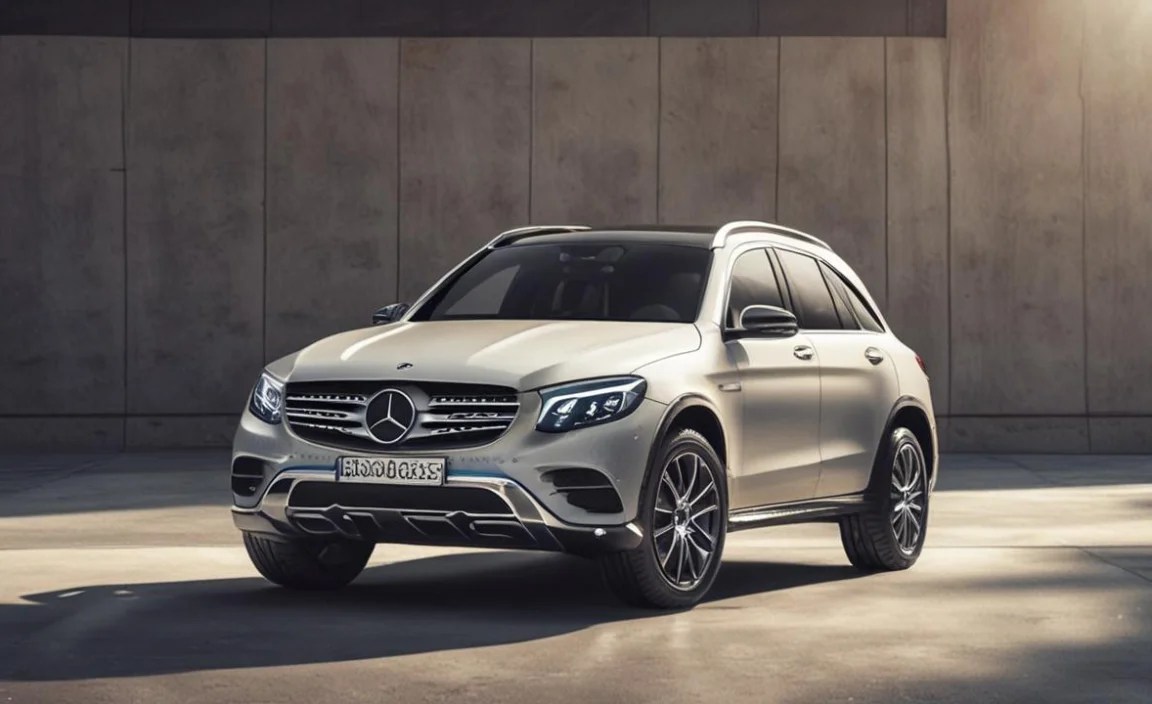
How does the Mercedes-Benz GLC stack up against its luxury SUV rivals when it comes to build quality? This is where the brand’s heritage and dedication truly shine.
Key Differentiators
When comparing the GLC to its closest competitors, such as the BMW X3, Audi Q5, and Lexus RX, the Mercedes-Benz often distinguishes itself through a few specific aspects:
Interior Ambiance & Material Tactility: While competitors offer well-built interiors, the GLC frequently leads in the sensory experience. The feel of the steering wheel, the soft-touch surfaces, the precise weighting of switches, and the overall integration of ambient lighting create a more enveloping and distinctly “Mercedes” luxury feel.
Ride Comfort & Isolation: Mercedes-Benz often prioritizes isolating the cabin from the road. The GLC typically achieves this superior isolation through more extensive sound deadening, refined suspension tuning, and a generally more robust-feeling chassis that absorbs imperfections with grace rather than jarring.
Chassis Rigidity Perception: Even for experienced drivers, the underlying chassis’s stiffness can be felt. A more rigid chassis contributes to better handling, a quieter ride, and a more durable structure that holds up better over time. The GLC often feels “tighter” and more cohesive than some rivals.
Long-Term Durability: Historically, Mercedes-Benz vehicles have a reputation for holding up well over the long haul. While consistent maintenance is key for any vehicle, the fundamental quality of the materials and assembly in a GLC is designed to endure. For example, the durability of its advanced safety systems relies on the robust nature of its structural components, a crucial aspect discussed by organizations like the Insurance Institute for Highway Safety (IIHS).
Table: Build Quality Metrics Comparison (Subjective & Objective)
| Feature | Mercedes-Benz GLC | BMW X3 (Typical) | Audi Q5 (Typical) | Lexus RX (Typical) |
| :——————- | :—————————- | :————————— | :————————— | :————————— |
| Interior Materials | Premium soft-touch, fine wood/metal trims, high-quality leather. Excellent tactile feel. | High-quality, sporty materials, but sometimes less opulent. | Precisely crafted, modern materials, strong tech integration. | Excellent fit and finish, durable materials, ergonomic focus. |
| Panel Gaps (Ext.)| Consistently tight and uniform. | Generally good, can vary by model year/plant. | Very precise, often among the best. | Excellent, known for precision. |
| NVH Isolation | Class-leading; exceptionally quiet and smooth. | Very good, but can be sportier/louder than GLC. | Excellent, balanced sportiness and comfort. | Very good, strong focus on quietness. |
| Chassis Feel | Solid, substantial, refined. | More agile and driver-focused feel. | Well-balanced, competent. | Smooth and composed. |
| Paint Quality | Deep, durable, multi-layer finish. | Very good, robust. | Excellent, lustrous finish. | High quality and durable. |
| Long-Term Wear | Known for enduring quality. | Generally good, can depend on maintenance. | Usually very good durability. | Exceptional reputation for longevity and reliability. |
Note: This table represents general observations and potential brand tendencies. Actual build quality can vary based on specific model year, trim level, optional packages, and individual vehicle inspection.
—
Examining Specific Build Quality Aspects

Let’s zoom in on areas that enthusiasts and discerning buyers often scrutinize when assessing build quality.
The “Solid Door Slam” Test
It might sound basic, but the sound and feel of a car door closing is a surprisingly good indicator of its build. A solid, reassuring thud rather than a tinny clang suggests robust construction, tightly sealed doors, and well-engineered latches. The GLC typically excels here, offering a satisfying and substantial closure that speaks of its solid build.
Interior Trim and Accents
Wood and Metal Inlays: Authentic wood veneers or brushed aluminum/metal trim pieces are not just for show. Their integration into the dashboard and doors is critical. In the GLC, these are typically fitted flush, with no sharp edges or loose gaps. The grain on wood veneers is often beautifully presented, and metal finishes are consistent.
Plastic Quality: Not all plastics are created equal. High-quality plastics used in the GLC, even on lower parts of the dashboard or door panels, have a pleasing texture, resist scratching, and don’t develop annoying creaks over time. They are often molded with intricate textures that mimic more expensive materials.
Stitching and Upholstery
Leather Quality: The leather options in the GLC are chosen for their feel, durability, and appearance. Stitched seams are typically straight, even, and secure, with no stray threads.
Fabric Upholstery: Even if you opt for fabric seats, the material is selected for its wear resistance and pleasant texture, with high-quality stitching throughout.
Button and Switch Feel
Every button, dial, and switch in a Mercedes-Benz is designed to provide precise tactile feedback.
Climate Controls: Dials for temperature and fan speed often have well-defined detents, and buttons click with a satisfying, damped action.
Steering Wheel Controls: The buttons on the steering wheel are usually quite solid, with a gentle resistance that prevents accidental presses while still being easy to operate.
Gear Selector: The shift lever or buttons for gear selection in Mercedes models are generally robust and feel precise in their operation.
—
The Role of Manufacturing in GLC Build Quality
The quality of a vehicle isn’t just about design; it’s heavily influenced by how and where it’s built. Mercedes-Benz operates a global network of state-of-the-art manufacturing facilities, each adhering to stringent quality control protocols.
Mercedes-Benz’s Global Manufacturing Standards
Standardized Processes: Regardless of the assembly plant, all Mercedes-Benz vehicles are built to the same exacting standards. This involves highly automated assembly lines utilizing advanced robotics for precision tasks like welding, painting, and component placement, complemented by skilled human inspectors and assemblers.
Quality Control Stations: At numerous points throughout the assembly process, vehicles undergo rigorous quality checks. This includes visual inspections, electronic diagnostics, and functional tests.
End-of-Line Testing: Once assembled, every vehicle is subjected to a comprehensive final inspection, which often includes dynamic testing on a track or rollers to ensure all systems are functioning perfectly.
Specific Manufacturing Technologies
Robotic Welding and Bonding: Modern Mercedes-Benz vehicles extensively use robotic welding and advanced adhesives. This creates incredibly strong, rigid body structures that are both lighter and more durable than traditional methods.
Precision Painting: The multi-stage painting process involves sophisticated robotic application to ensure uniform thickness and coverage, providing superior protection and a flawless finish.
Advanced Assembly Techniques: For interior components, specialized fastening systems and precise placement techniques ensure that trim pieces fit snugly and remain secure, minimizing the potential for rattles and squeaks.
—
Maintaining Your GLC’s Build Quality
While the GLC is built to be durable, a few simple steps can help preserve its excellent condition for years to come.
Regular Cleaning and Detailing
Exterior Washes: Frequent washing removes dirt, salt, and other contaminants that can degrade paintwork and trim. Using pH-neutral car soaps and soft wash mitts is recommended.
Interior Cleaning: Regularly vacuuming carpets and upholstery, and wiping down surfaces with appropriate interior cleaners, will prevent premature wear and maintain the premium feel.
Waxing: Applying a quality car wax or ceramic coating a couple of times a year provides an extra layer of protection for the paint against UV rays and environmental fallout.
Protecting Against Wear and Tear
Paint Protection Film (PPF): Consider applying PPF to high-impact areas like the front bumper, hood, fenders, and mirrors. This clear film acts as a sacrificial layer against stone chips and minor abrasions.
Interior Protection: Using seat covers during intense outdoor activities or applying fabric/leather protectants can help preserve the interior’s pristine condition.
Rubber and Plastic Trim Care: Use dedicated protectants for rubber seals and plastic trim to prevent them from drying out, cracking, or fading.
Following the Maintenance Schedule
Scheduled Service: Adhering to the manufacturer’s recommended service intervals is crucial. Regular oil changes, filter replacements, and checks of all fluid levels ensure the powertrain and chassis components operate as intended and wear evenly.
* Professional Inspections: Having your GLC inspected periodically by a qualified technician can catch minor issues before they become significant problems, helping to maintain its overall structural and mechanical integrity. Understanding recommended maintenance schedules can be found in your owner’s manual or on official Mercedes-Benz support sites.
—
Frequently Asked Questions (FAQs)
Q1: Is the Mercedes-Benz GLC considered a reliable vehicle in terms of its build quality?
A1: Yes, generally speaking, the Mercedes-Benz GLC is renowned for its excellent build quality and long-


