
Mercedes GLC 2026 Expected Features: Stunning Performance
The 2026 Mercedes-Benz GLC promises a significant leap in performance, showcasing enhanced powertrains, sharper handling, and advanced driver assistance, making it a compelling choice for luxury SUV enthusiasts. Prepare for a more dynamic and responsive driving experience.
The Mercedes-Benz GLC has always been a popular choice for those seeking a blend of luxury, practicality, and performance. As we look towards the 2026 model year, anticipation is high for what Mercedes-Benz has in store for this segment-defining SUV. While official details are still under wraps, industry whispers and Mercedes’ consistent innovation trajectory give us a clear picture of what to expect, particularly when it comes to its stunning performance. This guide will break down the most exciting potential upgrades and features that will make the 2026 GLC a standout.
From reimagined engine options to a more engaging driving dynamic, the upcoming GLC is set to impress. We’ll explore how Mercedes-Benz is pushing the boundaries of what a compact luxury SUV can be, focusing on the power, agility, and technological advancements that are expected to define its performance. Get ready to discover how the 2026 GLC is shaping up to be an even more thrilling and capable vehicle.
Frequently Asked Questions
When will the 2026 Mercedes-Benz GLC be released?

While Mercedes-Benz has not announced an official release date, it is typical for new model years to be introduced in the latter half of the preceding year. Therefore, expect the 2026 Mercedes-Benz GLC to potentially debut in late 2025.
What are the biggest performance upgrades expected for the 2026 GLC?

The most anticipated performance upgrades include more powerful engine options, potentially with mild-hybrid or plug-in hybrid technology, and significant enhancements to the chassis and suspension for improved handling and ride comfort. Expect a more engaging driving experience.
Will the 2026 GLC offer more fuel efficiency?

Yes, with the expected integration of advanced hybrid powertrains and more efficient combustion engines, the 2026 GLC is poised to offer improved fuel economy compared to current models. This aligns with industry trends towards electrification and sustainability.
How will the interior technology evolve in the 2026 GLC?

While our focus is performance, expect interior tech to advance significantly. This typically includes larger MBUX infotainment screens, enhanced driver assistance systems, and potentially new connectivity features. These advancements indirectly support performance through better driver awareness and control.
Will there be an AMG version of the 2026 GLC?

Given Mercedes-Benz’s history, it is highly probable that an AMG variant, such as the GLC 43 or GLC 63, will be part of the 2026 lineup, offering even higher levels of performance, aggressive styling, and superior handling.
Are there any expected changes to the exterior design?

While performance is the spotlight, expect evolutionary design changes rather than a complete overhaul. This might include updated front and rear fascias, revised lighting signatures, and new wheel designs that hint at the enhanced performance within.
—
Expected Performance Enhancements for the 2026 Mercedes-Benz GLC

The Mercedes-Benz GLC has built a reputation for balancing everyday usability with a refined driving experience. For the 2026 model year, Mercedes-Benz is expected to elevate this equation significantly, focusing on delivering “stunning performance.” This isn’t just about raw power; it’s about how that power is delivered, managed, and experienced by the driver. We’re looking at a comprehensive upgrade across the powertrain, chassis, and driving dynamics.
Powertrain Innovations: More Power, More Efficiency

One of the most significant areas of expected improvement is the GLC’s powertrain. Mercedes-Benz is increasingly committed to electrification, and the 2026 GLC will likely reflect this. This means we can anticipate updated engines that offer more horsepower and torque, while also becoming more fuel-efficient.
The current GLC lineup offers a range of efficient gasoline engines, often paired with mild-hybrid technology. For 2026, expect this trend to continue and deepen. Potential developments include:
- Enhanced Mild-Hybrid Systems: The existing 48-volt mild-hybrid system is likely to be refined, offering smoother transitions, quicker power delivery from the integrated starter-generator, and even greater opportunities for energy recuperation. This translates to a more responsive feel and improved fuel economy during everyday driving.
- Plug-in Hybrid (PHEV) Advancements: For those seeking a significant step towards electric mobility without range anxiety, the plug-in hybrid variants are expected to see substantial upgrades. This could mean larger battery packs for extended electric-only driving ranges and more powerful electric motors. Mercedes-Benz is renowned for its sophisticated PHEV architecture, and the 2026 GLC should benefit from the latest iteration.
- More Potent Base Engines: Even the entry-level models are likely to receive a power bump. This could involve revisions to the turbocharged four-cylinder engines, optimizing them for better performance and efficiency. Expect a livelier acceleration from a standstill and more assertive overtaking capability.
AMG Performance: Pushing the Boundaries

For enthusiasts who crave the ultimate driving machine, the AMG versions of the GLC are always a highlight. The 2026 model year is expected to bring even more thrilling performance to these high-octane variants.
While the specific details for AMG models are often revealed closer to launch, we can anticipate:
- Potent AMG Powertrains: Expect the AMG GLC 43 and AMG GLC 63 to feature significantly more powerful AMG-tuned engines. This might involve moving towards electrified powertrains that deliver explosive acceleration and impressive torque figures, blurring the lines between traditional internal combustion and electric performance.
- Advanced Drivetrain Technologies: AMG vehicles are known for their precision. The 2026 AMG GLC models will likely feature sophisticated all-wheel-drive systems (likely AMG Performance 4MATIC), advanced transmissions (perhaps a faster-shifting AMG SPEEDSHIFT MCT transmission), and performance-oriented suspension setups to ensure optimal grip and handling.
- Enhanced Braking and Cooling: To manage the increased power, expect larger, high-performance braking systems and more robust cooling solutions to ensure consistent performance under demanding conditions when pushing the limits on track or spirited drives.
Chassis and Handling Dynamics: A Sharper, More Refined Ride

Performance isn’t just about the engine; it’s deeply intertwined with how the vehicle handles and communicates with the driver. Mercedes-Benz places a strong emphasis on the “driving feel,” and the 2026 GLC is expected to see significant refinements in its underpinnings.
Suspension and Damping Innovations

The way a car’s suspension works directly impacts its ride comfort and its agility. For the 2026 GLC, expect advancements designed to offer the best of both worlds.
Key improvements to the suspension could include:
- Adaptive Damping Systems: The highly lauded AIRMATIC air suspension system, likely available on higher trims and standard on AMG versions, is expected to be more sophisticated. This intelligent system can adjust damping for each wheel individually, reacting to road conditions and driving style to provide a supremely comfortable ride on highways and taut, composed handling when cornering. For more information on adaptive suspension systems and how they work, consult resources from automotive engineering societies like SAE International.
- Revised Solid Axle and Multi-Link Setups: For standard models, engineers will undoubtedly have refined the coil spring suspension. Expect revisions to the geometry and bushing materials in the multi-link front and rear suspension to improve steering precision, reduce unwanted vibrations, and enhance overall stability.
- Active Roll Stabilization: Higher-end models, particularly the AMG variants, might feature active roll stabilization. This electro-mechanical system counteracts body lean during cornering, keeping the vehicle flatter and allowing for higher cornering speeds with greater driver confidence.
Direct Steering and Agile Dynamics

Steering feel is paramount for a driver’s connection to the road. The 2026 GLC should offer a more direct and communicative steering experience.
Anticipated steering enhancements include:
- More Direct Steering Ratio: Expect the power steering system to be recalibrated for a quicker, more direct steering ratio. This means less steering wheel input is needed to change direction, making the vehicle feel more agile and responsive, especially in urban environments or during spirited driving.
- Variable Power Steering: The steering assistance will likely vary with speed, offering lighter, easier steering at low speeds for parking and a firmer, more connected feel at higher speeds for stability and confidence.
- Rear-Axle Steering (Optional/Standard on AMG): This advanced technology, if offered, would significantly enhance the GLC’s agility. At lower speeds, the rear wheels would steer in the opposite direction to the front, effectively shortening the wheelbase for tighter turns and improved maneuverability. At higher speeds, they’d steer slightly in the same direction for enhanced stability.
Advanced Traction and Stability Control

Modern performance vehicles rely on sophisticated electronic aids to manage power and maintain control. The 2026 GLC will undoubtedly benefit from further evolution in these systems.
Look for:
- Performance-Tuned ESP: The Electronic Stability Program (ESP) will be meticulously tuned for the GLC’s performance characteristics. It will offer multiple modes, allowing drivers to select settings ranging from maximum intervention for safety to a more lenient mode for spirited driving, providing a wider margin for engagement without sacrificing ultimate safety.
- Advanced All-Wheel Drive (4MATIC): Mercedes-Benz’s 4MATIC all-wheel-drive system is renowned for its ability to distribute power optimally between the front and rear axles. Expect further enhancements for the 2026 model, optimizing grip and traction in various conditions, and in AMG variants, offering even more dynamic torque distribution.
- Torque Vectoring: With advanced all-wheel-drive systems, torque vectoring can actively send power to individual wheels to help steer the vehicle through corners more precisely. This technology, likely standard or optional on performance variants, significantly enhances cornering dynamics and reduces understeer.
Aerodynamic and Structural Considerations
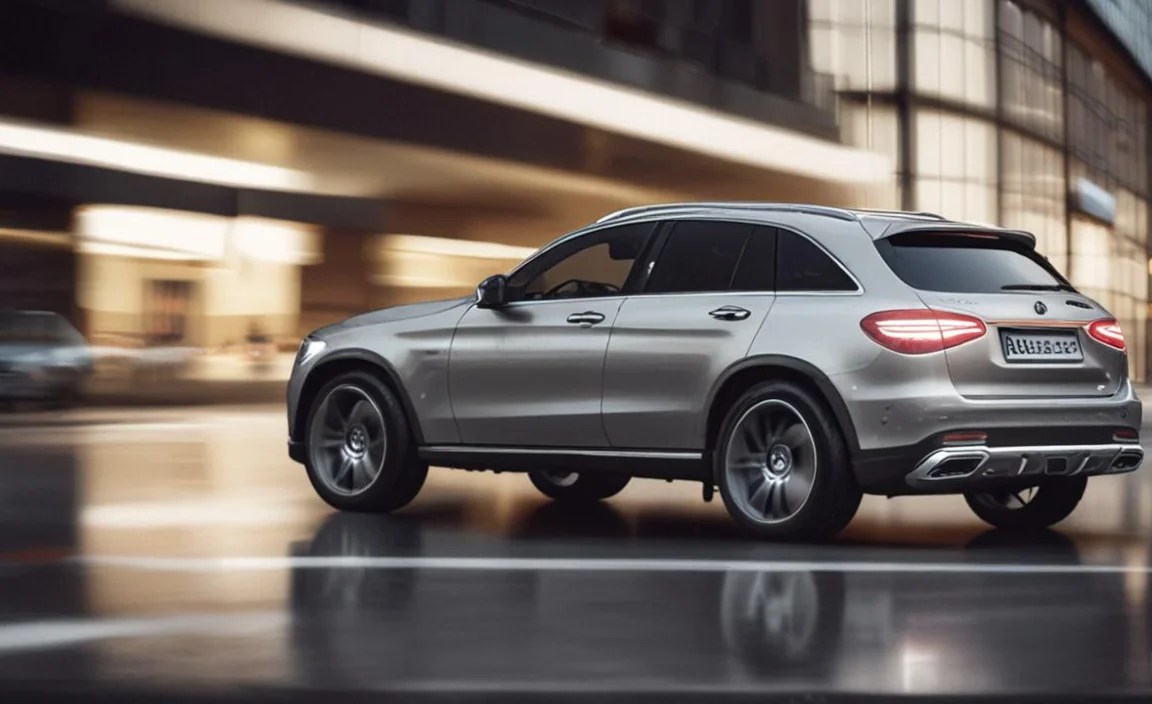
While not always the first thing people think of when considering performance, aerodynamics and structural integrity play crucial roles. Mercedes-Benz invests heavily in understanding how air flows around a vehicle and how its chassis rigidity contributes to handling.
Aerodynamic Refinements
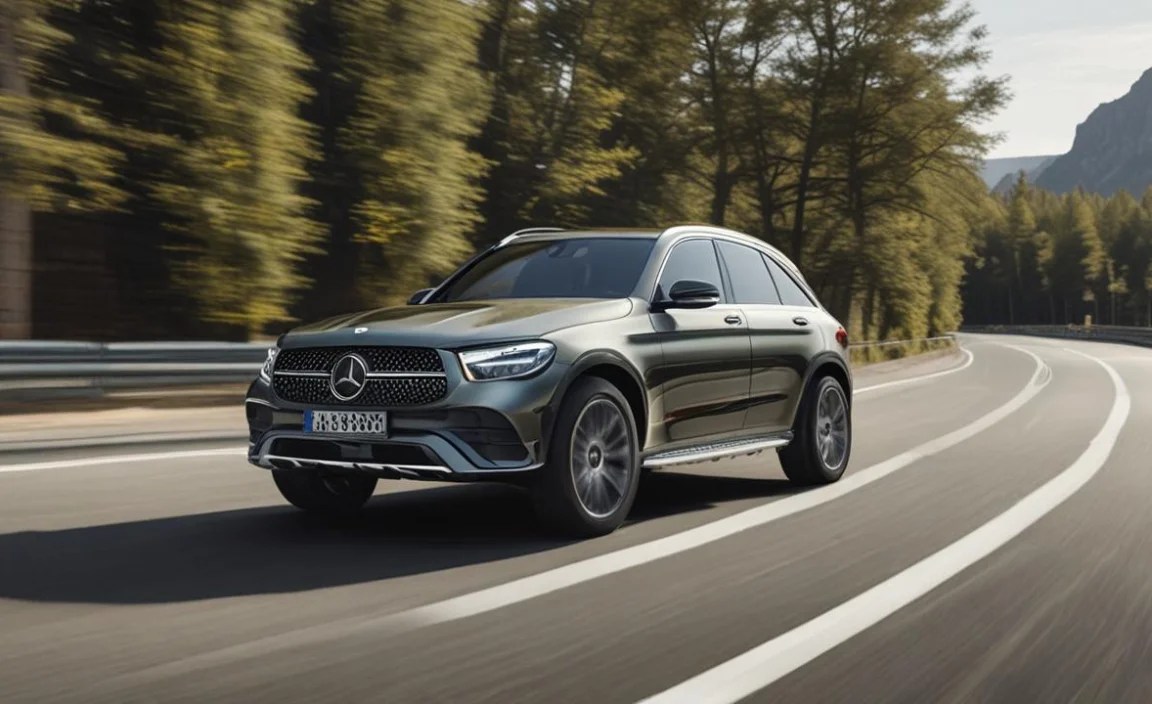
Even subtle changes to a vehicle’s exterior can have a noticeable impact on aerodynamic efficiency and stability.
Potential aerodynamic enhancements include:
- Optimized Body Panels: Expect the design team to have paid close attention to the flow of air over the body. This might include a more aerodynamically efficient front fascia, recalibrated side mirrors, and a subtly redesigned rear spoiler or diffuser to reduce drag and lift.
- Underbody Paneling: Smooth underbody panels can significantly reduce turbulence beneath the vehicle, improving aerodynamic efficiency and stability at speed. The 2026 GLC will likely benefit from more comprehensive underbody treatments.
- Active Aero Elements (AMG): In the highest-performance AMG models, Mercedes-Benz might incorporate active aerodynamic elements, such as shutters in the grille that open and close based on cooling needs and speed, optimizing airflow for both performance and efficiency.
Chassis Rigidity and Weight Distribution

A stiffer chassis provides a more stable platform for the suspension to work effectively, leading to improved handling and a more refined ride. Weight distribution also plays a critical role in a vehicle’s balance and responsiveness.
Engineers will focus on:
- High-Strength Materials: The use of advanced, lightweight, high-strength steel and aluminum alloys in the chassis construction will likely increase. This not only improves rigidity but also helps to keep the vehicle’s weight down, benefiting acceleration, braking, and handling.
- Optimized Structural Design: Through advanced computer simulations, engineers will have refined the structural design to enhance torsional rigidity. This means the body resists twisting forces more effectively, allowing the suspension to perform at its best.
- Strategic Battery Placement (Hybrid Models): For plug-in hybrid and mild-hybrid versions, the placement of batteries is critical for maintaining a balanced weight distribution. Mercedes-Benz’s engineering teams are adept at integrating these components to minimize their impact on the vehicle’s dynamic characteristics.
Driver Assistance and Performance Integration
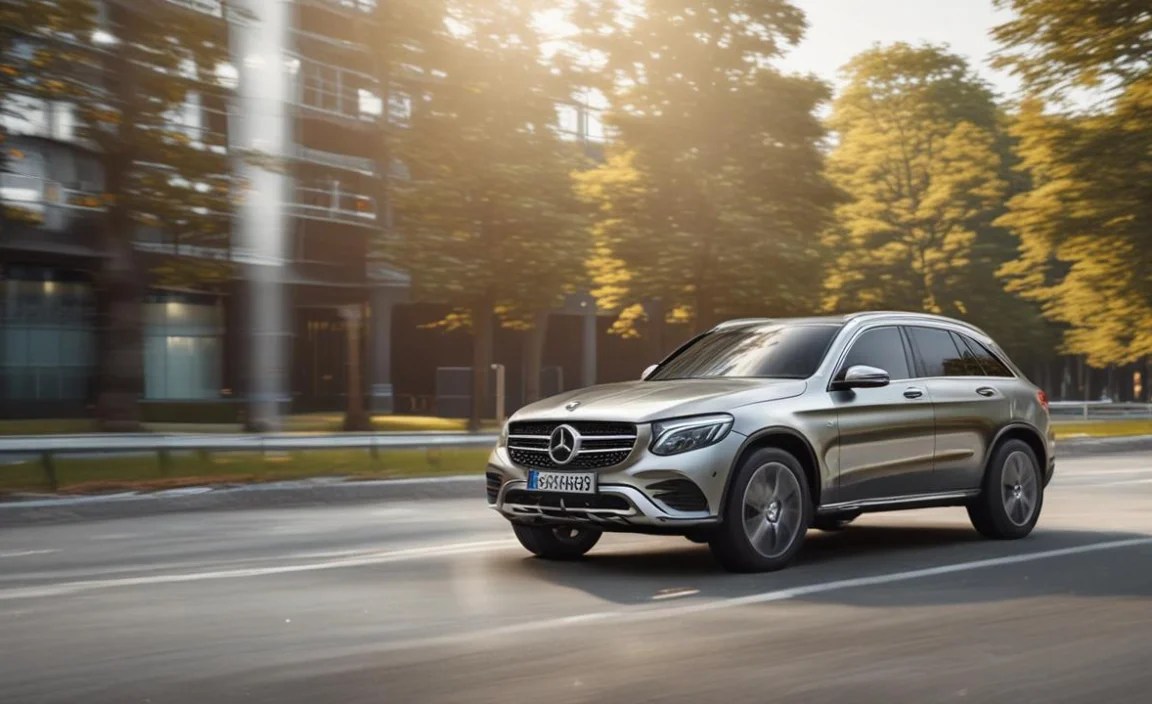
While traditionally focused on safety, modern driver assistance systems are increasingly integrated with performance, offering features that enhance the driving experience and improve control in dynamic situations.
Intelligent Systems for Enhanced Dynamics

The 2026 GLC is expected to feature a suite of advanced driver assistance systems (ADAS) that work in concert with the vehicle’s performance capabilities.
Key integration points include:
- Adaptive Cruise Control with Steering Assist: This system goes beyond simply maintaining speed. It can now manage steering input to keep the vehicle centered in its lane, making highway driving less fatiguing. For more on adaptive cruise control technology, the National Highway Traffic Safety Administration (NHTSA) provides valuable insights into advanced vehicle safety features.
- Predictive Powertrain Control: For hybrid and electrified models, advanced systems can analyze navigation data and traffic conditions to optimize energy usage, predicting when to use electric power versus combustion, and even optimizing regenerative braking.
- Enhanced Parking Assistance: While not directly performance-related, the improved sensor arrays and sophisticated algorithms for parking assistance mean the vehicle can be maneuvered with greater precision in tight spaces.
- Performance-Oriented ADAS Modes: In AMG models, certain ADAS features might be tuned to be less intrusive or offer specific “sport” modes that provide greater driver control while still offering a safety net.
Expected Performance Specifications Comparison
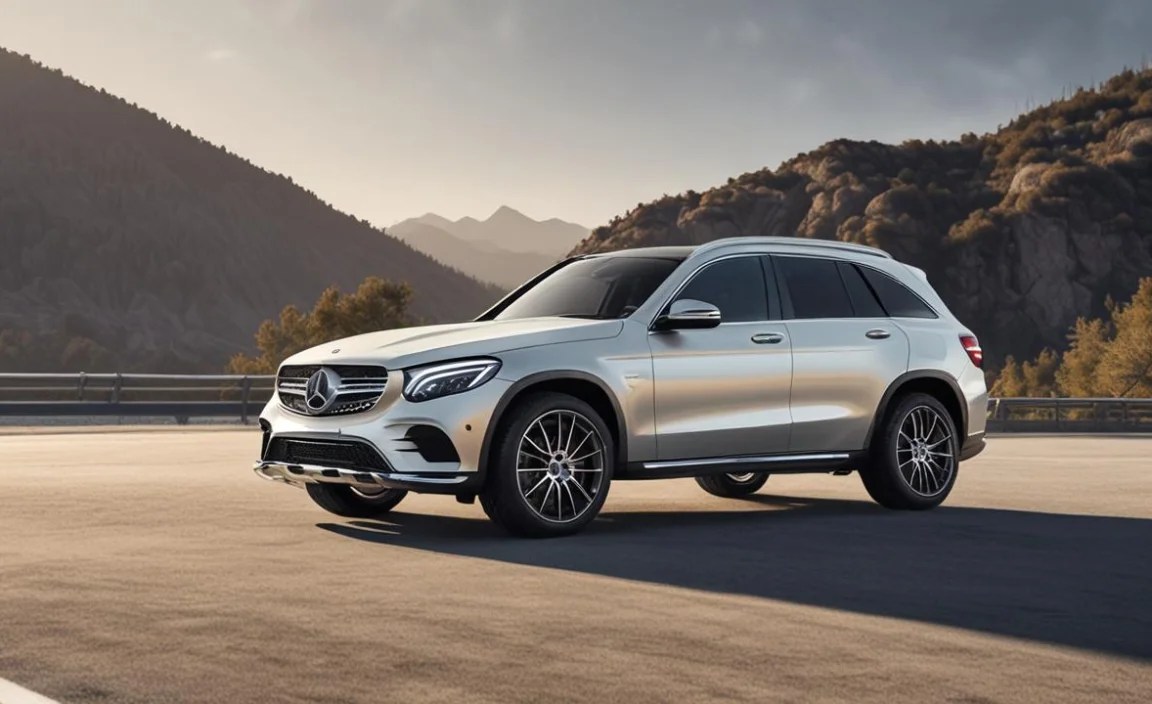
To give you a clearer picture of how the 2026 GLC might stack up, here’s a speculative comparison based on current trends and anticipated advancements. Please note these are estimates and actual figures may vary.
| Model Variant (Expected) | Engine Type (Expected) | Horsepower (Estimated) | Torque (Estimated) | 0-60 mph (Estimated) | Drivetrain |
|---|---|---|---|---|---|
| GLC 300 (Base) | 2.0L Turbo I4 with Mild-Hybrid | 260+ hp | 295+ lb-ft | 5.8 – 6.2 sec | RWD / AWD (4MATIC) |
| GLC 450 (Optional Inline-6) | 3.0L Turbo Inline-6 with Mild-Hybrid | 380+ hp | 385+ lb-ft | 4.4 – 4.8 sec | AWD (4MATIC+) |
| GLC 43 AMG | 2.0L Turbo I4 Hybrid/Electrified | 420+ hp | 400+ lb-ft | 3.8 – 4.2 sec | AMG Performance 4MATIC+ |
| GLC 63 AMG (S) | 2.0L Turbo I4 Plug-in Hybrid | 670+ hp (combined system) | 700+ lb-ft (combined system) | 3.2 – 3.5 sec | AMG Performance 4MATIC+ |
| GLC PHEV | 2.0L Turbo I4 + Electric Motor | 310+ hp (combined) | 400+ lb-ft (combined) | 5.5 – 5.9 sec | AWD (4MATIC) |
These figures represent educated guesses based on Mercedes-Benz’s current technological trajectory and the performance levels of comparable vehicles in the luxury SUV market. The focus on electrification will undoubtedly lead to greater power output and improved acceleration, especially in the AMG and PHEV variants.
Conclusion: A Glimpse into the Thrilling Future of the GLC
As we anticipate the arrival of the 2026 Mercedes-Benz GLC, the picture that emerges is one of significant performance evolution. Mercedes-Benz appears set to build upon the GLC’s already strong foundation, injecting it with more power, greater efficiency, and a more dynamic driving experience. From the refined yet potent powertrains, potentially embracing electrification more fully, to the sophisticated advancements in chassis and handling, every element points towards a vehicle that is not just a luxury SUV, but a true driver’s machine.
The expected enhancements to suspension, steering, and electronic stability control promise a more engaging and confident drive, whether navigating city streets or exploring winding country roads. The integration of advanced driver assistance systems further enhances this, offering a blend of safety and dynamic capability. For those who have always admired the GLC for its balance, the 2


