
Mercedes EQB vs GLB: Ultimate Power Choice
Bolded Quick Summary
For ultimate power, the Mercedes EQB electric SUV offers instant torque and thrilling acceleration thanks to its electric powertrain, making it the top choice for raw power. The Mercedes GLB, while capable, relies on its efficient gasoline engine for power delivery, offering a more traditional yet still potent driving experience.
The world of Mercedes-Benz SUVs can be exciting, but choosing between two similar-sounding models like the EQB and GLB might leave you wondering about their core differences, especially when it comes to power. Many confuse these vehicles, and understanding their unique strengths is key to making the right choice. You might be asking, “Which one packs the biggest punch?” or “What kind of power am I really getting?”
Don’t worry, we’re here to clear things up. This guide will break down the power differences between the Mercedes EQB and GLB in a way that’s easy to grasp. By the end, you’ll know exactly which SUV aligns with your desire for performance and driving thrill. Let’s dive in and find your ultimate power choice.
Mercedes EQB vs GLB: Understanding the Power Foundations

When comparing the Mercedes EQB and GLB, the most significant difference in their power stems from their fundamental propulsion systems: one is purely electric, and the other is fueled by gasoline. This core distinction dictates everything from acceleration to torque delivery and overall driving dynamics. Understanding these foundational differences is the first step to appreciating their unique power profiles.
The Electric Beast: Mercedes EQB Power

The Mercedes-Benz EQB is a fully electric SUV, and this is where its primary power advantage lies. Electric vehicles (EVs) offer a different kind of performance that many drivers find exhilarating. The instant torque available from an electric motor means that from a standstill, the EQB can deliver immediate and potent acceleration. There’s no waiting for an engine to rev or a transmission to shift gears; power is there the moment you press the accelerator.
This characteristic makes the EQB feel incredibly responsive and quick in everyday driving situations, such as merging onto a highway or overtaking slower vehicles. While gasoline engines have made huge strides, the inherent nature of electric motors provides a unique sense of propulsion that sets the EQB apart.
Key Power Aspects of the EQB:

- Instant Torque: Electric motors deliver maximum torque from 0 RPM, resulting in rapid off-the-line acceleration.
- Smooth Delivery: Power is delivered in a continuous, linear fashion, offering a refined and seamless driving experience.
- Quiet Operation: The electric powertrain is exceptionally quiet, enhancing the sense of luxury and refinement.
- Regenerative Braking: While not directly about acceleration, the ability to recapture energy during deceleration contributes to the overall efficiency and can add a subtle dynamic to driving.
The Gasoline Workhorse: Mercedes GLB Power

The Mercedes-Benz GLB, on the other hand, is powered by a traditional internal combustion engine (ICE). Currently, the GLB is primarily offered with turbocharged gasoline engines. These engines are engineered for a balance of performance, efficiency, and the familiar driving characteristics that many enthusiasts appreciate.
While a gasoline engine doesn’t offer quite the same instant, neck-snapping acceleration as an EV, modern turbocharged engines are incredibly capable. They provide a robust power band, good responsiveness, and a satisfying engine note that many drivers still find appealing. The GLB’s power delivery is more about a build-up of momentum, with the transmission working to keep the engine in its optimal power range.
Key Power Aspects of the GLB:

- Engine Performance: Turbocharged engines offer strong horsepower and torque figures, providing ample power for most driving needs.
- Familiar Feel: The sound and feel of a gasoline engine are engrained in automotive culture and preferred by some drivers.
- Wider Range of Philosophies: Depending on the market and specific trim, the GLB might offer variations in engine tuning, affecting its power delivery.
- Range and Refueling: For long trips, the established refueling infrastructure for gasoline offers a convenience for some over EV charging.
Diving Deeper: Powertrain Specifications and Performance Figures

To truly understand the power distinction, let’s look at the numbers. While specific figures can vary slightly by model year and region, the general performance characteristics of the EQB and GLB provide a clear comparison. We’ll focus on the most common configurations to give you a solid understanding.
Mercedes EQB Powertrain Options and Performance

The EQB is typically offered in all-wheel-drive (AWD) configurations, benefiting from the traction and power distribution capabilities of electric AWD systems. Models like the EQB 300 4MATIC and EQB 350 4MATIC are common.
For instance, the EQB 350 4MATIC often boasts around 288 horsepower and a significant torque figure, often exceeding 380 lb-ft (or 520 Nm). This is where the “ultimate power” conversation really leans towards the EQB. The immediate availability of this torque means it feels substantially quicker than its horsepower rating might suggest.
The 0-60 mph time for the EQB 350 4MATIC is generally in the low 6-second range, which is very competitive and feels potent on the road. The power delivery is remarkably smooth, without any noticeable lag.
Mercedes GLB Powertrain Options and Performance

The GLB has historically been powered by turbocharged four-cylinder gasoline engines. A common option is the 2.0-liter turbocharged engine, often found in models like the GLB 250. This engine typically produces around 221 horsepower and 350 Nm (258 lb-ft) of torque.
While these numbers are respectable, they translate into a different driving experience compared to the EQB. The 0-60 mph time for a GLB 250 is usually in the mid-to-high 6-second range. This is still quick for a compact SUV, but the power delivery is more traditional, requiring the engine to generate revs and the transmission to shift smoothly through its gears.
For those seeking even more performance in the GLB lineup, Mercedes-Benz has introduced AMG variants, such as the AMG GLB 35. This model significantly ups the ante with a more powerful version of the 2.0-liter turbo-four, producing around 302 horsepower and 400 Nm (295 lb-ft) of torque. The AMG GLB 35 can achieve 0-60 mph in under 5.2 seconds, making it a genuine performance contender that can rival or even surpass the acceleration of the standard EQB models.
Comparative Performance Table
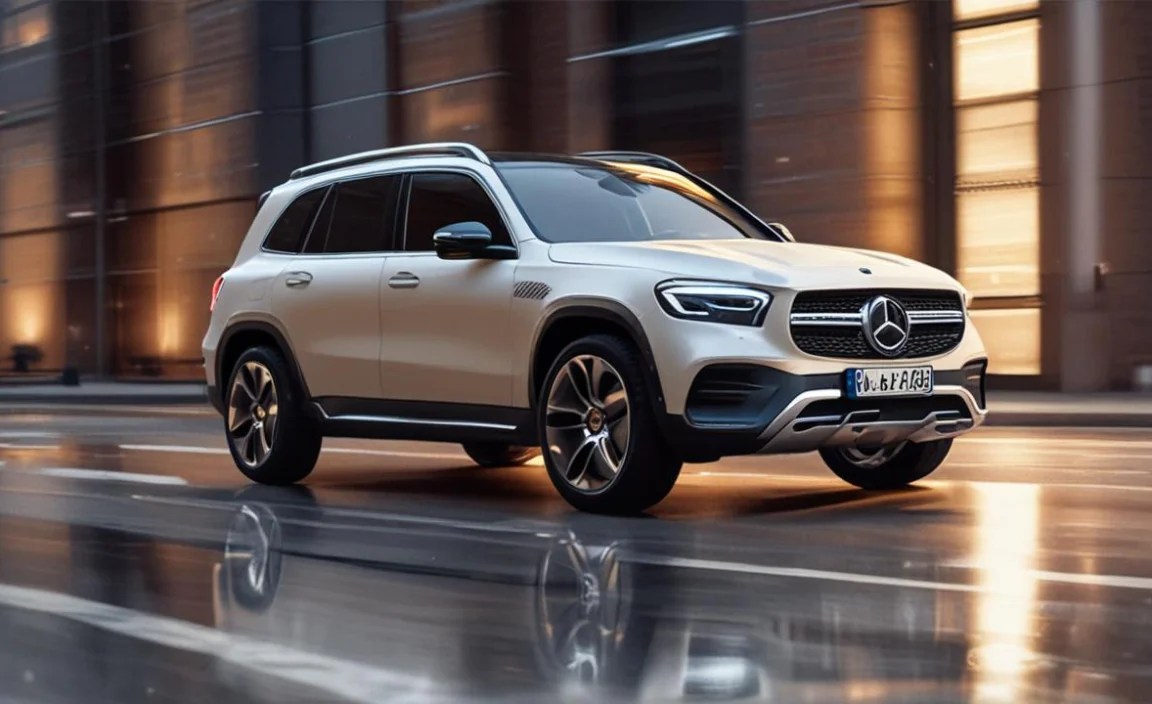
Let’s put these figures side-by-side for a clearer picture:
| Model | Engine/Powertrain | Horsepower (Approx.) | Torque (Approx.) | 0-60 mph (Approx.) |
|---|---|---|---|---|
| Mercedes EQB 300 4MATIC | Electric | 225 hp | 391 lb-ft (530 Nm) | 7.0 seconds |
| Mercedes EQB 350 4MATIC | Electric | 288 hp | 384 lb-ft (520 Nm) | 6.0 seconds |
| Mercedes GLB 250 4MATIC | 2.0L Turbocharged 4-Cylinder Gasoline | 221 hp | 258 lb-ft (350 Nm) | 6.9 seconds |
| Mercedes-AMG GLB 35 4MATIC | 2.0L Turbocharged 4-Cylinder Gasoline (Performance Tuned) | 302 hp | 295 lb-ft (400 Nm) | 5.2 seconds |
As you can see, the EQB 350 4MATIC offers a strong balance of power and acceleration for an electric SUV. However, if you’re looking for the absolute quickest acceleration, the AMG GLB 35 takes the crown among these specific configurations. This highlights that “ultimate power” can be interpreted in different ways – instant EV response versus outright AMG performance.
Driving Dynamics: How Power Translates to the Road

The raw numbers are one thing, but how do the EQB and GLB feel to drive? This is where the character of their powertrains truly emerges, influencing everything from cornering composure to daily usability.
The EQB Driving Experience: Silent Surge

Driving the EQB is often described as a serene yet potent experience. The electric motors provide a smooth, almost gliding sensation. Because the battery is mounted low in the vehicle, it contributes to a lower center of gravity, which can enhance stability and handling. The instant torque means that even gentle pressure on the accelerator results in noticeable forward motion. This makes city driving effortless and merging into traffic a breeze.
The quietness of the EV powertrain also adds to the luxury feel. You hear very little road or wind noise, allowing the premium cabin and audio system to take center stage. The regenerative braking, while an adjustment for some, can contribute to a more engaging driving experience once mastered, allowing for skillful one-pedal driving in certain scenarios.
The GLB Driving Experience: Tuned for Versatility

The GLB, with its gasoline engine, offers a more traditional SUV driving experience. The engine noise, though well-muted in typical Mercedes fashion, provides auditory feedback that some drivers prefer. The power delivery feels more gradual, and the 8-speed dual-clutch transmission is adept at finding the right gear for the situation, whether you’re cruising on the highway or navigating city streets.
The GLB is engineered as a versatile compact SUV, often offering optional seating for up to seven passengers. Its suspension is tuned to balance comfort with a sense of sure-footedness. While not a sports car, the GLB 250 handles competently, and the AMG GLB 35 transforms it into a much more spirited and engaging package, with sportier suspension tuning and sharper throttle response. The AMG GLB 35 truly bridges the gap between practicality and performance, offering a dynamic driving feel that can challenge the EQB in terms of smiles-per-mile for drivers who enjoy a traditional engine.
Power Beyond the Powertrain: Factors to Consider

While horsepower and torque are the primary indicators of power, several other factors influence a vehicle’s overall performance and how that power is perceived and utilized.
- Weight: Electric vehicles, including the EQB, tend to be heavier than their gasoline counterparts due to the large battery pack. This extra weight can sometimes counteract some of the benefits of instant torque, especially in dynamic driving situations.
- Chassis Tuning: Mercedes-Benz invests heavily in chassis engineering for all its models. Both the EQB and GLB benefit from sophisticated suspension systems and chassis tuning designed to deliver a comfortable yet capable ride. The AMG GLB 35, in particular, receives a bespoke performance chassis.
- Aerodynamics: The aerodynamic design of a vehicle plays a role in its efficiency and high-speed stability. The EQB, as an EV, often features smoother lines and a closed-off grille to optimize airflow, which can aid in its performance and range.
- Tire and Wheel Choices: The type of tires and size of wheels fitted to a vehicle can significantly impact grip, acceleration, and braking performance. Performance-oriented tires and smaller wheel diameters (which are lighter) can generally offer better acceleration.
The Verdict: Which has the “Ultimate Power”?

When we talk about “ultimate power,” it often comes down to what kind of power you’re looking for and how you define it.
For instant, exhilarating acceleration and a futuristic surge of power, the Mercedes EQB is your winner. Its electric powertrain delivers immediate torque that makes it feel incredibly quick and responsive in everyday driving. The smooth, silent surge of power is a defining characteristic of its electric nature. If you prioritize that immediate, punchy acceleration from a stop and appreciate cutting-edge electric performance, the EQB is the superior choice.
For a more traditional, engaging engine experience coupled with outright performance, especially in its AMG variant, the Mercedes GLB is a strong contender. The GLB 250 provides capable and refined power for daily use. However, the AMG GLB 35 elevates the game significantly, offering blistering acceleration that might outpace even the EQB. If you enjoy the feel and sound of a performance gasoline engine and want the ultimate in sportiness within the GLB’s practical package, the AMG GLB is exceptionally compelling. For many, the pure thrill of an AMG engine is its own definition of “ultimate power.”
In essence:
- Choose the EQB for the ultimate electric power experience: instant, smooth, and quiet acceleration.
- Choose the GLB (specifically the AMG GLB 35) for the ultimate traditional performance edge: raw, engaging engine power with superior outright acceleration figures.
Frequently Asked Questions (FAQ)
Q1: Is the Mercedes EQB faster than the Mercedes GLB?

Generally, the Mercedes EQB 350 4MATIC offers quicker 0-60 mph times than a standard GLB 250 4MATIC due to the instant torque of its electric motors. However, the high-performance AMG GLB 35 is typically faster than most standard EQB models, achieving 0-60 mph in well under 5.5 seconds.
Q2: What kind of engine does the Mercedes GLB have?

The Mercedes-Benz GLB is typically powered by a 2.0-liter turbocharged inline-4 gasoline engine. Performance-oriented versions, like the AMG GLB 35, use a more powerful iteration of this engine.
Q3: Does the Mercedes EQB have a gasoline engine?

No, the Mercedes-Benz EQB is a fully electric vehicle. It runs solely on battery power and does not have a gasoline engine.
Q4: Which is better for city driving: EQB or GLB?

For city driving, the EQB is often preferred due to its smooth acceleration and responsive nature. The instant torque makes it easy to navigate stop-and-go traffic and merge into lanes. The quiet operation also enhances the city driving experience.
Q5: Does the EQB have all-wheel drive (4MATIC)?

Yes, the Mercedes EQB is commonly offered with 4MATIC all-wheel drive, utilizing electric motors to power both axles for improved traction and performance.
Q6: Which SUV offers more cargo space?

Both the EQB and GLB are based on a similar platform, offering comparable cargo space. However, the GLB’s design might offer slightly more versatility, especially as it can be configured with an optional third row of seating, though this reduces cargo capacity when in use. The EQB’s battery placement is integrated into the floor without significantly compromising interior space compared to its gasoline counterpart.
Q7: How does the driving feel differ between the EQB and GLB?

The EQB offers a silent, smooth, and immediately responsive driving experience thanks to its electric powertrain. The GLB offers a more traditional feel with engine sound and a power delivery that builds with RPMs. The AMG GLB 35 provides a highly dynamic and sporty drive that is distinct from the EQB’s smooth surge.
Conclusion
Choosing between the Mercedes EQB and GLB for “ultimate power” hinges on your definition of that term. If you seek the instantaneous, thrilling surge unique to electric vehicles, the EQB is the clear choice. Its immediate torque delivery redefines responsive acceleration, offering a smooth and potent driving experience that feels both luxurious and dynamically advanced.
Conversely, if your preference leans towards the engaging roar and performance build-up of a high-performance gasoline engine, the Mercedes-Benz GLB, particularly in its AMG GLB 35 guise, stands ready to impress. This potent variant delivers blistering acceleration and a driving character that appeals to traditional performance enthusiasts, offering a benchmark in its segment.
Both vehicles represent distinct facets of Mercedes-Benz engineering, catering to different desires for power and driving engagement. Whether you’re drawn to the silent revolution of electric power or the refined aggression of sport-tuned gasoline performance, both the EQB and GLB offer compelling reasons to be at the top of your consideration list. Understanding these core differences ensures you’ll select the Mercedes that truly satisfies your quest for the ultimate power experience.


