
Mercedes S Class Glass Coating: Ultimate Protection
Quick Summary
Applying a professional glass coating to your Mercedes S-Class drastically enhances its appearance and protection. This advanced treatment creates a hydrophobic barrier, repelling water, dirt, and grime for crystal-clear visibility and a showroom shine, reducing the need for frequent washing and guarding against environmental damage for long-lasting clarity and value.
Your Mercedes S-Class is a masterpiece of engineering and luxury, and its glass is no exception. Crystal-clear windows not only enhance your driving experience but are crucial for safety. Over time, however, rain, road spray, bird droppings, and harsh UV rays can etch and dull your S-Class’s glass, leading to unsightly water spots and reduced visibility. This isn’t just an aesthetic concern; it can make driving more stressful, especially in challenging weather. Fortunately, a high-quality glass coating offers the ultimate solution. It’s like giving your car’s windows a powerful, invisible shield. We’ll guide you through understanding, applying, and maintaining this essential protective layer, ensuring your S-Class glass remains pristine and your view unobstructed.
The Brilliance of Glass Coating for Your Mercedes S-Class

When we talk about protecting your Mercedes S-Class, we often focus on paint protection. However, the glass surfaces are just as vulnerable and deserve specialized attention. A premium glass coating is engineered to bond at a molecular level with the glass, creating a slick, durable, and transparent layer. This isn’t your average car wax; it’s a high-tech ceramic or silica-based formula designed for longevity and superior performance.
Why is Glass Coating Essential for an S-Class?
The S-Class represents the pinnacle of automotive luxury. Maintaining its flawless appearance and advanced features is paramount. For its glass, a coating brings several key benefits:
- Enhanced Visibility: The hydrophobic properties actively repel water, causing it to bead up and roll off. This dramatically improves visibility during rain, reducing the reliance on wipers at higher speeds and decreasing glare.
- Protection Against Damage: It creates a hard barrier that resists minor scratches from wiper blades, ice scraping, and everyday wear. It also protects against etching from acidic contaminants like bird droppings and bug splatter.
- Easier Cleaning: Dirt, road grime, and insect residue have a much harder time adhering to the slick, non-porous surface. This means less scrubbing and faster, more effective cleaning.
- UV Protection: Some coatings offer UV resistance, helping to prevent premature degradation of the glass and any tinting.
- Preserves Resale Value: Maintaining the pristine condition of all your S-Class’s components, including its glass, is crucial for its long-term value.
Understanding Glass Coating Technology
Most modern glass coatings are based on advanced nanotechnology, typically utilizing silicon dioxide (SiO₂) or titanium dioxide (TiO₂). These formulations create a glass-like, hardened layer that is significantly more durable than traditional sealants or waxes. The hydrophobic effect is a result of the coating’s extremely low surface energy. Water molecules can’t easily spread out and adhere; instead, they form tight beads that are easily swept away by airflow or a quick wipe.
Unlike some older “Rain Repellent” treatments that might wear off quickly or be difficult to apply evenly, advanced glass coatings are designed for professional application and offer protection for months, often exceeding a year with proper care. The chemical bond they form ensures they don’t simply wash away.
Choosing the Right Glass Coating for Your S-Class

The market offers various glass coating products, but for a vehicle like the Mercedes S-Class, quality and proven performance are key. We’ll look at types and what to consider.
Types of Glass Coatings
While “glass coating” is a broad term, products generally fall into a few categories:
- DIY Ceramic Coatings: These are formulated for consumer application and often come in easy-to-use kits. They offer good durability but may not match the performance or longevity of professional-grade options.
- Professional-Grade Ceramic Coatings: Applied by certified detailers, these often contain higher concentrations of active ingredients and may require specialized application techniques, such as heat curing. They offer superior durability, often lasting 1-3 years or more.
- Hybrid Coatings: These combine elements of both ceramic and other polymers, offering a balance of ease of application and performance.
Key Factors to Consider When Selecting a Product:
- Durability & Longevity: How long is the manufacturer’s warranty or expected lifespan? For an S-Class, you want something that lasts.
- Ease of Application: Are you planning a DIY project, or will you be hiring a professional detailer?
- Hydrophobic Performance: How aggressively does it repel water? Look for products with excellent water-beading and sheeting.
- Chemical Resistance: Can it withstand common contaminants like bird droppings, bug splatter, and road salt?
- Reputation & Reviews: What do other car enthusiasts and professional detailers say about the product? Stick to reputable brands known for quality.
For a Mercedes S-Class, investing in a professional-grade coating, whether applied DIY or by a professional, is highly recommended to ensure the best possible results and protection.
The DIY Application Process: Step-by-Step
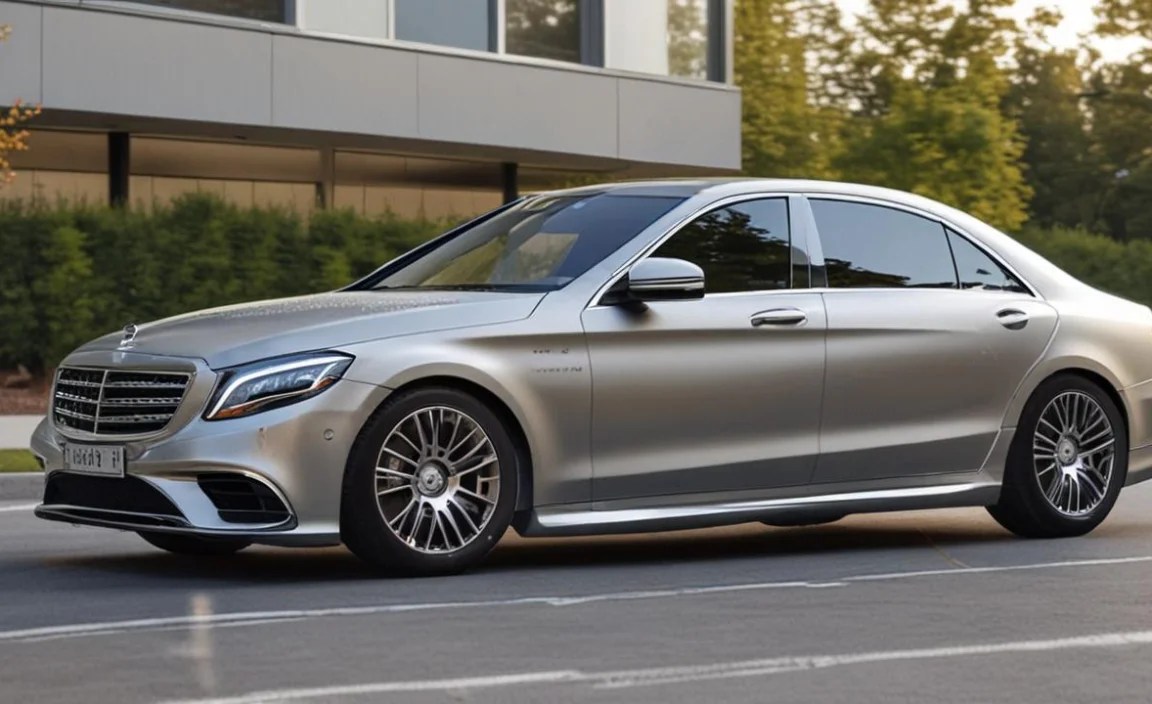
Applying a glass coating yourself can be a rewarding process, giving you a deep understanding and appreciation for your S-Class’s protective layers. However, it requires patience and meticulous attention to detail. Remember, proper preparation is the most critical step.
Essential Tools and Materials:
- High-quality car wash soap
- Clay bar kit (optional but recommended)
- Glass cleaner (ammonia-free)
- Isopropyl alcohol (IPA) solution (50/50 mix with distilled water)
- Microfiber applicator pads
- Several clean, high-quality microfiber towels
- The chosen glass coating product
- Gloves and eye protection
- Good lighting (natural daylight or strong artificial light)
Step 1: Thoroughly Wash the Glass
Start by washing your entire S-Class, paying special attention to the glass surfaces. Use a pH-neutral car soap and remove all loose dirt and debris. Rinse thoroughly.
Step 2: Decontaminate the Glass
Even after washing, microscopic contaminants can remain embedded in the glass.
- Clay Bar: If you have a clay bar kit, follow its instructions to gently glide the clay over the glass. This will remove stubborn fallout, tree sap, and other bonded contaminants. You’ll notice the clay will start to glide more smoothly as the surface becomes clean.
- Iron Remover: For tougher contamination, a dedicated iron remover spray can be used. Spray it on, let it dwell according to product instructions, and rinse.
Step 3: Polish the Glass (Optional but Recommended)
For the absolute best adhesion and clarity, a light polish can remove minor imperfections and create a perfectly smooth surface. Use a dedicated glass polish and a foam applicator pad. Work in small sections, buffing off residue with a clean microfiber towel.
Step 4: Cleanse and Prepare the Surface
This is an absolutely crucial step. Any remaining oils, waxes, or residues from the previous steps will prevent the coating from bonding properly.
- Lightly spray the glass with your IPA solution.
- Wipe down the entire glass surface with a clean microfiber towel.
- Follow up immediately with a dry, clean microfiber towel to ensure no streaks remain.
Many professional detailers use specialized panel prep sprays for this purpose, but a 50/50 IPA/distilled water mix is effective for DIY applications. This step ensures the glass is chemically clean and ready for the coating.
Step 5: Apply the Glass Coating
Work in small sections, no larger than a car door or a portion of the windshield.
- Apply a few drops of the coating product onto a clean microfiber applicator pad.
- Gently and evenly spread the coating over the glass surface in a crosshatch pattern (e.g., horizontally, then vertically). Ensure complete coverage without leaving high spots or thick streaks.
- Allow the coating to flash or haze over for the time specified by the manufacturer. This typically ranges from 30 seconds to a few minutes, depending on temperature and humidity. You’ll see a slight rainbow or oily appearance.
Step 6: Buff Off the Coating
Using a clean, high-quality microfiber towel, gently buff off the hazy residue. Use a light touch to avoid creating streaks or high spots. Flip the towel frequently to a clean side. After the initial buff, use a second, dry microfiber towel to ensure all residue is removed and the glass is perfectly clear.
Step 7: Curing and Aftercare
The coating needs time to cure and harden.
- Avoid washing the car for at least 24-72 hours (or as per product instructions).
- Avoid using windshield wipers, if possible, for the first few days, as they can be abrasive during initial curing.
- Avoid harsh chemicals (like harsh detergents or solvents) during the initial curing period.
For optimal results and longevity, follow the manufacturer’s specific aftercare recommendations. This usually involves using pH-neutral soaps for washing and avoiding abrasive cleaning methods.
Professional Application: The S-Class Standard

While DIY is possible, many Mercedes S-Class owners prefer the expertise of professional detailers for glass coating application. Professionals have access to higher-grade products, specialized equipment, and the experience to ensure flawless results.
Benefits of Professional Application:
- Expert Surface Preparation: Professionals meticulously prepare the glass, addressing any rock chips, scratches, or pre-existing swirl marks that might affect adhesion or clarity. They understand the exact preparation needed for the specific coating being applied.
- Application Consistency: Uniform application is crucial. Professionals are skilled in applying the coating evenly across the entire glass surface, ensuring no streaks, high spots, or missed areas.
- Access to Premium Products: Many top-tier glass coatings are only available to certified installers, offering superior performance and durability.
- Time and Convenience: Professionals can complete the process efficiently, saving you time and the effort of DIY work.
- Warranty and Guarantee: Reputable detailing shops often offer a warranty or guarantee on their coatings, providing peace of mind.
Finding a Reputable Professional Detailer:
Look for detailers who specialize in ceramic coatings, have extensive experience with luxury vehicles like the S-Class, and can provide examples of their work. Check online reviews and ask for recommendations within the Mercedes-Benz community.
Long-Term Maintenance and Care

Once your Mercedes S-Class’s glass is coated, maintaining its protective properties is key to maximizing its lifespan and performance. While the coating makes cleaning easier, proper care is still necessary.
Daily Driving Benefits
You’ll notice an immediate difference. Water will bead and dramatically roll off the windshield at speeds above 40-45 mph. This means less reliance on your wipers, leading to reduced wear on the wiper blades and a clearer view during light to moderate rain. Dirt and bugs will be much easier to rinse off.
Recommended Cleaning Practices:
- Regular Washing: When you wash your S-Class, use a pH-neutral car wash soap. Avoid abrasive brushes or sponges on the glass itself; always use clean microfiber wash mitts.
- Rinsing: A strong rinse after washing will often remove most light dirt and grime from coated glass.
- Quick Detailer: For light dirt or fingerprints between washes, use a dedicated automotive quick detailer spray. Ensure it is safe for coated surfaces and use a clean microfiber towel.
- Bug and Tar Remover: For stubborn insect residue, use a specialized bug and tar remover safe for glass coatings. Apply, let it dwell briefly, and gently wipe away with a microfiber towel.
- Avoid Abrasives: Never use scouring pads, paper towels (which can contain abrasive fibers), or harsh household cleaners on coated glass. These can degrade and scratch the coating.
- Water Spotting: While coatings make water spots less likely to etch, they can still form. Dry your car promptly after washing or in the rain to prevent them. If water spots do form, a quick detailer or a diluted IPA solution should remove them without issue.
When to Reapply
Depending on the quality of the coating and your driving conditions, most glass coatings last between 6 months to 2 years. You’ll know it’s time to reapply when the hydrophobic properties diminish significantly – meaning water no longer beads and rolls off effectively, but instead sheets or sits on the surface.
Reapplication Process
When reapplying, you’ll generally follow the same preparation steps as the initial application, though a full clay bar and polish might not be necessary if the surface is still in good condition. A thorough wash, IPA cleanse, and then application of the new coating will restore protection.
Comparing Glass Coatings to Traditional Treatments
It’s helpful to understand where glass coatings fit in the spectrum of glass protection products. Traditional methods served a purpose, but coatings offer a significant leap forward.
| Feature | Traditional Rain Repellent (Waxes, Silicones) | Modern Glass Coatings (Ceramic/Silica) |
|---|---|---|
| Durability | Short-lived (weeks to a few months) | Long-lasting (6 months to 2+ years) |
| Bonding Mechanism | Surface adhesion, easily stripped | Chemical bond to glass molecules |
| Hydrophobic Action | Moderate beading, can streak | Aggressive beading and sheeting, superior water repellency |
| Protection Against Etching | Minimal | Good to excellent, creates a sacrificial layer |
| Ease of Application | Generally easy, but often requires frequent reapplication | Requires meticulous prep; more complex DIY, professional recommended |
| Clarity & Streak Resistance | Can sometimes create hazing or streaks | Once properly applied and buffed, virtually invisible and streak-free |
The table clearly illustrates why advanced glass coatings are the superior choice for a vehicle like the Mercedes S-Class, where longevity, performance, and visual perfection are paramount. While traditional products might be cheaper upfront for a quick fix, they don’t offer the same level of protection or lasting aesthetic benefit.
Common Issues and Troubleshooting
Even with the best products and practices, you might encounter minor issues. Here’s how to handle them.
Issue: Streaking or Haze After Application
Cause: Incomplete buffing, product applied too thickly, or product dried too quickly before buffing.
Solution:
- Try buffing again gently with a clean, plush microfiber towel.
- If persistent, lightly re-mist that section with IPA and buff thoroughly.
- For stubborn streaks, you may need to reapply the coating to that specific area after cleansing.
Issue: Water Spots Still Forming
Cause: Coated glass is not immune to mineral deposits; it simply makes them less likely to etch and easier to remove. If the car dries rapidly after washing or in rain without being wiped down, spots can still form.
Solution:
- Clean the spots immediately with a quick detailer or a diluted IPA solution and a microfiber towel.
- Ensure you are drying your car properly after washes.
Issue: Wipers Causing Noise or Streaking
Cause: Wipers are worn out, or the coating is not fully cured.
Solution:
- Ensure the coating has fully cured as per the manufacturer’s instructions (often 24-72 hours minimum).
- Inspect your wiper blades. If they are old, cracked, or hardened, replace them with high-quality blades designed for your S-Class.
- Clean your wiper blades regularly.
Issue: Coating Wears Off Prematurely
Cause: Improper surface preparation, exposure to harsh chemicals (e.g., fuel at a gas station spilling onto the windshield), or using abrasive cleaning tools.
Solution:
- Review the preparation steps used. Was the glass perfectly clean and decontaminated?
- Avoid exposure to aggressive solvents or fuels on the glass.
- Stick to the recommended cleaning practices.
- If it has worn off significantly, it may be time for reapplication.
Frequently Asked Questions (FAQ)
Q1: How long does a Mercedes S-Class glass coating typically last?
A1: A quality glass coating can last anywhere from 6 months to over 2 years, depending on the product used, application quality, and driving/maintenance conditions. Professional-grade coatings


