
Mercedes E Class Buying Used: Effortless Luxury
Buying a used Mercedes E-Class offers a fantastic way to experience effortless luxury without the new car premium. Focus on maintenance history, specific model year quirks, and a thorough pre-purchase inspection for a smooth and rewarding acquisition of this iconic German sedan.
The Mercedes-Benz E-Class has long been the benchmark for executive sedans, blending sophisticated comfort, cutting-edge technology, and refined performance. For many, the dream of owning one might seem out of reach due to the initial cost. However, the pre-owned market presents a golden opportunity to step into this realm of effortless luxury. But where do you begin when looking for a used E-Class? This guide will navigate you through the process, from understanding different generations to spotting potential pitfalls, ensuring your journey to owning this iconic vehicle is as smooth as its ride.
Navigating the used car market can feel daunting, especially when considering a premium marque like Mercedes-Benz. You want to ensure you’re making a wise investment, not just buying a car, but securing lasting quality and prestige. We’ll break down what to look for, how to assess condition, and which model years might best suit your needs and budget. Get ready to unlock the door to sophisticated driving.
Why Choose a Used Mercedes E-Class?

The allure of the Mercedes-Benz E-Class is undeniable. It’s a car that whispers sophistication rather than shouts it. When you opt for a used E-Class, you’re not just buying a car; you’re investing in decades of engineering excellence, a symbol of status, and a driving experience designed for ultimate comfort and control.
- Depreciation Advantage: The steepest depreciation typically occurs in the first few years of a car’s life. Buying a used E-Class allows you to bypass this significant initial cost, getting more car for your money.
- Uncompromising Quality: Mercedes-Benz vehicles are built to last. Even older models, when well-maintained, can offer a level of build quality and longevity that surpasses many newer vehicles from other brands.
- Timeless Design: The E-Class boasts a design language that ages gracefully. Many generations still look contemporary and elegant on the road, proving that true luxury is timeless.
- Advanced Features: Even models from several years ago often come equipped with advanced safety systems, comfort features, and infotainment options that were considered cutting-edge at the time of their release.
Understanding E-Class Generations
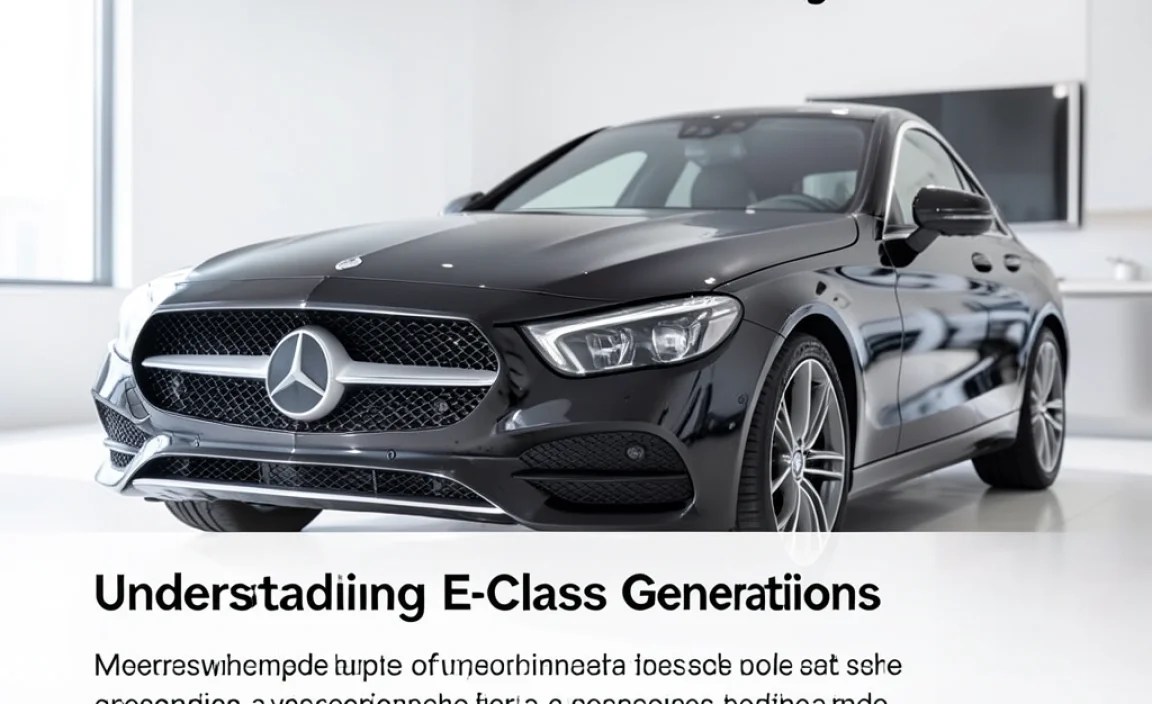
The Mercedes-Benz E-Class has evolved significantly over the years. Knowing the different generations can help you identify the features, design cues, and potential common issues associated with specific model years. This understanding is crucial when searching for your ideal pre-owned E-Class.
W213 (2016-2023) – The Digital Age E-Class
This generation brought the E-Class firmly into the digital era. Featuring a sleek, aerodynamic design, it introduced a host of advanced driver-assistance systems and a highly customizable interior experience, often dominated by large, integrated digital displays. Comfort, technology, and semi-autonomous driving capabilities are hallmarks of the W213.
W212 (2009-2016) – Refinement and Modernity
The W212 generation marked a significant shift with cleaner lines and a more modern aesthetic compared to its predecessor. It offered a superb balance of luxury, performance, and technology. Common powertrains include robust V6 and V8 engines, and it’s known for its solid build quality and a refined driving experience. The facelift introduced in 2013 brought updated styling, including the integration of headlights and a more contemporary front fascia.
W211 (2002-2009) – The Strong Performer
Known for its robust engineering and comfortable ride, the W211 is a popular choice for those seeking classic Mercedes luxury. This generation offered a range of engines, from efficient four-cylinders to powerful V8s. Despite some early electrical gremlins reported in the initial years, later models are generally considered very reliable if properly maintained. Features like the COMAND infotainment system became more integrated during this era.
W210 (1995-2003) – The Avant-garde Predecessor
The W210 was a departure in design for the E-Class, with its distinctive quad-headlight setup. This generation introduced more advanced safety features and refined luxury. While stylish and comfortable, it’s important to be aware of potential rust issues, especially on earlier models, and the complexity of some of its electronic systems. However, a well-cared-for W210 can still be a rewarding ownership experience.
Key Areas to Inspect When Buying a Used E-Class

A pre-purchase inspection (PPI) is non-negotiable when buying any used car, especially a luxury vehicle like a Mercedes-Benz E-Class. A qualified independent mechanic specializing in European cars can spot issues you might miss. However, here are some critical areas you should also examine yourself or ensure are covered in the PPI.
1. Maintenance History
This is paramount. A comprehensive service record is your best indication of how well the car has been cared for. Look for:
- Regular servicing at reputable dealerships or Mercedes-Benz specialists.
- Documentation of major services, such as timing belt replacements (if applicable to the engine), fluid changes (transmission, brake, coolant), and filter replacements.
- Receipts for any significant repairs.
- A history of addressing recalls. You can check for open recalls with the National Highway Traffic Safety Administration (NHTSA) using the vehicle’s VIN.
2. Exterior Inspection
Walk around the car slowly, looking for:
- Paintwork: Check for mismatched paint, overspray, or signs of repair that could indicate accident damage. Look for dents, scratches, and especially rust, particularly around wheel arches, door bottoms, and the trunk lid.
- Panel Gaps: Uneven gaps between body panels can signal poor accident repair.
- Tires: Inspect for uneven wear, which can indicate alignment issues or suspension problems. Check the brand and tread depth.
- Glass and Lights: Ensure no cracks in the windshield or chips. Check all lights for functionality.
- Sunroof/Moonroof: If equipped, test its operation and check the drainage channels for blockages that could lead to water ingress.
3. Interior Inspection
The interior of an E-Class should feel luxurious and well-preserved. Examine:
- Upholstery: Check leather for excessive wear, cracks, or tears. Inspect carpets and headliner for stains or sagging.
- Electronics: Test every button, switch, and dial. Ensure the infotainment system (COMAND), climate control, power seats, windows, mirrors, and any heating/cooling functions work as they should.
- Odors: Any musty smells could indicate water leaks or mold, often linked to sunroof drains or AC system issues.
- Dashboard: Look for any warning lights illuminated on the dashboard when the ignition is on (they should all illuminate and then go off, except for seatbelt reminders if you’re not buckled).
4. Engine and Mechanicals
Under the hood, be vigilant:
- Fluid Levels and Condition: Check oil, coolant, brake fluid, and power steering fluid. Oil should be a caramel color, not black and sludgy. Coolant should be clean, not rusty or oily.
- Leaks: Look for any signs of oil, coolant, or power steering fluid leaks around the engine, transmission, and undercarriage.
- Belts and Hoses: Check for cracks, wear, or signs of hardening in belts and hoses.
- Battery: Inspect the battery terminals for corrosion.
5. Test Drive
This is where you feel the car’s true nature. Drive it under various conditions:
- Starting: The engine should start smoothly without hesitation.
- Engine Noise: Listen for any knocking, ticking, or unusual noises.
- Transmission: Shifting should be smooth and precise, whether automatic or manual. No harsh jerks or delayed engagement.
- Brakes: The brakes should feel firm and responsive, without pulsating or pulling to one side.
- Steering: Steering should be precise and free of excessive play. Listen for any clunks or noises when turning.
- Suspension: Drive over bumps and uneven surfaces. Listen for rattles, clunks, or squeaks. The ride should remain composed and controlled.
- Performance: Accelerate firmly to test engine power and responsiveness.
- Exhaust: Check for excessive smoke (blue smoke indicates oil burning, white smoke can indicate coolant issues).
Common Issues by Generation
While Mercedes-Benz vehicles are known for their robust engineering, like any car, certain generations and models can have more common issues. Being aware of these can help you focus your inspection and negotiation.
| Generation | Model Years | Common Issues |
|---|---|---|
| W210 | 1995-2003 |
Rust (especially wheel arches, door bottoms, trunk lid); MAF sensor issues; early transmission problems (5-speed automatic); potential for sagging headliner. |
| W211 | 2002-2009 |
Early models (pre-2005) had more prevalent SBC (Sensotronic Brake Control) system issues and potential for electrical problems (e.g., SAM unit failures). Oil cooler seals can leak. Sunroof drains can clog, leading to water ingress. |
| W212 | 2009-2016 |
While generally reliable, some transmission control module issues have been reported. Power steering pump failures can occur. Infotainment system glitches are not uncommon. Check for worn suspension components (bushings, struts) on higher mileage examples. |
| W213 | 2016-2023 |
Can be technologically complex; ensure all electronic features function perfectly. Some owners report minor interior trim rattles. Early software glitches in the infotainment or driver assistance systems may have occurred, but most should have been addressed via updates. |
For detailed technical information and common problems specific to Mercedes-Benz models, resources like the mbworld.org forums are invaluable, offering insights directly from owners and enthusiasts.
Which E-Class Engine is Right for You?
The E-Class has been offered with a wide array of engines over the years, catering to different priorities. Understanding these can significantly influence your buying decision.
Four-Cylinder Engines (e.g., E200, E250)
- Pros: Generally more fuel-efficient, lower running costs, often more affordable to purchase.
- Cons: Less powerful than their six or eight-cylinder counterparts, which might be noticeable during spirited driving or heavy loads.
- Best For: Commuters, those prioritizing economy, and drivers who prefer a relaxed driving style.
Six-Cylinder Engines (e.g., E300, E350, E400)
- Pros: A great balance of power, refinement, and reasonable fuel economy. Offer stronger acceleration and a smoother experience than four-cylinders.
- Cons: Can be more complex and potentially more expensive to maintain than four-cylinders.
- Best For: The majority of E-Class buyers seeking a well-rounded luxury sedan that handles daily driving and occasional spirited journeys with ease.
Eight-Cylinder Engines (e.g., E500, E550, E63 AMG)
- Pros: Significant power and torque, intoxicating sound (especially AMG models), effortless acceleration.
- Cons: Lower fuel economy, higher maintenance costs, can be more expensive to insure and purchase.
- Best For: Enthusiasts who crave performance, power, and the distinctive V8 driving experience.
AMG vs. Standard E-Class
When considering a used E-Class, you’ll encounter both standard models and the high-performance AMG variants (like the E63 AMG). The difference is substantial:
- Standard E-Class: Focuses on comfort, luxury, and refined cruising. The suspension is tuned for a smooth ride, and the engines provide smooth, effortless power.
- AMG E-Class: Emphasizes performance. These models feature significantly more powerful engines, performance-tuned suspension, upgraded brakes, and sportier styling. The ride is firmer, and the driving experience is more engaging and visceral.
Considerations for AMG: If you’re looking at an AMG, be prepared for higher running costs—fuel, tires, brakes, and insurance will all be more expensive. However, for those who value exhilarating performance, an AMG E-Class offers an incredible blend of luxury and speed.
Tips for Negotiating the Best Price
Once you’ve found your ideal used E-Class and had it thoroughly inspected, it’s time to negotiate. Your goal is to secure a fair price based on the car’s condition and market value.
- Research Market Value: Use online resources like Kelley Blue Book (KBB), Edmunds, and NADA Guides to determine the fair market value for the specific year, mileage, and condition of the E-Class you’re interested in.
- Factor in Inspection Findings: Use any issues identified during the PPI as leverage. Get quotes for the necessary repairs from your mechanic and present them to the seller to justify a lower price.
- Be Prepared to Walk Away: Your strongest negotiation tool is your willingness to walk away if the deal isn’t right. Don’t fall in love with just one car; there are always other E-Class models available.
- Consider the Timing: End-of-month or end-of-year sales can sometimes offer better negotiation opportunities as dealerships try to meet sales targets.
- Get Pre-Approved Financing: If you need a loan, getting pre-approved from your bank or credit union before visiting a dealership gives you a clear budget and negotiation strength, as you’re not beholden to dealer financing.
Long-Term Ownership Considerations
Owning a Mercedes-Benz E-Class is a rewarding experience, but it requires commitment to maintenance. Understanding these long-term aspects will help you budget accordingly and ensure your luxurious sedan remains in top condition.
Maintenance Schedule
Adhere strictly to Mercedes-Benz’s recommended maintenance schedule. This typically involves:
- A Service: Oil and filter change, general inspection.
- B Service: More comprehensive service including brake fluid change, cabin air filter replacement, and more detailed inspections.
- Other Services: Transmission fluid and filter changes, differential fluid changes, coolant flushes, spark plug replacements, and timing belt/chain checks (depending on engine).
Consult your specific model’s owner’s manual for the exact schedule, or visit official Mercedes-Benz resources for digital versions.
Specialized Tools and Parts
While DIY is possible for some tasks, certain repairs and maintenance procedures on sophisticated German cars like the E-Class require specialized tools and diagnostic equipment. Also, genuine Mercedes-Benz parts, while high quality, can be expensive. Independent Mercedes-Benz specialists often provide a good balance of expertise and cost savings compared to dealerships.
Potential Future Investments
Even with diligent maintenance, some components may wear out over time. Expect potential future costs for items such as:
- Brake pads and rotors
- Suspension components (bushings, control arms, air suspension components on some models)
- Exhaust systems
- HVAC system components
- Electronic modules
As covered by official manufacturer recommendations, staying informed about common wear items at Mercedes-Benz Official Service can help you prepare.
Frequently Asked Questions
Q1: Are used Mercedes E-Class models reliable?
A: Yes, used Mercedes E-Class models can be very reliable, especially those from later model years (post-2005 generally) and those with impeccable maintenance records. Like any luxury car, they require diligent maintenance, and issues can arise if they’ve been neglected.
Q2: What is the average cost to maintain a used E-Class?
A: Maintenance costs for a used E-Class are typically higher than for a comparable domestic or Japanese sedan. Expect to budget anywhere from


