
Mercedes CLS Class vs BMW 6 Series: The Ultimate Showdown
Bolded Quick Summary
The Mercedes CLS Class and BMW 6 Series are both sophisticated luxury coupes offering performance and style. For a more elegant, comfort-focused, and tech-forward experience, the CLS often leads. For a sportier, more engaging drive with sharper handling, the 6 Series tends to be the choice. Consider your priorities: refined cruising or spirited driving?
Mercedes CLS Class vs BMW 6 Series: The Ultimate Showdown
Choosing between two exceptional luxury cars can feel like a delightful dilemma. The Mercedes-Benz CLS Class and the BMW 6 Series represent the pinnacle of automotive design and engineering, each offering a unique blend of performance, luxury, and cutting-edge technology. This comparison isn’t about finding a “better” car, but rather understanding which one aligns more closely with your personal driving desires and lifestyle. Many enthusiasts find themselves torn, appreciating the suave elegance of the CLS while being drawn to the dynamic prowess of the 6 Series. Let’s break down what makes each of these automotive icons tick.
A Glimpse into the Lineage

Before we dive into the specifics, it’s worth appreciating the heritage behind these models. The Mercedes-Benz CLS, introduced in 2004, essentially created the “four-door coupe” segment. It offered the practicality of a sedan with the svelte, sloping roofline of a coupe, aiming to blend distinct style with everyday usability. The CLS has consistently evolved, focusing on sophisticated design, advanced comfort features, and powerful yet smooth powertrains. It’s a car often associated with a mature and discerning driver who values aesthetics and a refined driving experience.
The BMW 6 Series, on the other hand, has a richer history as a coupe and convertible, dating back to the 1970s. The modern iteration, especially from the mid-2000s onwards, has consistently been positioned as BMW’s more stylish and performance-oriented grand tourer. While it has offered convertible and even Gran Coupe (four-door coupe) variants, its core identity often leans towards a sportier, more driver-centric approach compared to the CLS. BMW’s philosophy often emphasizes dynamic handling, responsive engines, and a cockpit designed for the driver.
Design Philosophy: Elegance vs. Sportiness

One of the most significant differentiators between the CLS and the 6 Series lies in their design language. Mercedes-Benz has historically leaned towards flowing lines, subtle curves, and an overall impression of effortless luxury. The CLS, in particular, is renowned for its distinctive silhouette that marries the elegance of a coupe with the accessibility of four doors.
Key design elements of the CLS often include:
- A dramatically sloping roofline that flows seamlessly into the rear.
- A prominent grille that commands attention.
- Smooth, unadorned body panels that emphasize its sculpted form.
- An interior that prioritizes spaciousness and ambient luxury, often featuring high-end materials and soft lighting.
BMW’s design for the 6 Series, conversely, tends to be more aggressive and athletic. While still a luxury vehicle, its lines often convey a sense of forward motion and performance. The focus is on a muscular stance, sharper character lines, and a more driver-focused cockpit.
Expect to see these traits in the 6 Series:
- A lower, wider stance suggesting stability and speed.
- More pronounced character lines along the sides, hinting at underlying power.
- A more driver-oriented interior layout, with controls angled towards the driver.
- A general aesthetic that communicates dynamism and agility.
Performance and Powertrain Options
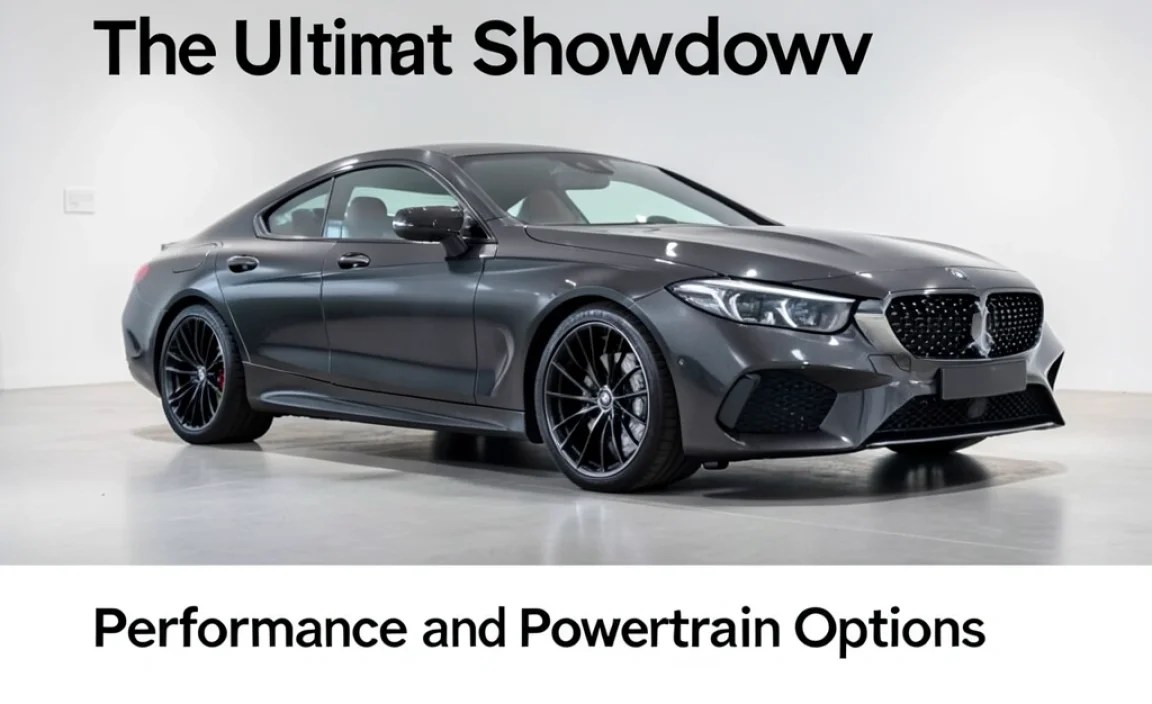
Both the CLS and the 6 Series offer a range of potent engines, from potent V6 and V8 configurations to more efficient inline-six options in some generations. The choice here often boils down to whether you prioritize smooth, effortless power delivery or sharp, responsive acceleration.
Mercedes-Benz CLS Class Powertrains
The CLS typically offers engines that are smooth, torquey, and provide ample power without being overly aggressive. Mercedes-Benz often pairs these with their advanced automatic transmissions, designed for seamless shifts and comfortable cruising. Many CLS models also feature their 4MATIC all-wheel-drive system, enhancing stability and confidence in various driving conditions.
Common CLS powertrain characteristics:
- Powerful V6 and V8 engines known for their refinement.
- Smooth-shifting automatic transmissions (e.g., 9G-TRONIC).
- Available 4MATIC all-wheel drive for enhanced traction.
- Emphasis on comfortable, long-distance cruising power.
BMW 6 Series Powertrains
BMW’s reputation is built on the “Ultimate Driving Machine,” and the 6 Series is a testament to this. Its engines are often tuned for sharper throttle response and exhilarating acceleration. Coupled with BMW’s renowned ZF automatic transmissions (or occasionally a manual in some performance variants of older generations), the 6 Series typically offers a more engaging and sporty driving experience.
Common 6 Series powertrain characteristics:
- Potent inline-six and V8 engines, often with twin-turbocharging.
- Responsive throttle mapping for immediate power delivery.
- Excellent automatic transmissions (e.g., ZF 8-speed) known for quick shifts, and sometimes manual transmission options.
- Rear-wheel drive as standard, with xDrive all-wheel drive available.
- A focus on dynamic driving and spirited performance.
Driving Dynamics and Handling

This is where the fundamental philosophical differences between Mercedes-Benz and BMW often become most apparent. The CLS aims for a refined, comfortable, and stable ride, while the 6 Series prioritizes agility, driver feedback, and a connection to the road.
Mercedes-Benz CLS Class Handling
The CLS is designed to be a supremely comfortable cruiser. Its suspension is typically tuned for absorbing road imperfections, providing a serene cabin experience. While it handles competently and offers a sense of planted confidence at speed, it’s not generally considered as sharp or involving as the 6 Series. The steering is usually precise but may not offer the same level of granular feedback.
Key handling aspects of the CLS:
- Focus on ride comfort and isolating occupants from the road.
- Stable and composed at highway speeds.
- Competent cornering, but with more body roll compared to the 6 Series.
- Precise steering, though feedback can be less pronounced.
BMW 6 Series Handling
The 6 Series excels in its ability to feel connected to the road. Its chassis is typically more rigid, and the suspension is tuned for a balance between sporty handling and reasonable comfort for a grand tourer. Steering is often praised for its directness and feedback, allowing the driver to precisely place the car. When pushed, the 6 Series generally exhibits less body roll and a more eager response to driver inputs.
Key handling aspects of the 6 Series:
- Engaging and sporty handling characteristics.
- Sharp, communicative steering.
- Well-balanced suspension for spirited driving.
- Less body roll in corners, offering a more connected feel.
Interior Comfort and Technology

Inside, both vehicles offer a luxurious environment, but with different emphases. Mercedes-Benz often leads in creating an opulent and technologically advanced cabin, while BMW focuses on a driver-centric, functional, and premium feel.
Mercedes-Benz CLS Interior and Technology
The CLS interior is an exercise in modern luxury, often featuring high-quality materials, exquisite craftsmanship, and a focus on ambient comfort. Advanced infotainment systems, intuitive controls, and a suite of driver-assistance features are standard. Mercedes-Benz has a knack for creating cabins that feel both sophisticated and welcoming.
Common interior and tech features in the CLS:
- Premium leather upholstery and finely crafted trim.
- Large, integrated infotainment screens (e.g., MBUX system).
- Advanced ambient lighting systems.
- Comprehensive suite of driver assistance systems (e.g., adaptive cruise control, lane keeping assist).
- Focus on passenger comfort and a quiet cabin.
BMW 6 Series Interior and Technology
The 6 Series cabin is designed with the driver at its core. Materials are top-notch, and the ergonomics are excellent, ensuring that controls are easily accessible. BMW’s iDrive infotainment system is known for its user-friendliness and robust functionality. While it offers luxury, the focus is often on the driving experience and the technology that supports it.
Common interior and tech features in the 6 Series:
- Sport-oriented seats offering excellent support.
- High-quality materials and precise fit and finish.
- Intuitive iDrive infotainment system with responsive controls.
- Driver-focused instrument cluster and center console.
- Technology that enhances the driving experience and connectivity.
Practicality and Space
While neither the CLS nor the 6 Series are primarily chosen for their utility, their practicality can still be a differentiating factor, especially if you need to occasionally carry passengers or cargo.
Mercedes-Benz CLS Class Practicality
As a four-door coupe, the CLS generally offers more practical rear seating and easier access than a traditional two-door coupe. The trunk space is usually sufficient for a luxury car of its type, suitable for weekend getaways or grocery runs. The “four-door coupe” designation means it prioritizes styling over outright rear passenger room compared to a traditional sedan, but it’s still more practical than a true coupe.
The CLS offers:
- Four doors for easier access to both front and rear seats.
- Reasonable rear legroom and headroom for adults, though less than a full-size sedan.
- A usable trunk for luggage and everyday needs.
BMW 6 Series Practicality
The 6 Series, particularly its Gran Coupe variants, also provides four-door accessibility. However, like the CLS, its coupe-like styling can sometimes compromise rear headroom and overall cabin spaciousness compared to traditional sedans. The trunk is typically adequate, designed to accommodate travel needs. The convertible variants obviously sacrifice some practicality in terms of trunk space and rear-seat usability.
The 6 Series offers:
- Four doors on Gran Coupe models.
- Rear seating that’s more accommodating than a two-door coupe.
- A trunk suitable for luggage.
- Convertible options that reduce practicality.
Cost of Ownership and Maintenance
Both the CLS and the 6 Series are luxury vehicles from premium manufacturers, which means maintenance costs are generally higher than for mainstream brands. However, specific costs can vary based on engine choice, model year, and the complexity of features.
When considering ownership, remember:
- Scheduled Maintenance: Both require regular oil changes, filter replacements, and fluid checks. Mercedes-Benz and BMW dealerships or qualified independent mechanics are necessary.
- Tire Replacement: Performance tires common on these models can be expensive to replace.
- Brake Systems: High-performance braking systems may require specialized parts.
- Technology Modules: As vehicles get more complex, repairing intricate electronic systems can be costly.
For the most accurate cost estimates, it’s advisable to consult resources like Edmunds’™ True Cost to Own, which provides detailed breakdowns for specific models and years.
Key Differences Summarized
To help crystallize the decision, let’s look at a high-level comparison:
| Feature | Mercedes-Benz CLS Class | BMW 6 Series |
|---|---|---|
| Design Emphasis | Elegant, flowing lines, sophisticated coupe-like styling | Sporty, aggressive, muscular stance |
| Driving Dynamics | Comfort-oriented, refined, stable | Dynamic, agile, driver-focused, engaging |
| Interior Focus | Opulent, technologically advanced, ambient luxury | Driver-centric, functional, premium sport feel |
| Powertrain Feel | Smooth, effortless power delivery | Responsive, exhilarating acceleration |
| Target Driver | Values comfort, style, and a refined journey | Prioritizes driving engagement and sportiness |
Which One is Right for You?
The choice between the Mercedes-Benz CLS Class and the BMW 6 Series comes down to your personal priorities. If your ideal drive involves gliding down the highway in supreme comfort, surrounded by sophisticated technology and understated elegance, the CLS is likely your champion. It’s for the driver who appreciates a car that makes a statement through its grace and refined presence.
However, if you crave a more visceral connection to the road, enjoy spirited driving, and prefer a car that feels more like an extension of your own senses, the 6 Series will probably resonate more deeply. It’s for the enthusiast who seeks performance wrapped in a stylish, luxurious package, with handling that inspires confidence when the roads get twisty.
Frequently Asked Questions (FAQ)
Q1: What is the main difference between the CLS and a C-Class or E-Class from Mercedes-Benz?
The CLS is positioned as a more stylish, sportier, and arguably more exclusive model. It adopts a four-door coupe design, meaning it has a sleeker, sloping roofline compared to the more traditional sedan shape of the C-Class and E-Class. This design often prioritizes aesthetics over maximum rear passenger headroom, and it typically features more premium materials and advanced tech as standard.
Q2: Is the BMW 6 Series a good car for long-distance driving?
Yes, the BMW 6 Series is an excellent grand tourer, specifically designed for comfortable and high-speed long-distance travel. It offers a blend of powerful engines, stable handling, and a well-appointed interior that makes covering long distances a pleasure. While it’s sporty, its inherent comfort and refinement make it very suitable for touring.
Q3: Which car is more reliable, the CLS or the 6 Series?
Both Mercedes-Benz and BMW are premium brands with robust engineering. Reliability can vary significantly by model year, specific engine, and how well the car has been maintained. Generally, both can be very reliable when properly cared for with regular maintenance from qualified technicians. It’s always recommended to review specific model year reliability ratings from sources like Consumer Reports or J.D. Power for the vehicles you are considering.
Q4: Does the CLS have rear-wheel steering?
Some newer generations of the Mercedes-Benz CLS model have offered rear-axle steering as an optional feature. This technology can improve maneuverability at low speeds by turning the rear wheels in the opposite direction of the front wheels, and enhance stability at higher speeds by turning them in the same direction. This was not a standard feature across all CLS models throughout its history.
Q5: Can a BMW 6 Series be used as a daily driver?
Absolutely. While it’s a performance luxury car, the 6 Series is designed to be practical enough for daily use. Its comfortable ride, good fuel economy (depending on engine), and modern technology make it a capable and enjoyable daily driver. The Gran Coupe versions offer four doors, adding to its practicality for commuting and errands.
Q6: Which car offers a more luxurious interior feel?
Mercedes-Benz often leads in creating an overtly luxurious and opulent interior experience. The CLS typically features more exquisite materials, intricate design details, and sophisticated ambient lighting that contribute to a feeling of plush comfort and advanced technology. BMW interiors are undeniably premium and driver-focused, but the emphasis is often on sportiness and functionality rather than pure luxury indulgence.
Conclusion
The Mercedes-Benz CLS Class and the BMW 6 Series are two titans in the luxury automotive landscape, each offering a compelling, albeit different, proposition. The CLS stands out as the epitome of sophisticated four-door coupe design, delivering a serene and technologically advanced driving experience that prioritizes comfort and elegance. It’s the car for those who appreciate a smooth, refined journey and a statement of subtle luxury.
Conversely, the BMW 6 Series champions the spirit of the “Ultimate Driving Machine,” providing a more dynamic, engaging, and driver-centric performance. Its sharper handling, responsive powertrains, and driver-focused cockpit appeal to those who crave an exhilarating connection with the road. Whether you’re drawn to the flowing elegance of the CLS or the athletic prowess of the 6 Series, both offer an exceptional experience that defines luxury motoring. Your final choice will undoubtedly reflect your personal driving philosophy and what you value most in a high-end automobile.


