B Class 1.3 Petrol: The Ultimate Driving Experience
The Mercedes-Benz B-Class 1.3 Petrol offers a superb blend of comfort, efficiency, and engaging driving dynamics, making it an accessible gateway to the premium Mercedes-Benz experience. It’s a car that proves luxury and practicality can go hand-in-hand for everyday driving.
Considering a Mercedes-Benz B-Class with the 1.3 petrol engine? You’re likely looking for a car that’s economical for your daily commute, comfortable on longer journeys, and still offers that touch of premium quality Mercedes-Benz is known for. It’s a popular choice, and for good reason. This engine and chassis combination strikes a sweet spot, providing a drive that’s both refined and responsive without demanding constant high revs. Many owners find it perfectly suits their lifestyle, offering a relaxed yet capable driving experience. In this guide, we’ll explore what makes the B-Class 1.3 Petrol so enjoyable and how to get the most out of its driving experience.
Understanding the Mercedes-Benz B-Class 1.3 Petrol Powertrain

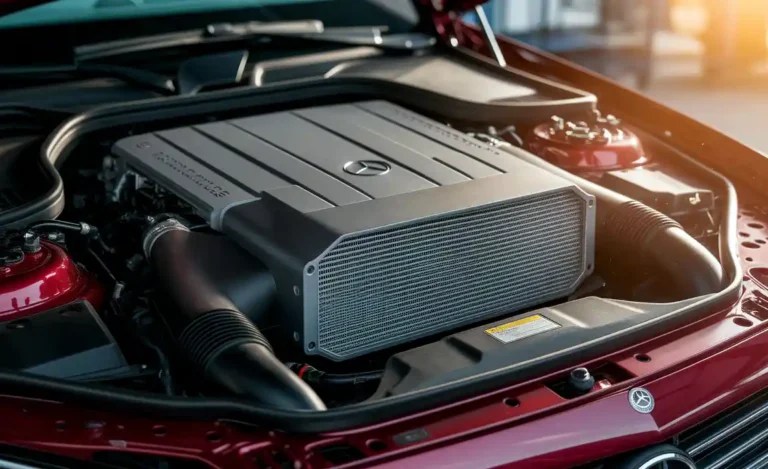
The heart of the B-Class’s driving experience, especially in this configuration, is the 1.3-litre turbocharged petrol engine. This powerplant is a result of Mercedes-Benz’s collaboration with the Renault-Nissan-Mitsubishi Alliance, a partnership that has yielded some of the most efficient and effective small displacement engines on the market. It’s designed to offer a good balance between performance and fuel economy, making it ideal for a car like the B-Class, which often serves as a versatile family vehicle or a refined commuter car. You’ll find this engine in various B-Class generations, typically badged as the B 180 or sometimes the B 200, depending on its exact power output.
Key Features of the 1.3 Petrol Engine
This compact engine packs a surprising punch. It utilizes modern engine technologies to maximize efficiency and performance:
- Turbocharging: A turbocharger forces more air into the engine, allowing it to produce more power than a naturally aspirated engine of the same size. This means brisk acceleration when you need it, even from a relatively small engine.
- Direct Injection: Fuel is injected directly into the combustion chamber, leading to more precise fuel delivery, improved efficiency, and better combustion.
- Variable Valve Timing: This technology optimises the opening and closing of engine valves to improve performance and fuel economy across different engine speeds.
- Low Friction Components: Internally, the engine is designed with low-friction materials and coatings to reduce energy loss, further enhancing efficiency.
Performance Figures to Expect
While specific power outputs can vary slightly depending on the model year and exact variant (B 180 vs. B 200), here are typical figures you might encounter for the B-Class with the 1.3 petrol engine:
| Specification | Typical Value (B 180) | Typical Value (B 200) |
|---|---|---|
| Engine Displacement | 1.3 Litres | 1.3 Litres |
| Horsepower | ~130-136 hp | ~160-170 hp |
| Torque | ~200-230 Nm | ~250-270 Nm |
| Transmission Options | 7-speed DCT (dual-clutch automatic) | 7-speed DCT or 8-speed DCT (depending on generation) |
| 0-62 mph (0-100 km/h) | ~9.0 – 9.9 seconds | ~8.0 – 8.4 seconds |
| Fuel Economy (WLTP) (Combined) | ~5.2 – 6.0 L/100km | ~5.4 – 6.2 L/100km |
These figures indicate that the B-Class 1.3 Petrol is more than capable of keeping up with traffic and providing enjoyable acceleration. The real magic, however, lies in how these numbers translate to the road.
The Driving Experience: Comfort Meets Agility

The Mercedes-Benz B-Class is designed as a compact sports tourer, meaning it aims to blend the comfort of a larger car with the agility and practicality of a smaller one. The 1.3 petrol engine plays a crucial role in delivering this duality.
City Driving and Commuting
In urban environments, the B-Class 1.3 Petrol shines. The engine is refined and hushed at lower speeds, contributing to a peaceful cabin. The automatic transmission (usually a 7-speed dual-clutch, known as 7G-DCT or 8G-DCT in later models) shifts smoothly, ensuring that city crawling is effortless. Its compact dimensions and good visibility make navigating tight streets and parking a breeze. The torquey nature of the turbocharged engine means that pulling away from traffic lights is responsive, without feeling the need to rev the engine hard.
Highway Cruising and Long Journeys
On the open road, the B-Class 1.3 Petrol provides a remarkably comfortable and composed ride. Mercedes-Benz chassis tuning is renowned for its ability to absorb bumps and imperfections, and the B-Class is no exception. The engine settles into a relaxed pace, with the turbocharger providing ample power for overtakes without fuss. The gearing is set up to keep revs low at cruising speeds, enhancing fuel economy and reducing engine noise. This makes it an excellent companion for longer journeys, where driver fatigue is often a concern.
Handling and Dynamics
While not a performance car in the mould of an AMG, the B-Class offers competent and predictable handling. The steering is typically well-weighted, providing good feedback without being overly heavy. The suspension strikes a pleasing balance between comfort and body control, meaning the car feels planted and stable when cornering. You can confidently navigate country lanes, and the car will feel sure-footed. For those who enjoy a bit more engagement, selecting a model with Dynamic Select (which allows you to choose different driving modes) can subtly alter the throttle response and transmission shift points.
The Role of the Transmission
The dual-clutch transmission (DCT) is a key component of the B-Class’s driving feel. Unlike traditional torque converter automatics, DCTs can offer faster, sportier shifts. In normal driving, they are programmed for smoothness, but when you demand brisk acceleration, they can deliver rapid gear changes, contributing to the car’s sprightly feel. Understanding how to use the manual mode (often via paddle shifters behind the steering wheel) can enhance the driving experience on winding roads.
Fuel Efficiency and Cost of Ownership

One of the main draws of the 1.3 petrol engine is its impressive fuel economy. Mercedes-Benz has made significant strides in making its petrol engines more efficient, and this powerplant is a prime example.
Real-World MPG
While official WLTP figures are a good guide, your actual mileage will depend on your driving style and conditions. Expect to achieve figures close to the advertised combined ratings in mixed driving. For city-heavy commutes, you might see slightly lower numbers, while consistent highway driving can often exceed them. The efficient engine design and aerodynamic profile of the B-Class contribute to its excellent economy for a premium compact car.
Maintenance Considerations
As with any Mercedes-Benz, regular maintenance is key to ensuring longevity and optimal performance. The 1.3 petrol engine typically requires servicing according to Mercedes-Benz’s recommendations, which usually involves:
- Oil Changes: Using the correct grade of synthetic oil is crucial for engine protection and efficiency. Check your owner’s manual for the specified oil type and service interval.
- Filter Replacements: Air filters, pollen filters, and fuel filters (if applicable) should be replaced at recommended intervals to maintain engine performance and cabin air quality.
- Spark Plugs: These will need replacing at specific mileage intervals to ensure efficient combustion.
- Coolant and Brake Fluid: Scheduled checks and replacements are vital for safety and component longevity.
For DIY enthusiasts, common checks include fluid levels, tire pressures, and inspecting for any visible leaks. More in-depth maintenance, such as timing belt (or chain, depending on the specific engine variant) checks, is best left to qualified technicians. For detailed maintenance schedules, the official Mercedes-Benz owner’s portal is an excellent resource.
Insurance and Road Tax
The B-Class 1.3 Petrol typically falls into moderate insurance groups, making it a more accessible premium option than some larger or performance-oriented models. Road tax (or Vehicle Excise Duty in the UK) will depend on the vehicle’s CO2 emissions, which are generally favourable for this engine size. Always check the specific vehicle’s tax band when purchasing.
Maximizing Your B-Class 1.3 Petrol Driving Experience

To truly enjoy your B-Class 1.3 Petrol, consider these tips:
1. Embrace the Transmission Modes
If your B-Class is equipped with Dynamic Select, experiment with the different driving modes. The ‘Eco’ mode prioritizes fuel efficiency by softening throttle response and favouring early gear shifts. ‘Comfort’ is the default, offering a balanced drive. ‘Sport’ sharpens throttle response and holds gears slightly longer for a more dynamic feel. For most everyday driving, ‘Comfort’ is ideal, but ‘Sport’ can add a bit of fun on twisty roads.
2. Understand Turbo Lag (or Lack Thereof)
While modern turbochargers are very effective, there can still be a slight delay between pressing the accelerator and the full surge of power. To minimise this, anticipate your acceleration needs. For example, when pulling out into traffic, press the accelerator smoothly rather than with a sudden jab. The engine’s good low-end torque means it usually pulls away strongly anyway.
3. Proper Tire Maintenance
The tires are your only contact with the road. Ensure they are correctly inflated to the pressures recommended on the sticker in your driver’s side doorjamb or fuel filler flap. Properly inflated tires improve handling, fuel economy, and ride comfort. Regular alignment checks can also prevent uneven tire wear and maintain the car’s handling characteristics.
4. Keep it Clean and Well-Lubricated
Regular washing and waxing protect the paintwork, preserving the car’s premium appearance. Inside, keeping surfaces clean and well-maintained ensures the luxury feel lasts. Mechanically, regular fluid checks and following the service schedule are paramount. Don’t underestimate the impact of clean air and fuel filters on engine performance and efficiency.
5. Utilize Mercedes-Benz Technologies
Explore the features your B-Class offers. Features like adaptive cruise control (if equipped) can make highway driving far less fatiguing. The infotainment system often integrates seamlessly with smartphones, providing navigation and entertainment. Getting to know all the functions will enhance your daily driving enjoyment.
B-Class 1.3 Petrol vs. Other Engine Options

How does the 1.3 Petrol stack up against other B-Class powertrains?
- B-Class Diesel (e.g., 1.5 or 2.0 litre): Diesels offer typically higher torque and better fuel economy on very long journeys, especially older models. However, they can be noisier, especially when cold, and may face more restrictions in urban low-emission zones. The 1.3 petrol is generally smoother and quieter.
- B-Class Higher Petrol Outputs (e.g., older 1.6 or 2.0 litre): These will offer more outright power and quicker acceleration but at the expense of fuel economy and typically a higher purchase price. The 1.3 strikes a balance that many find sufficient.
- B-Class Plug-in Hybrid (e.g., B 250 e): These offer exceptional efficiency for short commutes if you can charge regularly, with the petrol engine acting as a range extender. However, they come with a higher purchase price and complexity.
For most drivers seeking a refined, economical, and pleasant all-rounder, the 1.3 petrol engine in the B-Class is an outstanding choice. Its blend of responsive power and excellent efficiency is hard to beat in its segment.
Common Questions About the B-Class 1.3 Petrol
What is the typical fuel consumption of the B-Class 1.3 Petrol?
The official combined fuel consumption for models like the B 180 or B 200 with the 1.3 petrol engine ranges from approximately 5.2 to 6.2 litres per 100 kilometres (around 45-54 MPG, depending on variant and driving conditions). Real-world figures will vary based on driving style and conditions.
Is the 1.3 petrol engine reliable?
Yes, the 1.3 litre petrol engine is generally considered reliable. It benefits from modern engineering and is part of a well-established engine family used across several brands within the Renault-Nissan-Mitsubishi Alliance. As with any engine, regular maintenance and adherence to the service schedule are crucial for long-term reliability.
What type of transmission does the B-Class 1.3 Petrol usually have?
Most B-Class models equipped with the 1.3 petrol engine feature a dual-clutch automatic transmission. This is often a 7-speed (7G-DCT) or, in later models, an 8-speed (8G-DCT) transmission, offering quick and efficient gear changes.
Can I feel turbo lag in the B-Class 1.3 Petrol?
Modern turbocharging technology significantly minimizes turbo lag. While there might be a very slight delay compared to a larger naturally aspirated engine, the 1.3 petrol engine’s responsive nature and ample low-end torque mean that significant lag is rarely an issue. It feels quite punchy from low revs.
Is the B-Class 1.3 Petrol good for long-distance driving?
Absolutely. The B-Class is designed as a comfortable compact tourer. The 1.3 petrol engine is quiet and efficient at highway speeds, and the car’s suspension is adept at smoothing out road imperfections, making it an excellent car for long journeys.
Are there any known common issues with this engine?
As with any powertrain, specific issues can arise, but there are no widespread, common faults reported for the 1.3 petrol engine that would deter buyers. Following the manufacturer’s recommended maintenance schedule is the best way to prevent potential problems. Owners should pay attention to service intervals for oil changes and filter replacements.
Conclusion: The Smart Choice for a Premium Drive
The Mercedes-Benz B-Class with the 1.3 petrol engine represents a compelling proposition for those seeking a premium hatchback that balances luxury, comfort, and everyday usability. It’s a vehicle that doesn’t shout for attention but earns appreciation through its refined engineering and thoughtful design. The efficient yet capable 1.3-litre engine provides the power needed for a variety of driving scenarios, from navigating urban streets to cruising on the open road, all while keeping your fuel bills in check. Coupled with the B-Class’s practical interior, comfortable ride, and comprehensive safety features, it solidifies its place as an accessible gateway to the Mercedes-Benz ownership experience.
Whether you’re a first-time Mercedes-Benz buyer, a conscious commuter, or a driver who appreciates sophisticated yet unpretentious engineering, the B-Class 1.3 Petrol offers a thoroughly satisfying driving experience. It proves that you don’t need a large, thirsty engine to enjoy the premium hallmarks of the three-pointed star. It’s a smart, well-rounded choice that continues to delight its owners with its blend of performance, efficiency, and comfort. So, if a premium, versatile, and enjoyable car is what you’re after, the B-Class 1.3 Petrol should certainly be high on your list.