
Legendary Utility Vehicle Maintenance Checklist: Essential Care
Keep your legendary utility vehicle running smoothly with a simple, essential maintenance checklist. Regular checks ensure peak performance, safety, and longevity, transforming potential headaches into pride of ownership.
Owning a legendary utility vehicle means owning a piece of automotive history and a highly capable machine. But even the most robust vehicles require consistent care to maintain their legendary status. Neglecting routine maintenance can lead to costly repairs and diminish the driving experience you love. Many owners feel overwhelmed by the prospect of maintaining such a sophisticated vehicle. You might wonder where to start, what to check, and how often. This guide is designed to simplify the process, offering a clear, step-by-step approach to essential utility vehicle maintenance. We’ll break down what you need to know to keep your prized possession in top condition, ensuring it remains a reliable companion for years to come.
Your Legendary Utility Vehicle Maintenance Checklist: Essential Care

Legendary utility vehicles, often synonymous with robust engineering and unmatched capability, deserve meticulous attention. Whether you’re navigating rugged terrains or cruising city streets, consistent maintenance is the bedrock of longevity and performance. This checklist is crafted to be beginner-friendly, covering the most crucial areas to ensure your utility vehicle remains a symbol of reliability and power.
Understanding Your Utility Vehicle’s Needs

The term “utility vehicle” often conjures images of rugged, go-anywhere capabilities, but modern iterations are complex marvels of engineering. They combine powerful drivetrains, advanced suspension systems, and sophisticated electronics. Understanding the specific needs of your model is the first step. While this checklist provides a comprehensive overview, always consult your vehicle’s owner’s manual for model-specific intervals and recommendations. Mercedes-Benz, for example, dedicates significant resources to ensuring their vehicles are built to last, but this requires a partnership with the owner.
Why Regular Maintenance Matters

Think of regular maintenance as an investment. It’s not just about fixing problems; it’s about preventing them. Early detection of minor issues can save you from major, expensive repairs down the line. Furthermore, a well-maintained vehicle performs better, consumes fuel more efficiently, and is safer to operate. For a luxury utility vehicle, maintaining its resale value is also a significant benefit of consistent care. According to NHTSA, proper tire maintenance is critical for safety and efficiency.
The Essential Maintenance Checklist

This checklist is divided into key areas. We’ll cover what to check, when to check it, and why it’s important. Remember, some tasks are best left to certified professionals, especially those involving complex systems.
Fluid Levels: The Lifeblood of Your Vehicle
Fluids are essential for lubrication, cooling, and operation. Low or contaminated fluids can cause severe damage.
- Engine Oil: This is paramount. It lubricates moving parts, reduces friction, and helps cool the engine.
- Coolant (Antifreeze): Prevents the engine from overheating or freezing.
- Brake Fluid: Essential for the hydraulic braking system. Contaminated or low fluid can lead to brake failure.
- Power Steering Fluid: Ensures smooth operation of the steering system.
- Transmission Fluid: Lubricates and cools the transmission.
- Windshield Washer Fluid: Crucial for visibility.
Tire Care: Your Connection to the Road
Your tires are the only part of your vehicle in contact with the road. Proper care ensures safety, traction, and optimal handling.
- Tire Pressure: Check monthly when tires are cold. Refer to your owner’s manual or the sticker on the driver’s side doorjamb for the recommended pressure.
- Tread Depth: Insufficient tread reduces grip, especially in wet conditions. Use a tire tread depth gauge or the penny test (insert a penny into the tread; if you can see the top of Lincoln’s head, it’s time for new tires).
- Tire Rotation: Rotate tires every 5,000-7,500 miles to ensure even wear.
- Alignment: If you notice uneven tire wear or your vehicle pulls to one side, have your alignment checked.
Brakes: Safety First
Your braking system is a critical safety component. Never compromise on brake maintenance.
- Brake Pads and Rotors: Listen for squealing or grinding noises. Visually inspect for wear if possible.
- Brake Fluid Level: Check the reservoir.
- Brake Lines: Inspect for any signs of damage or leaks.
Lights and Wipers: Visibility is Key
Ensure all lights are functional and wipers are in good condition for clear visibility in all conditions.
- Headlights, Taillights, Brake Lights, Turn Signals: Check all lights regularly.
- Windshield Wipers: Replace worn blades that leave streaks or chatter.
- Washer Fluid System: Top up and ensure nozzles are clear.
Battery: The Heart of Your Electrical System
A healthy battery ensures your vehicle starts reliably and all electrical components function correctly.
- Terminals: Check for corrosion. Clean with a wire brush if necessary.
- Connections: Ensure the battery is securely fastened.
- Age: Batteries typically last 3-5 years. If your vehicle is slow to start, consider a battery test. For advanced battery knowledge, The U.S. Department of Energy offers comprehensive resources.
Belts and Hoses: The Unsung Heroes
These components drive essential functions like power steering, alternator, and cooling systems.
- Belts: Inspect for cracks, fraying, or excessive wear.
- Hoses: Check for cracks, bulges, or leaks. Squeeze them; they should be firm, not brittle or mushy.
Air Filters: Breathing Easy
Two main air filters affect your vehicle’s performance and cabin air quality.
- Engine Air Filter: Prevents dirt and debris from entering the engine. A clogged filter reduces performance and fuel efficiency.
- Cabin Air Filter: Filters the air entering the passenger compartment, improving air quality for occupants.
Scheduled Maintenance Intervals: A Deeper Dive

Beyond daily checks, manufacturers recommend scheduled maintenance services at specific mileage or time intervals. These are critical checkpoints designed to address wear and tear before it becomes a problem.
Under-Hood Inspections: What to Look For
When you pop the hood, several things warrant a quick visual inspection.
- Belts: Look for tension and any signs of cracking or fraying.
- Hoses: Inspect for leaks, bulges, or soft spots.
- Battery: Check terminals for corrosion.
- Fluid Reservoirs: Ensure levels are within the ‘min’ and ‘max’ marks.
- Wiring: Look for any loose or damaged connections.
Underneath the Vehicle: Crucial Checks
Getting under your vehicle (safely, of course, using jack stands if you’re doing it yourself) can reveal important issues.
- Exhaust System: Check for rust, holes, or loose components.
- Suspension Components: Look for leaks in shock absorbers or damaged bushings.
- Fluid Leaks: Puddles under your vehicle are a clear sign something needs attention. Note the color and location of the leak.
DIY vs. Professional Maintenance: Knowing Your Limits

Many maintenance tasks can be performed by the diligent DIY owner. However, some require specialized tools, knowledge, and training.
DIY Tasks:
- Checking and topping up fluids
- Checking tire pressure and tread depth
- Replacing wiper blades
- Replacing cabin air filters
- Cleaning battery terminals
- Visual inspections under the hood
When to Call a Professional:
- Engine oil changes (can be DIY, but professionals ensure proper disposal and use of correct oil/filters)
- Brake system repairs (pads, rotors, fluid flush)
- Transmission fluid flush/replacement
- Coolant system service
- Timing belt replacement (critical, non-negotiable for many engines)
- Suspension and steering repairs
- Electrical system diagnostics
- Any task requiring specialized diagnostic equipment
For Mercedes-Benz vehicles, adhering to the manufacturer’s recommended service schedule at an authorized service center or a reputable independent specialist is highly recommended to maintain warranty and ensure expert care.
Maintenance Schedule Example (General)
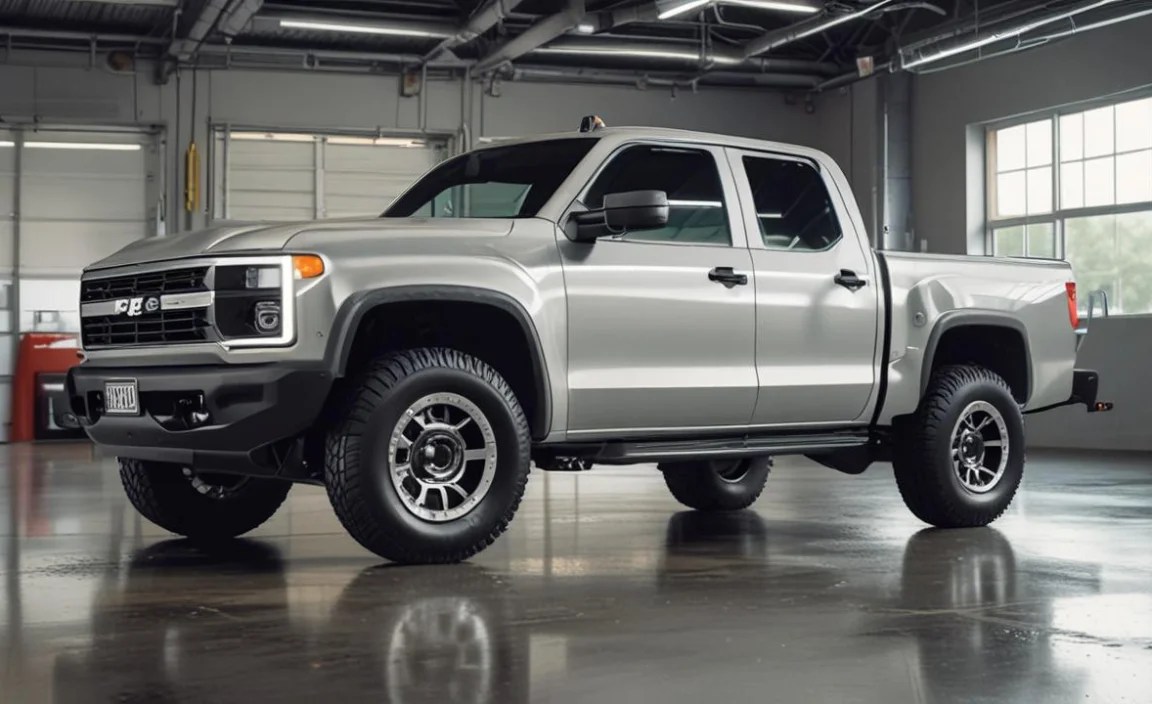
This table provides a general guideline. Always refer to your Mercedes-Benz owner’s manual for your specific model’s recommended intervals.
| Service Interval | Key Checks & Services | Notes |
|---|---|---|
| Every Oil Change (e.g., 5,000-10,000 miles) | Engine oil and filter change, tire inspection (pressure, tread), fluid level checks (coolant, brake, power steering, washer), wiper blade check, exterior light check. | This is the most frequent service and crucial for engine health. |
| Every 15,000-20,000 miles | Includes above plus: Cabin air filter replacement, engine air filter inspection, brake system inspection (pads, rotors, lines), suspension and steering component check, exhaust system check, battery terminal check. | More thorough check of critical systems. |
| Every 30,000-40,000 miles | Includes above plus: Brake fluid replacement, coolant inspection/partial flush, drive belt inspection. | Addresses wear on fluids and belts. |
| Every 60,000-100,000 miles | Includes above plus: Transmission fluid service (may vary significantly by model and fluid type – refer to manual), spark plug replacement (depending on engine type), coolant system flush. | Major service points addressing long-term component health. Timing belt replacement is often much earlier or later depending on material. |
Special Considerations for Utility Vehicles
Off-Roading and Heavy Use
If your utility vehicle sees regular off-road use, towing heavy loads, or participates in demanding activities, you’ll need to shorten maintenance intervals. Dirt, dust, and stress place additional burdens on your vehicle. Check fluids and filters more frequently, inspect suspension and undercarriage for damage, and pay close attention to brakes after heavy use. The U.S. Forest Service offers guidelines related to vehicle use in natural environments that indirectly highlight the need for robust vehicles and their maintenance.
Towing and Hauling
Towing puts extra strain on your engine, transmission, brakes, and suspension. If you frequently tow or haul heavy loads, consider:
- More frequent transmission fluid checks and changes.
- Increased frequency for brake inspections.
- Ensuring your cooling system is in optimal condition.
- Checking tire pressure and tread depth more often, as load affects these significantly.
Maintaining Your Vehicle’s Interior and Exterior
While the mechanical aspects are crucial, don’t neglect the details that keep your vehicle looking and feeling as legendary as it performs.
Exterior Care: Protecting the Finish
Regular washing and waxing protect the paintwork from environmental damage, UV rays, and corrosion.
- Washing: Use a pH-neutral car shampoo and a microfiber wash mitt. Avoid harsh detergents.
- Drying: Use clean microfiber towels to prevent scratches.
- Waxing: Apply a quality wax or sealant every 3-6 months to protect the paint.
- Checking for Damage: Inspect for scratches, dents.
Interior Care: A Comfortable Cabin
A clean interior enhances your driving experience and helps maintain resale value.
- Vacuuming: Regularly vacuum floors, mats, and seats.
- Cleaning Surfaces: Use appropriate interior cleaners for dashboards, door panels, and leather/fabric seats.
- Window Cleaning: Keep interior glass clean for optimal visibility.
- Check Floor Mats: Ensure they are properly secured and not creating a hazard.
Advanced Maintenance & Tips
For those looking to go above and beyond, a few extra points can make a difference.
Understanding Your Owner’s Manual
This document is your vehicle’s bible. It contains specific maintenance schedules, fluid types, tire pressures, and troubleshooting tips unique to your model. Make it your first point of reference.
Using Quality Parts and Fluids
For a Mercedes-Benz, using Original Equipment Manufacturer (OEM) parts and approved fluids is crucial. These components are designed to meet the exact specifications of your vehicle, ensuring optimal performance and longevity. Using sub-par parts can lead to premature wear and expensive failures.
Recognizing Warning Signs
Listen to your vehicle. Unusual noises (grinding, squealing, clunking), smells (burning oil, sweet coolant), vibrations, or dashboard warning lights are all signals that something needs attention. Address these promptly.
Frequently Asked Questions (FAQs)
How often should I change my engine oil and filter?
For most modern Mercedes-Benz utility vehicles, the recommended interval is typically between 10,000 to 15,000 miles or once a year, whichever comes first. However, always consult your owner’s manual for the precise interval for your specific model. Driving conditions (frequent short trips, dusty environments) might necessitate more frequent changes.
What is the importance of tire rotation?
Tire rotation helps ensure that all tires wear evenly. This prolongs their lifespan, maintains optimal handling and traction, and can prevent the need for premature tire replacement. It’s generally recommended every 5,000 to 7,500 miles.
When should I check my brake fluid?
Brake fluid levels should be checked alongside other fluid levels during routine maintenance. If the fluid level is low, it could indicate worn brake pads or a leak in the system. Brake fluid should also be flushed and replaced according to the manufacturer’s schedule, often every 2-3 years, as it can absorb moisture over time, reducing its effectiveness.
My Mercedes-Benz has a complex infotainment system. Does it need maintenance?
While not mechanical, the infotainment and electronic systems can benefit from software updates, which are usually performed during scheduled service visits. Ensure your vehicle’s software is kept up-to-date by your service provider for optimal performance and access to the latest features.
What are the signs that my battery might need replacing?
Common signs include a slow engine crank when starting, dimming headlights or interior lights, and electrical accessories not working correctly. If your battery is more than 3-5 years old, it’s advisable to have it tested during a routine service.
How do I know if my vehicle needs an alignment?
Signs of misalignment include your vehicle pulling to one side, uneven tire wear (e.g., wear on the edges or the center of the tire), or a steering wheel that is not centered when driving straight. Regular checks, especially after hitting a pothole or curb, are recommended.
Is it okay to use generic parts for my Mercedes-Benz?
While generic parts might seem cheaper, they are often not designed to the same precise standards as OEM parts. For optimal performance, safety, and longevity of your luxury vehicle, it’s strongly recommended to use genuine Mercedes-Benz parts or high-quality aftermarket parts specifically designed for your model.
Conclusion: Ensuring Your Legend Endures
Maintaining a legendary utility vehicle is a rewarding experience. By following this essential checklist, you are not just performing maintenance; you are investing in the future of your vehicle. Consistent, diligent care ensures that your capable machine continues to offer performance, luxury, and reliability for many adventures to come. Remember, your owner’s manual is your ultimate guide, and combining its recommendations with regular visual checks and timely professional services will keep your legendary vehicle performing at its peak. Enjoy the drive, knowing you’re taking the best possible care of your automotive icon.


