
Utility Vehicle For Desert Deliveries: Ultimate Performance
For desert deliveries, the ultimate utility vehicle needs robust 4×4 capability, high ground clearance, a powerful yet efficient engine, durable construction, and advanced traction systems to conquer sand, heat, and rugged terrain.
Imagine a critical delivery needed in a remote desert outpost. Dust devils swirl, the sun beats down, and the terrain ahead is unforgiving sand and rock. This isn’t just a remote job; it’s a challenge that calls for a very specific kind of vehicle: a utility vehicle built for extreme desert deliveries. Many vehicles falter under the immense heat and shifting sands, leaving drivers stranded. But what exactly makes a utility vehicle excel in these harsh conditions? This guide will break down the essential features, from powertrain to specialized technologies, that define ultimate performance for desert duty. We’ll explore how to choose and equip a vehicle that not only survives but thrives, ensuring your deliveries reach their destination, no matter the desert’s demands.
The Unrelenting Challenge: Why Deserts Demand More

Deserts are more than just sand dunes and extreme temperatures. They present a unique trifecta of challenges for any vehicle: extreme heat, loose and abrasive terrain, and often, significant distances between services. These factors push standard vehicles to their limits, leading to overheating, component failure, and getting stuck. For businesses relying on timely deliveries, this can mean lost revenue and damaged reputation. A dedicated utility vehicle for desert deliveries isn’t just about getting from point A to point B; it’s about ensuring reliability when failure is not an option.
Heat Management: The Silent Killer
The most immediate threat in a desert is heat. Ambient temperatures can soar well above 100°F (38°C), and surfaces like sand can reach far higher. This intense heat places immense stress on an engine’s cooling system, transmission, tires, and even electrical components. Inadequate cooling can quickly lead to engine shutdown, cracked components, and in the worst cases, irreparable damage. A vehicle designed for desert use needs a substantially upgraded cooling system.
Terrain Taming: Sand, Rocks, and Isolation
Desert terrains are rarely uniform. While sand is common, you’ll also encounter rocky paths, dry creek beds, and unpredictable soft patches. These conditions require more than just basic four-wheel drive. Enhanced ground clearance is crucial to avoid scraping the undercarriage on rocks or getting bogged down. Advanced traction control and sophisticated all-wheel-drive systems are vital for maintaining forward momentum without spinning wheels uselessly, which can dig the vehicle in deeper.
Durability and Dependability: Built to Last
The abrasive nature of sand – a fine, sharp powder – gets into everything. It can wear down seals, clog air filters, and damage paintwork. Components must be robust and well-protected. Furthermore, the remoteness of many desert locations means getting help can be difficult and time-consuming. This underscores the need for a vehicle that is not only powerful but also incredibly durable and reliable, requiring minimal intervention in the field.
Key Performance Features for Desert Utility Vehicles

Selecting the right utility vehicle for desert deliveries involves scrutinizing specific performance enhancements. These features are designed to combat the unique challenges of arid environments, ensuring both operational efficiency and longevity.
1. Robust Powertrain and Cooling Systems
The heart of any desert-ready vehicle is its engine and how it stays cool. For desert deliveries, this means looking beyond standard specifications. A larger displacement engine or a turbocharged unit often provides the necessary torque to pull through sand, but it must be paired with an exceptional cooling system.
- Engine Choice: While smaller, fuel-efficient engines might seem appealing, they can struggle under sustained load in high temperatures. A slightly larger, naturally aspirated engine or a well-managed turbocharged engine often offers a better balance of power and reliability in extreme heat. Look for engines known for their durability and thermal stability.
- Upgraded Cooling: This is paramount. An oversized radiator, a heavy-duty fan (often electric for better control), and robust coolant lines are essential. Some systems even incorporate auxiliary coolers for the engine oil and transmission fluid. Ensuring the coolant is a high-quality, freeze-proof (and boil-over-proof) formulation is also critical. For instance, a high-performance coolant like these from specialists can offer superior heat transfer properties compared to standard options.
- Transmission Durability: The transmission, whether automatic or manual, will endure significant stress, especially when navigating soft sand. Look for transmissions with robust internal components and, if automatic, consider one with advanced cooling and selectable low-range gearing for controlled crawling.
2. Superior Drivetrain and Traction Control
Getting stuck is a primary concern. A competent drivetrain can mean the difference between making a profitable delivery and a costly recovery operation. This involves not just four-wheel drive, but intelligent systems that adapt to the terrain.
- Advanced 4WD/AWD Systems: True four-wheel drive with a low-range transfer case is highly advantageous for tackling steep dunes or deeply embedded sand. Modern all-wheel-drive systems are also increasingly sophisticated, using electronics to distribute power to wheels with the most grip.
- Locking Differentials: These are game-changers. A locking center, rear, or even front differential ensures that power is sent equally to both wheels on an axle (or between front and rear axles for a center diff). This prevents wheels from spinning freely in loose conditions, maintaining traction. Many modern SUVs and trucks offer electronic locking differentials.
- Traction Control & Stability Systems: Look for systems that are specifically tuned for off-road or sand driving. Some advanced systems can mimic locking differentials by selectively braking spinning wheels. For extreme conditions, systems that can be manually adjusted or have specific “sand” modes are invaluable.
- All-Terrain Tires: Tires are your only contact with the ground. Aggressive tread patterns on all-terrain (A/T) tires provide better grip in loose sand and on rocky surfaces than standard road tires. Ensure they are rated for the load you’ll carry and are fitted with robust sidewalls to resist punctures. Checking tire pressure is also critical; lower pressures can increase the tire’s contact patch on sand, improving flotation and traction. A good tire pressure monitoring system (TPMS) is a plus. You can find more information on tire types and their suitability for different terrains at resources like Tire Rack’s guide to tire types.
3. Elevated Ground Clearance and Underbody Protection
The desert floor is rarely smooth. Obstacles can appear suddenly, and uneven terrain demands sufficient clearance to protect vital components.
- High Ride Height: A factory-lifted suspension or the ability to easily lift the vehicle is crucial. This extra space prevents the chassis, exhaust system, fuel tank, and drivetrain components from grounding out on rocks, ruts, or uneven surfaces.
- Skid Plates: Robust metal skid plates are non-negotiable. They protect the engine oil pan, transmission, transfer case, fuel tank, and differentials from impacts with rocks and debris. Materials like steel or durable aluminum alloys are common.
- Protected Air Intakes: Sand is abrasive and can clog air filters quickly. A high-mounted air intake, often referred to as a “snorkel,” helps ensure the engine breathes cleaner air, especially when driving through dust clouds or shallow water crossings (though water is less common in deserts, dust is ubiquitous).
4. Specialized Features for Extreme Environments
Beyond the core mechanicals, several other features enhance a vehicle’s suitability for desert deliveries.
- Robust Air Filtration: The standard air filter might not be sufficient. Consider vehicles with multi-stage filtration systems or aftermarket performance filters designed for dusty environments. Regular inspection and replacement are key.
- Reinforced Suspension Components: Desert driving puts a lot of stress on suspension. Heavy-duty shock absorbers, stronger springs, and more durable control arms can prevent premature wear and failure.
- Wheeled Components: Ensure that any exposed components, such as brake lines and electrical connectors, are well-protected or routed to minimize exposure to abrasion and extreme heat.
- Long-Range Fuel Capacity: Deliveries can sometimes require covering vast distances. A larger fuel tank or the ability to fit auxiliary tanks is a practical consideration for reducing the frequency of refueling stops in remote areas.
- Advanced Interior Climate Control: While not directly a performance feature, a powerful and efficient air conditioning system is vital for driver comfort and operational focus. In extreme heat, a malfunctioning A/C can quickly lead to driver fatigue and reduced performance.
Evaluating Potential Utility Vehicles
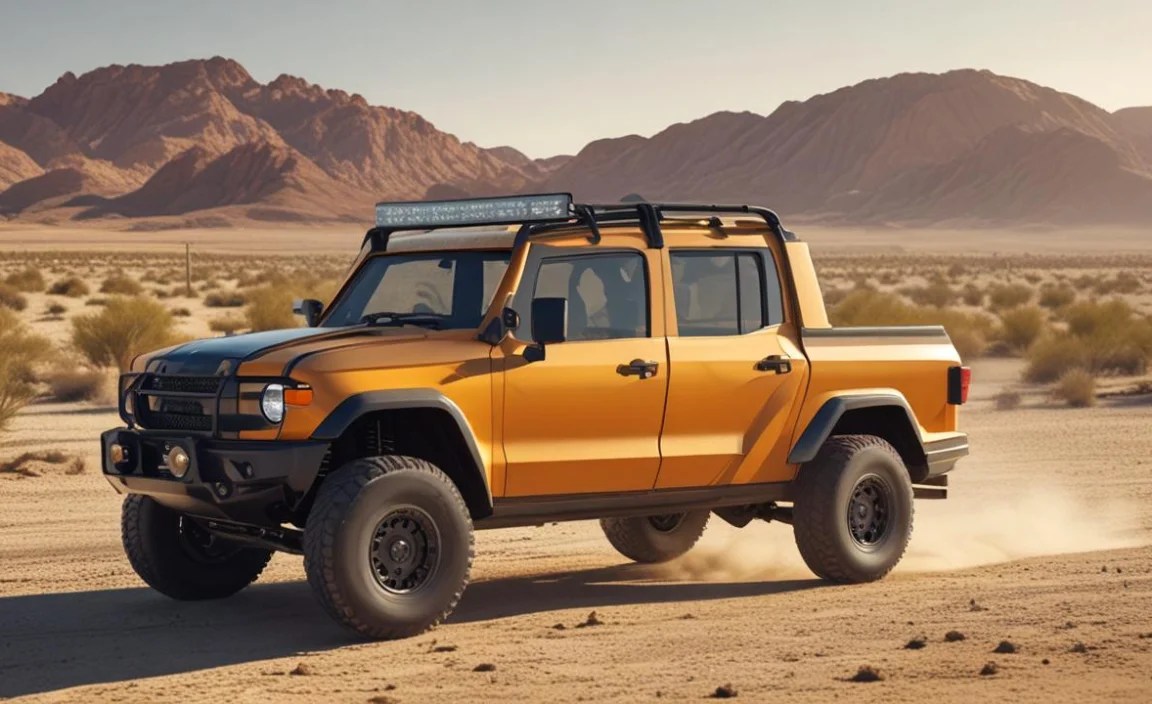
When it comes to choosing a utility vehicle for desert deliveries, certain models and manufacturers stand out due to their inherent design philosophies and proven track records in demanding environments. While Mercedes-Benz is renowned for luxury, some of their vehicles, particularly those with robust 4MATIC all-wheel-drive systems and off-road packages, can be surprisingly capable when properly equipped.
Mercedes-Benz Options and Considerations
While not traditionally built as hardcore off-roaders, certain Mercedes-Benz models offer a blend of luxury, advanced technology, and capable all-wheel drive that can be adapted for desert use, especially with specific optional packages. The key is to focus on models that prioritize robustness and capability over pure on-road refinement.
1. Mercedes-Benz G-Class (G-Wagen)
The G-Class is the undisputed king of rugged Mercedes-Benz vehicles. Its body-on-frame construction, standard locking differentials (center, rear, and front), and excellent factory ground clearance make it inherently desert-ready.
- Key Strengths: Unmatched off-road capability right from the factory, exceptional durability, powerful engines, and sophisticated all-wheel-drive with truly lockable differentials. Its robust build is designed for extreme conditions.
- Considerations: High purchase price, higher fuel consumption, and a less refined ride on pavement compared to other Mercedes models. For commercial delivery, the luxury interior might be seen as less practical.
- 4×4 Information: The permanent all-wheel drive system with a lockable transfer case and three independently lockable differentials is a core part of the G-Class’s legend. This system offers unparalleled traction control. You can find more details on Mercedes-Benz’s 4×4 systems at their official site, often under technology or drivetrain sections, such as those detailing Mercedes-Benz 4MATIC (though it should be noted the G-Class uses a more robust, dedicated off-road drivetrain).
2. Mercedes-Benz GLE/GLS with Off-Road Engineering Package
For those who need a more comfortable and versatile vehicle that can still tackle challenging terrain, the GLE and GLS SUVs, whenoptioned with the Off-Road Engineering Package, become serious contenders.
- Key Strengths: Excellent comfort, advanced technology, powerful engines, and sophisticated 4MATIC all-wheel drive. The Off-Road Engineering Package typically includes features like increased ground clearance (via adjustable air suspension), robust underbody protection (skid plates), and specialized off-road driving modes. The adjustable air suspension (AIRMATIC) is crucial here, allowing for significant ride height increases.
- Considerations: It’s not a body-on-frame vehicle like the G-Class, so extreme rock crawling might test its limits more. Tire choice and proper execution of off-road driving techniques are more critical.
- Off-Road Engineering Package Details: This package often enhances the vehicle’s ability to handle uneven terrain and reduces the risk of damage. It typically includes a reinforced structure, underbody protection, and the AIRMATIC air suspension system which can raise the vehicle significantly. The specific features and benefits are best confirmed with a Mercedes-Benz dealer as they can vary by model year and region.
Other Noteworthy Utility Vehicles (General Market)
While focusing on Mercedes-Benz, it’s helpful to know what makes other vehicles excel, as these principles apply broadly.
| Vehicle Category | Key Features for Desert Use | Pros | Cons |
|---|---|---|---|
| Full-Size Pickups (e.g., Ford F-150 Raptor, Ram 1500 TRX) | High Ground Clearance, Robust Suspension, Powerful V8/V6 Engines with High Torque, Specialized Off-Road Packages (e.g., Tremor, FX4), Advanced 4×4 Systems, All-Terrain Tires. | Exceptional off-road capability, high towing/hauling capacity, durable construction. | Large size can be difficult on narrow tracks, high fuel consumption, can be intimidating for less experienced drivers. |
| Mid-Size/Full-Size SUVs (e.g., Toyota 4Runner TRD Pro, Jeep Wrangler Rubicon) | Body-on-frame construction (some), Locking Differentials, Excellent Articulation, High Ground Clearance, Robust 4×4 Systems, Available Snorkels. | Proven off-road performance, durable, often more maneuverable than large pickups. | Can be less comfortable on long highway stretches, limited cargo space compared to pickups (for some SUVs). |
| Purpose-Built Off-Roaders (e.g., Land Rover Defender) | Advanced Terrain Response Systems, Sophisticated Air Suspension, Locking Differentials, High Ground Clearance, Durable Chassis. | Extremely versatile, excellent balance of on-road comfort and off-road prowess. | Can be expensive, complex systems require knowledgeable maintenance. |
When considering any vehicle for desert deliveries, always look beyond the brochure. Research specific trim levels and optional packages that enhance off-road and heat-handling capabilities. For a commercial application, prioritize reliability, ease of maintenance, and the ability to carry a significant payload. Consult with experienced off-road outfitters or dealerships that specialize in preparing vehicles for extreme conditions.
Essential Preparations and Maintenance

Owning a utility vehicle capable of desert deliveries is only part of the equation. Proper preparation and meticulous maintenance are crucial for ensuring it performs optimally and reliably when you need it most. These steps are not optional; they are essential for safety and operational success.
Pre-Delivery Checks: The Desert Checklist
Before embarking on any desert delivery route, a thorough pre-trip inspection is mandatory. Think of this as your pre-flight checklist, tailored for rugged terrain.
- Fluid Levels: Check engine oil, coolant, brake fluid, power steering fluid, and transmission fluid. Ensure they are at the correct levels and the fluids themselves are clean and free of debris. For coolant, ensure it’s a high-quality mix suitable for extreme temperatures.
- Tire Condition and Pressure: Inspect tires for wear, damage, and cuts. Verify tire pressure; often, a slightly lower pressure can improve traction and reduce the risk of getting stuck in sand, but always stay within the manufacturer’s recommended range for safety and tire integrity. Consult resources like NHTSA’s tire safety page for general guidelines.
- Belts and Hoses: Inspect all visible belts for cracks or fraying. Check hoses for swelling, hardening, or leaks, which can indicate imminent failure under heat and pressure.
- Air Filter: Because sand is a primary adversary, inspect the air filter. Clean or replace it if it looks excessively dirty. A clogged filter severely impacts engine performance and fuel economy.
- Battery: Ensure the battery terminals are clean and connections are tight. Extreme heat can degrade batteries, so a well-maintained, strong battery is essential for smooth startups and powering accessories.
- Lights and Signals: Verify that all headlights, taillights, brake lights, and turn signals are functioning correctly. Driving in dust storms or low light conditions requires maximum visibility.
- Wipers and Washers: Check that windshield wipers are in good condition and that the washer fluid reservoir is full. A sudden dust storm can quickly obscure your view.
- Emergency Kit: Pack a comprehensive emergency kit including water, non-perishable food, first-aid supplies, a flashlight, jumper cables, basic tools, a shovel, sand recovery tracks (like traction boards), and a satellite communication device if venturing far from cell service.
Ongoing Maintenance: Fighting the Desert Elements
The abrasive and hot environment of the desert accelerates wear and tear. Regular maintenance is key to preventing costly breakdowns.
- Frequent Cleaning: Wash the vehicle regularly, paying special attention to the undercarriage, wheel wells, and engine bay to remove abrasive sand and salt (if coastal deserts are involved). This prevents corrosion and buildup.
- Air Filter Replacement Schedule: Adhere to a more frequent air filter replacement schedule than recommended for normal driving. Monitor its condition closely.
- Coolant System Flushes: Perform radiator coolant flushes more often than standard recommendations to maintain optimal cooling efficiency and prevent buildup.
- Underbody Inspection: Periodically inspect skid plates and suspension components for damage caused by impacts or corrosion.
- Lubrication: Ensure all lubrication points, particularly on suspension and chassis components, are regularly serviced.
- Tire Rotation and Balancing: Frequent tire rotation and balancing can ensure even wear and prolong tire life, critical for vehicles that spend a lot of time on varied surfaces.
- Brake System Checks: Desert


