
Mercedes E-Class Engine Options: Ultimate Power
The Mercedes E-Class offers a range of impressive engine options, from efficient yet spirited models to incredibly potent AMG variants, delivering ultimate power and refined performance tailored to your driving needs.
The Mercedes-Benz E-Class has long been a benchmark for luxury, comfort, and cutting-edge technology. But beneath its elegant exterior lies a heart that can beat with varying degrees of power and performance. For many drivers, understanding the different engine options is key to choosing the perfect E-Class that resonates with their desires for either smooth efficiency or exhilarating speed. If you’ve ever felt a bit lost in the sea of engine designations and horsepower figures, you’re not alone. This guide is here to demystify the powerplants available for the E-Class. We’ll break down each option, explaining what makes it unique and who it’s best suited for, ensuring you have the confidence to select the E-Class that truly excites you.
Understanding Mercedes-Benz Engine Nomenclature

Before diving into the specifics of the E-Class engines, it’s helpful to understand how Mercedes-Benz names its powertrains. Historically, the alphanumeric designations provided clues about the engine type and displacement. For example, ‘E350’ used to indicate a 3.5-liter engine.
In recent years, Mercedes-Benz has shifted its naming convention. Now, the numbers often reflect the vehicle’s performance positioning rather than the exact engine size. For instance, a ‘350’ might still denote a powerful engine, but it could be a smaller displacement turbocharged unit that produces similar or even greater power than older, larger engines. The character ‘e’ often signifies a plug-in hybrid variant, while ‘4MATIC’ denotes all-wheel drive. AMG models, denoted by their own sub-brand, represent the pinnacle of performance.
The E-Class Engine Lineup: A Spectrum of Performance

The E-Class sedan, coupe, convertible, and wagon have historically offered a diverse range of engines to cater to different driving styles and priorities. While the exact offerings can vary slightly year by year and by market, the core philosophy remains: providing smooth, refined power with options that span from efficient cruising to breathtaking acceleration.
The Entry Point: Efficient Power (e.g., E350)
For many E-Class buyers, the journey begins with an engine that perfectly balances fuel efficiency with a satisfying level of performance. Models often designated as ‘350’ typically feature a sophisticated turbocharged four-cylinder engine. This engine provides ample power for daily commuting, comfortable highway cruising, and responsive acceleration when needed.
- Engine Type: Typically a 2.0-liter turbocharged inline-4.
- Power Output: Produces around 255 horsepower and 273 lb-ft of torque.
- Transmission: Usually paired with Mercedes-Benz’s 9-speed automatic transmission (9G-TRONIC).
- Drivetrain: Available in rear-wheel drive (RWD) or 4MATIC all-wheel drive.
- Best For: Drivers who prioritize a refined and comfortable ride, good fuel economy for their class, and sufficient power for most driving situations. It’s the quintessential E-Class experience for everyday luxury.
The Mid-Range Muscle: Enhanced Performance (e.g., E450)
Stepping up the performance ladder, the ‘450’ designation often brings a more potent engine, frequently a turbocharged V6 or, in more recent iterations, an inline-6 with mild-hybrid technology. This engine offers a noticeable increase in power and torque, providing a smoother, more effortless driving experience, especially when overtaking or merging onto highways. The addition of mild-hybrid technology can also enhance responsiveness and improve efficiency slightly.
- Engine Type: Historically a 3.0-liter turbocharged V6, or a 3.0-liter turbocharged inline-6 with EQ Boost mild-hybrid system.
- Power Output: Around 362-375 horsepower and 369-368 lb-ft of torque (depending on configuration). The EQ Boost system adds a temporary power surge.
- Transmission: Typically paired with the 9G-TRONIC automatic transmission.
- Drivetrain: Often comes standard with 4MATIC all-wheel drive, emphasizing its all-weather capability and performance.
- Best For: Drivers seeking a more dynamic driving experience with enhanced acceleration and passing power. It offers a refined blend of performance and luxury, making it a popular choice for those who enjoy spirited driving without venturing into full AMG territory.
The Plug-In Pioneer: Electrified Efficiency and Power (e.g., E450e)
Mercedes-Benz is a frontrunner in electrification, and the E-Class is no exception. Plug-in hybrid (PHEV) variants, often badged with an ‘e’ (like E450e), combine a gasoline engine with an electric motor and a battery pack. This offers the best of both worlds: silent, all-electric driving for short commutes and the long-range capability of a gasoline engine for longer journeys. The instant torque from the electric motor also provides a significant boost in acceleration.
- Engine Type: A turbocharged gasoline engine (often a 2.0L inline-4) paired with an electric motor.
- Power Output: Combined system output can exceed 300 horsepower and 400 lb-ft of torque.
- Electric Range: Offers a significant all-electric driving range, typically around 40-50 miles, depending on driving conditions and battery size.
- Transmission: Integrated with the 9G-TRONIC automatic transmission.
- Drivetrain: Usually comes standard with 4MATIC all-wheel drive.
- Best For: Environmentally conscious drivers who want to reduce their emissions and fuel costs for daily driving, while still having the flexibility of a gasoline engine for longer trips. It’s ideal for those with access to charging and a typical daily commute within the electric range.
The Pinnacle of Performance: AMG E-Class (e.g., AMG E53, AMG E63 S)
For those who crave ultimate power and track-inspired performance, the AMG variants of the E-Class are the undeniable champions. AMG, Mercedes-Benz’s in-house performance division, takes a standard E-Class and imbues it with significantly more power, sharper handling, and an aggressive aesthetic. These are not just faster cars; they are meticulously engineered machines that offer a thrilling driving experience.
Mercedes-AMG E53 4MATIC+
The AMG E53 represents a harmonious blend of potent performance and sophisticated everyday usability. It typically features an AMG-enhanced inline-6 engine with a mild-hybrid system, delivering exhilarating acceleration and a dynamic driving feel, all while maintaining a respectable level of composure and efficiency for its power class.
| Specification | Details |
|---|---|
| Engine Type | AMG-tuned 3.0-liter inline-6 turbo with EQ Boost mild-hybrid |
| Horsepower | Approximately 429 hp |
| Torque | Approximately 384 lb-ft |
| Transmission | AMG SPEEDSHIFT TCT 9-speed automatic |
| Drivetrain | AMG Performance 4MATIC+ all-wheel drive |
| 0-60 mph (approx.) | Around 4.4 seconds |
Mercedes-AMG E63 S 4MATIC+
The AMG E63 S is the undisputed performance king of the E-Class lineup. Powered by a hand-built AMG 4.0-liter V8 biturbo engine, it delivers ferocious acceleration and an exhilarating driving sensation. This model is for the true performance enthusiast who demands the ultimate in power, handling, and a visceral driving experience.
| Specification | Details |
|---|---|
| Engine Type | Handcrafted AMG 4.0-liter V8 biturbo |
| Horsepower | Approximately 603 hp |
| Torque | Approximately 627 lb-ft |
| Transmission | AMG SPEEDSHIFT MCT 9-speed transmission |
| Drivetrain | AMG Performance 4MATIC+ all-wheel drive |
| 0-60 mph (approx.) | Around 3.3 seconds |
Understanding Engine Performance Figures
When comparing engines, key figures are horsepower (hp) and torque (lb-ft).
- Horsepower: This is a measure of the engine’s power output and determines how quickly the car can reach its top speed. More horsepower generally means a higher top speed and more spirited acceleration.
- Torque: This is a measure of rotational force and relates to the engine’s pulling power. Higher torque figures mean better acceleration from a standstill and more effortless climbing of hills or carrying heavy loads.
- 0-60 mph: This acceleration figure gives a clear indication of how quickly a car can get up to speed from a standstill, a common benchmark for performance.
Choosing the Right Engine for You

Selecting the ideal engine for your Mercedes E-Class depends on your individual priorities and driving habits. Consider these questions:
- What is your primary use for the E-Class? Is it for daily commuting, long road trips, spirited weekend drives, or a mix of everything?
- How important is fuel economy? The four-cylinder engines and plug-in hybrids offer the best efficiency, while the V8 AMG models are less concerned with fuel stops.
- What is your budget? More powerful engines and AMG models come with a higher price tag, both for the initial purchase and often for maintenance and insurance.
- Do you crave exhilarating performance? If the thrill of acceleration and sporty handling is paramount, an AMG model will be the most satisfying choice.
- Are you interested in electrification? If you want to embrace the future of automotive technology, reduce your carbon footprint, and potentially save on fuel costs, a plug-in hybrid is worth serious consideration.
The E-Class Engine Comparison Grid
Here’s a simplified overview to help visualize the differences. Note that specifications can vary by model year and specific trim.
To make your decision easier, here is a clear side-by-side comparison of the main Mercedes-Benz E-Class engine options. This gives you a quick overview of performance, efficiency, and purpose.
General E-Class Engine Options Comparison (Approximate Figures)
| Model/Engine | Engine Type | Horsepower | Torque | Drivetrain | Primary Focus |
|---|---|---|---|---|---|
| E350 | 2.0L Turbo Inline-4 | ~255 hp | ~273 lb-ft | RWD / 4MATIC | Daily comfort & efficiency |
| E450 | 3.0L Turbo Inline-6 (Mild Hybrid) | ~362–375 hp | ~369 lb-ft | 4MATIC AWD | Balanced performance |
| E450e (PHEV) | 2.0L Turbo + Electric Motor | 300+ hp | 400+ lb-ft | 4MATIC AWD | Efficiency + electric driving |
| AMG E53 | 3.0L Turbo Inline-6 (AMG + EQ Boost) | ~429 hp | ~384 lb-ft | AMG 4MATIC+ | Sport + daily usability |
| AMG E63 S | 4.0L V8 Biturbo | ~603 hp | ~627 lb-ft | AMG 4MATIC+ | Maximum performance |
Quick Comparison Breakdown
- Best for fuel economy: E350 and E450e
- Best all-rounder: E450
- Best for electric driving: E450e
- Best sporty daily driver: AMG E53
- Ultimate performance: AMG E63 S
Real-World Performance Differences
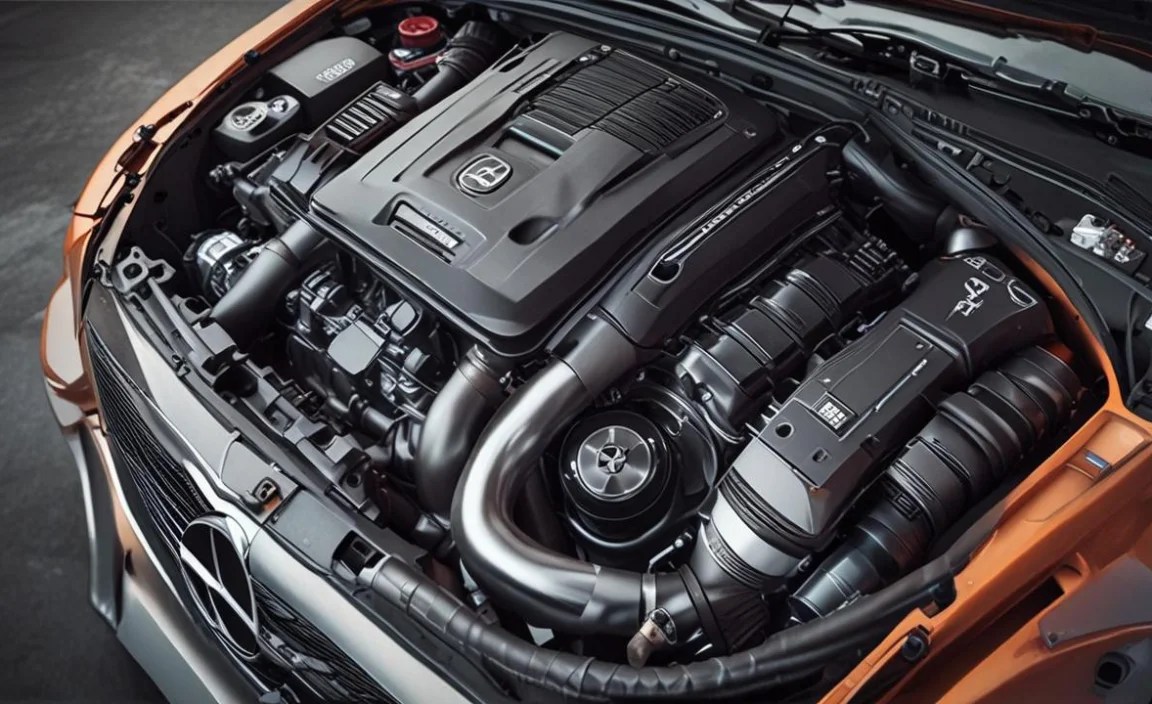
On paper, numbers look close—but in real driving, the difference is significant.
- The E350 feels smooth but not aggressive. Perfect for calm driving.
- The E450 adds strong mid-range power—ideal for highway overtaking.
- The E450e gives instant electric torque, making city driving very responsive.
- The AMG E53 delivers sharp throttle response and sporty sound.
- The AMG E63 S is brutally fast—closer to a supercar than a sedan.
Maintenance & Ownership Considerations

Before choosing an engine, you must consider long-term costs:
Maintenance Cost Trend
- Lowest cost: E350
- Moderate cost: E450 / E450e
- High cost: AMG E53
- Very high cost: AMG E63 S
AMG engines are hand-built and require premium maintenance, higher fuel consumption, and more expensive parts.
Fuel Economy Reality
- 4-cylinder engines (E350) are most efficient
- Hybrid (E450e) saves fuel in city use
- 6-cylinder (E450/E53) offers balance
- V8 (E63 S) consumes significantly more fuel
Which Engine Should You Actually Choose?
Here is the straightforward truth:
- If you want luxury + low cost → E350
- If you want power without crazy cost → E450
- If you want future-proof + fuel savings → E450e
- If you want sport + daily usability → AMG E53
- If you want pure performance → AMG E63 S
There is no “best” engine—only what fits your needs. The Mercedes-Benz E-Class stands out because it offers something for everyone—from efficient daily drivers to extreme performance machines.
- You are not just choosing an engine
- You are choosing your driving experience
If your goal is comfort and efficiency, stay with the base models. If your goal is thrill and power, AMG is the only real answer.


