
Mercedes Driving Modes by Model: Ultimate Performance
Mercedes driving modes by model allow you to fine-tune your car’s performance for efficiency, comfort, or exhilaration, enhancing your driving experience and unlocking the full potential of your luxury vehicle.
Owning a Mercedes-Benz is about experiencing refined engineering and tailored performance. But sometimes, figuring out what all those driving modes actually do can feel a bit like deciphering a secret code. You might see “Comfort,” “Sport,” “Eco,” or even more specialized options on your dashboard and wonder, “Which one is best for my drive, right now?” It’s a common question, and a little clarity can go a long way in making sure you’re getting the most out of your sophisticated machine. This guide will demystify those driving modes across various Mercedes-Benz models, helping you unlock ultimate performance and enjoyment. We’ll dive into what each mode impacts and how to choose the right one for any situation.
Understanding the Core Mercedes-Benz Driving Modes

At its heart, a Mercedes-Benz is designed to offer a spectrum of driving experiences. The brand’s intelligent driving modes are the key to switching between these experiences with ease. These systems, often collectively referred to asDYNAMIC SELECT (a trademarked Mercedes-Benz feature), allow drivers to adjust various vehicle parameters.
Think of DYNAMIC SELECT as your personal driving tailor. It doesn’t just mildly tweak things; it can fundamentally alter your car’s character. The core idea is to provide distinct driving profiles that cater to different needs and moods, all accessible at the touch of a button or a twist of a dial. This sophisticated system typically influences:
- Powertrain Response: How quickly the engine reacts to throttle input and how the transmission shifts gears.
- Suspension Setup: The firmness and responsiveness of the dampers and springs (especially in models equipped with adaptive suspension).
- Steering Feel: The weight and responsiveness of the steering system.
- Climate Control: Sometimes the system even adjusts HVAC settings for efficiency.
- Exhaust Sound: In performance models, this can alter the exhaust note.
While the specific modes and their names can vary slightly by the Mercedes-Benz model and year, the fundamental principles remain consistent. Let’s break down the most common ones.
1. COMFORT Mode
This is the default setting for most Mercedes-Benz vehicles and is designed for everyday driving. It prioritizes a smooth, relaxed, and quiet experience.
- Engine & Transmission: Smooth, unhurried acceleration and gear changes. The engine aims for efficiency, and shifts happen at lower RPMs.
- Suspension: Softer damping provides a plush ride, absorbing road imperfections with ease.
- Steering: Lighter and less direct, making maneuvers effortless, especially in parking situations.
- Best For: Commuting, long highway drives, carrying passengers, and prioritizing a serene journey.
2. SPORT Mode
As the name suggests, SPORT mode sharpens the driving dynamics, making the car feel more responsive and engaging.
- Engine & Transmission: Quicker throttle response, holding gears longer and shifting at higher RPMs for more immediate acceleration. You’ll feel the car eager to surge forward.
- Suspension: Firmer damping reduces body roll in corners and provides a more connected feel to the road. You’ll notice less lean when turning.
- Steering: Heavier and more direct, offering increased feedback and precision for spirited driving.
- Best For: Enjoying twisty roads, feeling more connected to the driving process, or when you simply want a more spirited feel.
3. ECO Mode
This mode is all about maximizing fuel efficiency. It makes subtle but effective changes to encourage a more economical driving style.
- Engine & Transmission: Reduced throttle sensitivity and earlier, smoother gear shifts to keep engine RPMs low. The car will feel less eager to accelerate quickly.
- Climate Control: The system may reduce the power draw of the air conditioning or heating to conserve energy.
- Other Systems: Modifications might be made to other energy-consuming systems.
- Best For: Maximizing mileage on long journeys, driving in heavy stop-and-go traffic, or when fuel economy is the top priority.
4. INDIVIDUAL Mode
This is where the true customization comes into play. INDIVIDUAL mode allows you to mix and match settings from other modes to create your perfect driving profile.
- Customization: You can choose specific settings for the engine, transmission, steering, and suspension (if applicable). For example, you might prefer a COMFORT steering feel but a SPORT engine response.
- Personalization: Ideal for drivers who find that no single pre-set mode perfectly matches their preferences for all driving conditions.
- Saving: Once configured, your INDIVIDUAL settings can often be saved, so they are readily available for future drives.
- Best For: Drivers who want ultimate control and a highly personalized driving experience.
Driving Modes Across Mercedes-Benz Models: A Closer Look

While the core DYNAMIC SELECT modes are common, Mercedes-Benz often tailors them, and introduces additional modes, based on the model’s intended purpose and technology.
C-Class and E-Class: The Sophisticated Sedan
These popular models offer a refined balance of luxury and performance. Drivers will typically find COMFORT, SPORT, ECO, and INDIVIDUAL mode as standard. More performance-oriented variants, like the AMG Line trims, might have these modes adjusted for a sportier feel even in COMFORT mode.
For instance, on an E-Class with optional AIR BODY CONTROL air suspension, selecting SPORT mode will noticeably lower the car and stiffen the suspension. In contrast, COMFORT mode will deliver the serene, almost gliding ride that Mercedes-Benz is famous for. The INDIVIDUAL mode on these models is particularly useful for finding that perfect blend between a compliant ride for errands and a responsive feel for weekend drives.
S-Class: The Pinnacle of Luxury
The S-Class is all about ultimate comfort and effortless power. While it features the standard DYNAMIC SELECT modes, each is calibrated to an even higher standard of refinement.
- COMFORT: Exceedingly plush. The AIRMATIC suspension (standard on most S-Class models) works wonders to isolate occupants from the road.
- SPORT: While still comfortable, it noticeably tightens the handling and sharpens throttle response, making the large luxury sedan feel surprisingly agile.
- ECO: Optimized for supreme efficiency, even in a flagship luxury vehicle designed for effortless progress.
- INDIVIDUAL: Offers the granular control needed to tailor the ultra-luxurious experience to personal preference.
The S-Class might also feature modes related to specific technologies, like road surface scanning with MAGIC BODY CONTROL®, which proactively adjusts the suspension based on the road ahead. You can learn more about this revolutionary technology on sites like Mercedes-Benz official website.
GLC, GLE, and GLS: The Versatile SUVs
These SUVs cater to a more adventurous spirit and often include modes designed for varying terrains and conditions.
- OFFROAD Mode: When equipped with 4MATIC all-wheel drive and optional air suspension, SUVs often gain an OFFROAD mode. This typically adjusts the drivetrain for better traction, raises the suspension for ground clearance, and modifies throttle and brake response for controlled descents.
- SLIP CONTROL: Some systems have specific sub-modes within OFFROAD to handle different low-traction surfaces like sand or rock.
- COMFORT, SPORT, ECO, INDIVIDUAL: These function similarly to their sedan counterparts, offering a blend of ride comfort, on-road performance, and efficiency.
For an SUV like the GLE, you might find an “Individual” mode that allows you to set the suspension to “Comfort” for a smooth ride on pavement, while also selecting a more responsive “Sport” setting for the engine. This versatility makes them ideal for diverse driving needs.
A-Class and C-Class Compacts: Nimble and Lively
These compact models offer a sportier and more agile driving experience, even in their standard configurations.
- SPORT+ (in some AMG Line trims): Beyond standard SPORT, some models offer a SPORT+ mode which further stiffens the suspension and sharpens throttle response for a more track-inspired feel.
- COMFORT, ECO, INDIVIDUAL: These modes provide the expected spectrum: plushness, efficiency, and personalization.
The A-Class, for example, feels particularly nimble in SPORT mode due to its more compact dimensions. The ECO mode is crucial for its small turbocharged engines, helping to extract the best possible fuel economy from city driving.
The Ultimate Performance: AMG Models
AMG vehicles are where driving modes truly come alive, offering an extreme spectrum from docile to ferocious across their range.
| AMG Model Type | Typical Modes | Key Characteristics |
|---|---|---|
| Entry-Level AMG (e.g., C 43, CLA 35) | Sport, Sport Plus, Comfort, Eco, Individual | Offers a noticeable step up in sportiness from standard models, with excellent daily drivability. |
| Mid-Tier V8 AMG (e.g., C 63, E 63) | Sport, Sport Plus, Race, Comfort, Eco, Individual | Aggressive performance, powerful soundtracks, and highly tunable dynamics for both road and track. |
| Top-Tier/Specialty AMG (e.g., GT, S 65) | Comfort, Sport, Sport Plus, RACE, Manual, individual | Exhaustively engineered for pure performance, often featuring dedicated RACE modes for maximum track capability and unique manual shifting via paddle shifters. |
For AMG models, the nuances are significant. RACE mode, for example, is not just a sportier setting; it often disables stability control interventions (or sets them to a very permissive level), sharpens throttle response to its absolute maximum, and makes the transmission shift with violent speed and precision. It’s a mode reserved for the track or spirited driving on closed roads.
AMG vehicles often have a rotary dial on the steering wheel (AMG Performance Steering Wheel) to quickly cycle through these modes, keeping your hands on the wheel and your focus on the road. This allows for immediate adjustments as conditions change. To dive deeper into AMG performance, explore resources like Mercedes-AMG official site.
Electric Vehicles (EQ Models): Optimized for the Future
Mercedes-Benz’s EQ range of electric vehicles also employs driving modes, but they are optimized for electric powertrain characteristics.
-
- ELECTRIC COMFORT: Similar to COMFORT, it prioritizes smooth acceleration, efficient energy use, and a quiet cabin.
- SPORT: In EVs, SPORT mode translates to instant torque delivery and rapid acceleration. The responsiveness is immediate, making the car feel incredibly quick.
- ECO: This mode is crucial for maximizing range. It limits acceleration power, optimizes regenerative braking for energy recovery, and can reduce climate control output.
- MAX RANGE: Some EQ models may have a “Max Range” mode which is an even more aggressive version of ECO, limiting top speed and performance to gain every possible mile of range.
- INDIVIDUAL: Again, allows for personalized tuning of the electric driving experience.
Driving Modes and Their Impact on Engine Performance

One important aspect many buyers overlook in the Mercedes-Benz E-Class is how driving modes directly influence engine behavior and overall performance. Modern E-Class models come equipped with intelligent systems like DYNAMIC SELECT, which can significantly change how the engine, transmission, and suspension respond.
How Driving Modes Affect Engine Output
- Comfort Mode:
Prioritizes smooth acceleration and early gear shifts. The engine delivers power gradually, making it ideal for relaxed driving and long journeys. - Sport Mode:
Sharpens throttle response and holds gears longer, allowing the engine to operate at higher RPMs. This results in quicker acceleration and a more engaging driving feel. - Eco Mode:
Reduces throttle sensitivity and optimizes gear shifts to improve fuel efficiency. The engine feels less aggressive but consumes less fuel. - Individual Mode:
Allows customization of engine response, letting you combine comfort-focused suspension with sportier engine tuning.
Engine Technology Behind the E-Class
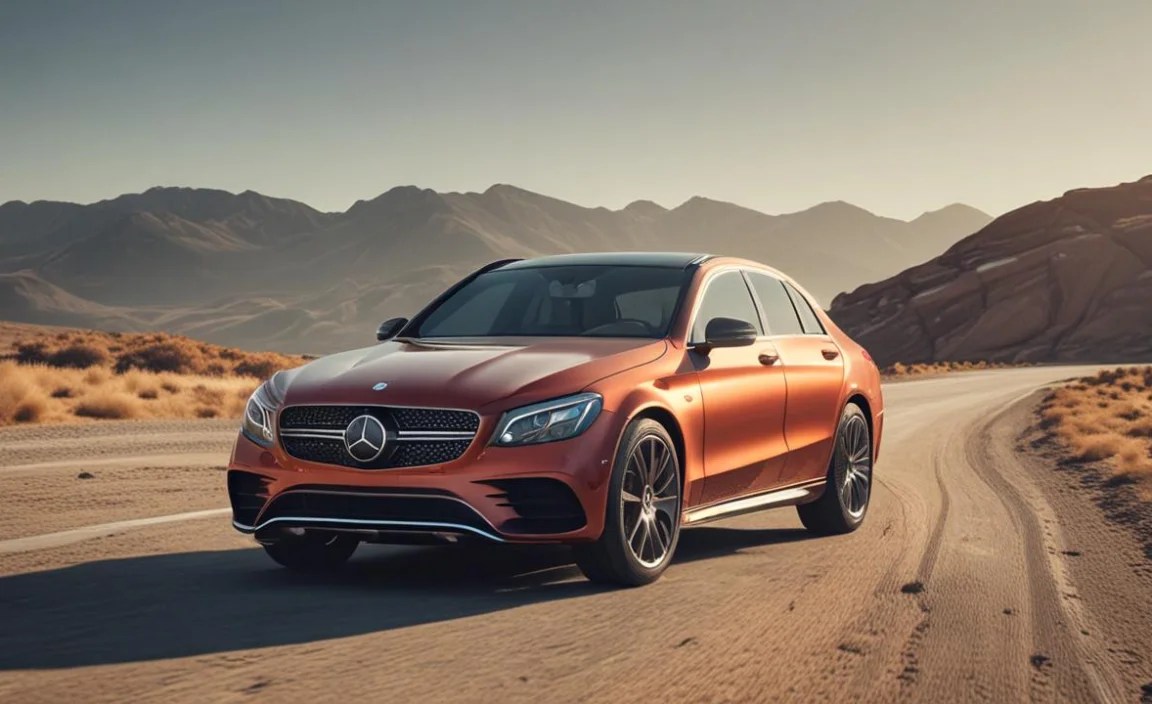
Mercedes-Benz does not just offer different engines—it integrates advanced technologies to enhance performance, efficiency, and reliability.
Turbocharging and Downsizing
Most modern E-Class engines use turbocharging, which allows smaller engines to produce more power. This improves fuel efficiency without sacrificing performance.
Mild Hybrid (EQ Boost)
The E450 and AMG E53 models feature EQ Boost mild-hybrid technology, which provides:
- Extra power during acceleration
- Smoother engine start/stop
- Improved fuel efficiency
Plug-in Hybrid System (E450e)
The plug-in hybrid system combines a gasoline engine with an electric motor, offering:
- Instant torque from the electric motor
- Reduced emissions
- Lower fuel consumption for short trips
Real Ownership Experience: What Owners Actually Feel

Specifications are important, but real-world experience tells the full story.
Comfort vs Performance
- E350 owners typically appreciate the smooth ride and quiet cabin
- E450 drivers notice stronger acceleration and effortless cruising
- AMG owners highlight aggressive power and sporty handling
City vs Highway Driving
- In city driving, hybrid models feel quicker due to instant electric torque
- On highways, the E450 and AMG models shine with strong overtaking power
Daily Usability
- Base engines are easier to live with daily
- AMG models require more attention, fuel, and maintenance
Cost of Ownership Breakdown
Understanding long-term costs is critical before choosing an engine.
Fuel Costs
- E350 → Lowest fuel consumption
- E450 → Moderate fuel usage
- AMG models → High fuel consumption
Maintenance Costs
- Standard models → Affordable luxury maintenance
- Hybrid models → Slightly higher due to battery systems
- AMG models → Expensive due to performance parts
Insurance and Depreciation
- AMG models → Higher insurance and depreciation
- Hybrid models → Better resale value in future markets
- Standard models → Balanced ownership cost
Future of E-Class Engines
Mercedes-Benz is moving toward electrification, and the E-Class lineup reflects that direction.
- More hybrid models are being introduced
- Fully electric alternatives are expanding under the EQ lineup
- Traditional large engines (like V8) may become less common over time
This means buyers today should consider not only current needs but also future trends in efficiency and regulations.
Conclusion
The Mercedes-Benz E-Class remains one of the most complete luxury cars available because it successfully combines advanced engineering, diverse engine options, and real-world usability. Whether you prioritize efficiency, performance, or cutting-edge technology, there is an E-Class engine designed to meet your expectations. The key is to choose based on how you actually drive rather than just looking at specifications. For most users, the E350 or E450 will provide the best balance of cost, comfort, and performance, while the E450e offers a glimpse into the future of driving with improved efficiency. AMG models, on the other hand, are built for those who demand excitement above all else. In short, the E-Class is not just about luxury—it is about giving you the freedom to define your driving experience.
FAQs
1. Which Mercedes E-Class engine is best for long-term ownership?
For long-term ownership, the E350 is generally the best choice because of its simpler engine design and lower maintenance costs. It provides reliable performance without the added complexity of hybrid systems or high-performance components. Over time, this translates into fewer repairs and more predictable servicing expenses, making it ideal for buyers who want a dependable luxury car.
2. Is the hybrid E450e better than the regular E450?
The E450e is better if your driving involves short daily trips and you can charge the vehicle regularly. It offers lower fuel consumption and the ability to drive on electric power alone. However, if you frequently take long highway trips and do not have convenient charging access, the regular E450 may be more practical due to its consistent performance and simplicity.
3. How much difference is there between E350 and E450 in real driving?
In real driving conditions, the difference is noticeable. The E450 feels significantly quicker and more responsive, especially during acceleration and overtaking. While the E350 is perfectly adequate for everyday driving, the E450 provides a more effortless and powerful experience, particularly on highways.
4. Are AMG engines reliable for daily use?
AMG engines are reliable but are not designed primarily for everyday practicality. They are built for high performance, which means they operate under more stress compared to standard engines. This results in higher maintenance requirements and running costs. While they can be used daily, they are better suited for enthusiasts who are willing to handle the extra cost and upkeep.
5. Which E-Class engine gives the best fuel economy?
The E350 offers the best fuel economy among traditional engines due to its smaller turbocharged setup. However, the E450e plug-in hybrid can surpass it in city driving when used properly, especially if you rely on electric power for short trips. The actual efficiency depends heavily on driving habits and charging availability.
6. Should you choose AMG over standard models?
You should only choose an AMG model if performance is your top priority. AMG variants provide exceptional speed, handling, and driving excitement, but they come with higher costs in terms of fuel, maintenance, and insurance. For most buyers, standard models like the E350 or E450 offer a more balanced and practical ownership experience.


