
EQE 350+ vs Hyundai Ioniq 5 Performance: Powerful
The EQE 350+ and Hyundai Ioniq 5 offer compelling performance, but the Mercedes-Benz EQE 350+ delivers a more refined and potent driving experience, especially for those prioritizing luxury and advanced technology.
When you’re exploring the exciting world of electric vehicles, the question of performance often takes center stage. Two popular choices, the Mercedes-Benz EQE 350+ and the Hyundai Ioniq 5, both offer impressive electric power. It’s natural to wonder how they stack up against each other. Many drivers find navigating these differences a bit confusing, especially when trying to match performance to their driving needs. Don’t worry, we’re here to break down the performance aspects of the EQE 350+ and the Ioniq 5 in a way that’s easy to understand. Get ready to discover which electric sedan truly excels when it comes to raw power and driving dynamics.
Understanding Electric Vehicle Performance Metrics

Before we dive into the specifics of the EQE 350+ and the Ioniq 5, let’s clarify what we mean by “performance” in electric vehicles (EVs). Unlike gasoline cars with their rumbling engines and gear shifts, EVs offer instant torque and smooth, quiet acceleration. Key metrics to consider include:
Horsepower (hp): While important, it’s not the whole story in EVs.
Torque (lb-ft or Nm): This is where EVs shine. It’s the rotational force that translates to instant acceleration from a standstill.
0-60 mph Time: This is the classic benchmark for acceleration. A lower number means quicker off-the-line speed.
Top Speed: How fast the vehicle can go.
Drivetrain: Rear-wheel drive (RWD) or all-wheel drive (AWD) can significantly impact acceleration and handling.
Battery Size and Power Output: These indirectly influence sustained performance and how quickly the car can deploy its power.
Regenerative Braking: While not directly about acceleration, an EV’s ability to recapture energy when slowing down affects the overall driving feel and efficiency, which is a part of the performance story.
Understanding these terms will help you better appreciate the differences between the EQE 350+ and the Ioniq 5 as we explore their capabilities.
Mercedes-Benz EQE 350+ Performance Breakdown

The Mercedes-Benz EQE 350+ is engineered with a distinct focus on luxury, refinement, and effortless power delivery. It represents the brand’s commitment to blending advanced electric technology with the signature comfort and performance Mercedes-Benz is known for.
Motor and Power Output

The EQE 350+ is equipped with a single, powerful electric motor. In most configurations, this motor is mounted on the rear axle, providing rear-wheel drive for a dynamic yet smooth experience.
Horsepower: The EQE 350+ typically produces around 288 horsepower. For everyday driving and overtaking, this is more than sufficient, offering a strong, linear surge of power.
Torque: The electric motor generates an impressive 391 lb-ft of torque. This substantial torque figure is available almost instantly upon pressing the accelerator, making the EQE 350+ feel exceptionally responsive.
Acceleration
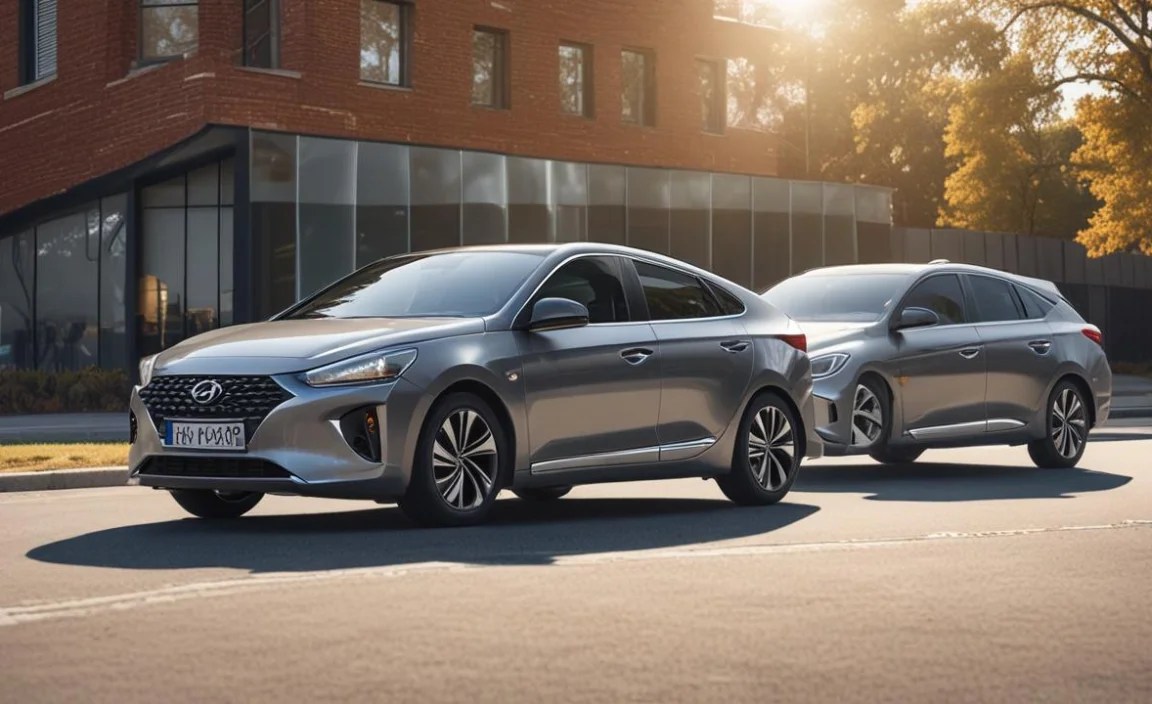
Thanks to the instant torque and a well-tuned powertrain, the EQE 350+ offers brisk acceleration.
0-60 mph: Expect the EQE 350+ to achieve 0-60 mph in approximately 5.4 seconds. This is a very competitive time, placing it firmly in sports sedan territory and providing an exhilarating experience for drivers. This is a testament to Mercedes-Benz’s mastery in translating electric power into a refined performance feel.
Driving Dynamics and Refinement

What truly sets the EQE 350+ apart is its driving experience. Mercedes-Benz prioritizes a serene and luxurious ride, even when delivering potent acceleration.
Smoothness: The acceleration is exceptionally smooth and linear, with no perceptible gear shifts.
Quietness: The cabin is remarkably quiet, insulated from road noise and the typical EV whine, creating an oasis of calm.
Handling: While not a sports car in the traditional sense, the EQE 350+ offers competent and confident handling. The low center of gravity from the battery pack aids stability, and the optional rear-axle steering can significantly improve maneuverability at low speeds and stability at high speeds. Learn more about how advanced steering systems work from the National Highway Traffic Safety Administration’s guide on steering and suspension.
Riding on Air: The AIRMATIC Suspension

A notable feature contributing to the EQE 350+’s performance and comfort is the available AIRMATIC adaptive air suspension. This system constantly monitors road conditions and adjusts the damping force for each wheel individually. This means the car can dynamically adapt its ride quality, offering a plush, cloud-like feel on the highway while firming up to provide better stability during spirited driving. It’s this blend of comfort and capability that defines the Mercedes-Benz EQE experience.
Hyundai Ioniq 5 Performance Breakdown

The Hyundai Ioniq 5 is a groundbreaking electric crossover that has captured significant attention for its innovative design, practicality, and strong performance. It aims to offer a compelling electric future wrapped in a distinctive, retro-futuristic package.
Motor and Power Output Variations

The Ioniq 5 offers a couple of different powertrain configurations, allowing buyers to choose based on their performance and range needs.
Standard Range RWD: This base model features a single motor on the rear axle, producing around 168 horsepower and 258 lb-ft of torque.
Long Range RWD: This popular option also uses a single rear motor but boosts output to approximately 225 horsepower and 258 lb-ft of torque.
Long Range AWD: This is the performance-oriented version, featuring two motors (one on each axle) for all-wheel drive. It delivers a combined output of around 320 horsepower and 446 lb-ft of torque.
This versatility means the Ioniq 5’s performance can range from adequate to genuinely sporty, depending on the chosen trim.
Acceleration

The acceleration of the Ioniq 5 varies significantly with its powertrain options.
0-60 mph for Standard Range RWD: Around 8.5 seconds.
0-60 mph for Long Range RWD: Approximately 7.4 seconds.
0-60 mph for Long Range AWD: This is where the Ioniq 5 truly impresses, hitting 0-60 mph in about 4.5 seconds. This rapid acceleration rivals many traditional performance cars and highlights the potent capabilities of its dual-motor setup.
Driving Dynamics and Feel

The Ioniq 5 offers a driving experience that balances comfort with a responsive feel, fitting its crossover identity.
Responsive Acceleration: Even the RWD models offer quick, immediate acceleration thanks to the electric drivetrain. The AWD version is particularly thrilling.
Comfortable Ride: It generally provides a comfortable and composed ride, absorbing road imperfections well.
Agility: While it’s a crossover with a higher stance, the Ioniq 5 feels surprisingly agile, particularly the AWD model. Its dedicated EV platform with the battery placed low in the floor contributes to good balance and stability.
Engaging Feel: Some drivers find the Ioniq 5’s steering to be well-weighted and the overall feel engaging for its class, especially with the more powerful AWD setup.
Direct Comparison: EQE 350+ vs. Ioniq 5 Performance

Now, let’s put these two electric contenders head-to-head on performance.
Acceleration Figures

When it comes to sheer acceleration, the numbers tell a clear story, especially when comparing the highest performing versions of each. For the Ioniq 5, we’ll focus on the Long Range AWD model for a fair comparison against the performance-oriented EQE 350+.
| Feature | Mercedes-Benz EQE 350+ (RWD) | Hyundai Ioniq 5 Long Range (AWD) |
| :————— | :————————— | :——————————- |
| Horsepower | ~288 hp | ~320 hp |
| Torque | ~391 lb-ft | ~446 lb-ft |
| 0-60 mph (Est.) | ~5.4 seconds | ~4.5 seconds |
| Top Speed (Est.) | ~130 mph | ~115 mph |
As you can see, the Ioniq 5 Long Range AWD model actually boasts slightly higher horsepower and torque figures and a quicker 0-60 mph time than the EQE 350+. However, it’s crucial to look beyond just these numbers.
Power Delivery and Driving Experience

This is where the nuances of each vehicle shine through, reflecting their core design philosophies:
EQE 350+: Delivers its power with unparalleled smoothness and refinement. The torque delivery is incredibly linear and progressive. While its 0-60 mph time is impressive, the feeling of acceleration is one of effortless luxury. It’s powerful, but always in a controlled, sophisticated manner. The ride is typically more composed and the cabin more insulated from external noise, contributing to a serene performance experience.
Ioniq 5: The Long Range AWD version offers a more visceral and punchy acceleration. It feels eager and more immediate, which many drivers find exhilarating. The AWD system provides excellent traction, making those quick sprints feel very planted. While comfortable, the Ioniq 5 generally offers a more direct connection to the road and can sometimes feel a bit less refined in terms of suspension and cabin isolation compared to the EQE.
In essence: the EQE 350+ offers sophisticated power, while the Ioniq 5 Long Range AWD offers potent thrust.
Handling and Dynamics

Both vehicles leverage their electric platforms for good weight distribution, but their approaches differ:
EQE 350+: Benefits from optional rear-axle steering, which significantly enhances its agility at lower speeds and stability at higher speeds. The AIRMATIC suspension, when equipped, provides adaptive damping that can really dial in the comfort or responsiveness depending on the drive mode. For a large luxury sedan, it handles with surprising poise.
Ioniq 5: The AWD version offers sporty handling for a crossover. Its lower center of gravity compared to traditional SUVs makes it feel planted and less prone to body roll than you might expect. The steering is generally well-received, offering a good balance of feedback and ease of use. It’s a confident handler that feels sporty and capable on winding roads.
Key Performance Differentiators
| Differentiator | Mercedes-Benz EQE 350+ | Hyundai Ioniq 5 |
| :————————— | :———————————————————- | :———————————————————————- |
| Acceleration Feel | Effortless, smooth, linear, sophisticated surge | Punchy, immediate, eager, visceral thrust |
| Ride Comfort | Supremely comfortable, luxurious, highly insulated | Comfortable, composed, good for a crossover, but less isolated |
| Handling Focus | Refined stability, optional agility improvements (rear steering) | Engaging, planted, sporty for its class, confident on winding roads |
| Powertrain Options | Primarily RWD focus for the 350+ trim | Wide range: Standard/Long Range RWD, Long Range AWD for max performance |
| Performance Signature | Luxury performance, serene power | Energetic, practical performance, modern EV feel |
Beyond Straight Lines: Factors Affecting Performance

While 0-60 mph times and horsepower are exciting, several other factors influence the real-world performance and driving experience of EVs like the EQE 350+ and the Ioniq 5.
Regenerative Braking Systems

All EVs use regenerative braking to recapture energy when you lift off the accelerator or press the brake pedal, sending power back to the battery. This not only boosts efficiency but also affects how the car slows down.
EQE 350+: Offers adjustable levels of regenerative braking, often controlled through steering wheel paddles or the MBUX infotainment system. Drivers can choose from coasting modes to strong regeneration that can allow for “one-pedal driving.” The system is generally quite smooth and seamlessly integrated.
Ioniq 5: Also features adjustable regeneration levels, including an “i-Pedal” mode for strong one-pedal driving. The system is effective and helps maximize range, and its responsiveness can be tuned to driver preference.
Understanding and utilizing regenerative braking is key to maximizing performance and range in any EV. For a deeper dive into EV efficiency and technology, check out resources from the U.S. Department of Energy’s guide on electric vehicle operation.
Thermal Management

EV batteries and electric motors perform best within specific temperature ranges. Advanced thermal management systems regulate these components to ensure optimal power output and longevity, regardless of external conditions.
EQE 350+: Mercedes-Benz employs sophisticated thermal management systems to ensure consistent performance, whether in scorching heat or freezing cold. This is crucial for maintaining the brand’s promise of luxurious performance in all conditions.
Ioniq 5: Hyundai’s systems are also very effective, designed to maintain battery health and performance. Battery preconditioning, which heats or cools the battery before charging or driving, is a feature on many Ioniq 5 models, directly impacting performance consistency, especially on long trips in extreme temperatures.
Tires and Aerodynamics

The tires a vehicle is equipped with significantly impact grip, acceleration, and handling. Similarly, aerodynamic design plays a vital role in how efficiently an EV can move through the air, affecting both speed and range.
EQE 350+: Typically rolls on low-profile, performance-oriented tires that enhance grip and handling. Its sleek, aerodynamic shape, with a drag coefficient as low as 0.20 for some configurations, is designed to cut through the air with minimal resistance, contributing to both speed and efficiency.
Ioniq 5: The Ioniq 5’s crossover design is inherently less aerodynamic than the EQE sedan. However, Hyundai has incorporated active or passive aero elements to improve efficiency. Tire choice on the Ioniq 5 can range from efficiency-focused to more performance-oriented options depending on the trim.
Choosing the Right Performance for You

When deciding between the EQE 350+ and the Ioniq 5, consider what “performance” truly means to your driving life:
Choose the Mercedes-Benz EQE 350+ if:
You prioritize a supremely comfortable and luxurious ride, even at speed.
Effortless, smooth, and silent power delivery is more appealing than raw, forceful acceleration.
You value advanced technology, sophisticated cabin ambiance, and a refined driving experience.
Your driving primarily involves highway cruising and comfortable city commuting, with occasional spirited drives.
You appreciate cutting-edge design cues and the prestige of the Mercedes-Benz badge.
Choose the Hyundai Ioniq 5 (particularly Long Range AWD) if:
You want exhilarating, immediate acceleration that feels genuinely rapid.
You appreciate a more connected and engaging driving feel.
Practicality, distinctive styling, and a versatile crossover form factor are important.
You enjoy one-pedal driving and aggressive regenerative braking.
* You are looking for excellent performance-per-dollar and advanced EV technology in a more accessible package.
Both vehicles offer impressive performance for their respective segments. The EQE 350+ delivers a masterclass in electric luxury performance, while the Ioniq 5 (especially the AWD version) offers a spirited and practical take on EV power.
Frequently Asked Questions (FAQ)
What is the main difference in performance between the EQE 350+ and the Ioniq 5?

The primary difference lies in their character. The EQE 350+ offers a refined, smooth, and effortless surge of power indicative of a luxury sedan, emphasizing comfort and quietness. The Ioniq 5, especially the AWD version, delivers more immediate, punchy, and visceral acceleration, feeling sportier and more direct.
Which car is quicker from 0-60 mph?

Generally, the Hyundai Ioniq 5 Long Range AWD model is quicker from 0-60 mph, often achieving the sprint in around 4.5 seconds. The Mercedes-Benz EQE 350+ (RWD) typically takes about 5.4 seconds, offering a more progressive build-up of speed.
Does the EQE 350+ offer all-wheel drive?

The EQE 350+ model is primarily rear-wheel drive. Mercedes-Benz offers all-wheel drive (4MATIC) on other EQE variants, such as the EQE 350 4MATIC or higher-performance AMG EQE models, which would feature different performance specifications.
Is the Ioniq 5’s performance consistent in different weather conditions?

Hyundai’s Ioniq 5 features battery preconditioning on many trims, which helps optimize battery temperature for charging and performance. This system enhances the consistency of its performance, even in extreme hot or cold weather,


