
EQE 350+ vs Mach-E GT: Ultimate Performance Battle
EQE 350+ vs Ford Mustang Mach-E GT: The ultimate performance battle boils down to different philosophies. The EQE 350+ prioritizes refined luxury performance, while the Mach-E GT delivers raw, sporty acceleration for a more aggressive driving experience. Both offer impressive electric power, but their character and intended use diverge significantly.
Choosing your next electric performance car can feel like navigating a maze of impressive technology and exciting capabilities. When you pit the Mercedes-Benz EQE 350+ against the Ford Mustang Mach-E GT, you’re looking at two very different visions of electric exhilaration. One embodies the serene, sophisticated power Mercedes-Benz is renowned for, while the other embraces the iconic, sporty spirit of an American performance legend. This comparison isn’t just about numbers; it’s about feeling the road, experiencing the engineering, and understanding which electric dream best aligns with your driving desires. Let’s explore how these two contenders stack up in an ultimate performance battle.
Understanding Electric Performance: EQE 350+ vs. Mach-E GT

In the rapidly evolving world of electric vehicles, performance is no longer a niche consideration. Automakers are pushing the boundaries of speed, acceleration, and handling, all while striving for efficiency and sustainability. The Mercedes-Benz EQE 350+ and the Ford Mustang Mach-E GT represent two distinct approaches to defining electric performance within their respective luxury and sporty segments.
The EQE 350+ is designed to uphold the Mercedes-Benz legacy of refined power and sophisticated engineering. It offers a potent yet smooth acceleration, prioritizing a comfortable and luxurious driving experience that still boasts impressive speed. It’s the kind of performance that feels effortless, allowing occupants to enjoy the journey as much as the destination.
On the other hand, the Ford Mustang Mach-E GT aims for a more visceral, engaging driving experience. Drawing inspiration from the legendary Mustang muscle car, it emphasizes rapid acceleration and sporty handling. This is the EV for those who crave immediate, exhilarating bursts of speed and a more connected feel to the road, without sacrificing the practicality of an SUV.
Key Performance Metrics: A Closer Look

To truly understand the performance differences, we need to delve into the numbers. These metrics offer a quantifiable way to compare how each vehicle behaves on the road, from standing starts to cornering capabilities.
Acceleration: The Heart of Performance

The thrill of instant electric torque is a defining characteristic of EVs. Both the EQE 350+ and the Mach-E GT offer rapid acceleration, but their delivery and feel are distinct.
Mercedes-Benz EQE 350+:
Horsepower: Typically around 288 hp (exact figures can vary by market and specific configuration).
Torque: Delivers strong, linear torque for smooth, unhurried acceleration.
0-60 mph: Competes in the low to mid-5-second range. This is quick enough to feel potent in daily driving and on the highway, yet it’s delivered with trademark Mercedes refinement. The power feels abundant but never overwhelming, allowing for confident overtakes and merging.
Ford Mustang Mach-E GT:
Horsepower: Significantly higher, often exceeding 480 hp in its standard GT form (with the GT Performance Edition pushing even higher).
Torque: Offers a formidable amount of torque, tuned for aggressive, rapid launches.
0-60 mph: Achieves this benchmark in the mid-3-second range, making it significantly quicker off the line than the EQE 350+. This acceleration is designed to be exhilarating and immediate, providing a potent punch that rivals many sports cars.
Top Speed and Driving Dynamics

Beyond 0-60 mph, how do these vehicles perform at higher speeds and through corners?
Some electric supercars can reach extremely high speeds, but for these models, the focus is more on usable performance. The EQE 350+ has a governed top speed that offers ample performance for everyday driving and highway cruising. Its suspension is tuned for comfort and stability, ensuring a composed ride even at speed.
The Mach-E GT, particularly the GT Performance Edition, often boasts higher top speeds and is engineered with a sportier suspension setup. This includes adaptive dampers and performance tires designed to enhance grip and reduce body roll during spirited driving.
Powertrain and Battery Technology

The underlying technology driving these performance figures is crucial. Both utilize advanced electric powertrains, but with differing architectures and battery sizes that influence their characteristics.
Mercedes-Benz EQE 350+:
Motor Configuration: Typically a single rear-mounted electric motor (RWD). An all-wheel-drive (AWD) version, the EQE 350 4MATIC, is also available, offering enhanced traction and slightly different performance characteristics.
Battery Capacity: Usually around 90.6 kWh net capacity. This sizable battery contributes to its impressive range.
Charging: Supports DC fast charging, allowing for significant range replenishment in a relatively short time. For example, it can typically add around 150 miles of range in about 30 minutes from a 10% charge. For more on EV charging, you can refer to resources from the U.S. Department of Energy.
Ford Mustang Mach-E GT:
Motor Configuration: Standardly features a dual-motor AWD setup, providing instant grip and maximizing acceleration.
Battery Capacity: Equipped with a larger extended-range battery, usually around 91 kWh usable capacity.
Charging: Also supports DC fast charging, often with slightly faster peak charging rates than the EQE 350+ in some scenarios, with Ford aiming to add around 61 miles of range in approximately 10 minutes.
Range and Efficiency: The Practical Side of Performance

While raw power is exciting, the practicality of electric performance often hinges on its range and efficiency. How far can you go, and how efficiently does each use its battery?
Mercedes-Benz EQE 350+:
EPA Estimated Range: Often exceeds 300 miles on a single charge (e.g., around 305 miles for the 2023 RWD model). This figure highlights its strength as a long-distance cruiser.
Efficiency (MPGe): Typically in the mid-to-high 90s MPGe combined, showcasing its ability to convert battery energy into miles efficiently, especially for a luxury sedan. The focus here is balancing luxury and long-range capability.
Ford Mustang Mach-E GT:
EPA Estimated Range: Generally around 270 miles for the standard GT and slightly less for the GT Performance Edition. While less than the EQE 350+, it’s still a very usable figure for daily driving and road trips.
Efficiency (MPGe): Usually in the low 80s MPGe combined. The GT’s higher performance often comes at a slight cost in outright efficiency compared to the more comfort-oriented EQE 350+, which is typical for performance-oriented EVs.
Handling and Ride Comfort: The Driving Experience Contrasted

Performance isn’t just about straight-line speed; it’s also about how the car feels when you steer it. This is where the philosophies of Mercedes-Benz and Ford diverge most noticeably.
EQE 350+:
Ride Quality: Tuned for supreme comfort. The suspension smooths out road imperfections, creating a serene cabin environment. It glides rather than attacks the road.
Handling: Competent and secure, providing confidence in most driving situations. While not a sports car, it offers precise steering and predictable dynamics. Rear-axle steering, available on some models, enhances maneuverability at low speeds and stability at high speeds. The feel is more about effortless cruising and sophisticated control.
Mach-E GT:
Ride Quality: Firmer than the EQE 350+, as expected from a performance variant. While still comfortable enough for daily use, it prioritizes a connected feel and reduced body roll.
Handling: Significantly sportier. The suspension is calibrated for dynamic driving, offering sharper turn-in, more feedback through the steering wheel, and a generally more engaging experience. The AWD system provides excellent traction out of corners, making it feel agile and planted. The experience is designed to be lively and fun.
Design and Interior: Luxury vs. Sporty Functionality

The performance battle extends beyond mechanicals to how the cars look and feel inside. Aesthetics and interior design play a significant role in the overall ownership experience, reflecting the brand’s priorities.
Exterior Styling

Mercedes-Benz EQE 350+:
Aesthetics: Features the “one-bow” design language common to Mercedes-Benz EQ models. It’s sleek, aerodynamic, and futuristic, with smooth lines and a prominent grille-less front fascia. The design prioritizes airflow and efficiency, contributing to its impressive range. It projects a strong sense of modern luxury and technological advancement.
Body Style: Sedan. This classic body style offers a lower profile and a more traditional luxury car silhouette.
Ford Mustang Mach-E GT:
Aesthetics: Borrows cues from the iconic Mustang muscle car, giving it a more aggressive and sporty stance. It features sharper lines, a muscular profile, and distinctive lighting signatures. The GT model often includes unique trim elements, larger wheels, and sportier aerodynamic enhancements to visually communicate its performance intent.
Body Style: Crossover SUV. This offers a higher driving position, more practical cargo space, and a more rugged, versatile appearance.
Interior Ambiance and Technology

EQE 350+:
Cabin Feel: Emphasizes opulence, craftsmanship, and cutting-edge technology. High-quality materials, elegant trim options, and a quiet environment define the experience. The optional “Hyperscreen” (a sweeping dashboard display) is a centerpiece of its tech, offering an immersive infotainment and driver information system.
Features: Packed with advanced driver aids, premium audio options, ambient lighting, and the intuitive MBUX infotainment system. The focus is on comfort, connectivity, and a serene driving sanctuary.
Mach-E GT:
Cabin Feel: Sporty and functional, with a tech-forward approach. While using quality materials, the emphasis is on a driver-focused cockpit. The large central touchscreen, reminiscent of Tesla’s interface, controls most vehicle functions. Performance-oriented seats and sporty accents reinforce its dynamic character.
Features: Includes Ford’s SYNC 4A infotainment system, advanced connectivity features, and a comprehensive suite of driver-assist technologies. The layout is designed for ease of use and immediate access to performance data.
Performance Comparison Table
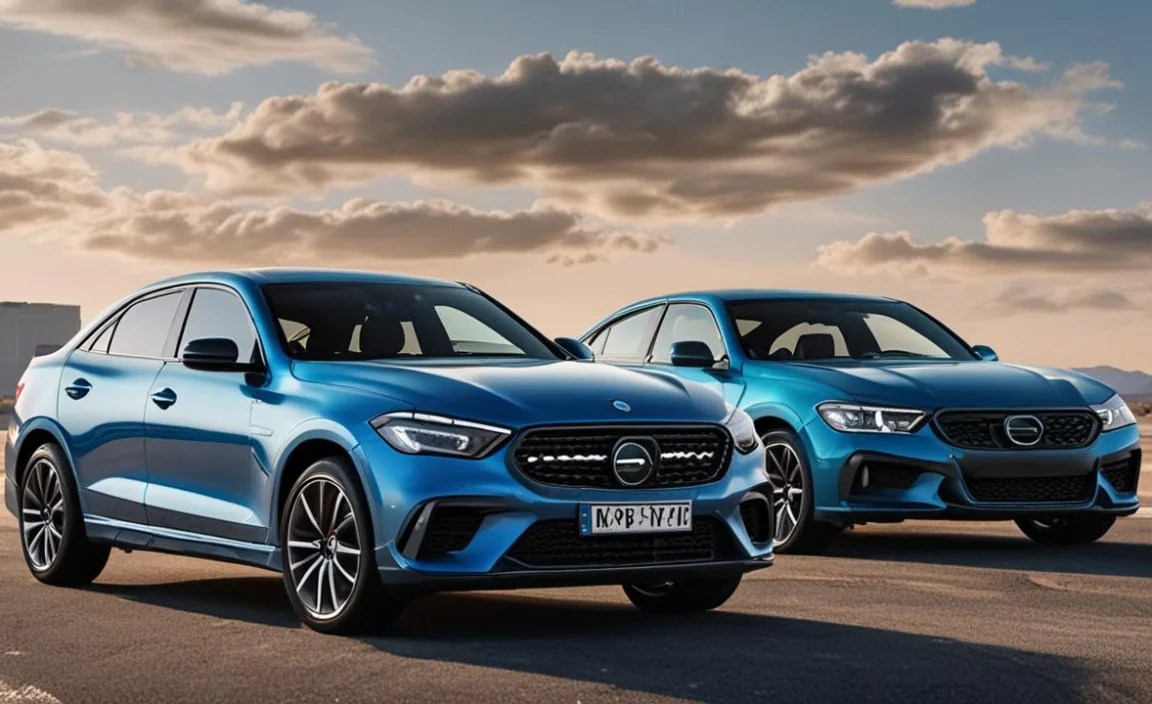
To summarize the key performance aspects, here’s a comparative table:
| Feature | Mercedes-Benz EQE 350+ | Ford Mustang Mach-E GT |
|---|---|---|
| Powertrain | Single Rear Motor (RWD) or Dual Motor (4MATIC AWD) | Dual Motor (AWD) |
| Horsepower (Approx.) | 288 hp | 480+ hp |
| Torque (Approx.) | 564 lb-ft | 600+ lb-ft (GT) / 634+ lb-ft (GT Perf.) |
| 0-60 mph (Approx.) | 5.6 seconds (RWD) | 3.8 seconds (GT) / 3.5 seconds (GT Perf.) |
| Battery Capacity (Net) | 90.6 kWh | 91 kWh (Extended Range) |
| EPA Estimated Range (Approx.) | 305 miles | 270 miles (GT) / 260 miles (GT Perf.) |
| Body Style | Luxury Sedan | Performance Crossover SUV |
| Driving Feel | Refined, Comfortable, Serene | Sporty, Aggressive, Engaging |
Who is Each EV For?

Deciding between these two impressive electric vehicles boils down to your personal priorities and driving style.
The Mercedes-Benz EQE 350+ is ideal for:
Drivers who prioritize a luxurious and supremely comfortable ride.
Those who appreciate the refined power and sophisticated ambiance of a Mercedes-Benz.
Individuals seeking an electric vehicle for long-distance travel with ample range.
Buyers who want cutting-edge technology and a serene cabin experience.
Those who value effortless acceleration and smooth, composed handling.
The Ford Mustang Mach-E GT is the perfect choice for:
Drivers who crave exhilarating, immediate acceleration and sporty driving dynamics.
Enthusiasts who want an electric vehicle that feels connected and engaging to drive.
Those who want a higher-performance SUV with the practicality of more cargo space and a higher seating position.
Buyers who are drawn to the iconic Mustang heritage and its performance pedigree.
Individuals who prioritize raw power and agile handling in their daily commute and weekend adventures.
Frequently Asked Questions (FAQ)
Here are some common questions beginner EV drivers might have when comparing these two performers:
Q1: Which car is faster in a straight line?
A1: The Ford Mustang Mach-E GT is significantly faster than the Mercedes-Benz EQE 350+. The Mach-E GT can achieve 0-60 mph in the mid-3-second range, while the EQE 350+ is typically in the mid-to-high 5-second range.
Q2: Is the EQE 350+ more comfortable than the Mach-E GT?
A2: Yes, the EQE 350+ is designed with a primary focus on ride comfort. Its suspension is tuned to absorb road imperfections more effectively, providing a smoother and more serene driving experience compared to the sportier, firmer ride of the Mach-E GT.
Q3: Which EV has a longer driving range?
A3: The Mercedes-Benz EQE 350+ generally offers a longer driving range, often exceeding 300 miles on a full charge. The Mach-E GT’s range is typically lower, around 270 miles, reflecting its performance-oriented tuning.
Q4: What type of driving is each car best suited for?
A4: The EQE 350+ excels at long-distance cruising and providing a luxurious daily commute. The Mach-E GT is better suited for spirited driving, quick acceleration, and drivers who enjoy a more dynamic and engaging road feel.
Q5: Which car offers more cargo space?
A5: The Ford Mustang Mach-E GT, as a crossover SUV, offers more versatile and generally larger cargo space than the Mercedes-Benz EQE 350+ sedan.
Q6: Are both cars available with all-wheel drive?
A6: The Mach-E GT comes standard with AWD. The EQE 350+ is available as rear-wheel drive (RWD), but a 4MATIC AWD version is also offered, which can impact performance and traction.
Conclusion: The Verdict on Electric Performance
The battle between the Mercedes-Benz EQE 350+ and the Ford Mustang Mach-E GT isn’t about declaring one definitively “better.” Instead, it’s about recognizing their distinct strengths and understanding which vehicle aligns with the performance characteristics you desire most.
The EQE 350+ stands as a testament to Mercedes-Benz’s ability to blend potent electric power with unparalleled luxury and refinement. It offers a smooth, powerful, and serene driving experience, making it an excellent choice for those who seek a sophisticated long-distance cruiser with effortless acceleration. Its focus is on a comfortable, high-tech sanctuary that happens to be incredibly quick when needed.
Conversely, the Mustang Mach-E GT embodies a more visceral and engaging approach to electric performance. It delivers exhilarating acceleration, sporty handling, and a direct connection to the road, all within the practical framework of a crossover SUV. If you crave the thrill of instant torque, sharp responsiveness, and a drive that feels exciting at every turn, the Mach-E GT is likely to captivate you.
Ultimately, your choice will depend on whether you seek the serene, luxurious glide of a Mercedes-Benz or the more spirited, dynamic engagement of a performance-tuned electric SUV. Whichever path you choose, you’ll be stepping into the future of driving with incredible power and innovation at your fingertips.


