
EQB 250+ DC Fast Charging: Ultimate Performance
The Mercedes-Benz EQB 250+ DC fast charging offers a remarkably quick way to replenish its battery, turning charging stops into brief breaks rather than long waits. This technology is designed for convenience, significantly extending your travel range in a short amount of time.
Driving an all-electric Mercedes-Benz EQB 250+ is a luxurious experience, but understanding its charging capabilities, especially DC fast charging, is key to unlocking its full potential. Many owners new to electric vehicles (EVs) might find the charging process a bit daunting. You might wonder how long it actually takes to add significant range, or where and how to find these powerful DC fast chargers. It’s completely normal to have questions, and the good news is that the EQB 250+ is designed to make charging as straightforward and efficient as possible. This guide will demystify DC fast charging for your EQB 250+, explaining what it is, how it works, and how to get the most out of it for ultimate driving performance.
What is DC Fast Charging?

DC (Direct Current) fast charging is the speediest way to recharge your electric vehicle’s battery. Unlike the slower AC (Alternating Current) charging you typically use at home or at many public Level 2 stations, DC fast charging bypasses your car’s onboard charger. Instead, it delivers electricity directly to the battery at a much higher voltage and amperage. This direct delivery system is what allows for significantly faster charging times.
Think of your car’s onboard charger as a translator, converting the AC power from the grid into the DC power your battery needs. When you use DC fast charging, the “translator” is essentially built into the charging station itself. This means less reliance on your car’s internal components and a direct, robust power flow straight to the battery cells. For the Mercedes-Benz EQB 250+, this translates into adding substantial range in minutes, not hours.
How DC Fast Charging Works with the EQB 250+

The Mercedes-Benz EQB 250+ is equipped to handle DC fast charging with its advanced battery management system. When you plug into a compatible DC fast charger, your vehicle communicates with the charger to determine the optimal charging rate. This communication ensures that the battery receives power safely and efficiently, preventing damage and maximizing charging speed.
The EQB 250+ supports a maximum charging rate that dictates how quickly its battery can accept DC power. This rate isn’t constant; it generally starts fastest when the battery is at a lower state of charge and gradually slows down as the battery fills up, especially when it reaches 80% capacity. This controlled approach is crucial for battery health and longevity.
Key components involved in the DC fast charging process for your EQB 250+ include:
- The DC Fast Charger: This is the external charging unit providing the high-power DC electricity.
- The CCS (Combined Charging System) Port: Your EQB 250+ uses this standard port, which combines AC and DC charging pins. The extra pins beneath the standard Type 2 connector are for DC fast charging.
- The Vehicle’s Battery Management System (BMS): This sophisticated system within your EQB monitors and controls the charging process, communicating with the charger to manage voltage, current, and temperature.
- The High-Voltage Battery: The core component that stores the electrical energy.
Charging Speeds and Capabilities
Understanding the specified charging capabilities of the EQB 250+ is vital for setting realistic expectations. Mercedes-Benz vehicles are engineered for optimal performance and efficiency. For the EQB 250+, the peak DC fast charging rate is a significant factor in its “ultimate performance” when on the go.
The EQB 250+ typically supports a maximum DC charging rate of up to 100 kW (kilowatts). This means that under ideal conditions, it can add a substantial amount of range very quickly. For instance, it’s often quoted that the EQB 250+ can charge from 10% to 80% state of charge in approximately 30-37 minutes at a 100 kW charging station. This figure can vary based on factors like battery temperature, ambient temperature, and the specific charger’s output.
It’s worth noting that 100 kW is a significant amount of power. For context, a typical Level 2 home charger might deliver around 7-11 kW. This illustrates the dramatic difference in charging speed that DC fast charging offers.
Here’s a general idea of what to expect:
- Charging from 10% to 80%: This is the sweet spot for DC fast charging, typically taking around 30-37 minutes at a suitable 100 kW charger.
- Charging from 80% to 100%: The charging speed slows considerably after 80% to protect the battery. Adding the final 20% can take as long as the previous 70%, or even longer. It’s often recommended to stop charging at 80% for maximum time efficiency on long journeys.
Finding DC Fast Charging Stations

Locating compatible DC fast chargers is one of the most practical aspects of EV ownership. Fortunately, the charging infrastructure is growing rapidly, and your EQB 250+ has built-in tools and features to help you find them.
The Mercedes-Benz navigation system in your EQB 250+ is designed to integrate charging stops seamlessly into your route planning. It can show you available charging stations, their types (including DC fast chargers), and sometimes even their real-time availability. This feature is invaluable for long-distance travel.
Beyond the vehicle’s navigation, several third-party apps and websites are excellent resources:
- PlugShare: A community-driven platform with a vast database of charging stations, user reviews, and real-time status updates.
- ChargePoint: One of the largest charging networks, with an app that shows available chargers and allows for payment.
- Electrify America: A major DC fast-charging network in North America, often found at retail locations.
- EVgo: Another prominent DC fast-charging provider.
When searching for chargers, look for those with CCS connectors and a power output of 100 kW or higher for the fastest charging for your EQB 250+. Chargers with lower outputs (e.g., 50 kW) will still charge your vehicle, but at a slower pace.
Using Third-Party Apps and Maps
“When you’re planning a longer journey, relying solely on the car’s built-in navigation can sometimes be limiting. That’s where dedicated EV charging apps shine. These apps often provide more comprehensive data, including user comments about charger reliability, speed at specific locations, and even information on pricing. Being familiar with these tools will ensure you’re never caught out with a dead battery miles from a charger.”
These apps typically allow you to filter by charging speed, connector type (ensure you’re looking for CCS for your EQB 250+), and network. Many also offer the ability to initiate and pay for charging sessions directly through the app, simplifying the process.
Navigating Charging Networks and Payment
The EV charging landscape can sometimes seem fragmented due to different charging networks. Most networks require you to create an account and link a payment method (credit card, PayPal, etc.) to use their chargers. Some networks offer RFID cards, while others rely solely on their mobile apps.
For frequent users, some networks offer subscription plans that can provide discounted rates. It’s wise to research the networks prevalent in your common travel areas and compare their pricing structures.
“To simplify things, consider using services that aggregate multiple networks, like PlugShare, or look for charging hubs that host chargers from various providers. This often streamlines payment and access.”
Optimizing Your DC Fast Charging Experience
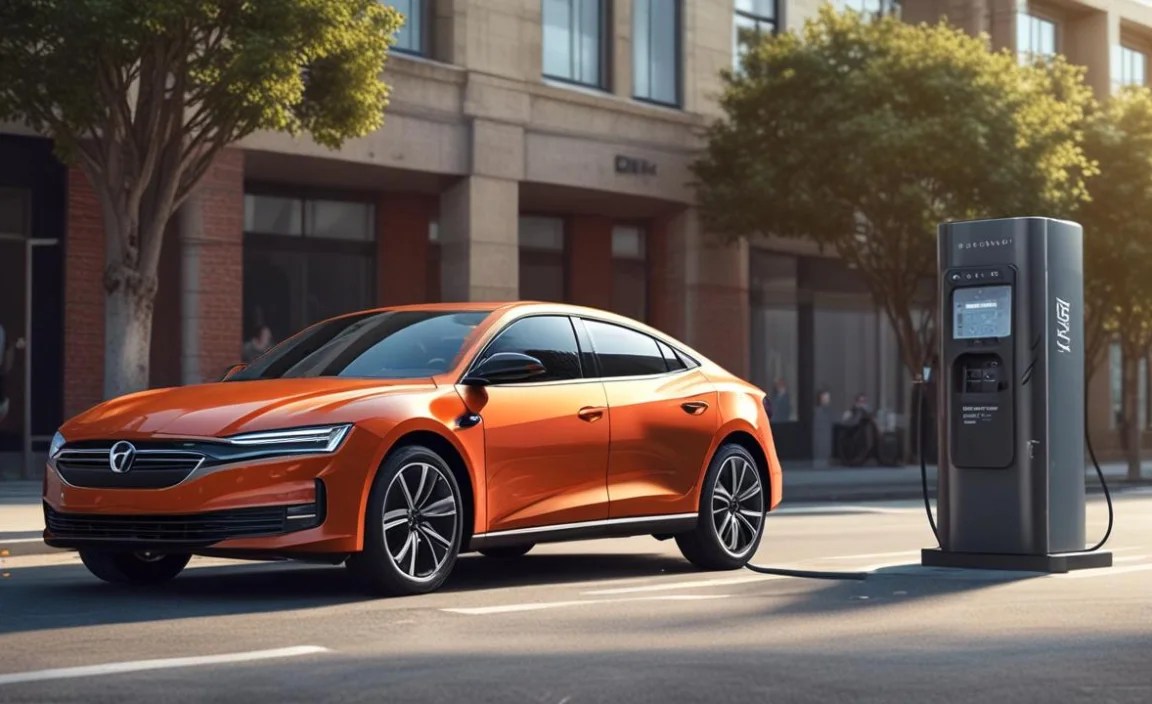
To get the most out of DC fast charging for your EQB 250+, a few smart strategies can make a significant difference. It’s not just about plugging in; it’s about maximizing efficiency and speed.
Preconditioning Your Battery
One of the most impactful factors affecting DC fast charging speed is battery temperature. For optimal charging, your EQB 250+’s battery needs to be at a specific temperature range, often described as “preconditioned.” If the battery is too cold (especially in winter), the charging rate will be significantly reduced to protect it. Conversely, a battery that is too hot can also result in slower charging.
Many modern EVs, including Mercedes-Benz models, have a preconditioning feature. When you navigate to a DC fast charger using the car’s navigation system, the vehicle can automatically start warming or cooling the battery to its ideal temperature range before you arrive. If your EQB 250+ has this feature, utilizing it, especially in extreme weather conditions, can dramatically shorten charging times.
How to ensure battery preconditioning (if equipped):
- Enter your final destination or a DC fast charger into the Mercedes-Benz navigation system.
- The system will prompt you if battery preconditioning is necessary and being activated.
- Drive smoothly to the charger. The car will indicate when preconditioning is complete or if it’s still in progress.
Charging Best Practices
Beyond preconditioning, several other practices enhance your DC fast charging sessions:
- Charge during off-peak hours: If possible, charging when fewer people are using public chargers can mean more chargers are available and potentially higher speeds as the grid is less stressed.
- Charge to 80%: As mentioned, charging speed plummets after 80%. For quick top-ups on a road trip, stopping at 80% is usually the most time-efficient strategy. If you need more range and have ample time, don’t hesitate to charge higher, but be aware of the diminishing returns.
- Keep charging cables clean: Ensure the charging connector and your car’s charging port are free from dirt and debris. This ensures a good connection.
- Monitor charging speed: While charging, keep an eye on the real-time charging speed displayed on the charger’s screen or your car’s dashboard. If the speed drops unexpectedly, it could indicate an issue with the charger or your car’s connection.
Understanding Charging Curves
A charging curve illustrates how the charging speed (in kW) decreases over time or as the battery’s state of charge (SoC) increases. For the EQB 250+, the charging curve typically looks like this:
| State of Charge (SoC) | Approximate Charging Speed (kW) | Notes |
|---|---|---|
| 10% – 20% | ~100 kW (Peak) | Maximum achievable speed. |
| 20% – 60% | 80 kW – 100 kW | Charging remains strong. |
| 60% – 80% | 60 kW – 80 kW | Speed begins to taper predictably. |
| 80% – 90% | 40 kW – 60 kW | Significant reduction in speed to protect the battery. |
| 90% – 100% | 20 kW – 40 kW | Very slow charging as the battery nears full to maintain battery health. |
This curve is common for most EVs with DC fast charging. The EQB 250+’s curve is optimized for a balance of speed and long-term battery health. For a practical demonstration of EV charging curves, you can find detailed analyses and graphs produced by automotive research sites or EV enthusiast communities online, such as those provided by the National Renewable Energy Laboratory (NREL), which conducts extensive research on EV technology and charging.
Factors Affecting Charging Speed and Range

While the EQB 250+ is designed for efficient charging, several external factors can influence both the speed at which you charge and the actual range you achieve. Understanding these can help you manage your expectations and driving habits.
Ambient Temperature
The temperature of the air around your car plays a significant role. As discussed with battery preconditioning, extreme temperatures—both hot and cold—can affect charging speed. Cold weather can slow down charging, while very hot weather can also lead to slightly slower charging as the car’s cooling systems work to manage battery temperature.
Battery State of Charge (SoC)
The current charge level of your battery is the most direct influence on charging speed. The car’s computer is programmed to slow down charging as the battery approaches full capacity (especially past 80%) to prevent damage and prolong the battery’s lifespan. Charging from 10% to 80% is always faster than charging from 70% to 100%.
Charger Output and Condition
Not all DC fast chargers are created equal. While your EQB 250+ can accept up to 100 kW, if you plug into a 50 kW charger, you will only charge at a maximum of 50 kW. Additionally, the condition of the charger matters. Some chargers may not consistently deliver their advertised maximum power due to maintenance issues or high usage.
Driving Style and Conditions
Once charged, your driving style and the conditions you drive in directly impact your range. Aggressive acceleration and high speeds consume more energy, reducing your overall range. Conversely, smooth driving, optimal tire pressure, and regenerative braking can significantly extend your range. Factors like hilly terrain, headwinds, and the use of climate control also play a part.
Understanding EQB 250+ Charging Costs
The cost of DC fast charging can vary widely depending on the provider, your location, and the pricing model. Unlike home charging, which is typically billed at your residential electricity rate, public fast charging often uses different pricing structures.
Common Pricing Models
- Per-kWh pricing: This is the most straightforward method, where you pay for the exact amount of electricity you consume (measured in kilowatt-hours). This is generally considered the fairest model.
- Per-minute pricing: Some networks charge based on the time you are connected to the charger. This can be less predictable, as charging speed fluctuates, and you might pay more if your car charges slower than expected.
- Session fees: A flat fee may be charged for initiating a charging session, regardless of the amount of energy used or time spent.
- Idle fees: Many networks charge a fee if your car remains plugged in and fully charged for an extended period after charging is complete, encouraging drivers to free up chargers for others.
Maximizing Value When Charging
To get the best value:
- Compare rates: Use apps like PlugShare to see the pricing structures of different nearby chargers.
- Look for network deals: If you frequently use one network, check if they offer membership plans with discounted rates or free charging credits.
- Charge at home when possible: Overnight charging at home on a Level 2 charger is almost always significantly cheaper than DC fast charging. Use DC fast charging primarily for road trips and when you need a quick top-up.
- Be mindful of time: In per-minute pricing scenarios, unplugging as soon as you reach your desired state of charge—and before idle fees kick in—is crucial.
The Future of EQB Charging
The landscape of electric vehicle charging is constantly evolving. For your Mercedes-Benz EQB 250+, this means anticipating even more advanced charging solutions in the years to come. We can expect to see several improvements and trends:
- Faster charging rates: Manufacturers are pushing the boundaries


