
Coupe Car Import Guide: Ultimate Guide
Coupe Car Import Guide: The Ultimate Guide to Bringing Your Dream Coupe Home
Importing a coupe car can seem daunting, but it’s an achievable process with the right guidance. This guide breaks down everything you need to know, from understanding regulations to navigating shipping and customs. Follow these steps to successfully import your dream coupe and drive it legally.
Dreaming of a specific coupe that isn’t readily available in your country? Importing a car, especially a stylish coupe, can turn that dream into a reality. While it might sound complex with paperwork, regulations, and logistics, a clear, step-by-step approach makes it manageable. This guide is designed to simplify the entire process, ensuring you can navigate the journey of importing your perfect coupe with confidence. Let’s explore how to bring that unique car to your doorstep.
—
Why Import a Coupe? The Allure of Unique Design

Coupes, with their sleek lines and sporty profiles, often represent automotive artistry. They can offer performance, style, and an exclusivity that’s hard to find in standard domestic models. Whether you’re after a classic European roadster, a Japanese performance machine, or a rare American muscle car, importing opens up a world of possibilities.
The Appeal of a Specific Model
Sometimes, the exact coupe you desire was never released in your market, or perhaps it was in limited numbers. Importing allows you to bypass these limitations. You might be seeking a model with a specific engine, a particular trim level, or a factory option that wasn’t offered locally. This pursuit of automotive perfection is a primary driver for many car enthusiasts.
Niche Markets and Vintage Finds
The global car market is vast. Importing can grant access to niche segments, such as JDM (Japanese Domestic Market) performance cars, European sports coupes with unique engineering, or vintage models that have appreciated in value and desirability elsewhere. These vehicles often possess a character and driving experience distinct from what’s commonly available.
Potential Cost Savings (Sometimes)
In certain scenarios, importing a car can even be more cost-effective than buying a comparable model locally, especially if its market value is significantly different. However, it’s crucial to factor in all import costs to ensure a true saving.
—
Understanding Import Regulations: The Crucial First Step

Before you even start browsing international listings, you must understand the import regulations of your destination country. These rules vary greatly and are designed to ensure vehicles meet safety and emissions standards. Failure to comply can lead to costly modifications, fines, or even forfeiture of the vehicle.
Key Regulatory Bodies
In the United States, the primary agencies involved are the National Highway Traffic Safety Administration (NHTSA) for safety standards and the Environmental Protection Agency (EPA) for emissions. In Canada, Transport Canada plays a similar role. The UK has DVLA and HMRC. It’s essential to research the specific bodies governing imports in your country of residence.
Age and Exemptions
One of the most significant factors determining import eligibility is the vehicle’s age. Many countries have specific exemptions for vehicles over a certain age (e.g., 25 years old in the US often exempts them from NHTSA and EPA compliance). This is why classic and vintage coupes are frequent import candidates.
Safety and Emissions Standards
Newer vehicles typically need to be proven compliant with current safety and emissions standards. This might involve crash testing, light testing emissions reports, and obtaining certifications. For non-compliant vehicles, modifications can be expensive and complex, often requiring specialized technicians.
The Department of Transportation (DOT) and EPA Compliance
To import a vehicle that is not compliant by manufacturing standards for your country, you will likely need to work with a Registered Importer (RI). RIs are authorized by the NHTSA to import and modify non-compliant vehicles to meet U.S. federal motor vehicle safety standards. Similarly, the EPA has its own set of requirements for emissions.
—
Finding Your Dream Coupe: Global Marketplaces and Dealers

Once you have a grasp of the regulations, it’s time to hunt for your desired coupe. The internet has made this process much more accessible, connecting buyers with sellers worldwide.
Online Marketplaces for Enthusiasts
Several online platforms specialize in international car sales, including coupes. These can range from large auction sites to dedicated classic car or performance vehicle marketplaces.
Ebay Motors
Bring a Trailer
Cars & Bids
JapaneseCarTrade.com (for JDM vehicles)
Mobile.de (Europe)
AutoTrader (various international versions)
Working with Import Brokers and Dealers
Reputable import brokers or dealers can be invaluable. They often have established relationships with overseas sellers, handle paperwork, and have experience navigating the complexities of international transactions. While this service comes at a cost, it can save you time, stress, and potential pitfalls.
Due Diligence: Inspecting the Ve hicle
Ideally, you’ll want to inspect the car in person. If that’s not possible, rely on detailed descriptions, high-resolution photos, videos, and a pre-purchase inspection (PPI) from an independent mechanic familiar with the specific make and model. Ask for service history, accident reports, and any known issues.
—
The Import Process: Step-by-Step
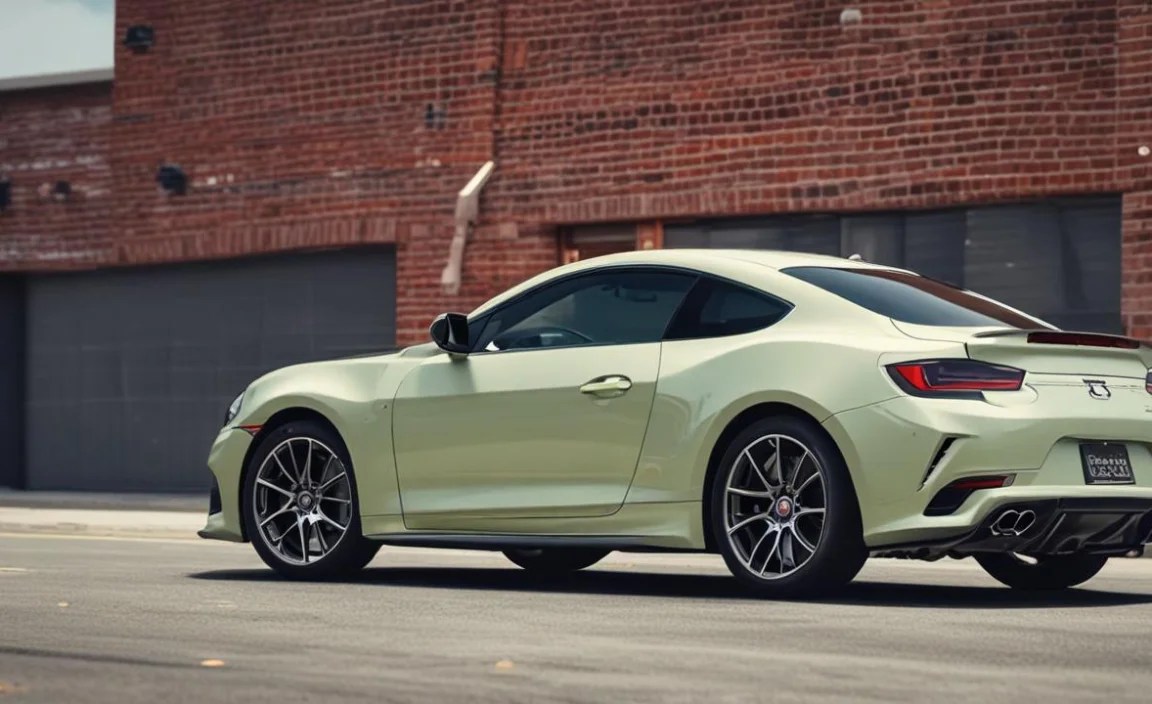
The import process itself involves several distinct stages, from purchase to registration. While these steps can vary slightly by country, the general flow is consistent.
Step 1: Purchase and Payment
Once you’ve found your coupe and are satisfied with its condition, you’ll negotiate the price. Payment methods can vary, often involving wire transfers. Be wary of scams and ensure you are dealing with a legitimate seller or reputable broker. Using escrow services can provide an extra layer of security for significant transactions.
Step 2: Export Documentation from the Origin Country
The seller or your broker will need to gather the necessary export documents. This typically includes:
The vehicle’s title or registration documents.
A bill of sale.
Potentially, an export declaration.
These documents prove ownership and allow the vehicle to leave its country of origin.
Step 3: Shipping Your Coupe
This is one of the most significant logistical steps. You’ll need to choose between different shipping methods:
Ro-Ro (Roll-on/Roll-off): The vehicle is driven onto a specialized ship and secured. It’s usually the most cost-effective method but offers less protection for the vehicle’s exterior.
Container Shipping: Your coupe is loaded into a shipping container. This offers better protection for the vehicle and allows you to include some personal items (though this might be restricted by customs). You can choose a shared container (less expensive) or an exclusive container (more secure and faster).
Air Cargo: The fastest but by far the most expensive option. Typically reserved for very high-value or time-sensitive vehicles.
You’ll need to work with a shipping company or freight forwarder who specializes in vehicle transport. They will handle booking the vessel, loading, and port procedures.
Step 4: Customs Clearance and Duties
Upon arrival at your country’s port, the vehicle will enter customs. You, or your customs broker, will need to:
File Import Declarations: Provide all necessary documentation to customs authorities.
Pay Duties and Taxes: Import duties (tariffs) and taxes (like VAT or sales tax) will be assessed based on the vehicle’s value and its country of origin. This can significantly add to the overall cost.
Obtain Release: Once duties are paid and customs is satisfied with the paperwork, the vehicle will be released.
You can research estimated duties for your country through official government trade websites. For example, in the US, the U.S. Customs and Border Protection details tariff information.
Step 5: Modifications and Inspections (If Required)
If your imported coupe is not compliant with your country’s safety and emissions standards, this is where you’ll need to make modifications. This could involve changing headlights, taillights, emissions control systems, or other safety features. A certified mechanic or a Registered Importer (RI) often performs these tasks. After modifications, the vehicle will likely need to undergo a rigorous inspection to certify compliance.
| Method | Pros | Cons | Best For |
|---|---|---|---|
| Ro-Ro | Cost-effective, straightforward | Less protection, exposure to elements | Non-exotic, budget-conscious imports |
| Container (Shared) | Good protection, moderate cost | Longer transit times, less privacy | Most coupes, balancing cost and protection |
| Container (Exclusive) | Excellent protection, faster than shared, secure | Higher cost than shared container | High-value coupes, peace of mind |
| Air Cargo | Fastest transit time | Most expensive option | Extremely high-value or urgent imports |
Step 6: Registration and Titling
Once the vehicle has cleared customs, passed any required inspections, and you have all the necessary documentation, you can register and title it in your name. This involves visiting your local Department of Motor Vehicles (DMV) or equivalent agency. You will need:
Proof of ownership (bill of sale, title).
Customs release forms.
Proof of insurance.
Proof of compliance/inspection certificates.
Your identification.
You’ll pay registration fees and taxes, and then you’ll receive your new license plates and title.
—
Key Costs to Consider When Importing a Coupe

Importing goes beyond the purchase price. Understanding all potential costs is vital for budgeting and avoiding surprises.
| Cost Category | Description | Typical Range / Notes |
|---|---|---|
| Vehicle Purchase Price | The agreed-upon price for the coupe. | Highly variable based on make, model, year, condition. |
| International Shipping | Cost of transport from origin port to destination port. | $1,000 – $10,000+ depending on method and distance. |
| Marine Insurance | Insurance for the vehicle during transit. | Typically 1-2% of the vehicle’s insured value. |
| Customs Duties & Tariffs | Government taxes based on vehicle value and origin. | Can range from 0% to over 25% (e.g., US Section 201 tariffs on some vehicles). |
| Import Processing Fees | Fees charged by ports, brokers, and customs agents. | Variable, often several hundred dollars. |
| Modification Costs | If required to meet local safety/emissions standards. | Can range from $500 to $10,000+ depending on non-compliance. |
| Inspection Fees | Fees for mandatory safety and emissions inspections. | Varies by state/country; typically $100 – $500. |
| Registration & Titling Fees | Government fees to legally register and title the vehicle. | Varies significantly by location and vehicle value. |
| Broker/Agent Fees | If using a professional import broker or customs agent. | Can add 5-15% of the total landed cost. |
Potential Hidden Costs
Storage Fees: If your vehicle is held at the port for an extended period due to customs delays or paperwork issues.
Currency Exchange Rates: Fluctuations can impact your total cost.
Travel: If you need to travel to the port of entry to inspect the vehicle or handle paperwork.
—
Navigating Specific Imports: JDM and European Coupes
The process can have nuances depending on where your desired coupe originates.
JDM (Japanese Domestic Market) Coupes
Japan has a rich history of producing fantastic coupes that were often unavailable elsewhere. Think of iconic models like the Nissan Skyline GT-R, Toyota Supra, or Mazda RX-7.
Age is Key: Many JDM vehicles older than 25 years are eligible for import into the US without extensive modifications due to the 25-Year Rule.
Right-Hand Drive (RHD): Most JDM vehicles are RHD. While legal to drive in many countries, you should check local regulations and your comfort level.
Finding Reputable Importers: Specialized JDM importers are common and often know the nuances of Japanese auctions and export processes.
European Coupes
High-performance European coupes from brands like Mercedes-Benz, BMW, Porsche, and smaller manufacturers often have specific import considerations.
* Emissions Standards: European emissions standards can differ significantly. Newer European models


