
Mercedes Citan Engine Tuning Options: Ultimate Power
Unlock the hidden potential of your Mercedes Citan with smart engine tuning options for maximum power and efficiency. Discover ECU remapping, performance chips, and exhaust upgrades tailored for your Citan’s unique needs.
The Mercedes Citan is a versatile van, known for its practicality and Mercedes-Benz build quality. While it’s designed for efficient urban driving and commercial use, many owners wonder if they can unlock more power and performance from its engine. It’s a common question for any vehicle owner who enjoys a bit more pep in their step, especially when hauling loads or looking for a more dynamic driving experience. Don’t worry, enhancing your Citan’s engine performance is achievable, and we’re here to guide you through the best options available. We’ll explore the most effective ways to tune your Citan’s engine, ensuring you gain power without compromising reliability.
Frequently Asked Questions
What is ECU remapping for a Mercedes Citan?
ECU remapping, or chip tuning, involves modifying the software within your Citan’s Engine Control Unit (ECU). This allows for adjustments to parameters like fuel injection, boost pressure, and ignition timing to optimize engine performance, often leading to increased power and torque.
Can tuning my Citan void its warranty?
Yes, in many cases, altering the engine’s software or hardware can void parts of your manufacturer’s warranty, especially if the tuning is found to be the cause of any subsequent engine issues. It’s crucial to consult your warranty provider and the tuning specialist beforehand.
Are there performance chips specifically for the Mercedes Citan?
Yes, several reputable aftermarket companies offer performance enhancement modules or “chips” designed to work with specific Citan engine models. These devices often plug into existing sensor connections to alter engine signals and improve performance.
What are the potential benefits of tuning my Citan?
Benefits can include increased horsepower and torque, improved throttle response, better fuel efficiency (in some cases, with sensible driving), and a more engaging driving experience. The exact gains depend on the specific engine and tuning method used.
Are there any risks associated with tuning a Mercedes Citan engine?
Risks can include increased wear on engine components if the tuning is aggressive or if the engine is not maintained adequately. Over-stressing the engine, transmission, or drivetrain components is also a possibility if proper limits aren’t respected during tuning.
How much does Mercedes Citan engine tuning typically cost?
Costs vary significantly. Basic ECU remapping can range from a few hundred to over a thousand pounds/dollars/euros. Performance exhaust systems or intake upgrades can add several hundred more.
Can I tune my Citan myself?
While some basic modifications like air filter upgrades might be DIY-friendly, ECU remapping or significant hardware changes are best left to experienced professionals. Improper tuning can cause serious engine damage.
Mercedes Citan Engine Tuning Options: Ultimate Power
The Mercedes Citan, a compact yet capable commercial vehicle, offers a blend of practicality, comfort, and Mercedes-Benz engineering. Known for its reliability and efficiency, it serves many businesses and individuals well. However, for those who occasionally find themselves wishing for a bit more ‘oomph’ – perhaps for quicker overtakes, smoother highway cruising with a load, or just a more spirited drive – engine tuning can be a compelling option. This guide dives deep into the world of Mercedes Citan engine tuning, exploring the most popular and effective methods to boost power and enhance performance.
We’ll break down the complexities of ECU remapping, discuss performance chips, explore exhaust and intake upgrades, and touch upon what to consider before embarking on your Citan’s performance journey. Our aim is to make this process understandable, even if you’re new to car tuning, ensuring you can make informed decisions about maximizing your Citan’s potential.
Understanding Your Citan’s Engine
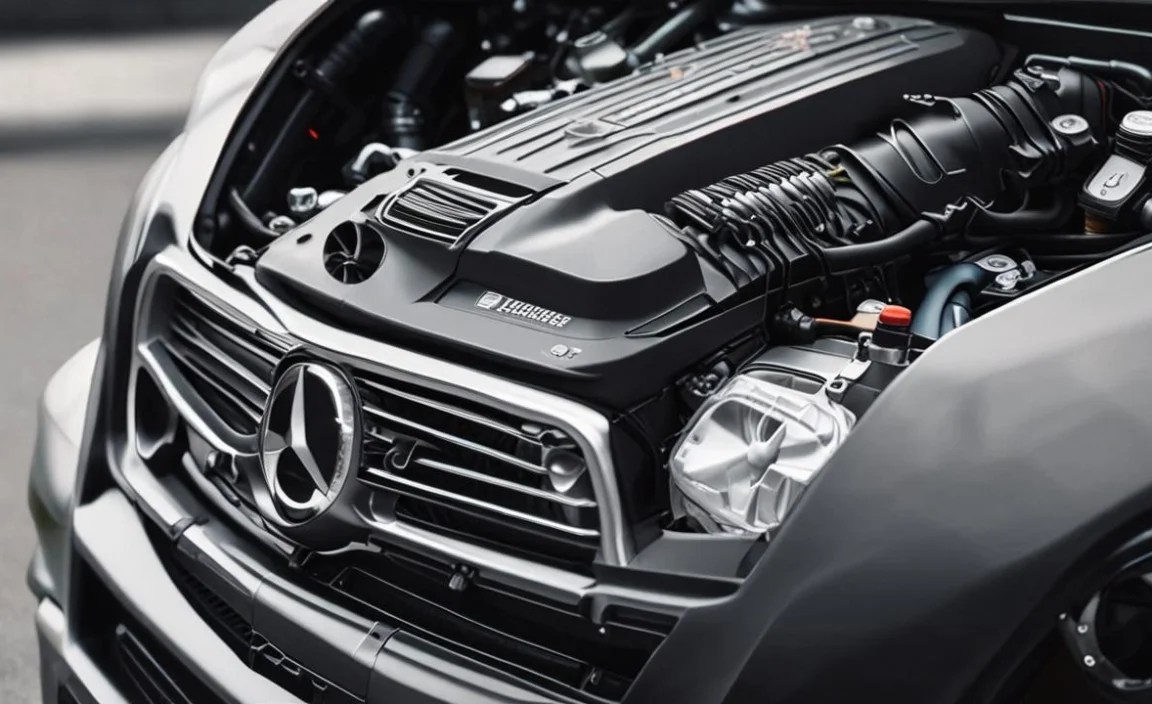
Before diving into tuning, it’s essential to have a basic understanding of your Citan’s engine. Mercedes-Benz often equips the Citan with efficient diesel engines, typically from the Renault-Nissan-Mitsubishi Alliance’s common rail diesel (CRD) family, adapted and refined for Mercedes standards. These engines are designed for a balance of performance, fuel economy, and durability, catering to the demands of commercial use. Common engine denominations might include variants of the 1.5-liter dCi engine, often found in Renault and Nissan vehicles.
These engines feature sophisticated electronic management systems, primarily controlled by the Engine Control Unit (ECU). The ECU acts as the vehicle’s computer, constantly monitoring sensors across the engine and vehicle to manage everything from fuel injection and ignition timing to turbocharger boost pressure. This intricate electronic management is precisely why ECU remapping is one of the most prevalent and effective tuning methods for modern vehicles like the Citan.
ECU Remapping: The Core of Citan Performance Tuning

ECU remapping, also known as chip tuning or simply “a remap,” is the process of altering the software within your Citan’s Engine Control Unit (ECU). Think of the ECU as the brain of your engine. It stores factory-set maps (tables) that dictate how the engine performs under various conditions. These maps control crucial parameters like fuel delivery, air intake, turbocharger boost pressure, and ignition timing.
Manufacturers set these maps with various considerations in mind, including emissions regulations, fuel economy targets, reliability for widespread use, and component longevity across a wide range of driving conditions and owner maintenance habits. This means there’s often a degree of ‘headroom’ – performance potential that hasn’t been fully utilized at the factory in order to meet these broad objectives.
How it Works:
- Data Access: A trained technician connects specialized diagnostic equipment to your Citan’s OBD-II (On-Board Diagnostics) port.
- Reading the Map: The existing ECU software (the “map”) is read and downloaded.
- Modification: This map is then carefully modified by the tuner, either by hand or using sophisticated software, to optimize performance parameters. Common adjustments include increasing boost pressure from the turbocharger, advancing ignition timing (where applicable and safe), and optimizing fuel injection strategies.
- Writing the New Map: The modified map is uploaded back into the ECU.
- Testing: The vehicle is then tested to ensure the new map performs as expected and that all systems are running smoothly.
Benefits of ECU Remapping for your Citan:
- Increased Horsepower and Torque: The most significant benefit, providing more pulling power and better acceleration. This can be particularly useful for the Citan when carrying heavier loads.
- Improved Throttle Response: Your Citan may feel more eager and responsive when you press the accelerator pedal.
- Enhanced Fuel Efficiency: In some cases, with a well-tuned map and sensible driving, fuel economy can improve as the engine operates more efficiently. However, aggressive tuning for maximum power can sometimes reduce economy.
- Smoother Power Delivery: A good remap can create a more linear and enjoyable power band.
Considerations:
- Warranty: As mentioned, remapping can potentially affect your manufacturer’s warranty. Always discuss this with your tuner.
- Component Stress: Pushing the engine harder will put more stress on components like the turbocharger, clutch, and potentially the drivetrain. Ensure your Citan is in good mechanical condition before tuning.
- Professionalism: Opt for a reputable tuning company with experience in Mercedes-Benz or Alliance Group engines. Poorly executed remapping can lead to serious engine damage.
Performance Chips and Tuning Boxes
Performance chips, often referred to as tuning boxes or modules, offer an alternative to a full ECU remap. They are typically electronic devices that intercept and modify signals between the ECU and various engine sensors, such as the common rail pressure sensor or boost pressure sensor. Instead of rewriting the ECU’s software directly, they trick the ECU into making adjustments that result in increased power.
How Performance Chips Work:
- These boxes are usually designed to be plug-and-play, connecting to specific sensor connectors under the bonnet.
- They receive sensor data, modify it according to their internal programming, and send the altered signal back to the ECU.
- For example, a common rail diesel tuning box might amplify the fuel pressure signal, causing the ECU to inject more fuel, thereby increasing power.
Pros of Performance Chips:
- Easier Installation: Generally requires no specialist tools and can often be fitted by the owner.
- Removable: Can be easily unplugged if you need to return the vehicle to stock, for instance, for servicing or selling.
- Potentially Less Invasive: Some argue they are less intrusive than a software remap, though effects on components can be similar.
Cons of Performance Chips:
- Less Sophisticated: They work by manipulating signals rather than optimizing the entire engine map holistically. This can sometimes lead to less refined performance.
- Limited Customization: Unlike a custom remap, you are typically limited to the tuning profiles offered by the chip manufacturer.
- Potential for Errors: While often designed for simplicity, incorrect installation or a faulty unit can still cause issues.
When choosing a performance chip for your Mercedes Citan, look for reputable brands that specifically state compatibility with your Citan’s engine code and year. Brands like RaceChip, DTE Systems, and ABT (though ABT might focus more on larger Benz models, they sometimes offer solutions for commercial vehicles) are well-regarded in the aftermarket.
Performance Exhaust Systems for the Citan

While ECU remapping and tuning boxes primarily focus on adjusting how the engine manages its combustion, a performance exhaust system targets the ‘breathing’ of the engine. For many turbocharged vehicles, including the Citan, an upgraded exhaust system can make a noticeable difference, especially when combined with other tuning modifications.
How Upgraded Exhausts Help:
- Reduced Restriction: Factory exhaust systems are often designed with noise reduction and durability as primary concerns, which can lead to significant backpressure. A performance exhaust features a more free-flowing design, allowing exhaust gases to exit the engine more quickly.
- Improved Turbo Spool: For turbocharged engines like those in the Citan, faster removal of exhaust gases means the turbocharger can spin up more rapidly (spool) and reach higher boost pressures more efficiently. This translates to better low-end torque and reduced turbo lag.
- Sound Enhancement: While not strictly a performance gain, a sportier exhaust note can be a desirable byproduct for some owners.
Components to Consider:
- Downpipe: This is the pipe that connects directly to the turbocharger. An upgraded, larger diameter, or de-catted (where legal) downpipe can offer significant flow improvements and is often the most impactful exhaust upgrade.
- Mid-section: Replacing the standard centre pipe and silencer with a less restrictive version.
- Rear Silencer/Back Box: The final section of the exhaust, often designed for sportier sound and improved flow.
Key Considerations:
- Materials: Stainless steel is the preferred material for durability and corrosion resistance.
- Legality: In many regions, removing or modifying catalytic converters can be illegal and will result in failed emissions tests. Ensure any replacement parts comply with local regulations.
- Noise Levels: Be mindful of the noise output. While a sportier sound is appealing, overly loud exhausts can be subject to fines.
- Integration: For best results, a performance exhaust is often specified to work in harmony with ECU tuning.
While specific Citan performance exhaust systems might be less common than for passenger cars, parts designed for related Renault/Nissan models with the same engines can often be adapted. Specialists in performance exhausts will be able to advise.
Performance Air Intake Systems

Complementing an upgraded exhaust system is a performance air intake. The principle here is simple: an engine needs air to combust fuel. By allowing the engine to breathe more freely, you can potentially improve performance and efficiency.
How Intake Upgrades Work:
- Less Restriction: Standard airboxes often have restrictive designs and paper filters to muffle intake noise and trap fine dust. Performance intakes typically use larger diameter piping and high-flow air filters (often cone-shaped and made of cotton gauze or foam).
- Increased Airflow: The more efficient filter and smoother pipework allow a greater volume of cooler air to reach the engine.
- Improved Turbo Response: For turbocharged engines, a less restricted intake reduces the effort required for the turbocharger to draw in air, potentially improving spool speed.
Types of Intake Systems:
- Panel Filter: A direct replacement for your Citan’s standard air filter within the original airbox. This is the most basic upgrade and offers minimal gains but is very easy to install and often legal.
- Cold Air Intake (CAI) / Short Ram Intake (SRI): Replaces the entire stock airbox with new pipework and a cone filter. CAIs aim to draw cooler air from outside the hot engine bay, while SRIs are simpler and draw air from within the bay.
Considerations:
- Filter Maintenance: Performance filters usually require cleaning and re-oiling rather than simple replacement. Follow the manufacturer’s instructions carefully.
- Water Ingestion: In some extreme locations or if poorly fitted, cone filters can be more susceptible to drawing in water, which can be catastrophic for an engine.
- Noise: A higher-flow intake will likely increase the induction noise heard from the engine bay, which can be more pronounced in lighter commercial vehicles.
- Synergy with Remapping: For optimal results, especially with significant intake and exhaust upgrades, the ECU will likely need to be remapped to take full advantage of the increased airflow and adjusted boost parameters.
Brands like K&N, Pipercross, and Ramair are well-known manufacturers of performance air filters and intake kits. Always check for specific Citan applications or parts compatible with its engine type.
What to Consider Before Tuning Your Citan
Tuning your Mercedes Citan is an exciting prospect, but it’s crucial to approach it with a clear understanding of the implications. Here are some key factors to weigh:
Mechanical Condition
Before any tuning modification, ensure your Citan is in top mechanical condition. Check the:
- Service History: Has it been regularly maintained according to Mercedes-Benz standards?
- Clutch: An increase in torque can put extra strain on the clutch. If your clutch is already worn, tuning could lead to premature failure.
- Brakes: More power means you’ll need reliable stopping power. Ensure your braking system is in excellent order.
- Tyres: Properly inflated and good quality tyres are essential for handling the increased performance safely.
Turbocharger and Drivetrain Health
Modern Citan engines use turbochargers to boost performance. Increased boost pressure, while increasing power, also increases stress on the turbocharger and its seals. The gearbox and differential are also subjected to higher torque loads. A reputable tuner will ensure that modifications stay within safe operating limits for these components.
Legal and Emissions Compliance
Tuning modifications, particularly exhaust changes like removing catalytic converters, can make your vehicle illegal for road use and will likely cause it to fail emissions testing. It’s imperative to understand and comply with the regulations in your specific region. For Citan vans used commercially, ensuring compliance is vital to avoid regulatory issues.
For context on emissions standards, you can refer to official government resources. For example, the UK Department for Transport provides information on vehicle conformity of production and emissions, which are relevant to modification legality.
Cost vs. Benefit
Tuning modifications involve an investment. Research the costs associated with reputable tuning services, parts, and potential future maintenance. Weigh these against the expected performance gains and how important those gains are to your specific use of the Citan.
<h3


